
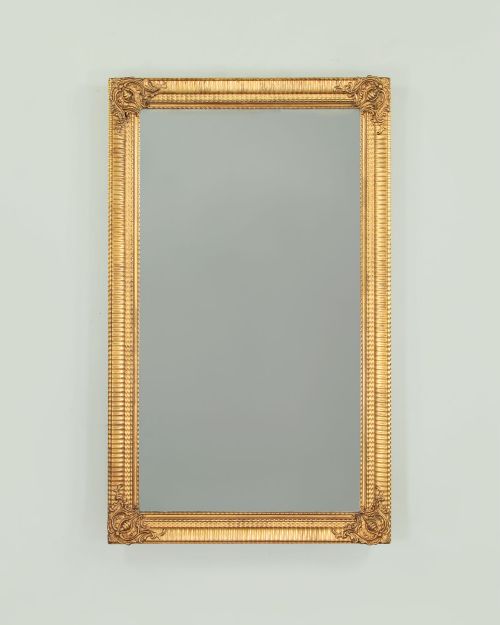
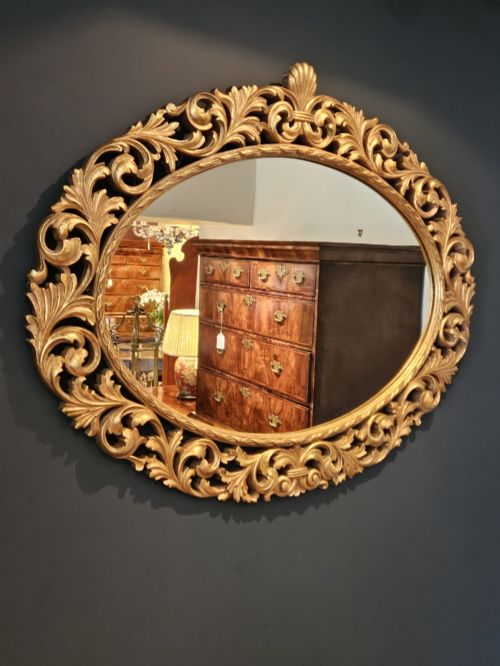
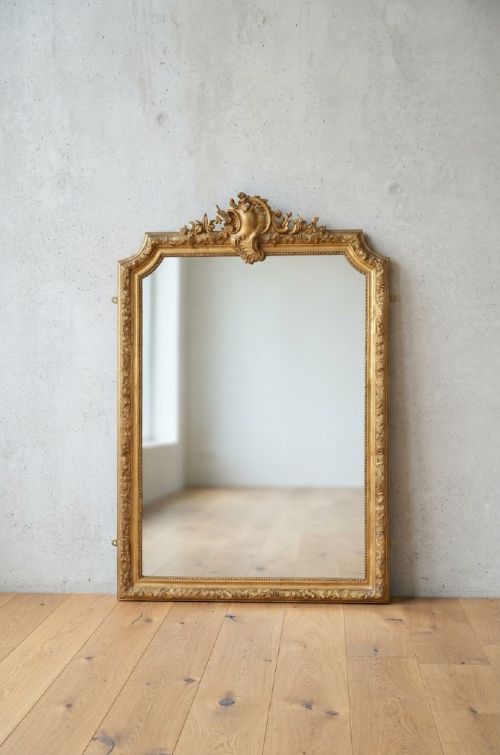
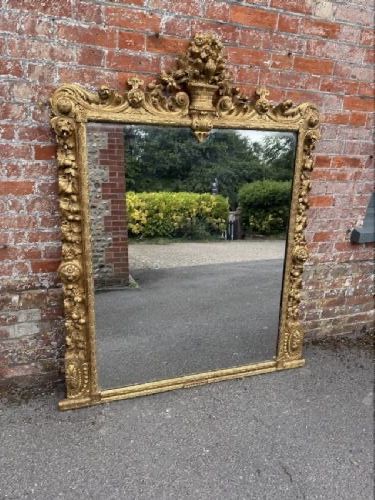

Large Ornate Frame
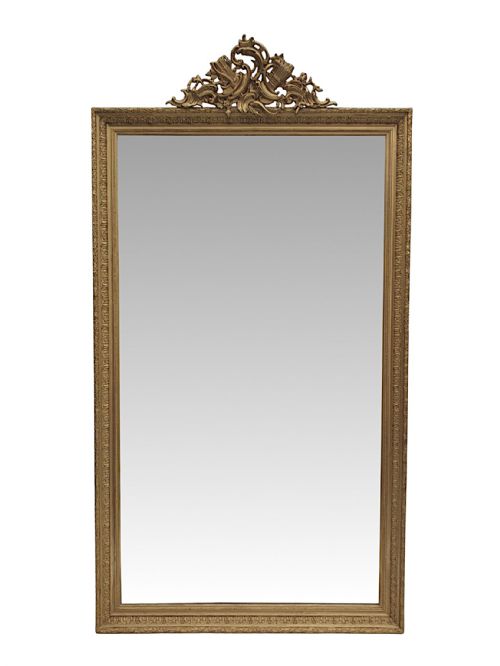
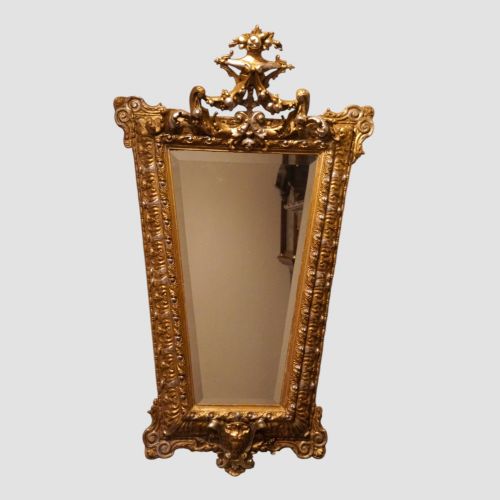
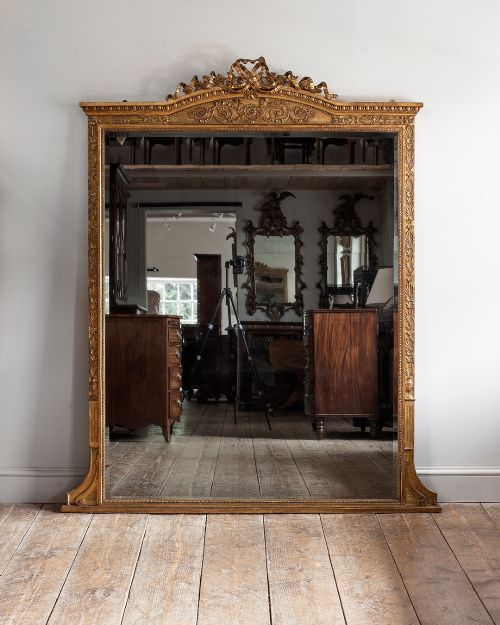
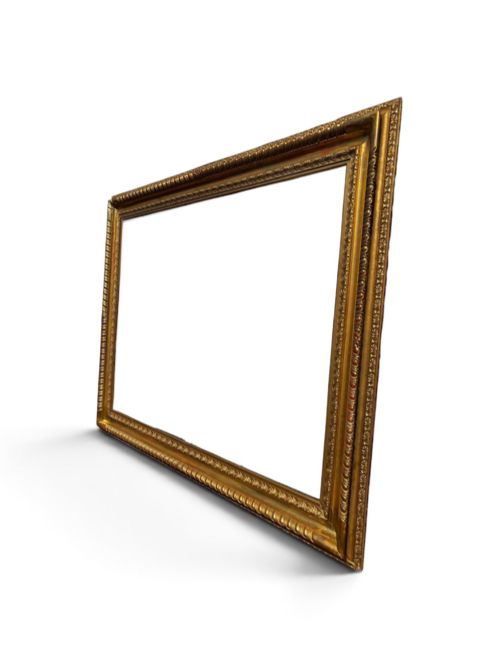
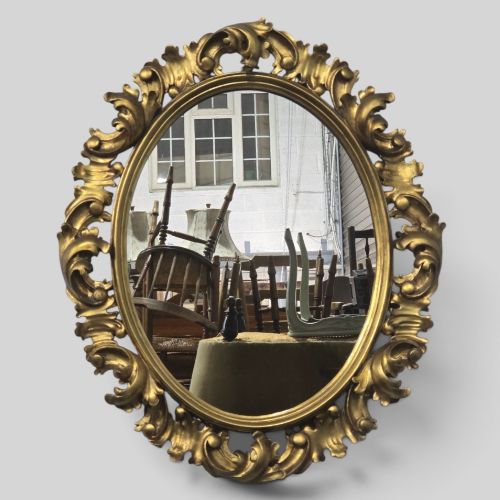
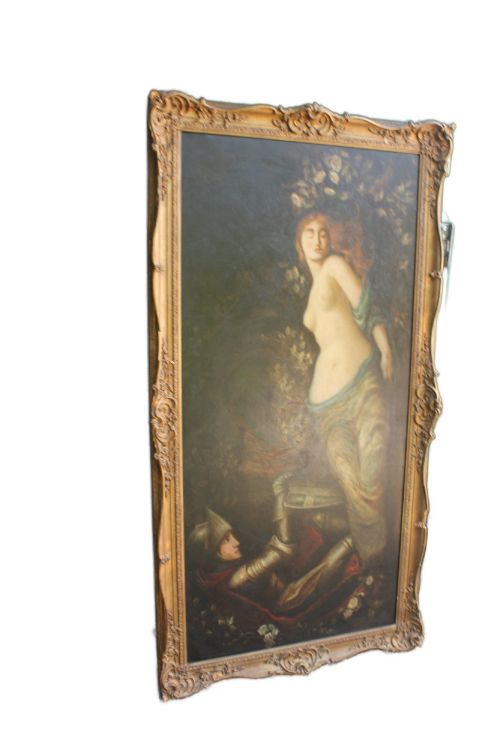
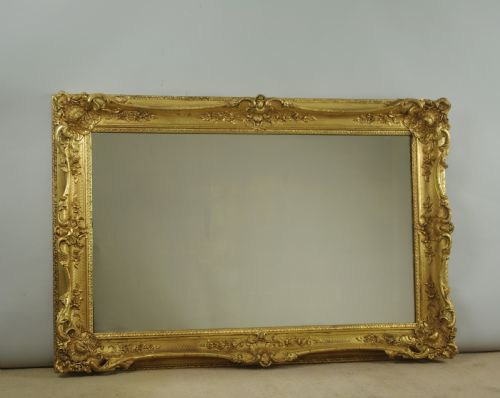
A large ornate frame brings architectural presence to a room, enclosing mirrors and canvases with the heavy gilding characteristic of the nineteenth century.
Large Ornate Frame
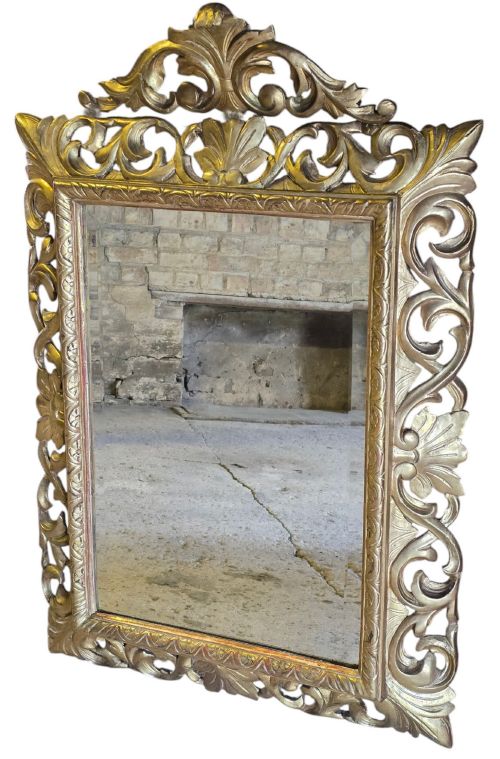
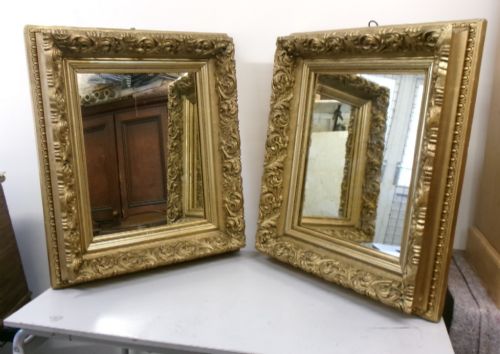
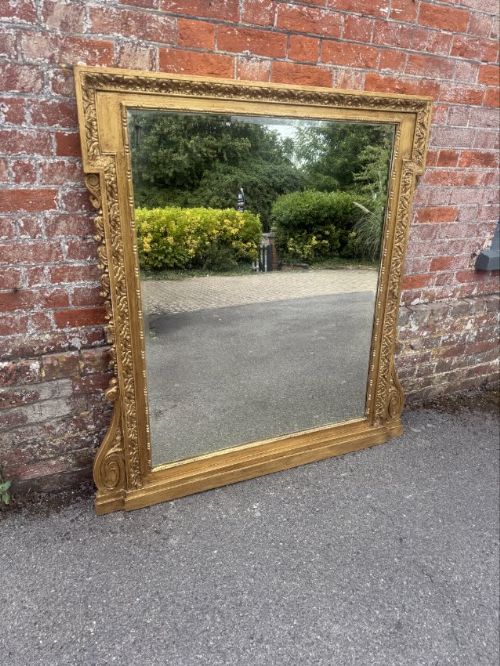
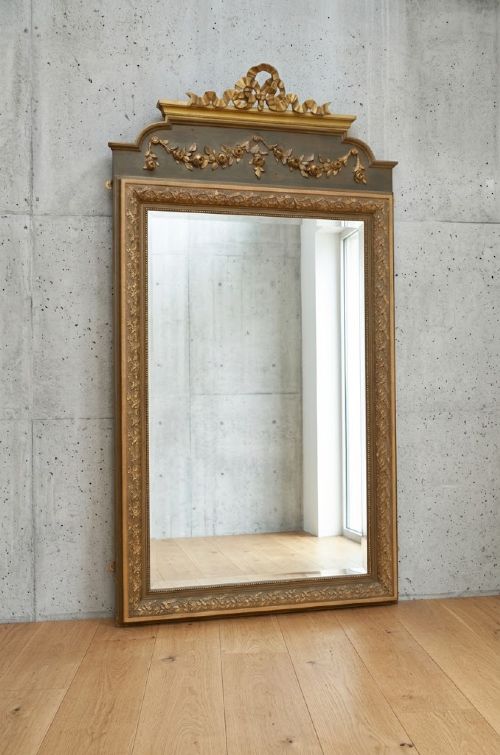
The large ornate frame category encompasses monumental overmantel mirrors, pier glasses, and picture frames designed to dominate a wall.
Nineteenth-century English and French examples predominate, drawing on Rococo Revival styles and Florentine carving traditions.
Makers utilised timber, gesso, and gold leaf to construct substantial wall hangings that functioned as primary decorative statements.
How they were made
Carved wood provides the structural foundation for the heavier pieces, shaped into scrolls, foliage, and crests by hand.
Gesso, a mixture of plaster and binder, was applied over the timber base and moulded to create crisp, high-relief ornamentation.
Gold leaf or liquid gilding was then laid across the surface, often complemented by painted details or silver-gilt accents.
Materials recorded across the inventory include carved wood, gesso, composition, brass, and gold leaf.
What varies in quality
Depth and sharpness of the gesso moulding distinguish superior carving from shallower, softer decorative work.
The integrity of the original gilding and the presence of period glass, such as foxed mirror plates, determine historical authenticity.
Substantial timber construction without excessive modern reinforcement separates workshop standards.
James Hamilton ARSA·Bennett Hubbard
The Large Ornate Frame Glossary
- Gesso
- A plaster-based compound applied to wood frames to build up decorative relief details before gilding.
- Overmantel mirror
- A wide mirror designed specifically to hang above a fireplace mantelpiece.
- Pier glass
- A tall mirror intended to fit on the wall space between windows.
- Giltwood
- Timber that has been coated with gold leaf or gold paint.
- Foxed glass
- Mirror glass showing age-related spots and oxidation behind the reflective coating.
Large Ornate Frame: Frequently Asked Questions
How do I hang a heavy overmantel mirror?
These substantial frames require professional wall anchors fixed directly into masonry or structural studs to support the combined weight of timber, gesso, and glass.
Distributing the load evenly across dual hanging points ensures the frame remains secure against the wall.
What is the difference between an overmantel and a wall mirror?
Overmantel mirrors are traditionally wider than they are tall, proportioned to sit horizontally above a fireplace opening.
General wall mirrors follow vertical formats designed for dressing spaces or hallway placement.
How should I clean a gilded frame?
Dusting gently with a dry, soft brush prevents damage to delicate gesso mouldings and fragile gold leaf layers.
Moisture and commercial cleaning products should be avoided entirely to preserve the original surface.
Are these frames original to their mirrors?
Many period pieces retain their original mercury or silvered glass plates, often showing characteristic foxing and age spots.
Replacements occur in historical pieces, making the examination of the backing boards and securing pins essential.