






Large Oriental Platter
These large oriental platter selections bring grand scale and intricate hand-painted detail to any wall or sideboard.
Large Oriental Platter
A large oriental platter serves primarily as a decorative charger or wall plate rather than a functional dish for dining. When searching for this phrase, collectors encounter substantial ceramic and enamelled vessels originating from Chinese and Japanese kilns and workshops.
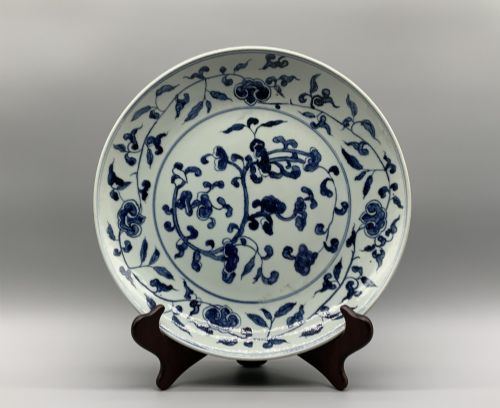
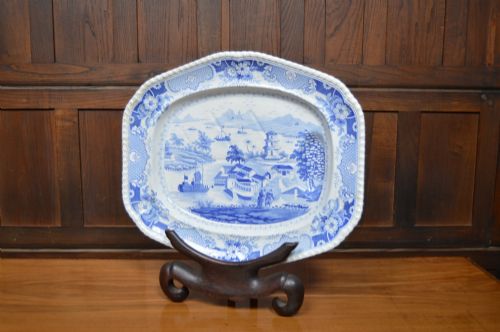
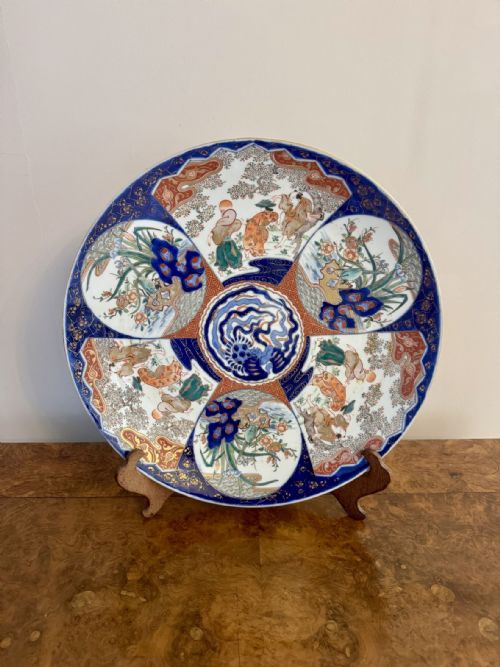
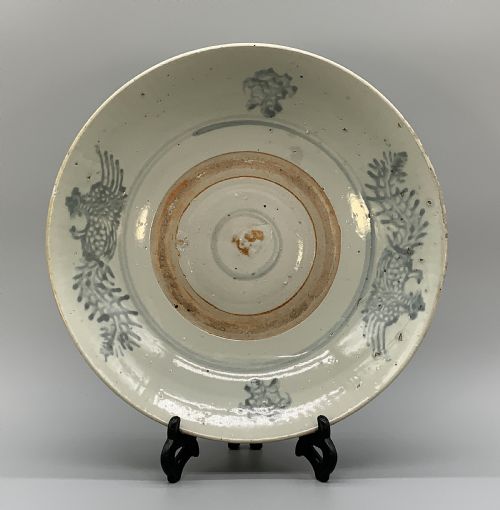
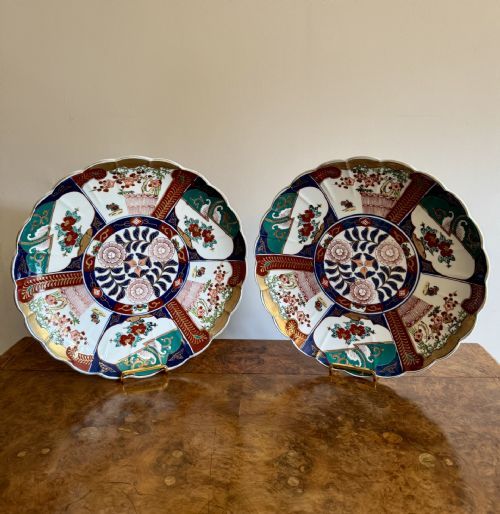
The selections on this page span several centuries, reaching back to the seventeenth-century Ming and Kangxi periods through to late nineteenth-century Meiji examples. Japanese Imari patterns and Chinese blue and white porcelain dominate the physical items present here.
How they were made
Craftsmen utilised porcelain as the primary body for ceramic chargers, applying cobalt glaze under the transparent layer or adding enamel and gold leaf on top of the fired surface. This process required precise kiln temperature control to achieve the distinct blue and white contrast found in early Chinese export pieces and later Japanese copies.
Copper and brass form the structural base for metal vessels, where artisans soldered thin wire ribbons to create cellular compartments known as cloisonne. Workers then filled these compartments with coloured enamel pastes before firing and polishing the metal surface to a smooth finish.
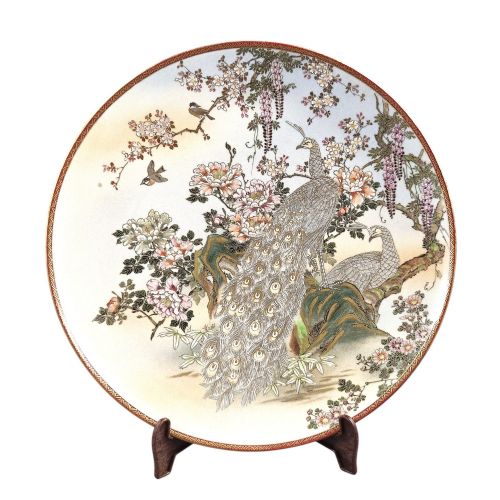
Decorators applied pigments by hand, combining cobalt blue underglazes with iron-red and gilt details on Imari plates, or layering moriage relief work to give feathers and florals a tactile dimension.
Current listings feature pieces spanning the seventeenth century to the early twentieth century, utilising porcelain, cloisonne enamel, and copper.
What varies in quality
Execution of the painted or enamelled imagery dictates the standing of a piece within its period. Crisp, steady brushwork and balanced compositional depth separate masterworks from routine export wares.
The density and precision of metal wirework in cloisonne trays indicate the skill of the workshop. Even spacing and absence of pitting in the fired enamel layers denote superior technical proficiency.
Complexity of the palette also marks distinction, particularly where artists combined cobalt blue, iron-red, and extensive gold leaf without muddying the underlying ceramic body.
The Large Oriental Platter Glossary
- Charger
- A large ornamental plate or platter designed for display on a wall or sideboard rather than for serving food. These pieces typically measure well over thirty centimetres in diameter.
- Imari
- A style of Japanese porcelain featuring a distinct palette of underglaze blue, iron-red, and gilt highlights. Originating in Arita, these wares gained immense popularity across Europe during the export trade.
- Cloisonne
- A decorative metalwork technique where flat wires form raised barriers on a copper or brass base to hold coloured enamel pastes. Artisans fire the piece multiple times to vitrify the glass powders.
- Moriage
- A Japanese ceramic technique that applies slip in raised dots or lines to create a textured, three-dimensional effect on the surface. This method frequently accentuates floral and avian details.
- Kangxi
- A regnal period in Chinese history spanning from sixteen sixty-two to seventeen twenty-two, noted for technical perfection in porcelain manufacture. Wares from this era often display brilliant blue and white pigments.
Large Oriental Platter: Frequently Asked Questions
How were large oriental platters displayed historically?
Households placed these broad vessels on sideboards, tables, or mounted them directly onto walls using specialised wire hangers to showcase their intricate designs to visiting guests.
Their substantial size made them natural focal points in formal dining rooms and reception halls across Europe and Asia.
What is the difference between Imari and blue and white porcelain?
Blue and white porcelain relies exclusively on cobalt oxide applied beneath the glaze before firing, producing a clean, two-tone finish. Imari pieces introduce additional colours, specifically iron-red and gold leaf, applied over the glaze in a secondary firing.
This multi-coloured palette gives Imari chargers a much richer, more decorative appearance compared to monochrome blue wares.
How do I care for a antique cloisonne charger?
Dust the metal and enamel surface gently with a soft, dry cloth to prevent accumulation without introducing moisture. Avoid using chemical cleaners or abrasive pads, which can scratch the polished enamel or strip the gilt highlights.
Keep the platter away from direct sunlight and damp environments to protect the underlying copper or brass base.
Can I hang a heavy charger on the wall safely?
Hanging heavy ceramic or metal vessels requires a properly rated wall anchor and a spring-loaded brass hanger that distributes weight evenly across the rim. Ensure the wire or clips grip the edge securely without placing undue stress on any historical hairline cracks.
Consult a professional framer if the platter lacks a standard rim profile or exceeds typical domestic weights.