




Large Oriental Floor Rug
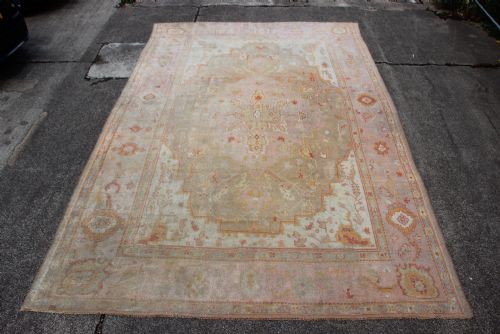
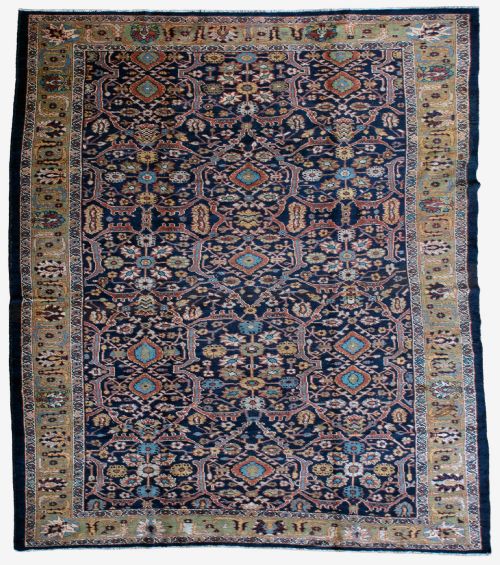
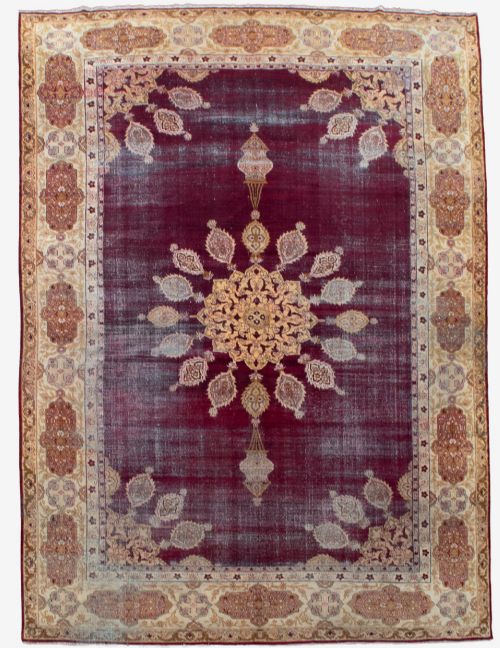
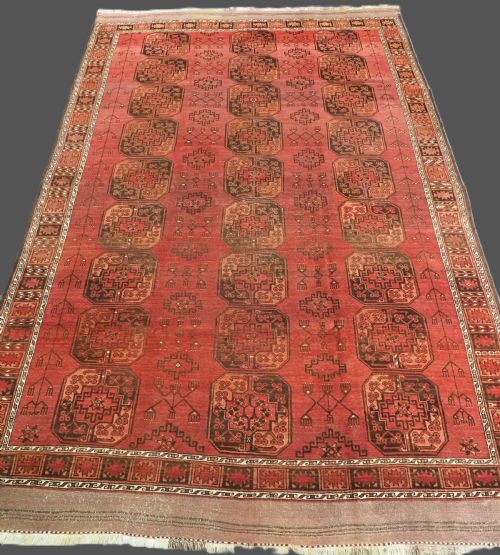
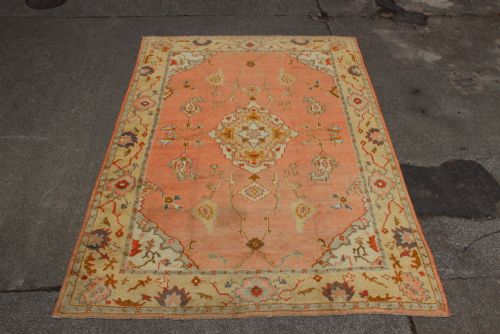
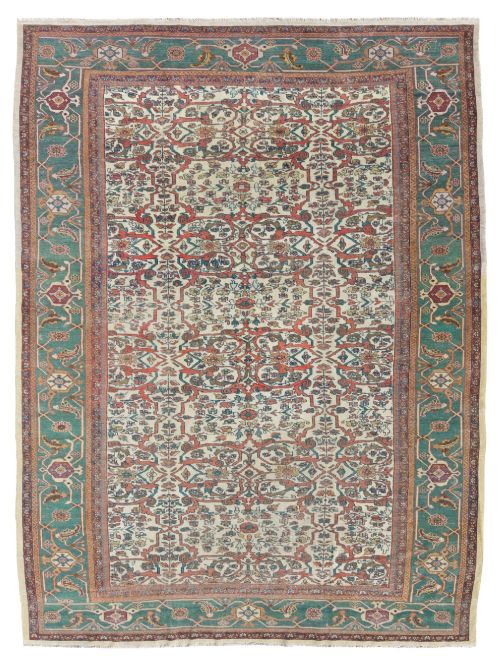
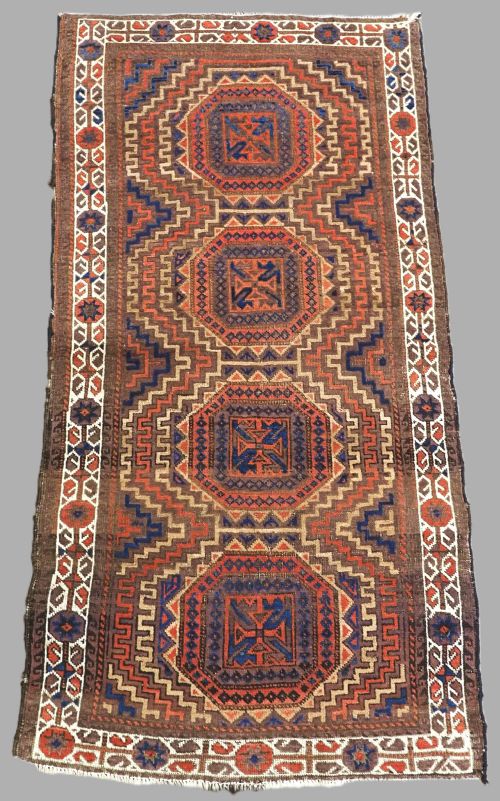
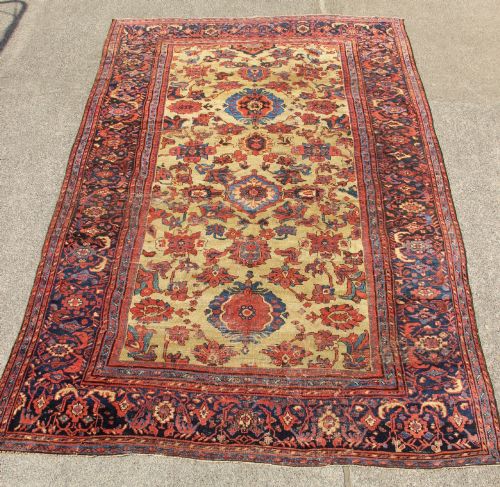
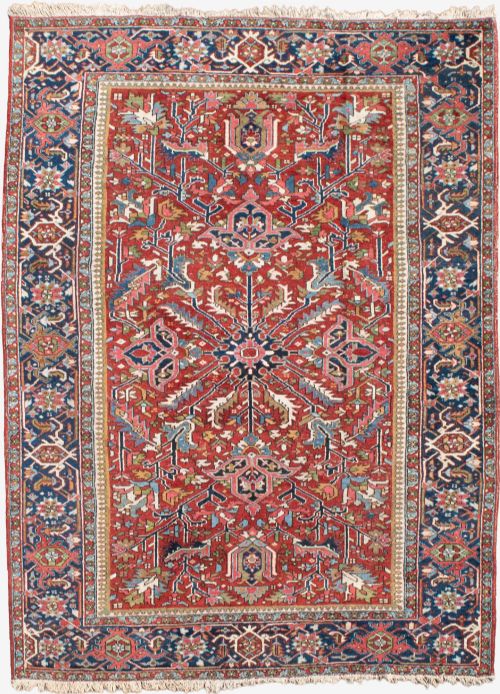
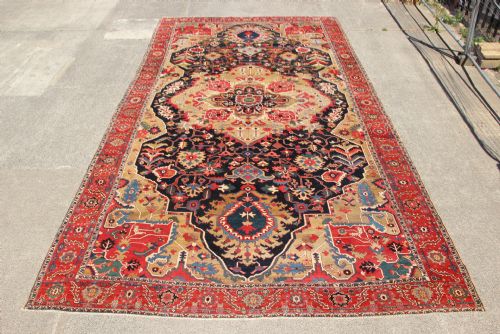
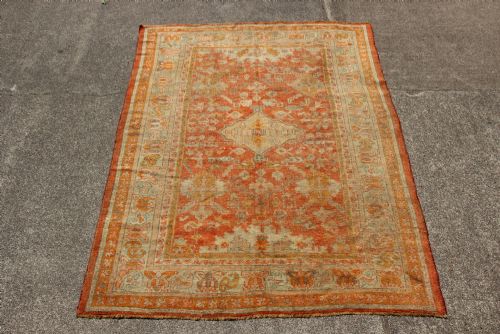
A large oriental floor rug anchors a room with dense botanical motifs and geometric medallions woven over a century ago.
Large Oriental Floor Rug
A large oriental floor rug brings substantial scale and historic pattern to a spacious interior. These floor coverings span origins including Persian, Ottoman, Anatolian, Turkmen, Indian, and Chinese workshops. Pieces vary from room-size carpets down to hallway runners, taking the form of rugs and carpets.
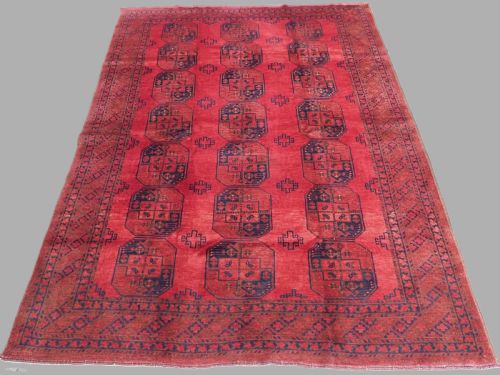
Heriz, Tabriz, Oushak, Mahal, and Sultanabad carpets dominate the selection, alongside tribal examples such as Ersari Turkmen, Baluch, and Afshar rugs. Production dates stretch from the mid-nineteenth century through the mid-twentieth century, capturing periods from eighteen-fifty to nineteen-forty. Buyers encounter woven room-sized formats designed to cover timber or stone floors.
Materials and construction
Makers constructed these textiles primarily using wool and cotton. Hand-knotted techniques created dense piles tied to structural warp and weft foundations. Natural dyestuffs produced varied grounds including ivory, pale tones, warm red, sky blue, and deeper colour palettes.
Weavers deployed regional knotting styles and traditional village or city designs, ranging from geometric Heriz medallions to curving floral Tabriz and Kirman compositions. Large country house formats required months of labour by skilled hands working at vertical looms.
Some nineteenth-century weavers slipped intentional minor irregularities into symmetrical prayer designs to respect the belief that only divine creation is perfect.
Factors of quality
Knot density and fineness of execution separate standard village weaving from exceptional city workshops. Finer pieces demonstrate precise control over intricate hunting scenes or balanced medallion geometry, whereas tribal pieces rely on robust, expressive repetition.
The clarity of natural dyes and the integrity of the wool foundation dictate the visual depth of the pile. Superior examples retain crisp detail in borders and field motifs, maintaining structural balance across extensive surface areas.
Haji Jalili
The Large Oriental Floor Rug Glossary
- Heriz
- A style of carpet originating from north-west Persia, known for bold geometric medallions and durable wool construction. These pieces often feature distinctive corner spandrels and sturdy structural foundations.
- Oushak
- A Turkish carpet type originating from the town of Ushak, characterised by softer palettes and large-scale floral or geometric designs. They frequently display muted pale grounds.
- Gul
- A repeating medallion or octagonal design element found in Turkmen and tribal rugs. This motif acts as a primary identifier for specific nomadic weaving groups.
- Warp
- The vertical threads stretched across the loom that form the structural skeleton of the rug. Fringe ends typically consist of these exposed parallel threads.
- Weft
- The horizontal threads passed between warp threads to lock knots in place. This material works alongside the warp to determine the rigidity of the carpet.
Large Oriental Floor Rug: Frequently Asked Questions
How do I choose the right size?
Measure the room dimensions to ensure furniture sits comfortably on or around the border of the carpet. Large oriental floor rugs range from standard room sizes up to expansive country house formats exceeding five metres in length.
Allow sufficient exposed flooring around the perimeter of the rug to frame the space effectively. Hallway runners suit narrow corridors, while broad square formats anchor central living areas.
How do I care for an antique rug?
Vacuum gently using suction attachment without a rotating beater bar to protect the wool pile and structural foundation. Professional cleaning specialised in antique textiles preserves natural dyestuffs and prevents fibre degradation.
Position a quality underlay beneath the carpet to reduce friction against hard floors and prevent slipping. Rotate the piece periodically to ensure even wear across high-traffic zones.
How can I tell Heriz and Tabriz rugs apart?
Heriz carpets display bold, rectilinear geometry with prominent central medallions and heavy stylized corner designs. The wool tends to be robust and thick, reflecting north-west Persian village traditions.
Tabriz rugs showcase refined curvilinear floral patterns, intricate hunting scenes, and finer knot counts characteristic of established city workshops. Their designs demonstrate precise symmetry and complex botanical drawing.