




Large Hand Knotted Rug
A large hand knotted rug anchors a room with dense botanical or geometric patterns woven centuries ago.
Large Hand Knotted Rug
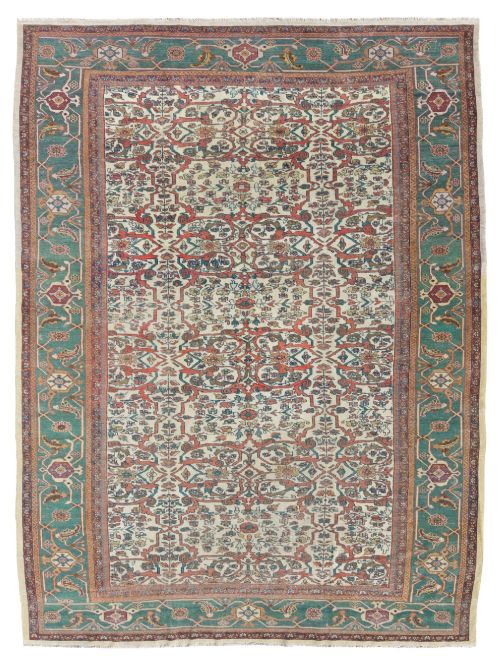
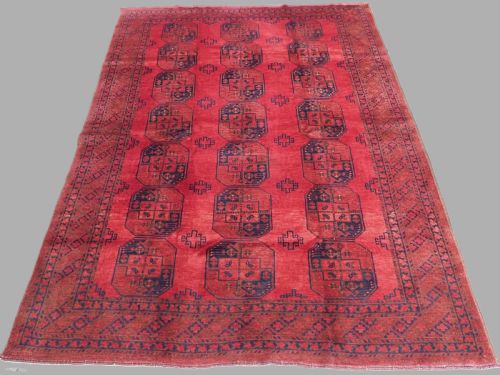
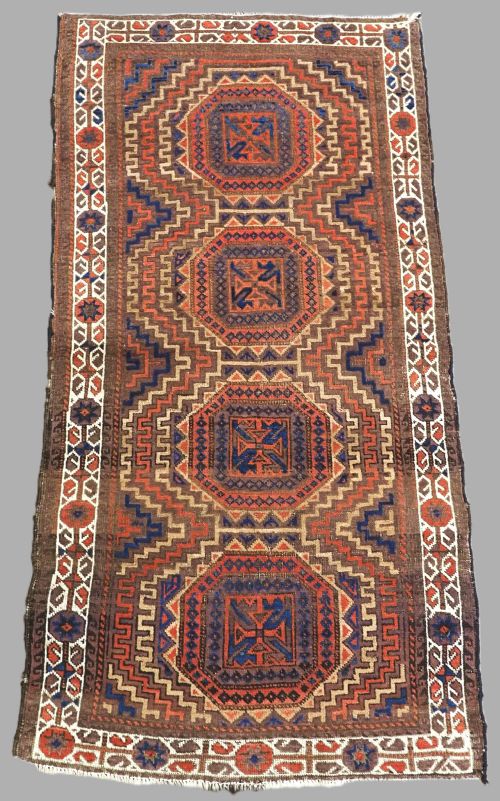
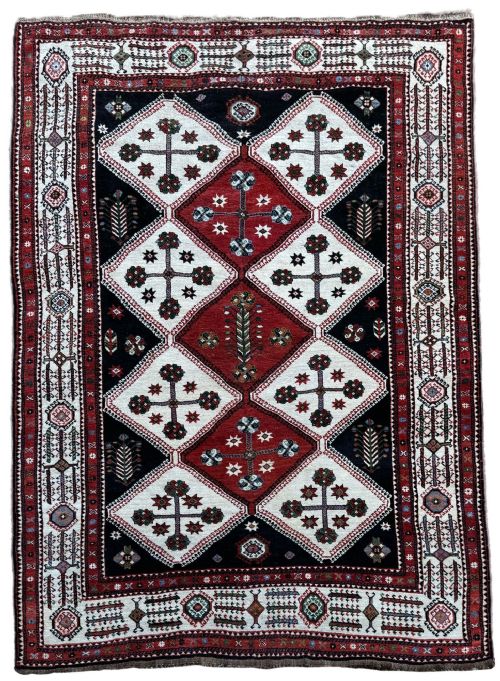
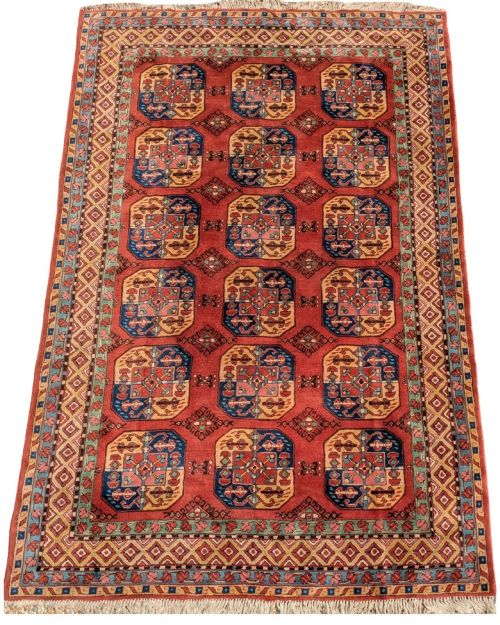
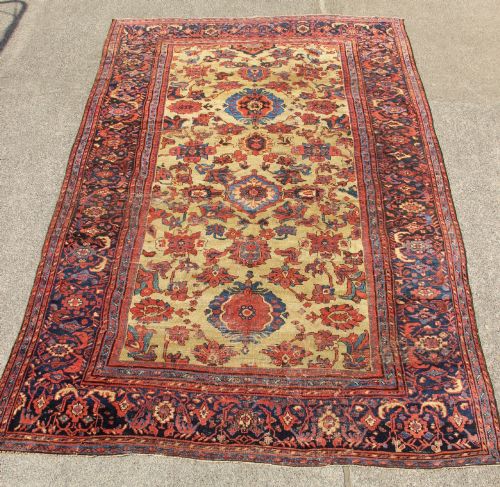
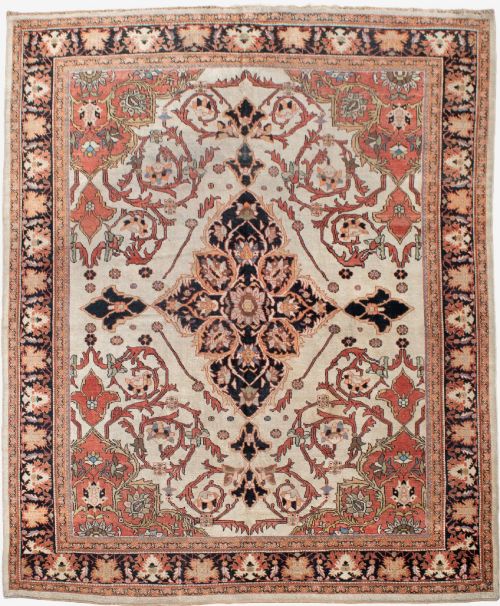
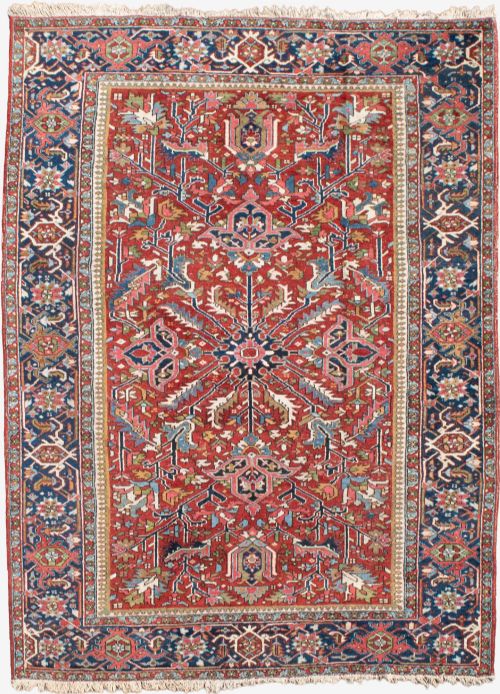
A large hand knotted rug provides floor coverings generated across periods spanning the nineteenth and twentieth centuries. These pieces originate largely from Persian and Turkmen weaving traditions, taking forms such as expansive carpets, area rugs and hallway runners.
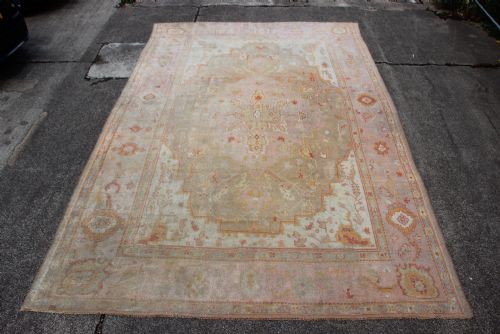
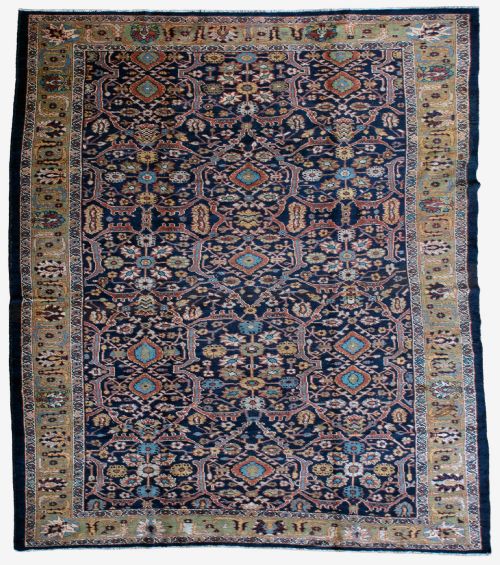
The most common examples on this page are substantial Heriz, Mahal and Oushak carpets dating from the late nineteenth century to the nineteen-twenties. Buyers seek these items to cover large floor spaces in country houses or principal rooms using traditional designs.
How they were made
These textiles utilise wool for the pile and cotton for the structural foundation threads, creating a dense and resilient fabric. Weavers tie individual knots by hand onto vertical warps before securing each row with weft threads.
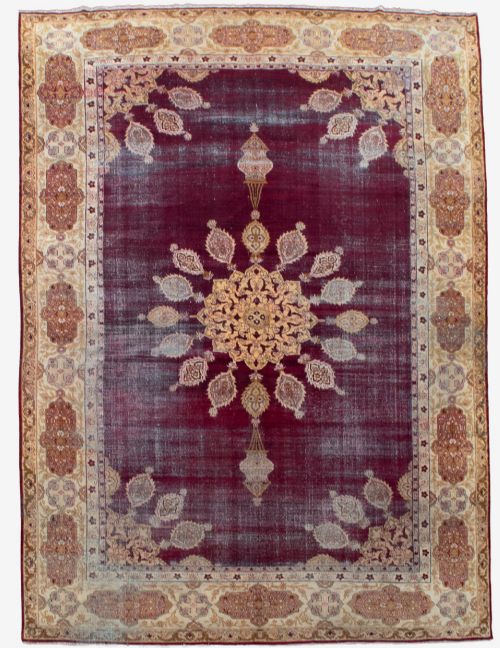
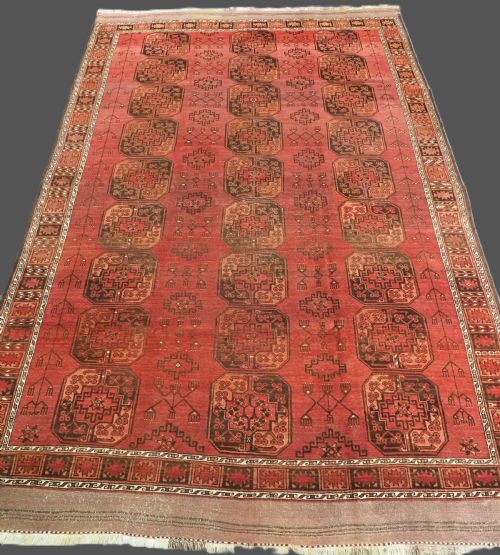
Natural and traditional dyes impart the warm reds, ivory grounds and sky blue tones seen across the pieces. The manual knotting technique allows for intricate motifs such as guls, large medallions and traditional tribal patterns to emerge clearly.
Large Hand Knotted Rug Retail Price Guide 2026
Typical asking prices for large hand knotted rug among the pieces listed under this phrase on Sellingantiques today, from the lower quarter to the upper quarter. They describe what is for sale here now, not the wider market.
Several carpets were woven so large they required entire nomadic communities working together through the winter months.
What varies in quality
The fineness of the knotting and the complexity of the design determine the distinction between standard village pieces and exceptional country house carpets. Finer knots permit crisper execution of intricate floral or geometric compositions.
The handling of wool quality and the depth of the palette dictate visual richness. Better pieces display harmonious colour saturation and superior wool preparation that retains resilience over generations.
The Large Hand Knotted Rug Glossary
- Heriz
- A style of carpet originating from north-west Persia known for bold geometric central medallions and durable construction.
- Gul
- A repeating octagonal medallion motif frequently found in Turkmen and Afghan tribal weaving traditions.
- Warp
- The stationary vertical strings stretched on a loom that form the structural skeleton of the rug.
- Weft
- The horizontal threads passed across the warps between rows of knots to bind the structure together.
- Oushak
- A style of carpet from a Turkish town noted for large scale floral designs and a softer colour palette.
Large Hand Knotted Rug: Frequently Asked Questions
How do I clean a large hand knotted rug?
Professional specialist washing is essential for antique wool and cotton rugs to prevent dye migration and fibre damage. Regular gentle vacuuming without rotating brushes removes surface dust safely.
Avoid household chemical cleaners and excessive water immersion. Specialist maintenance preserves the lanolin in the wool and protects the foundation.
Are these rugs suitable for high traffic areas?
Substantial nineteenth and early twentieth century carpets utilise dense wool pile and sturdy cotton foundations built for heavy daily use. Placing a suitable underlay beneath the piece reduces friction and prevents slipping on hard floors.
Properly maintained wool rugs handle regular foot traffic in hallways and reception rooms remarkably well. Rotating the rug periodically ensures even wear patterns over time.
How can I tell a Heriz carpet from a Mahal?
Heriz carpets typically feature pronounced rectilinear geometric medallions with bold corners and sturdy structural wool. They are woven in north-west Persia with a reputation for exceptional durability.
Mahal carpets often display more curvilinear all-over botanical designs with softer, more relaxed drawing styles. Comparing the rigidity of the geometric layout helps distinguish between the two types.
What underlay should I use underneath?
A breathable, natural rubber or felt mesh underlay prevents the rug from sliding on wooden or stone floors. This layer also provides a cushion that absorbs impact and reduces fibre abrasion against the floor.
Ensure the chosen underlay is slightly smaller than the rug dimensions so it remains hidden. Avoid plastic or solid rubber backings that trap moisture and damage cotton foundations.