



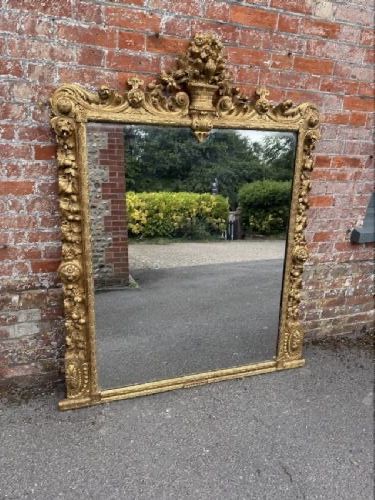
Large Gilded Frame
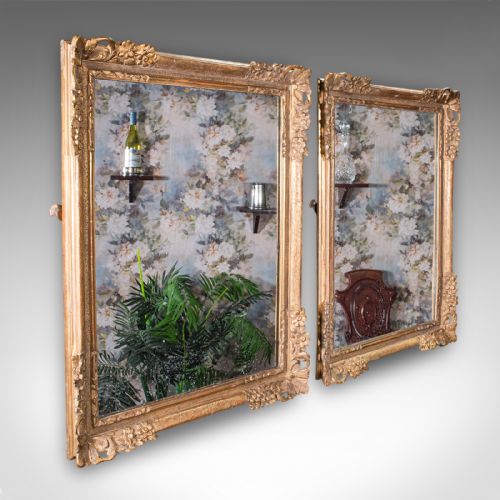
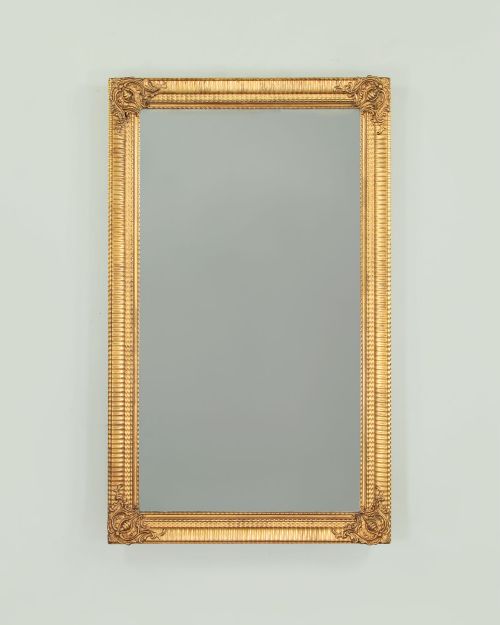
A large gilded frame commands a room, housing substantial oil paintings, intricate mirrors, or delicate portraiture with historic presence.
Large Gilded Frame
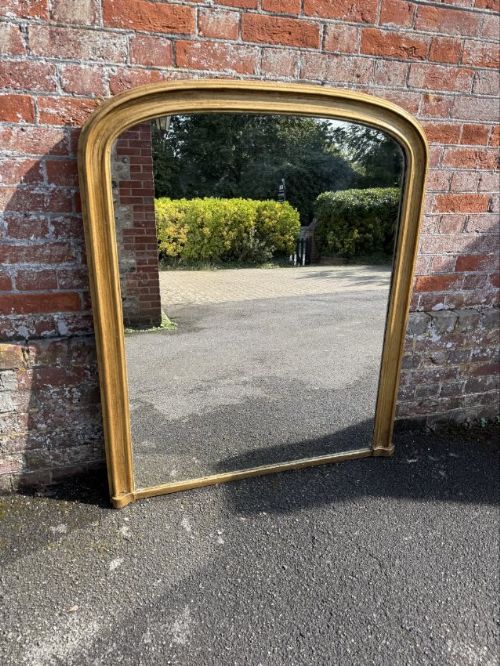
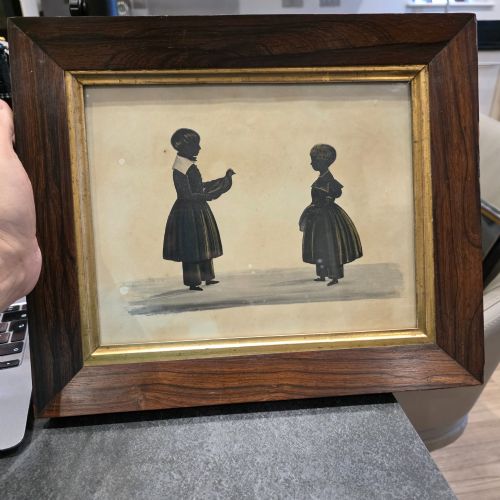
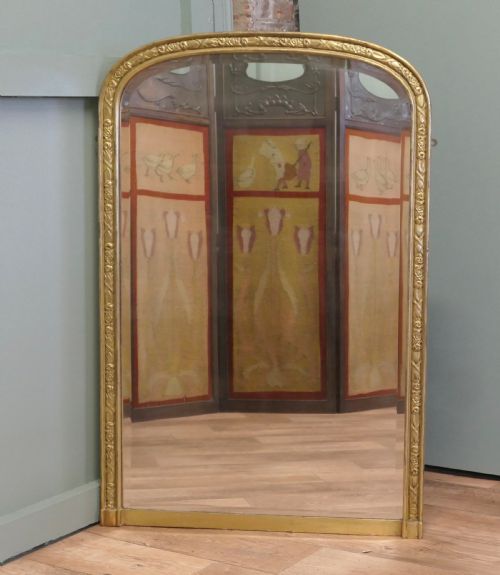
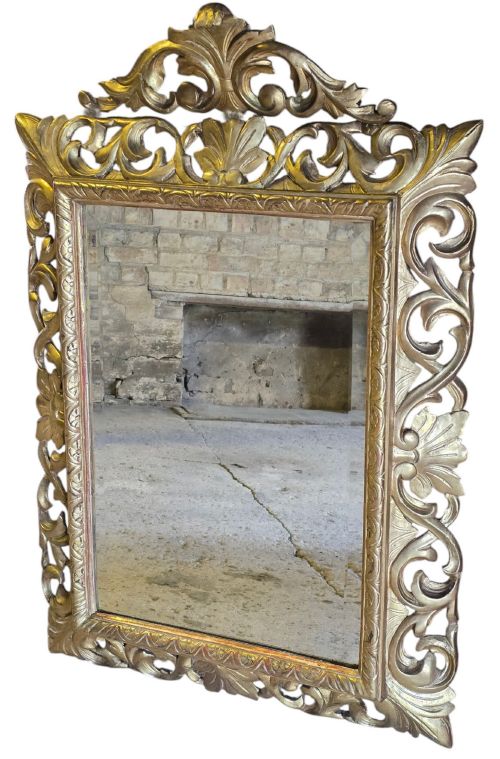
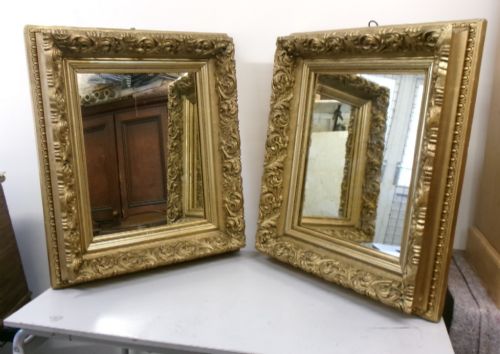
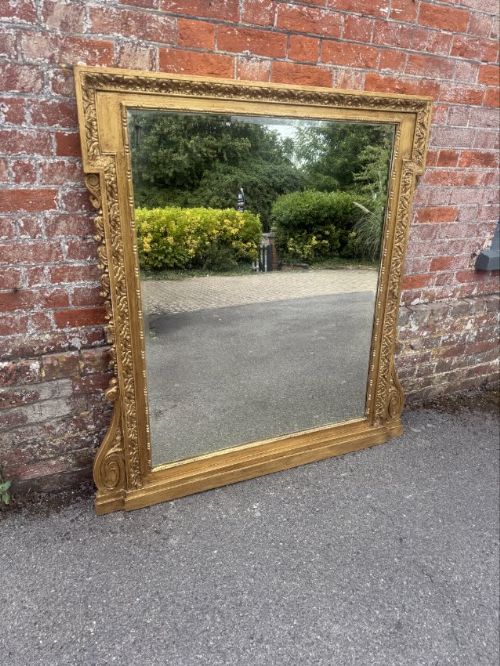
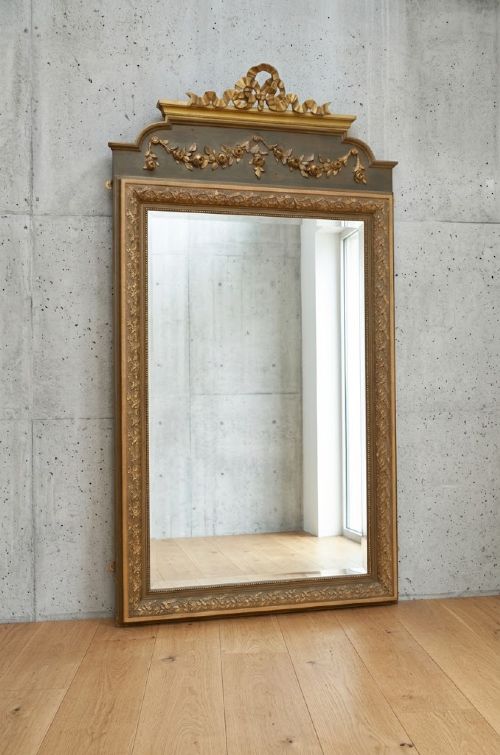
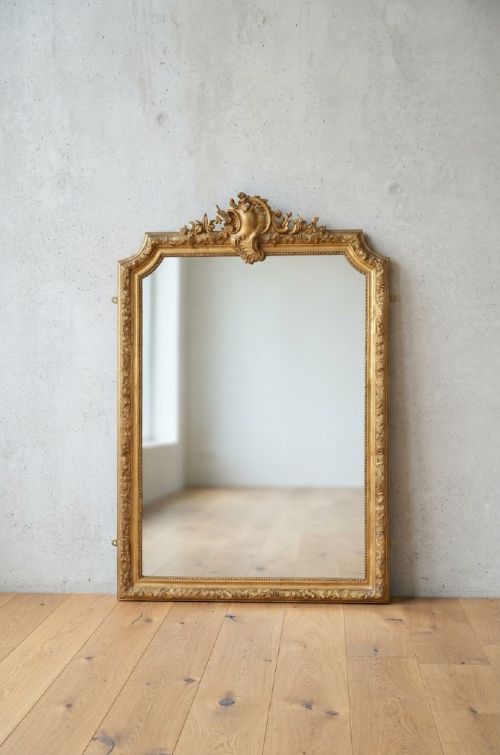
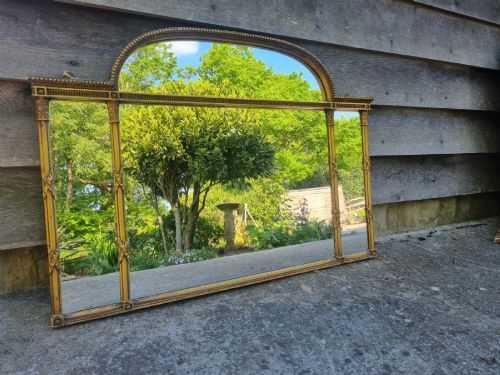
A large gilded frame serves primarily to house important oil paintings, portraits, and monumental wall or overmantel mirrors. These objects span the eighteenth, nineteenth, and early twentieth centuries, originating from English, French, Italian, and Dutch workshops.
The most common forms encountered on this page are nineteenth-century English overmantel mirrors and French wall mirrors featuring arched tops, rope twist mouldings, or gesso ornamentation. Alongside these, buyers encounter oil on canvas paintings and cast bronze photograph frames enclosed within heavily decorated gilt borders.
How They Were Made
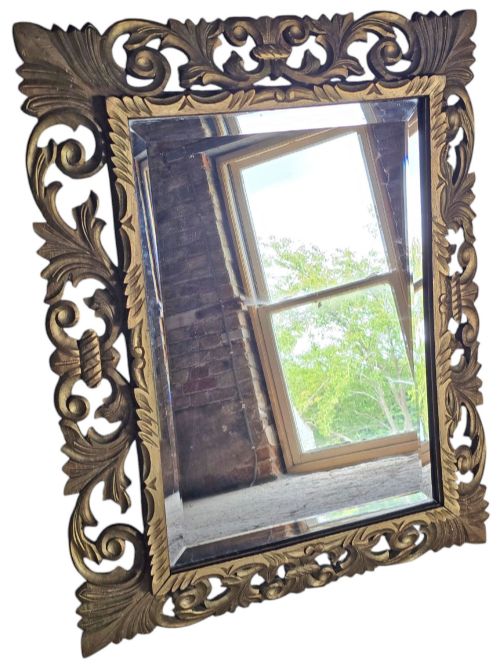
Carved wood and gesso form the structural foundation for many traditional frames and mirrors, providing a stable base for detailed ornamentation. Artisans applied thin layers of gold leaf or liquid gilding over prepared gesso surfaces to achieve a luminous metallic finish.
Cast bronze and brass techniques appear in smaller photographic and picture frames, often incorporating sculptural motifs like cherubs, Napoleonic bees, and floral crests. Oil paintings utilised canvas stretched over wooden frames, paired with matching gilded wooden surrounds.
Listings feature eighteenth-century French styles, nineteenth-century English overmantels, and early twentieth-century Dutch still life paintings.
What Varies in Quality
The depth and crispness of the hand-carved wood and gesso ornamentation separate standard production from superior pieces. Deeply undercut foliage, sharp architectural mouldings, and intact original gilding indicate higher workshop standards.
Original mirror plates, particularly silvered or foxed mercury glass, add authenticity and depth compared to modern replacement glass. The weight and stability of heavy carved timber frames versus lighter composition material also distinguish the caliber of construction.
Richard Sebastian Bond·DJ McLaughlin
The Large Gilded Frame Glossary
- Gesso
- A plaster-like mixture applied to wood surfaces as a smooth base before gilding. This material was built up in layers and carved to create ornate relief decorations.
- Overmantel Mirror
- A large mirror designed to hang specifically above a fireplace mantel. These pieces frequently feature architectural framing to anchor large drawing rooms.
- Giltwood
- Timber that has been coated with a thin layer of gold leaf. It differs from painted gold finishes by offering a deep, reflective metallic warmth.
- Trumeau Mirror
- An antique wall mirror paired with an oil painting or panel positioned above the glass. This French decorative form often integrated pastoral scenes into wood boiserie.
- Foxed Glass
- Mirror plate showing dark spots and mottled patches caused by age and the degradation of the backing. Collectors prize this natural degradation for its atmospheric reflection.
Large Gilded Frame: Frequently Asked Questions
How do I hang a heavy overmantel mirror safely?
Heavy carved wood and gesso mirrors require secure fixing directly into wall studs or masonry using heavy-duty brackets suited to the weight of the timber and glass.
Professional installation is recommended for monumental pieces to ensure the frame remains stable and properly supported against the wall.
Are original mercury mirror plates fragile?
Original mercury glass is delicate and requires careful handling during cleaning and relocation to preserve the historical silvering.
Avoid using harsh chemical glass cleaners that can damage the antique backing and accelerate foxing spots.
Can I swap the painting inside a large frame?
Historic frames were constructed specifically to fit their original canvas or mirror plate, meaning dimensions and rabbet depths vary widely.
Altering the interior dimensions risks damaging the structural integrity of antique carved wood and gesso joinery.