


Large French Glass
When you search for large french glass, you are looking at substantial antique mirrors, chandeliers, and decorative vessels defined by continental scale and craftsmanship.
Large French Glass
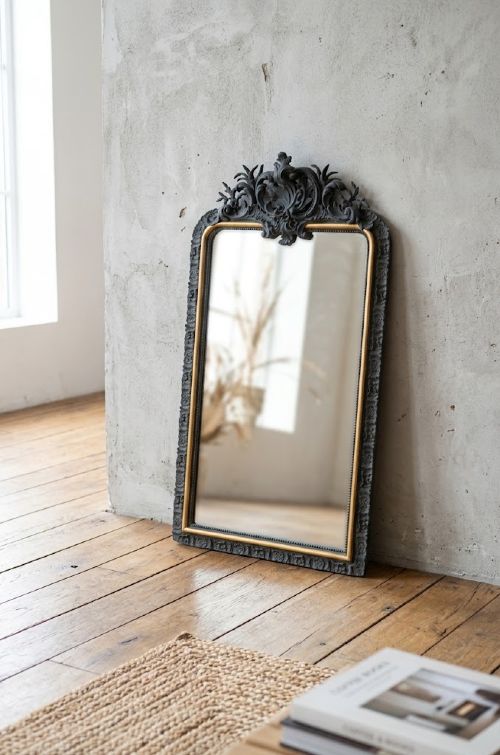
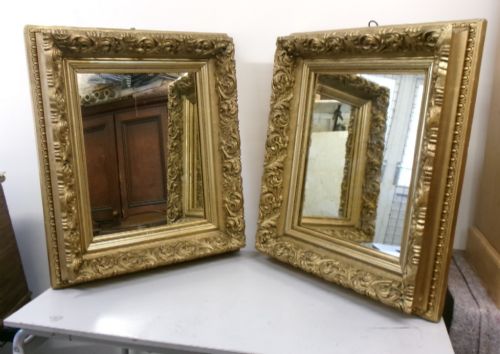
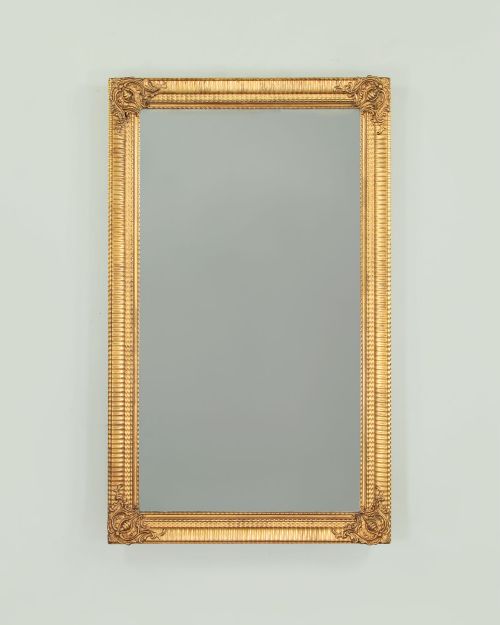
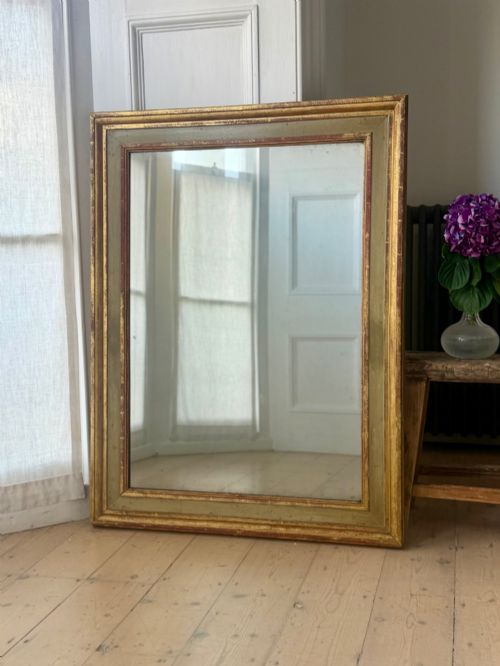
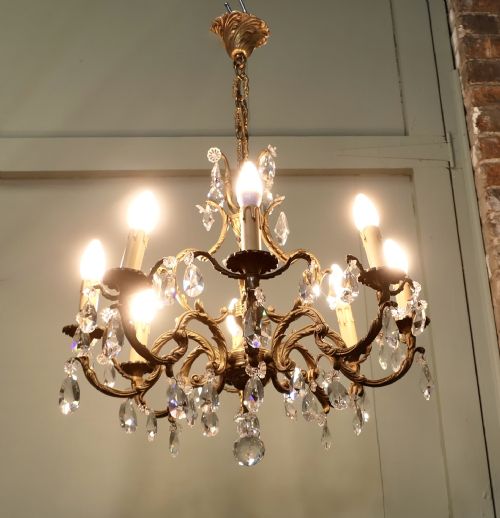
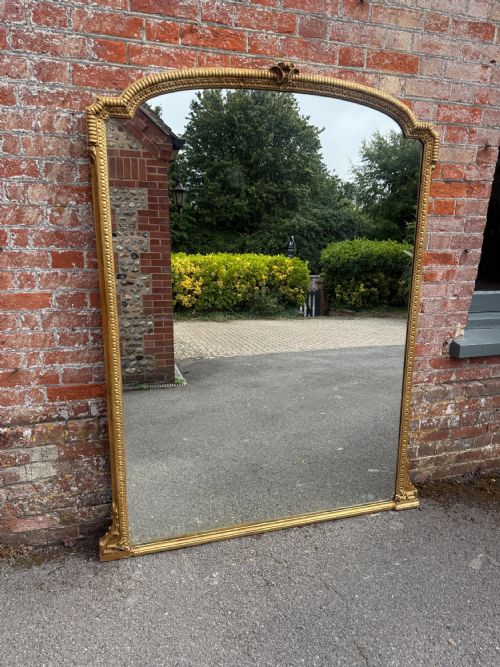
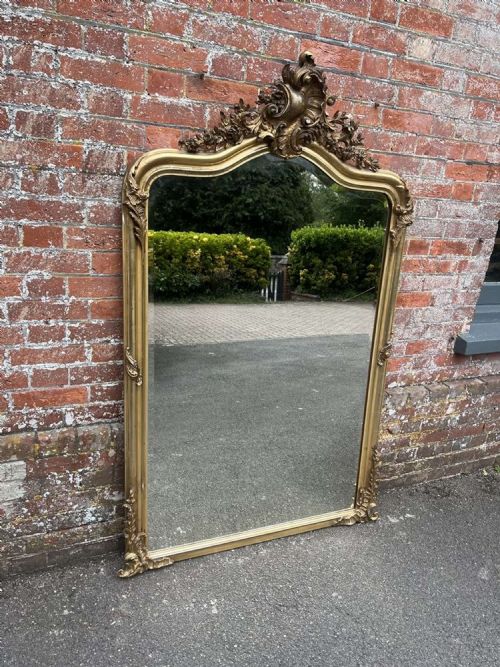
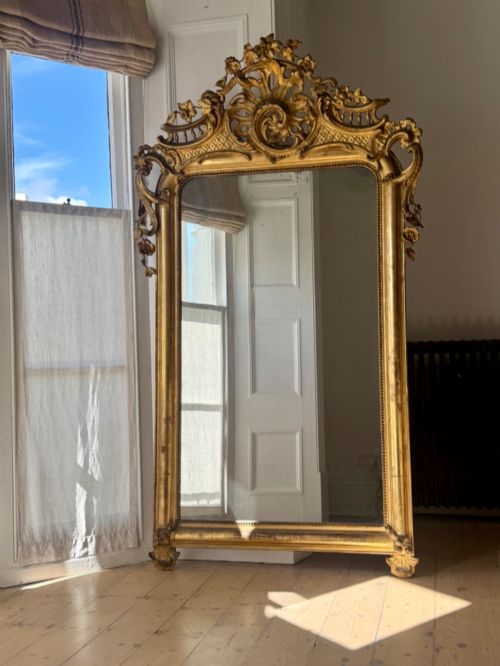
Items found under large french glass predominantly span nineteenth-century wall and overmantel mirrors framed in giltwood and gesso, alongside grand cut crystal chandeliers and glass lighting fixtures. These objects originate from French chateaux and salons, reflecting historical decorative movements including the Empire, Rococo, and Louis Philippe periods.
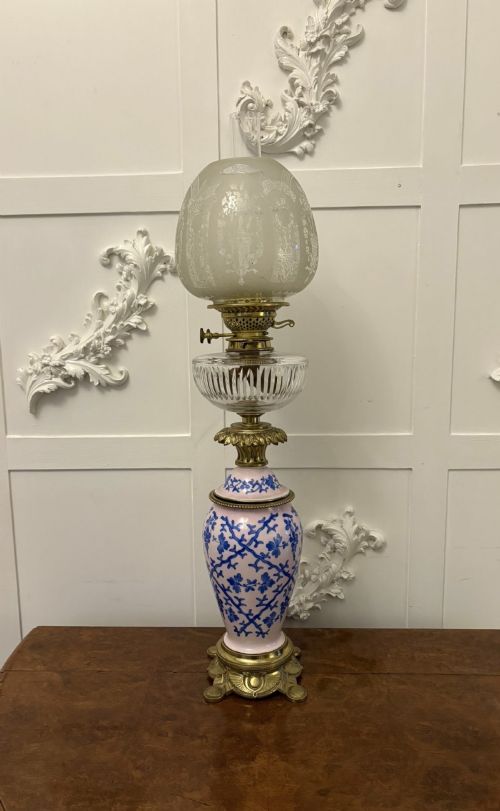
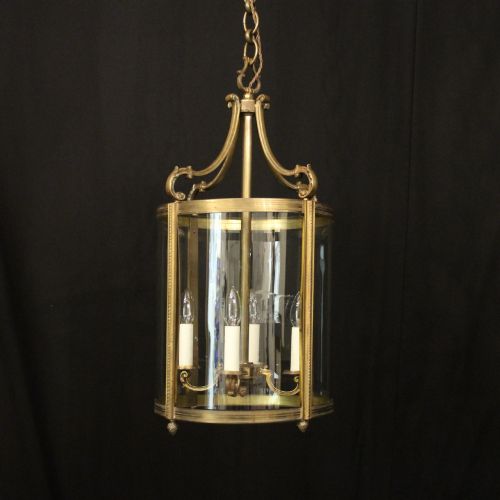
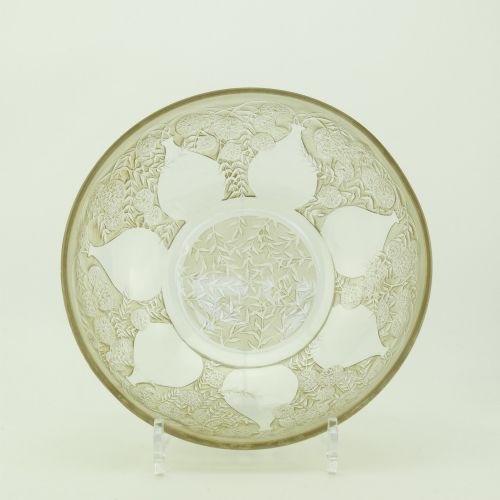
Mirrors form the core of this category, frequently incorporating heavy wooden frames treated with gold leaf or painted finishes. Alongside reflective glass, the inventory encompasses bronze-mounted bowls, decorative vases, and hall lanterns utilising cast brass and copper elements.
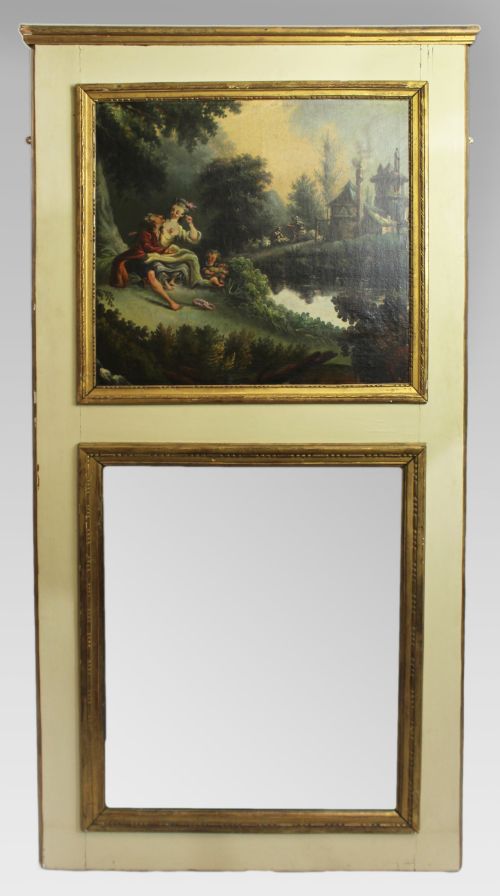
Pieces frequently display specific regional traits such as trumeau panels integrated above the glass or hand-blown mercury glass plates showing natural ageing. The selection balances architectural wall furnishings with smaller decorative vessels and lighting apparatus.
Distinctions in Quality
Quality rests upon the depth and precision of the hand-carved gesso or wooden frame detailing, where crisper acanthus leaves and scrolls separate superior work from simpler mouldings. Original gilding techniques utilising genuine gold leaf retain a richer warmth compared to later painted restorations.
The integrity of the glass plate significantly dictates value, with untouched mercury backing or early bevelled edges offering greater desirability. Heavier cast bronze mounts and complex multi-tiered crystal configurations in lighting indicate elevated workshop standards.
Witches balls were traditionally hung in French windows to ward away evil spirits and malicious gossip with their shimmering reflection.
Rene Lalique·Christofle·Daum
The Large French Glass Glossary
- Mercury glass
- A blown double-walled glass object coated on the interior with a silvering mixture before being sealed. This technique creates a reflective, silvery sheen frequently seen in nineteenth-century decorative spheres and vessels.
- Trumeau mirror
- An architectural wall mirror featuring an integrated decorative panel above the glass plate, often decorated with pastoral oil paintings or carved relief work. These pieces were designed to fit specific wall spaces within period rooms.
- Gesso
- A plaster-like mixture applied to wood frames and carved to form elaborate ornamental reliefs before gilding. It allows for crisp decorative details that define nineteenth-century French frames.
- Overmantel mirror
- A wide horizontal mirror created specifically to hang above a fireplace mantelpiece. They often feature arched tops and substantial frames tailored to the proportions of a chimney breast.
- Ormolu
- Finely chased and gilt bronze mounts utilised extensively on furniture, mirrors, and lighting fixtures. The process involves applying a mercury and gold amalgam to bronze.
Large French Glass: Frequently Asked Questions
What is mercury glass?
Mercury glass is a double-walled blown material containing a silvering solution trapped between the glass layers. It produces a dense, reflective finish without utilising actual mercury.
Items utilising this technique display an opaque, silvery appearance that develops characteristic spots and patination over decades of exposure.
How do I identify a Louis Philippe mirror?
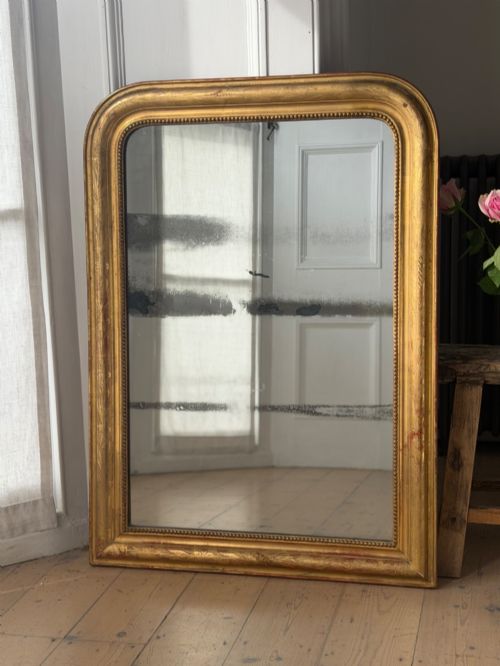
Louis Philippe mirrors typically feature rounded top corners combined with straight vertical sides and a relatively restrained frame. They date predominantly from the mid-nineteenth century.
The frames often display plain giltwood or bare gesso finishes that contrast with the more ornate carvings of earlier Rococo revival pieces.
Are these mirrors heavy to hang?
These pieces possess substantial weight due to their thick wooden frames, gesso ornamentation, and heavy glass plates. Proper wall fixings into masonry or secure studs are essential for safe support.
Professional installation is frequently recommended to distribute the load evenly across the structure of the wall.
What causes foxing on antique mirrors?
Foxing occurs when moisture penetrates the protective backing of the glass plate, causing the silver or mercury layer to oxidise and form dark spots. This chemical ageing process happens naturally over many decades.
Collectors often prize extensively foxed glass for the authentic antique character and visual depth it brings to the reflection.