

Large Decorative Wall Frame
A large decorative wall frame carries presence across a room, anchoring a space through gilded wood, carved plaster, or heavy oak.
Large Decorative Wall Frame
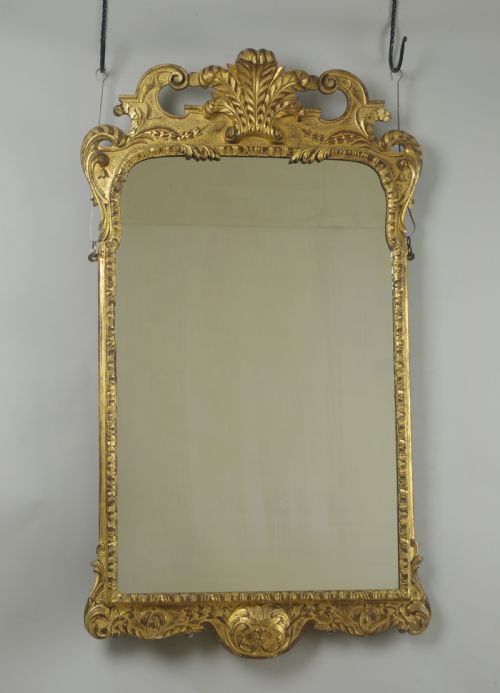
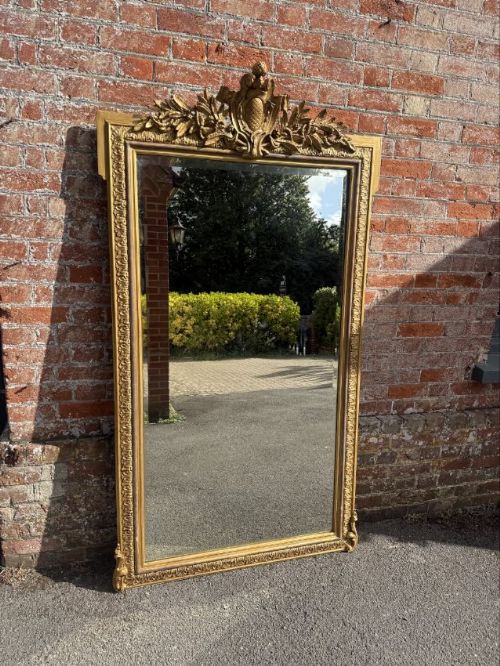
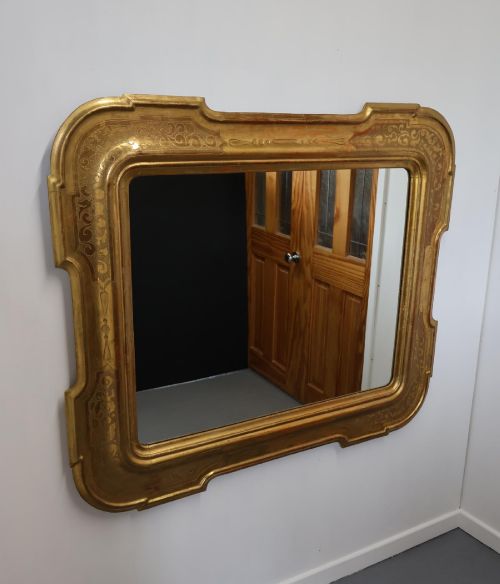
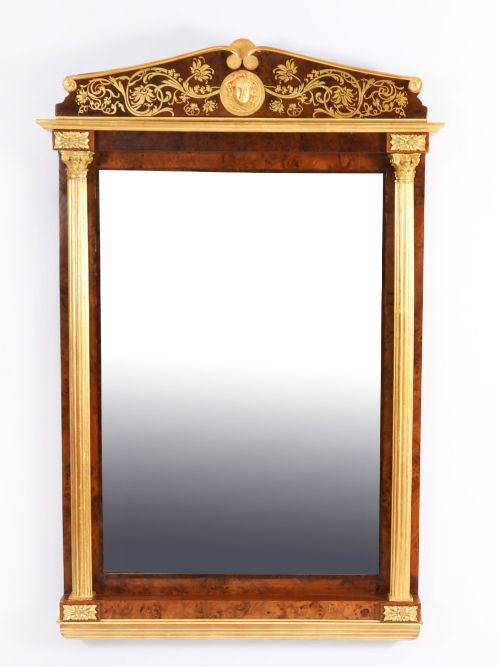
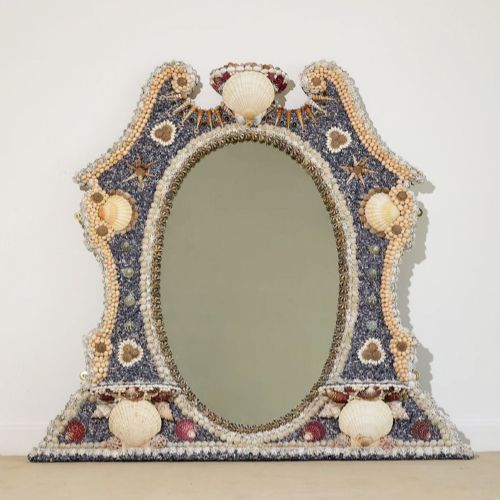
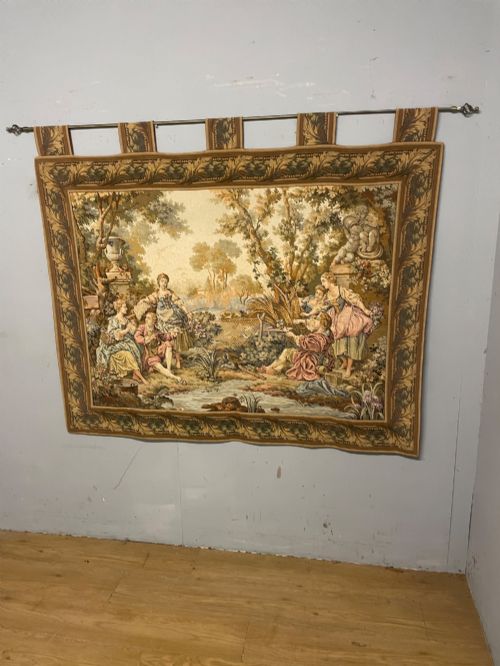
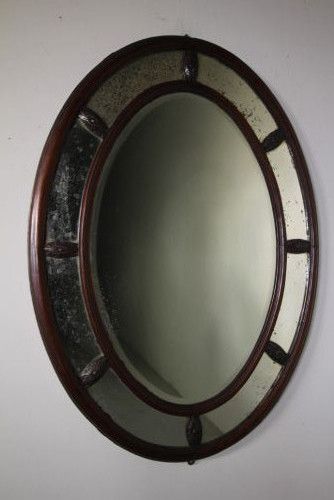
A large decorative wall frame serves as a substantial focal point in a room, encompassing mirrors, overmantels, and picture frames designed to command attention. These pieces originate predominantly from the nineteenth century, with strong representation from Victorian, Regency, and Edwardian periods, alongside continental French and Italian influences.
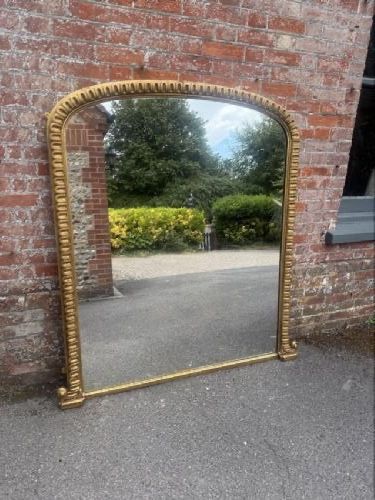
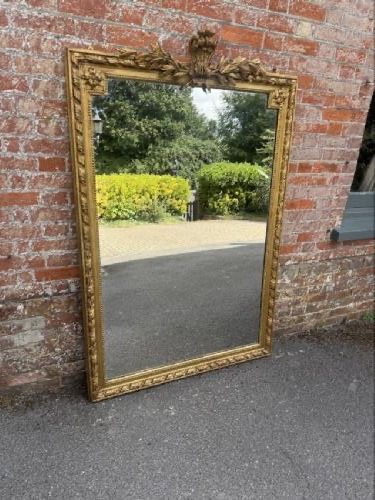
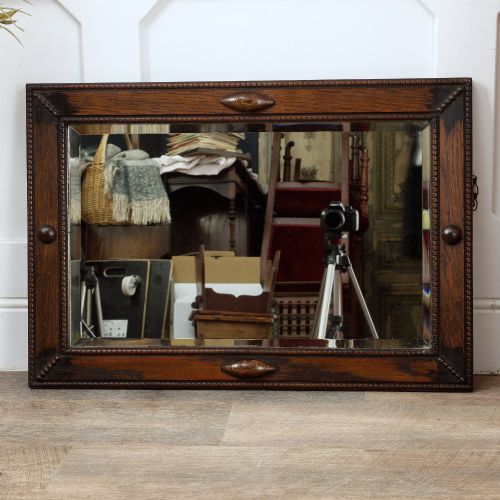
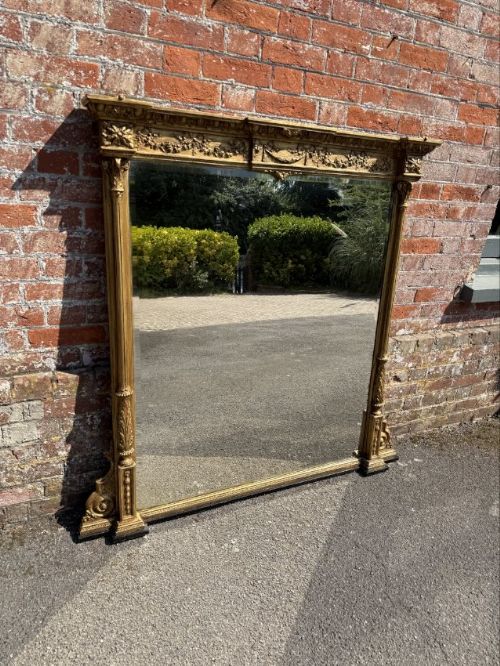
The version most commonly met on this page is the large giltwood or gesso overmantel mirror, frequently detailed with rope twists, column framing, or cushion profiles. Alternatively, buyers encounter sturdy oak or mahogany frames holding either mirrors or original art and prints.
Originating from country houses, salons, and formal drawing rooms, these frames combine structural utility with heavy ornamentation. Their scale allows them to function independently on a large expanse of wall or sit naturally above a fireplace.
Materials and Construction Techniques
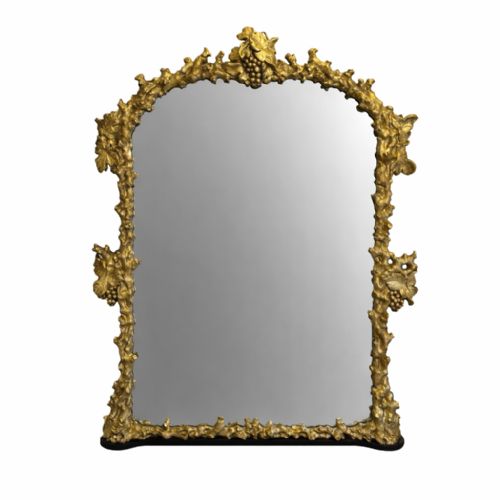
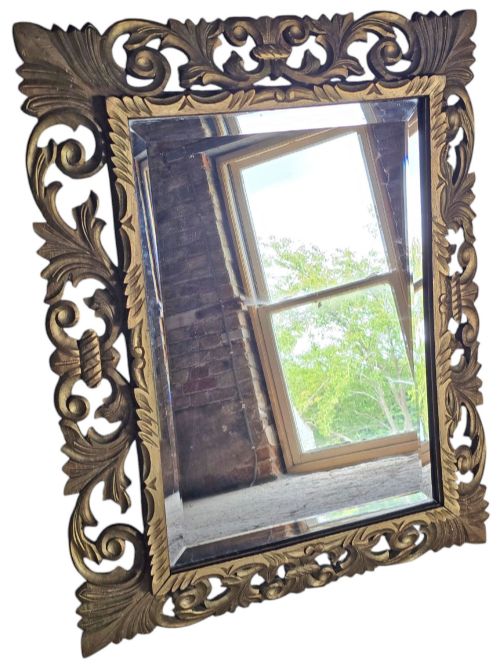
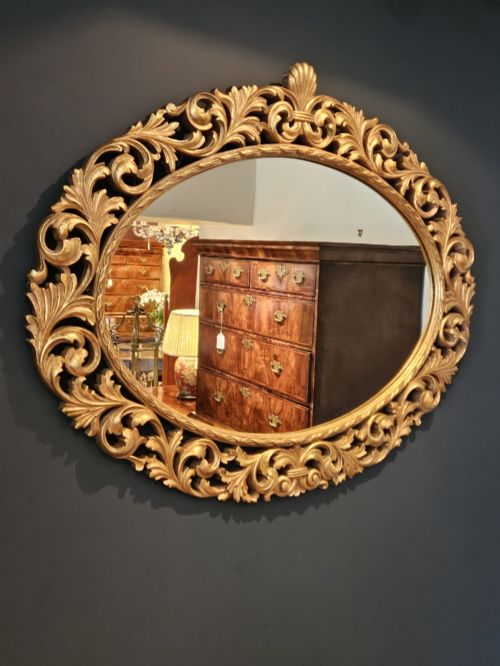
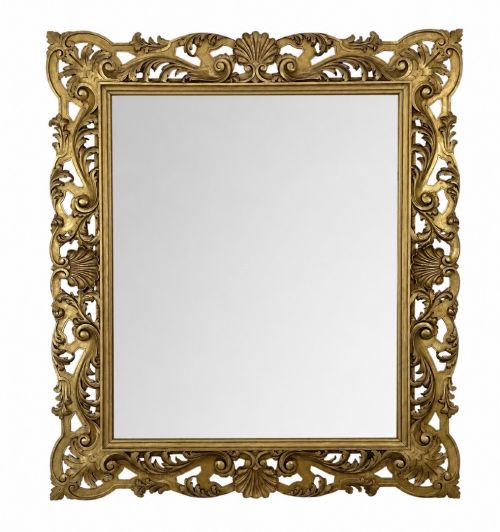
Makers built the foundational structure using timber such as oak, mahogany, or pine, often applying carved wood and moulded gesso to create high-relief ornamentation. Giltwood elements received layers of gold leaf or gilt finish, creating the bright reflective surfaces characteristic of nineteenth-century reception rooms.
Intricate detailing relied on composition, a mouldable mixture applied over carved wooden bases to achieve crisp motifs like egg and dart moulding, scrolls, and floral garlands. Joinery combined traditional corner bracing with heavy backing boards to support the substantial weight of thick glass plates and dense frames.
Several Victorian frames incorporate marine motifs like dolphins, reminding us that nineteenth-century decorators loved a splash of coastal drama.
Markers of Quality and Craftsmanship
The distinction between standard and exceptional pieces rests upon the depth and sharpness of the hand-carved elements within the wood and gesso. Superior examples maintain crisp undercut details in the moulding and smooth application of gold leaf rather than flat, uniform modern metallic paints.
Structural integrity also separates the grades, visible in the stability of heavy mitred joints and the preservation of original backing boards. High-quality mirrors often retain their original silvered glass, which may display age-related foxing while maintaining clarity.
The Large Decorative Wall Frame Glossary
- Giltwood
- Wood coated with gold leaf or a gold-coloured metallic finish. This surface treatment brings warmth and reflectivity to nineteenth-century wall pieces.
- Gesso
- A plaster-like mixture applied to a wooden base and carved or moulded into decorative relief. It provides the smooth foundation for subsequent gilding.
- Overmantel
- A large mirror or frame specifically designed to hang above a mantelpiece. These pieces frequently span considerable horizontal widths to match fireplace proportions.
- Foxing
- Brown age spots or speckling that develops within the silvering of antique mirror glass over decades. This chemical process is a natural sign of age.
- Rococo
- An ornate design style marked by asymmetry, scrollwork, and natural motifs like leaves and shells. It appears frequently on mid-nineteenth-century revival frames.
- Trumeau
- A decorative wall mirror incorporating a painted panel or artwork above the glass. Originating in French interiors, these architectural pieces fill vertical wall spaces.
Large Decorative Wall Frame: Frequently Asked Questions
How do I hang a heavy antique frame safely?
Heavy frames require secure fixing directly into wall studs or masonry using heavy-duty brackets rated for the specific weight of wood and glass. Professional installation is strongly recommended to distribute the load evenly across the wall structure.
Ensure the hanging wire or D-rings attached to the back of the frame are robust and secured into the main timber frame rather than decorative trim.
What is the difference between an overmantel and a wall mirror?
An overmantel mirror is specifically proportioned to hang horizontally above a fireplace mantelpiece, often featuring architectural columns or wider frames designed for that placement. General wall mirrors are built in various shapes and sizes for placement across any room.
Both serve similar decorative functions, but overmantels traditionally anchor the chimney breast in formal reception rooms.
How should I clean a gilded frame?
Dust gilded frames gently with a dry, soft brush or a clean microfiber cloth to prevent disturbing delicate gesso or gold leaf layers. Avoid liquid cleaners, chemical solvents, or water, as moisture strips nineteenth-century gilding.
Professional conservation is advised if the surface exhibits active flaking or requires deeper restoration.
Are antique mirror plates always original?
Many surviving pieces retain their original glass, which often exhibits light foxing, minor warping, or small imperfections characteristic of older manufacturing methods. Some pieces have undergone glass replacement over time to restore clear reflectivity.
Listings generally note whether the glass plate is period-original or a later replacement.