

Large Decorative Gilt Mirror
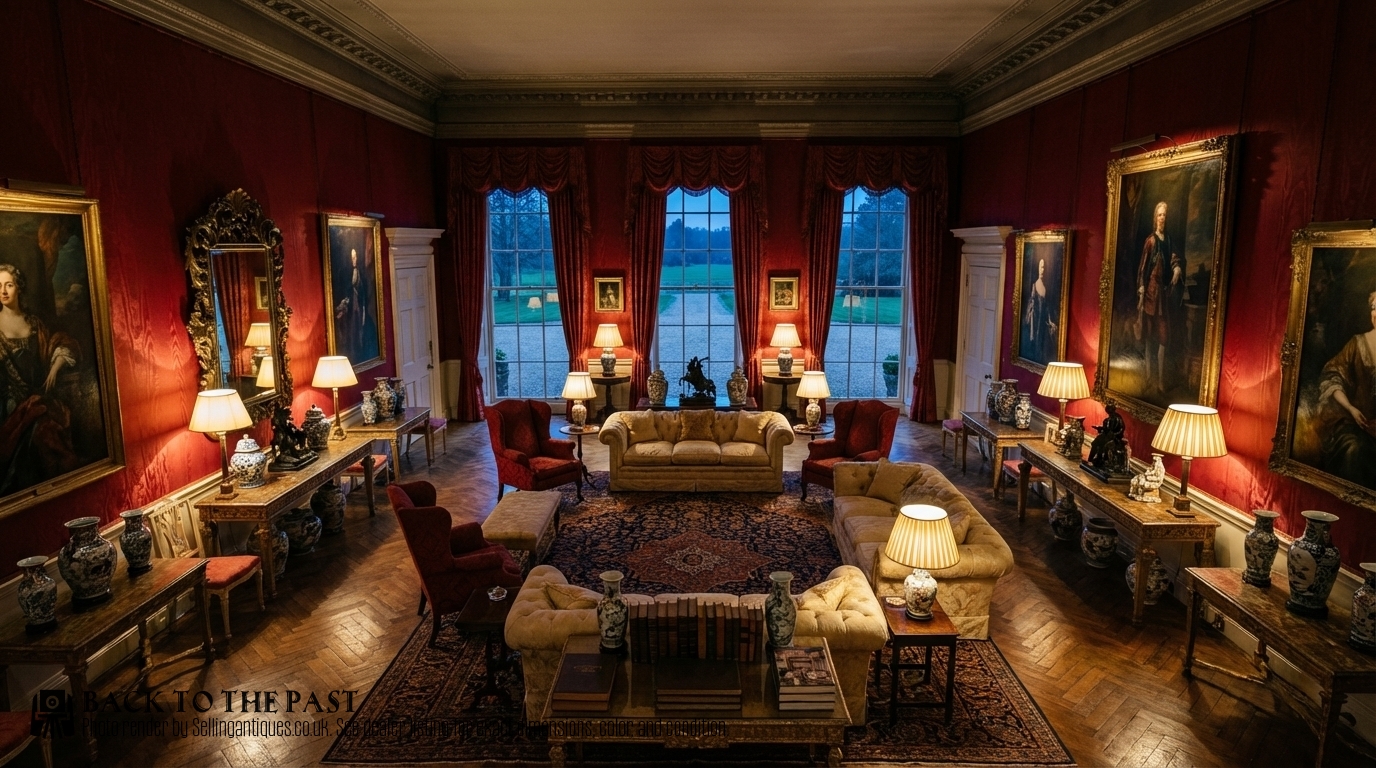
A large decorative gilt mirror brings monumental scale, warm metallic reflection and theatrical presence to a room.
Large Decorative Gilt Mirror
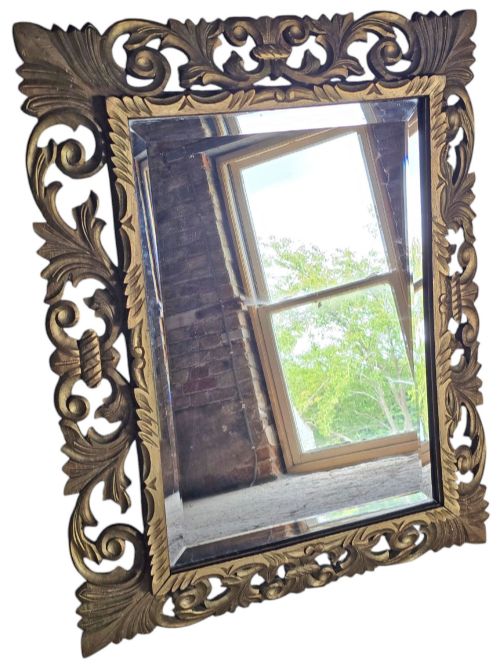
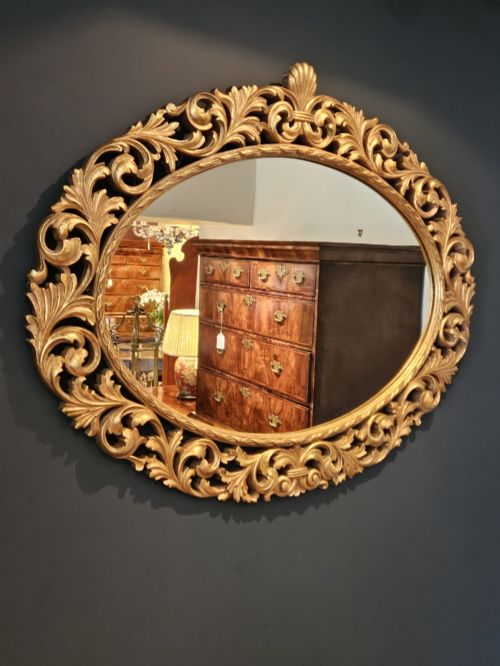
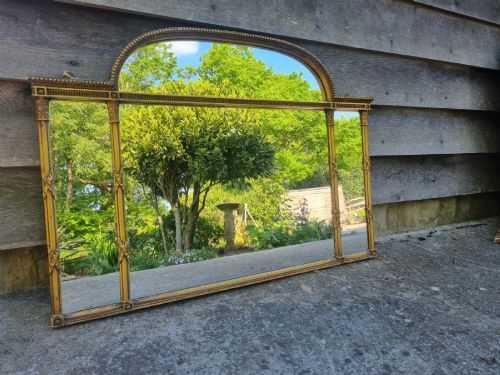
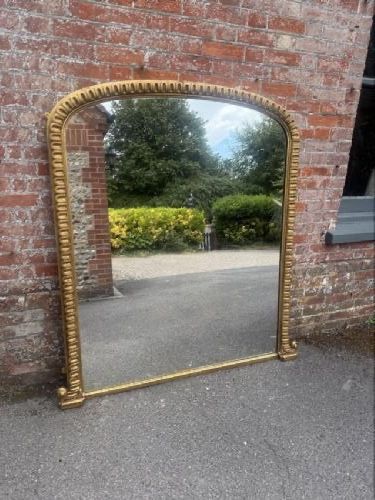
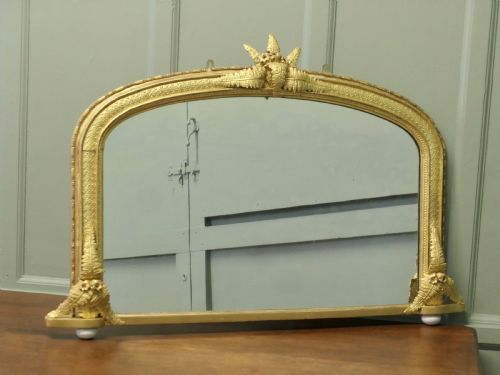
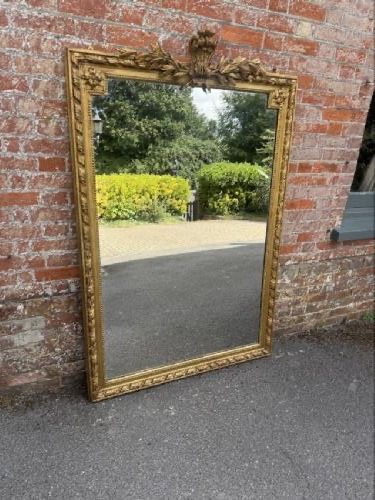
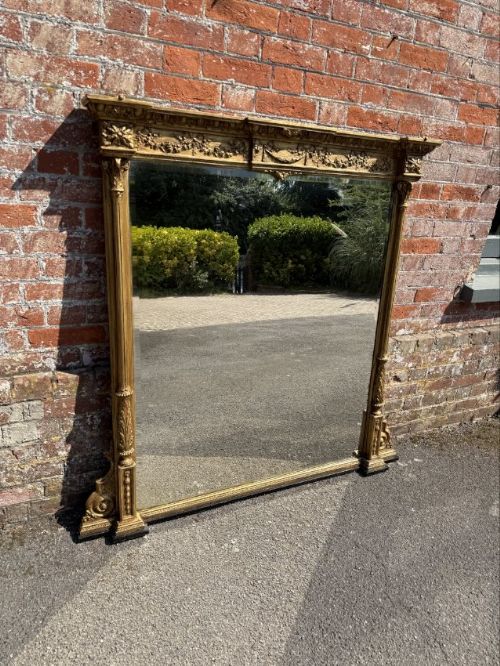
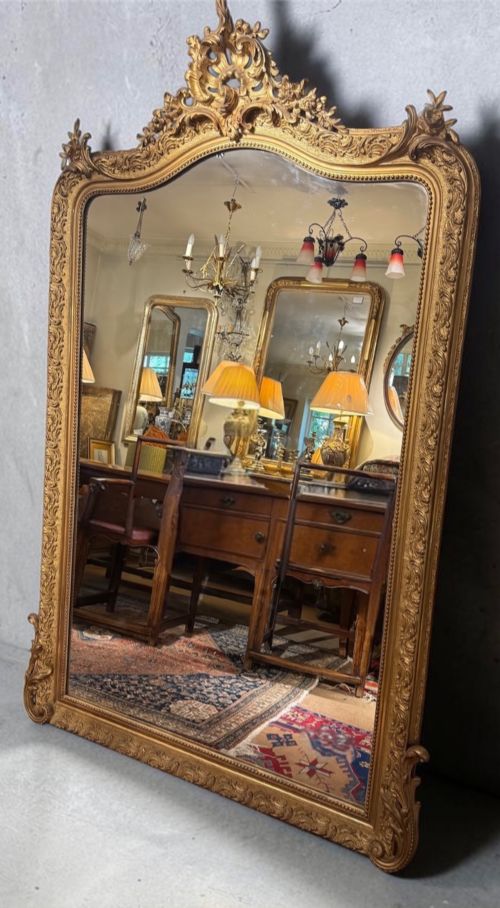
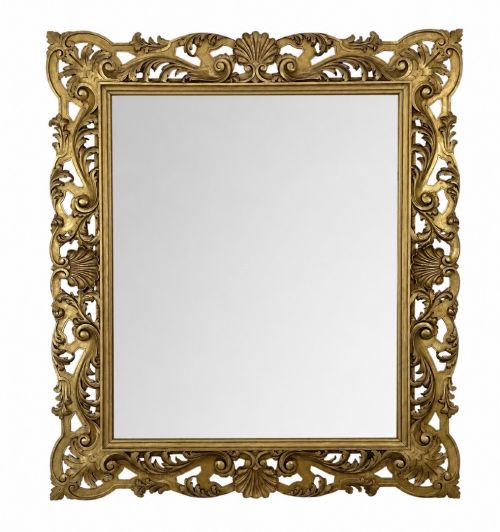
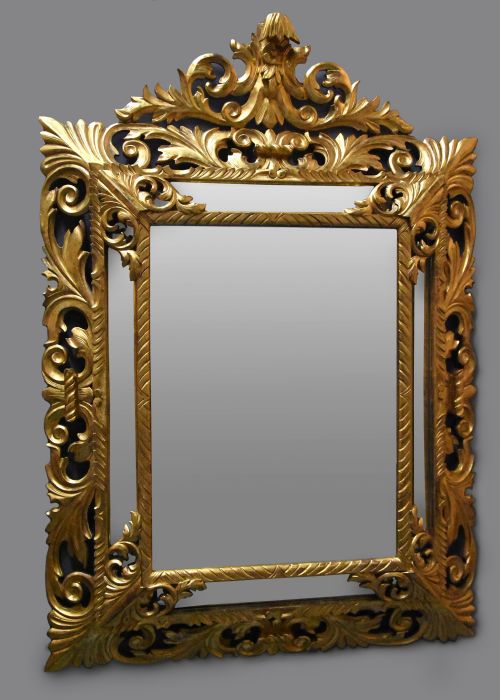
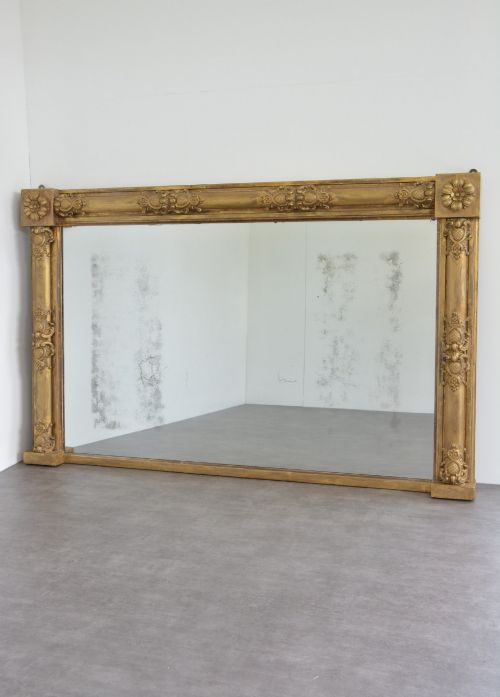
A large decorative gilt mirror typically manifests as an overmantel, wall hanging or pier glass designed to command a principal reception room. The selection spans nineteenth-century English and French examples, incorporating styles from Regency restraint to exuberant Rococo Revival and Louis XVI symmetry. Buyers encounter architectural arched tops, cushion frames and elaborate cartouches created to reflect light and expand spatial perception.
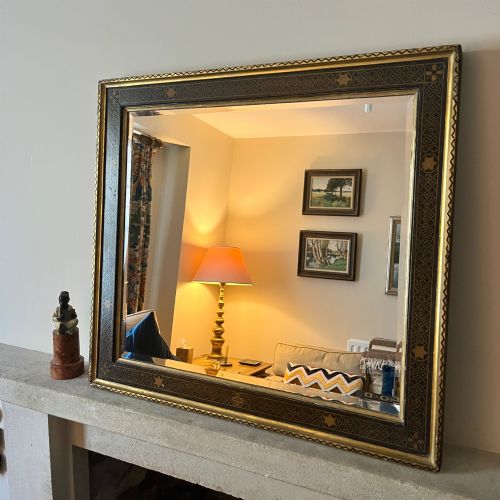
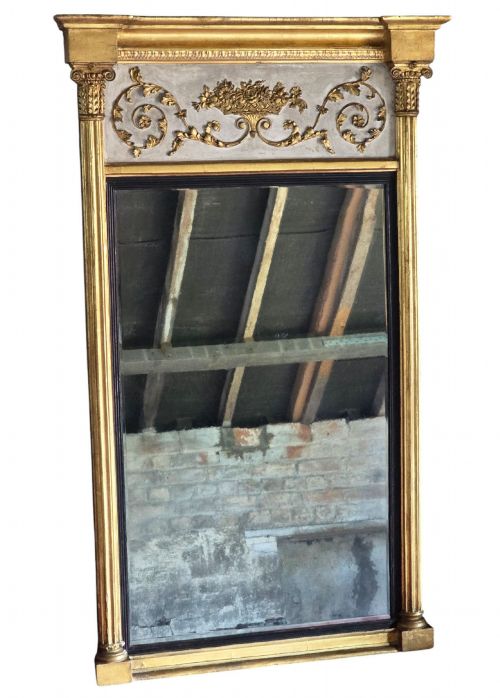
Overmantel mirrors dominate the surviving examples, shaped specifically to hang above a fireplace mantelpiece with horizontal proportions. Vertical wall mirrors, dressing mirrors and oval border glasses with urn and swag motifs also appear frequently across the period. French chateau and Florentine influences introduce carved wood and gesso ornamentation ranging from rope twists to floral garlands.
Materials and Construction
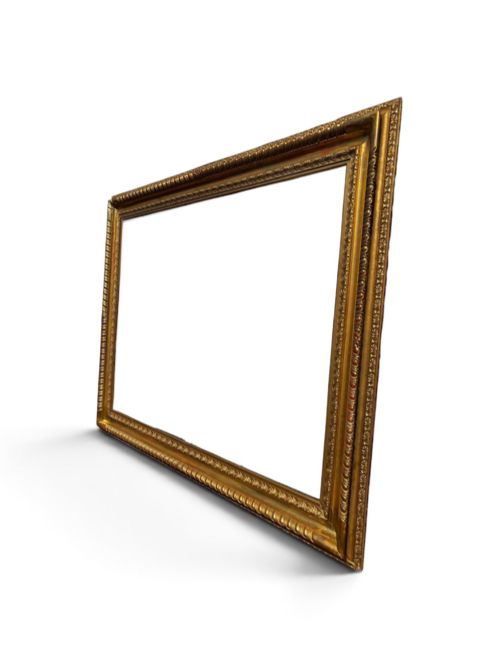
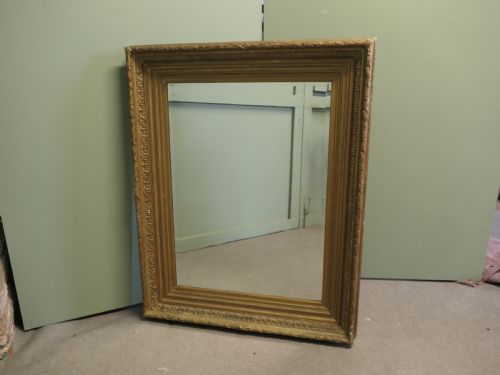
Carved timber carcases form the structural foundation of these frames, overlaid with gesso to build up intricate surface relief before gilding. Artisans applied gold leaf, composition or paint to the prepared mouldings, frequently combining parcel gilt finishes with ebonised slips or painted details.
Reflective surfaces consist of heavy plate glass, occasionally retaining original characteristics such as light foxing or subtle silvering degradation. Frames utilise traditional joinery combined with moulded plaster and composition ornaments pinned or glued to the underlying wooden structure.
French marriage mirrors carried symbolic bridal motifs like lovebirds and floral knots into the home, designed to bless a newlywed household.
Assessing Quality
Depth and crispness of the carving distinguish superior examples from standard production, particularly where hand-carved wood outshines moulded composition ornament. The handling of the gesso layer determines how sharply the acanthus leaves, scrolls and floral motifs retain their original definition beneath centuries of gold leaf.
The integrity of the gilding surface dictates collector interest, with original gold leaf or silver gilt showing authentic ageing superior to unsympathetic later repainting. Proportional harmony between the frame width, mirror plate dimensions and decorative crestings separates masterworks from utilitarian looking-glasses.
The Large Decorative Gilt Mirror Glossary
- Giltwood
- Timber that has been prepared and coated with gold leaf. This finish produces a warm, luminous metallic sheen that ages with a characteristic soft patina.
- Gesso
- A plaster-like mixture applied to wooden frame foundations to create a smooth surface for carving and gilding. It allows for intricate relief ornamentation.
- Overmantel mirror
- A wide looking-glass specifically engineered to hang above a fireplace mantel. These pieces often feature architectural symmetry and landscape proportions.
- Trumeau mirror
- An internal wall mirror combined with a decorative painted panel or carving above the glass plate. This form originates from eighteenth and nineteenth-century French interior design.
- Foxing
- Age-related spots and discoloration appearing within the silvered backing of antique glass. This chemical oxidation creates characteristic dark or misty patches across the reflection.
- Cartouche
- An ornamental frame resembling a scroll or rolled-up piece of paper, frequently placed centrally on the cresting of a mirror. It often contains heraldic or floral carving.
Large Decorative Gilt Mirror: Frequently Asked Questions
How do I hang a heavy overmantel mirror safely?
Substantial frames require professional wall fixings secured directly into masonry or structural studs rather than standard plasterboard. The weight must be distributed evenly using heavy-duty mirror plates or steel brackets screwed into the wooden frame backing.
Professional installers ensure the lower edge rests securely on the mantelpiece or support batten to share the load. This prevents the hanging wire or rings from taking the full strain over time.
What is the difference between an overmantel and a pier mirror?
Overmantel mirrors are traditionally built with horizontal emphasis to span the width of a fireplace breast. They were designed to sit directly above the mantelpiece and interact with the hearth below.
Pier mirrors feature vertical proportions designed specifically to hang on the narrow wall space between windows. Their tall, narrow format maximises natural light reflection in Victorian and Regency reception rooms.
How should I clean antique giltwood frames?
Dusting requires only a very soft, dry artist's brush or feather duster to remove particles from delicate gesso and carved crevices. Moisture and modern chemical cleaning agents will dissolve old water-gilding and strip the gold leaf.
Professional conservators should handle any stubborn grime or structural flaking on nineteenth-century surfaces. Aggressive wiping risks permanent damage to the underlying gesso preparation.
How can I tell a nineteenth-century gilt mirror from a modern reproduction?
Nineteenth-century pieces show authentic signs of age in the timber shrinkage, hand-applied gesso cracking, and wear to the gold leaf on high-touch areas. The mirror glass frequently exhibits minor imperfections, distortion or light foxing absent in modern float glass.
Backboards on older mirrors typically consist of wide, hand-sawn timber planks secured with period hand-cut or early machine-made screws. Modern reproductions often use plywood or uniform modern fixings.