
Vintage French Chateau Mirror
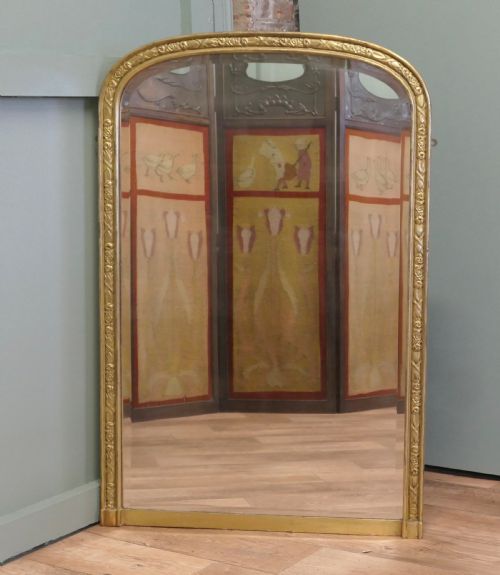
A vintage french chateau mirror brings grand proportions and reflective light into a room, offering the decorative presence of historic European interiors.
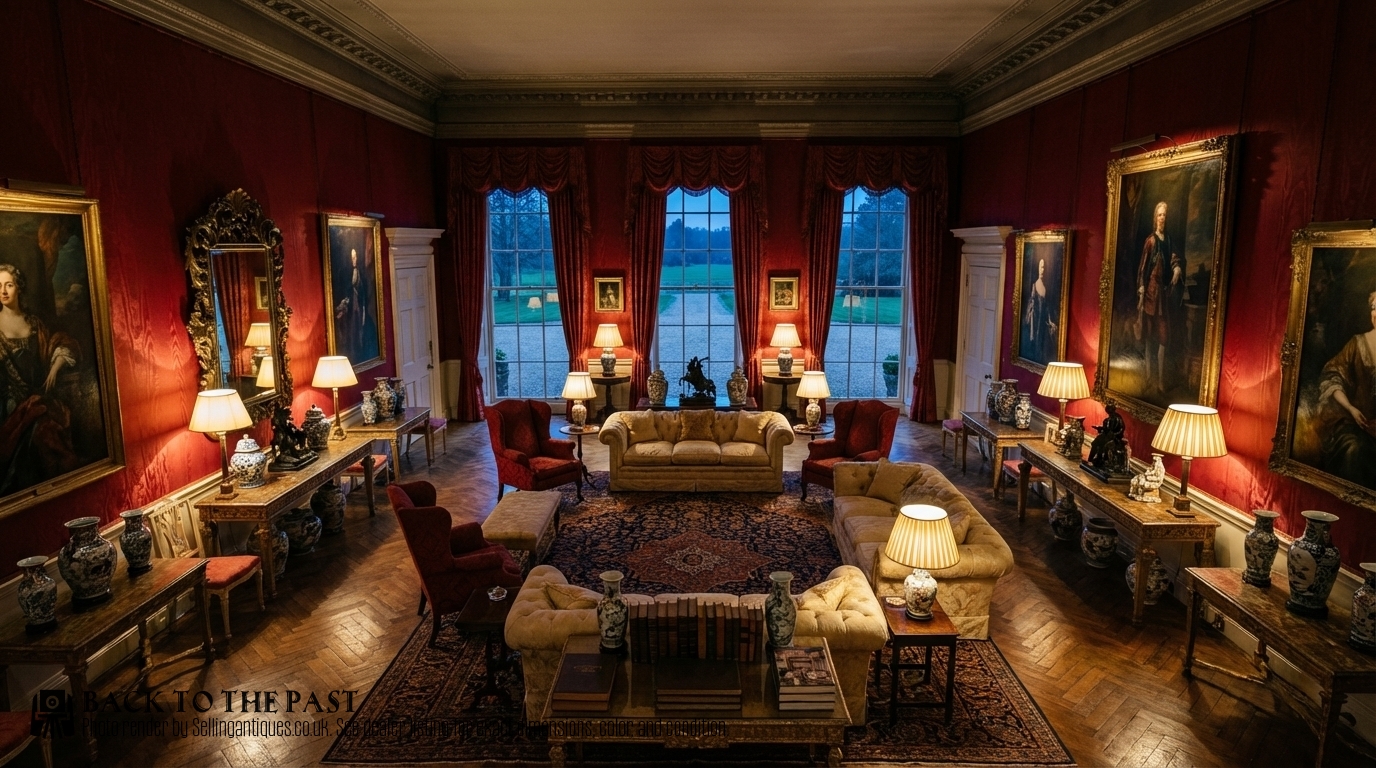
Vintage French Chateau Mirror
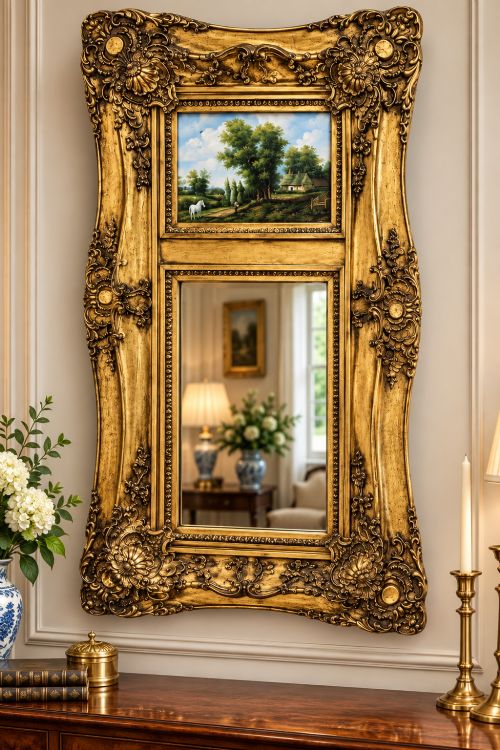
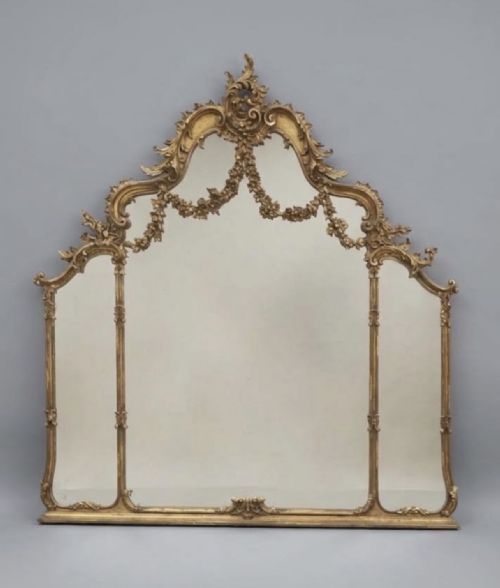
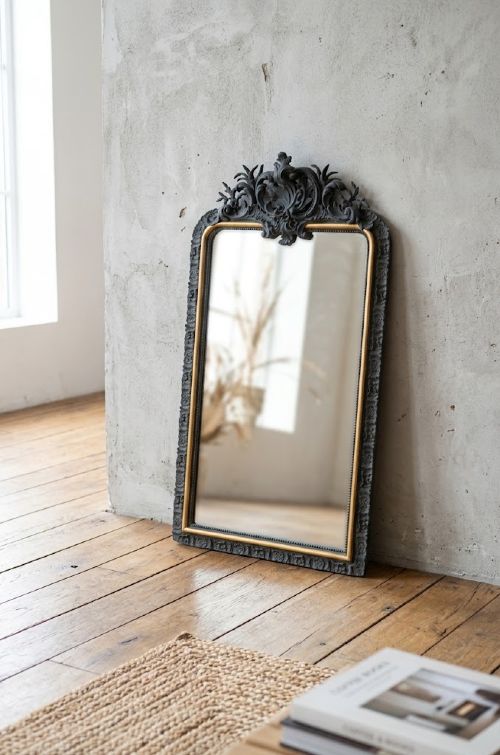
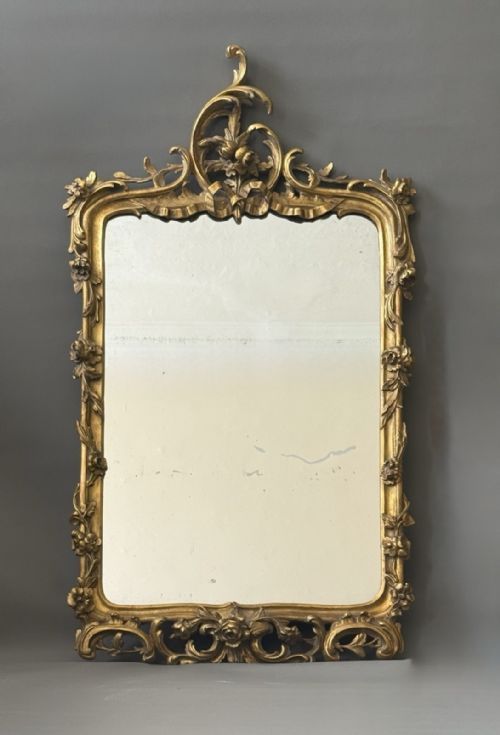
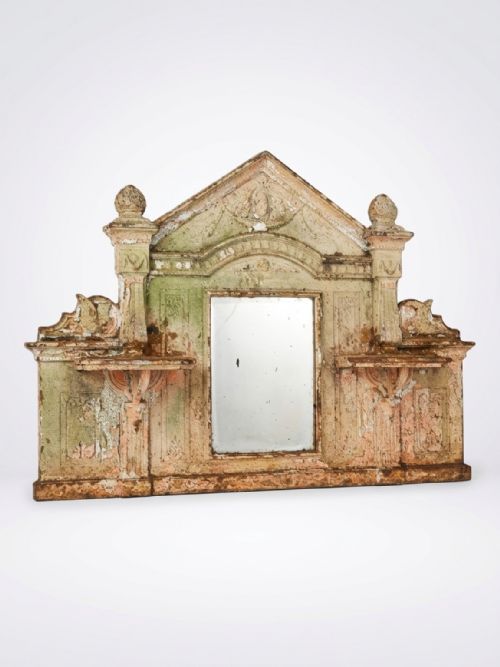
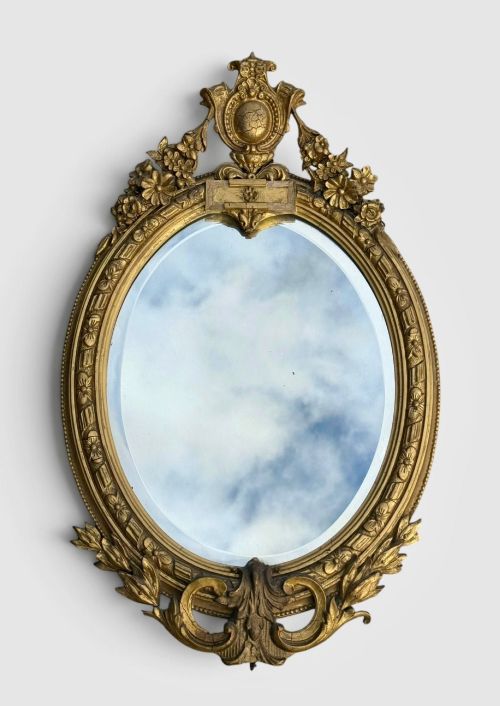
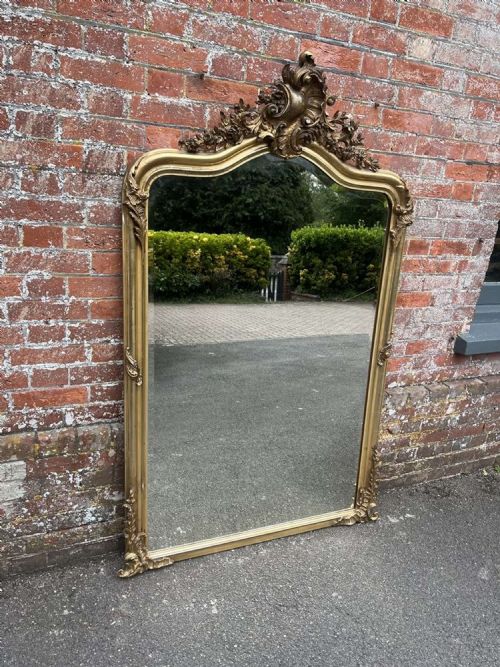
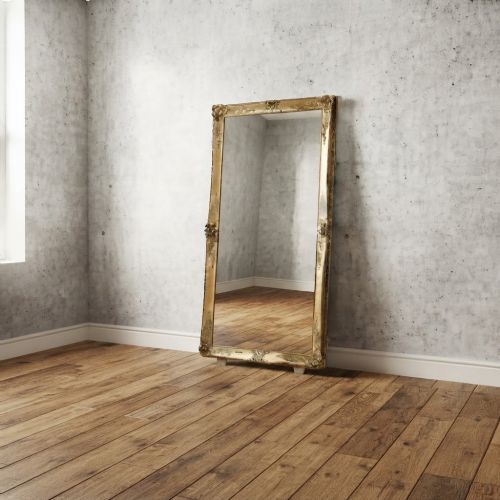
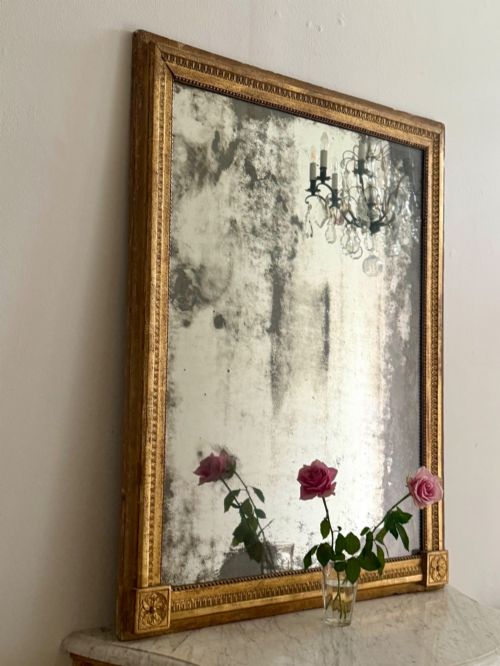
A vintage french chateau mirror encompasses large wall-hanging formats, overmantels, and full-length leaner pieces designed to command a room. The selections on this page draw predominantly from nineteenth-century examples alongside early twentieth-century interpretations.
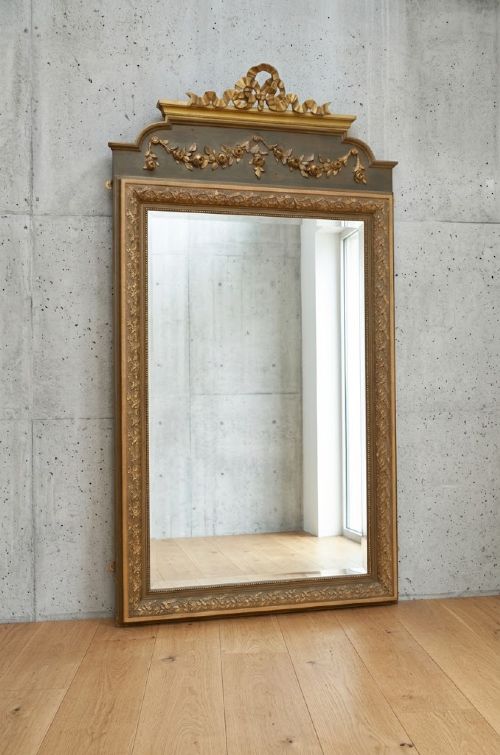
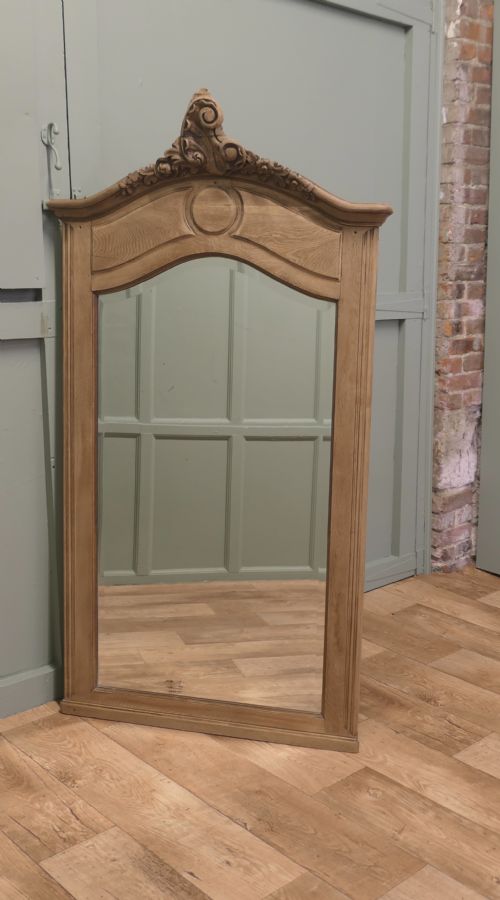
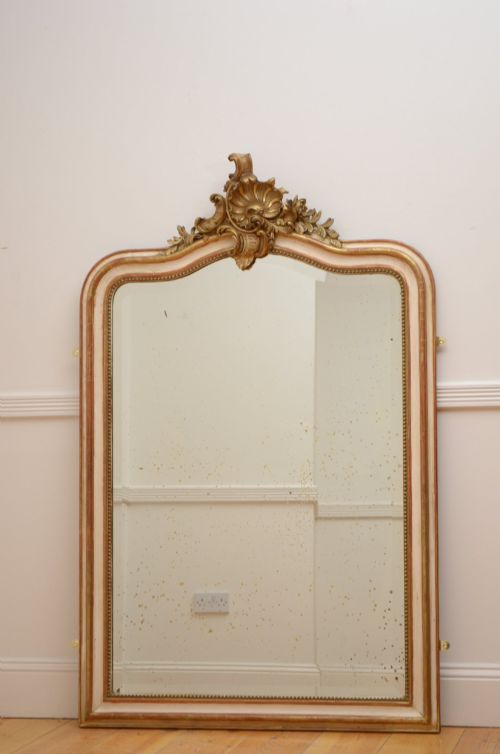
Makers shaped these plates into tall rectangular frames, arched tops, and ornate crests influenced by rococo and neoclassical styles. Buyers encounter both gilded wooden structures and painted finishes intended for formal drawing rooms and bedrooms.
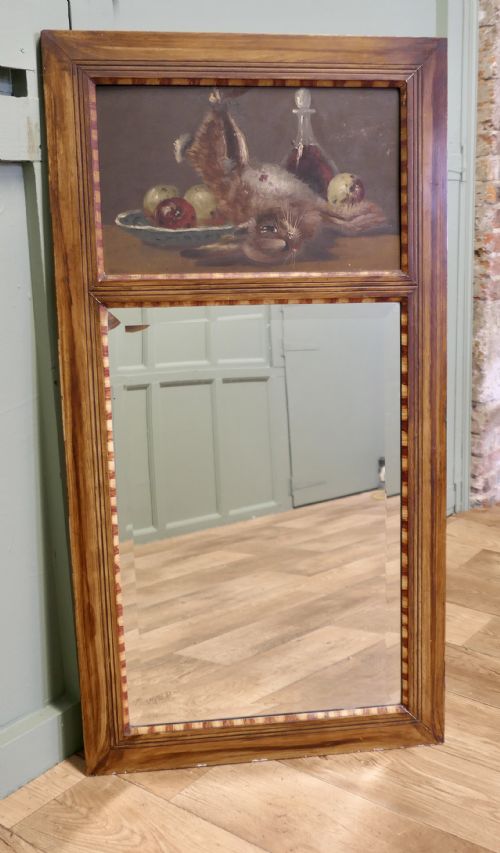
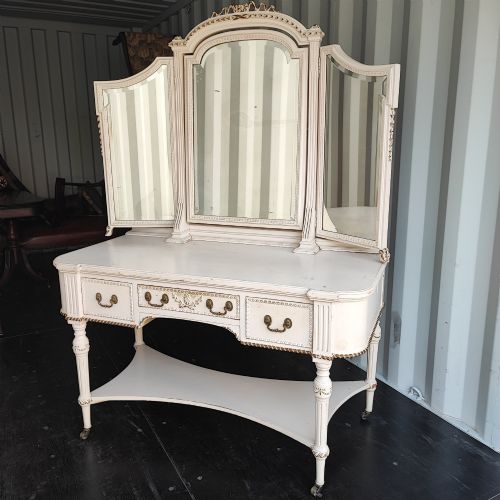
The inventory extends across pier mirrors, trumeau panels, and smaller dressing table glass, maintaining a consistent connection to French chateau aesthetics. These objects serve as architectural focal points rather than simple accessories.
Materials and Construction
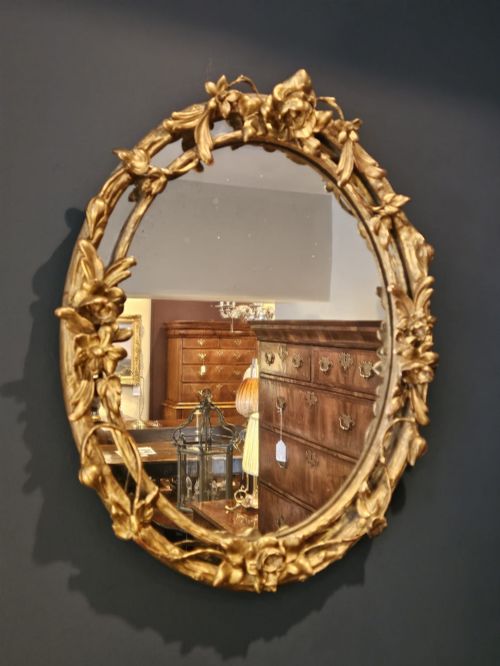
Carved wood provides the primary armature for these frames, often built from timber, bleached oak, or walnut before receiving decorative surface treatments. Artisans applied layers of gesso over the wooden base to build up intricate scrollwork, floral motifs, and ribbon crests.
Gilding techniques utilised gold leaf or metal leaf applied to the prepared surfaces, while other pieces received painted finishes in olive green, cream, or monochrome tones. Original glass plates, including mercury silvered variations, were set into the carved rebates behind secured wooden backs.
Listings feature frames finished in gold leaf, giltwood, painted wood, and parcel gilt across the nineteenth and early twentieth centuries.
Distinctions in Execution and Preservation
The depth and crispness of the hand-carved gesso and wood ornamentation dictate the visual strength of the frame. Superior examples display sharply defined relief work where scrolls and floral details retain their original modelling without softening.
The condition of the reflective plate contributes significantly to the character of the piece, with genuine period foxing and original mercury glass commanding distinct appreciation from collectors who value authentic age over modern clarity.
Maples of London and Paris
The Vintage French Chateau Mirror Glossary
- Trumeau
- A decorative wall mirror paired with a painted or carved panel above the glass, commonly fitted into period drawing rooms. These pieces integrate architectural woodwork with reflective surfaces.
- Gesso
- A plaster-like mixture applied to wooden frames and carved to create relief ornament before gilding or painting. This material allows for intricate scrollwork and moulded details.
- Mercury Plate
- An antique mirror glass manufactured using a tin and mercury amalgam before the invention of modern silvering techniques. It produces a distinctive speckled reflection known as foxing.
- Overmantel
- A large horizontal mirror designed specifically to hang above a fireplace mantelpiece. Proportions match the width of standard hearths.
- Pier Mirror
- A tall, narrow mirror created to hang on the wall space between two windows. These pieces maximise natural light in period rooms.
Vintage French Chateau Mirror: Frequently Asked Questions
Where should I hang a large chateau mirror?
These large mirrors function effectively above fireplaces, along primary hallway walls, or leaned directly against the floor in reception rooms. Their scale allows them to anchor a room and amplify natural light.
Ensure the wall structure supports substantial weight, particularly with nineteenth-century giltwood and gesso frames. Professional fixing hardware provides secure installation for heavier wall-hanging pieces.
What is foxed glass?
Foxed glass refers to the natural oxidation and dark spots that develop behind antique mirror plates over decades of exposure. This weathering creates a soft, mottled reflection characteristic of age.
Collectors prize genuine foxing as an indicator of period authenticity rather than a defect. It distinguishes historic mercury plates from modern replacement glass.
How do I identify a nineteenth-century French mirror?
Nineteenth-century examples typically feature hand-carved wood and gesso frames, often exhibiting rococo revival or louis philippe styling. Construction details on the reverse, such as old pine backboards and hand-cut fixings, confirm the age.
Look for the characteristic weight of solid timber frames and traditional gilding applications. The style vocabulary spans neoclassical restraint to ornate floral crests.
Are these mirrors heavy?
Substantial wooden foundations combined with thick glass plates make these frames considerably heavy. The inclusion of heavy gesso and metallic leaf adds further weight to the overall object.
Wall-hanging versions require secure brackets fixed directly into studs or masonry. Leaner formats rely on heavy-duty floor supports and wall tethers for safety.