


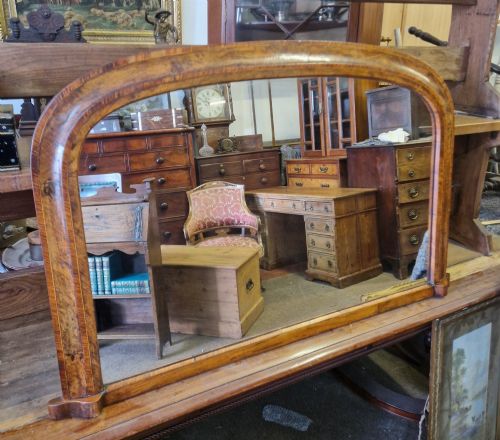
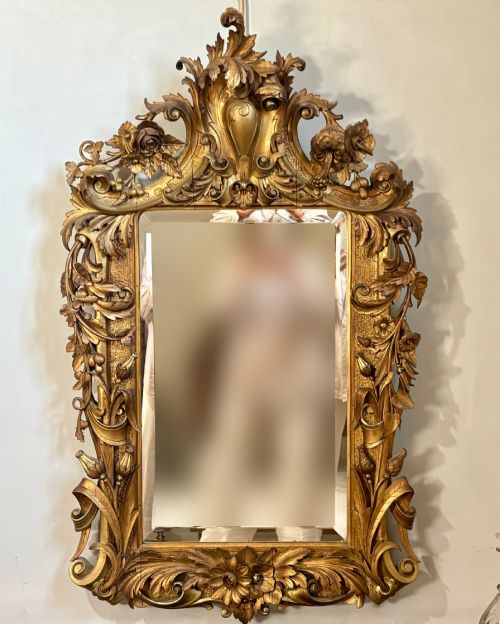
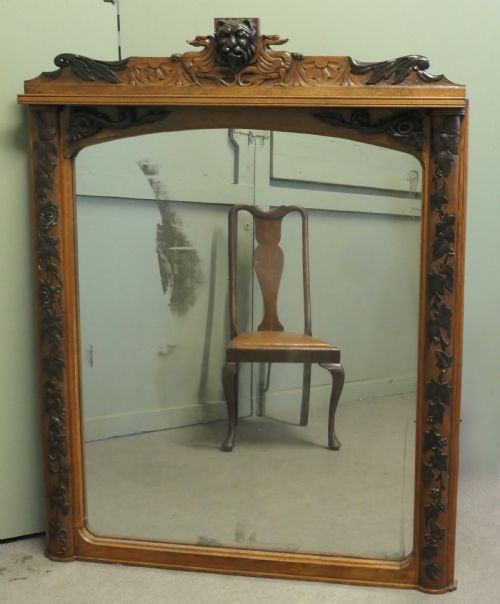
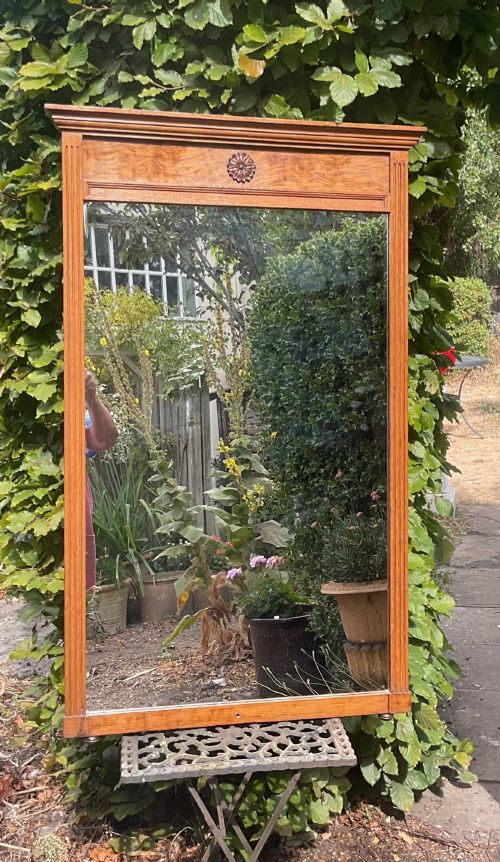


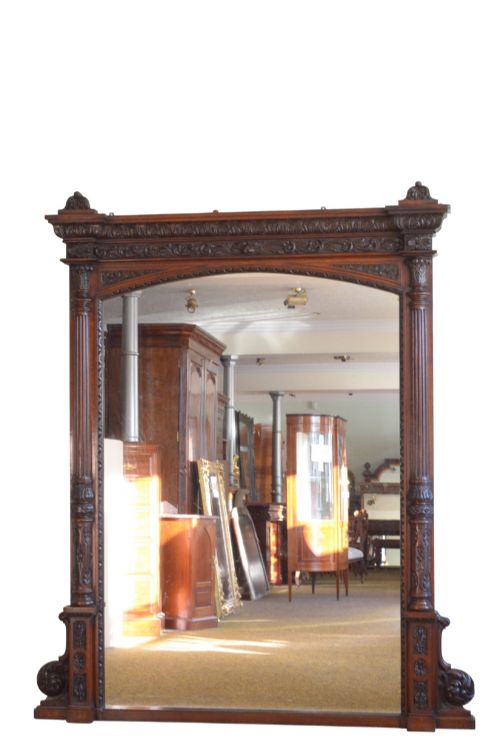
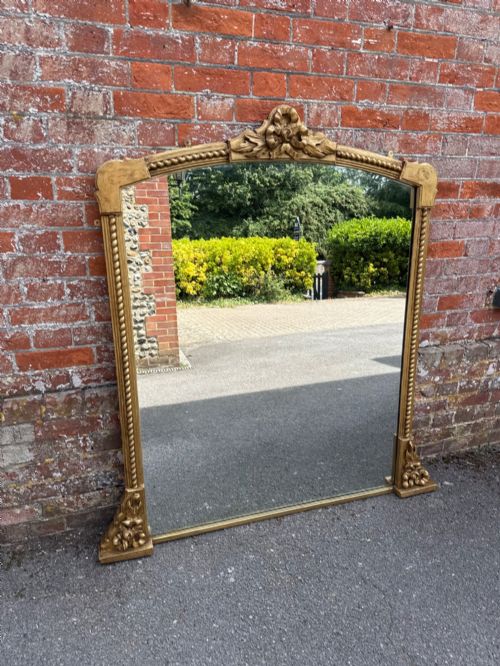
Edwardian Carved Overmantel Mirror
An edwardian carved overmantel mirror brings architectural weight and reflected light to a fireplace, anchored by period timber and gilt surfaces.
Edwardian Carved Overmantel Mirror
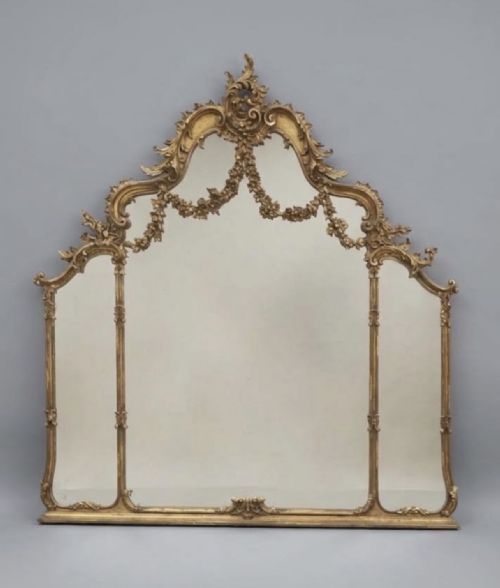
An edwardian carved overmantel mirror is a substantial wall glass designed to sit directly above a mantelpiece, often spanning the full width of the hearth. These pieces anchor principal reception rooms, combining decorative woodwork with practical reflective glass. The selections seen here span the Edwardian era as well as Victorian and early twentieth-century periods.
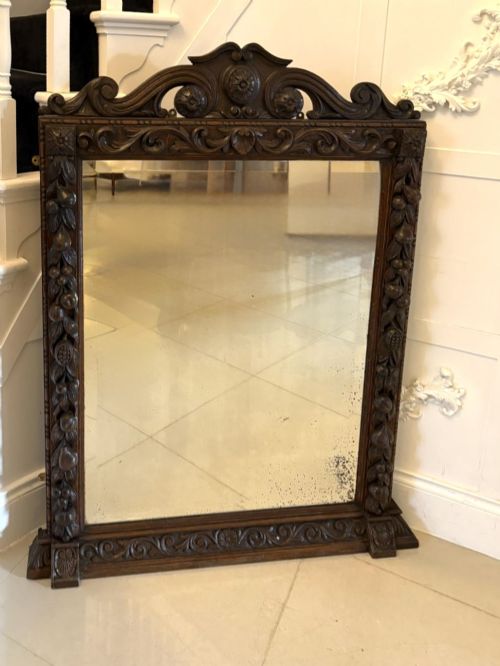
Most examples appear in rectangular or arched formats, frequently built from solid timber or finished with intricate giltwood and gesso ornamentation. Alongside dedicated overmantel mirrors, related wall mirrors and pier glasses share similar proportions and framing techniques. Walnut, oak, and rosewood frequently form the underlying structure of these domestic fixtures.
Materials and Construction
Frames are constructed from foundational woods such as oak, mahogany, walnut, and rosewood, providing structural rigidity for large glass plates. Carved details often incorporate applied gesso and composition mouldings to build up relief ornamentation before gilding. Gold leaf or metallic paint finishes are then applied to the prepared surfaces to catch the light.
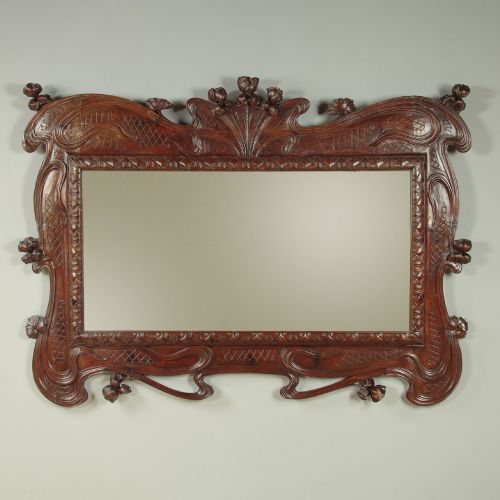
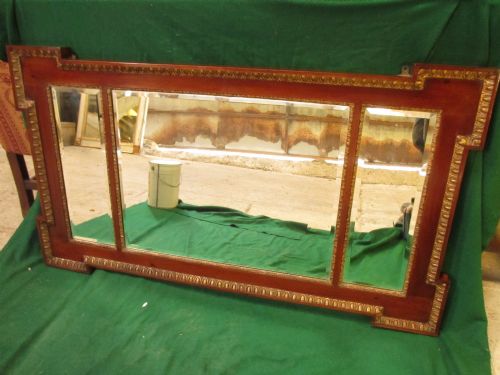
Glass plates are bedded into the wooden rebates behind the frames, sometimes utilising multiple plates in triple configurations. Marquetry inlay, floral motifs like tulip or laurel leaf carvings, and painted panels occasionally complement the primary timber structure.
One unexpected Edwardian mirror pairs its heavy walnut frame with an equestrian oil painting tucked neatly into the upper glass panel.
Assessing Craftsmanship and Detail
Quality rests upon the depth and crispness of the hand-carved woodwork, where deeply undercut foliage and balanced proportions distinguish finer pieces from simpler production. The integrity of the original gesso and the warmth of the gilding layer dictate the visual richness of the frame.
The weight of the solid timber and the clarity of the mirror glass contribute significantly to the overall substance of the piece. Structural joinery at the corners and the retention of original backing boards indicate higher standards of period workshop assembly.
Liberty & Co
The Edwardian Carved Overmantel Mirror Glossary
- Overmantel mirror
- A large wall mirror specifically proportioned to hang on the chimney breast directly above a fireplace mantel.
- Gesso
- A plaster-like mixture applied to wood frames and carved into decorative relief before applying gold leaf or paint.
- Giltwood
- Timber that has been coated in gold leaf or gold paint to create a luminous decorative surface.
- Pier glass
- A tall mirror traditionally hung on the narrow section of wall between two windows, often reflecting light into the room.
- Composition
- A moulded mixture of whiting, resin, and oil pressed into decorative ornaments for furniture and mirror frames.
Edwardian Carved Overmantel Mirror: Frequently Asked Questions
Where should an overmantel mirror be hung?
These mirrors are traditionally positioned centrally on the chimney breast immediately above the fireplace mantel. Their scale is specifically chosen to complement the width of the hearth below.
Securing the piece directly into structural wall studs is essential due to the combined weight of the heavy timber frame and thick glass plate.
How do I distinguish Edwardian mirrors from Victorian ones?
Edwardian examples often display lighter wood tones, such as blonde oak, alongside refined revival styles like Adam or Chinese Chippendale. Victorian pieces tend to feature heavier proportions, darker walnut or mahogany timbers, and more exuberant Rococo revival ornamentation.
Examining the underlying construction methods and secondary woods helps confirm the likely manufacturing period.
Were these mirrors always fixed to the wall?
Most overmantel mirrors were designed to be hung securely from sturdy wall brackets rather than resting unsupported on the shelf. Their substantial weight required robust hanging hardware fixed into the masonry or timber framing of the chimney breast.
Some smaller forms, such as dressing mirrors or pier glasses, sat upon furniture surfaces or narrower wall spaces.
Can I clean the original giltwood frame safely?
Original giltwood and gesso surfaces require gentle dusting with a soft, dry brush to prevent damage to the delicate metallic leaf. Moisture and harsh cleaning agents should be kept away from the gilding and composition ornaments entirely.
Glass plates can be cleaned with standard glass cleaner applied sparingly to a cloth rather than sprayed directly onto the frame.