


Dark Wood Mantel Mirror
A dark wood mantel mirror anchors a room with deep timber tones and glass that has watched generations pass.
Dark Wood Mantel Mirror
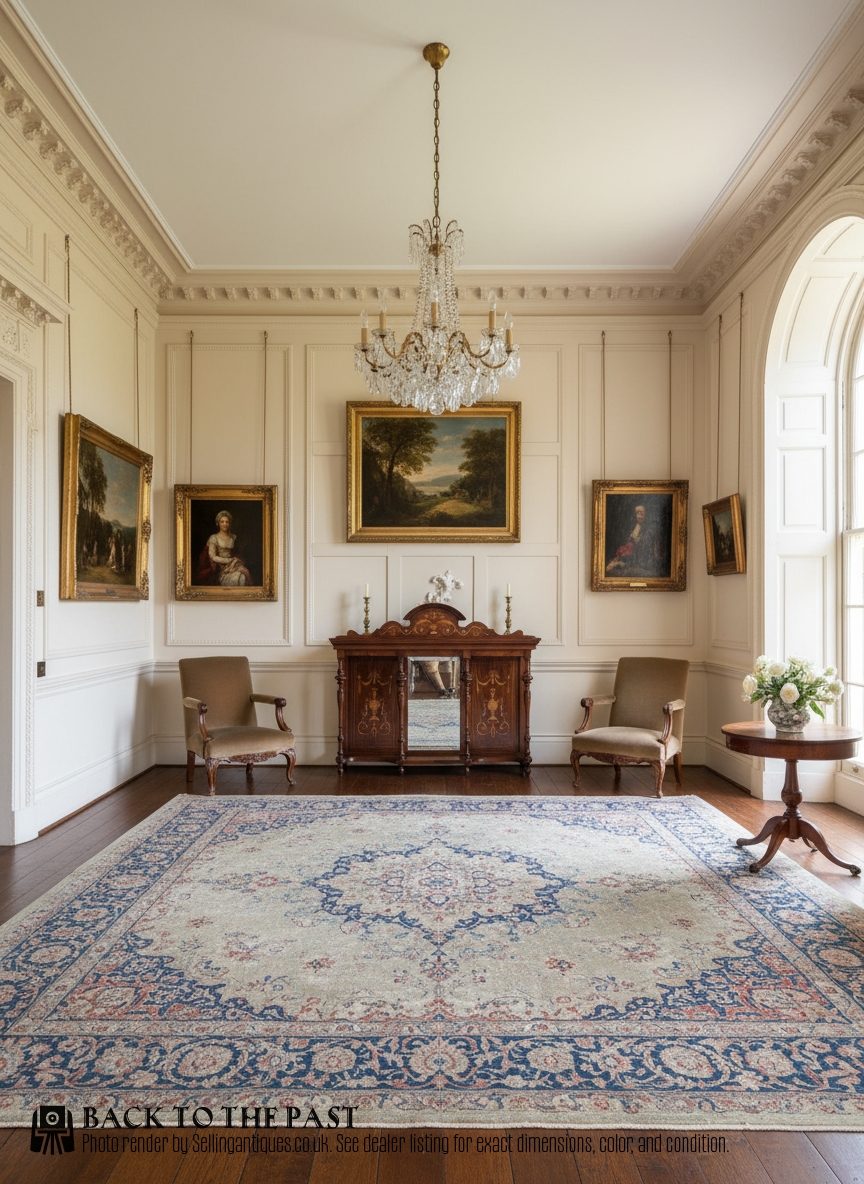
A dark wood mantel mirror is built to sit above a fireplace hearth, though many find a second life hung directly on a principal wall. You will encounter these mostly from the nineteenth century and the Edwardian era, spanning styles from austere Regency lines to exuberant Victorian revivals.
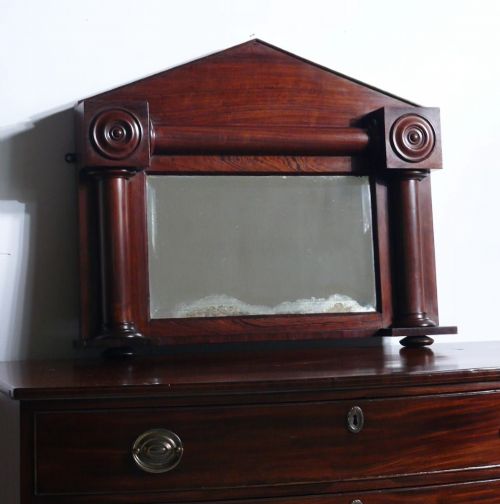
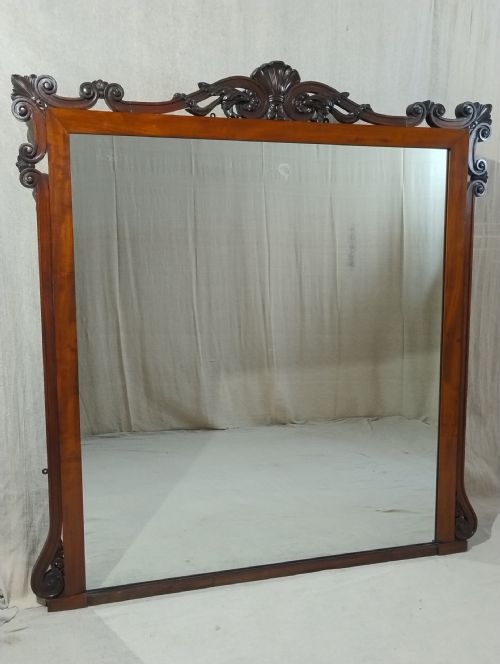
The format shifts between landscape overmantels designed to stretch across a chimney breast and taller pier mirrors intended for narrow wall spaces between windows. Oak, mahogany, and rosewood dominate the frames, occasionally touched with gilt or marquetry inlay.
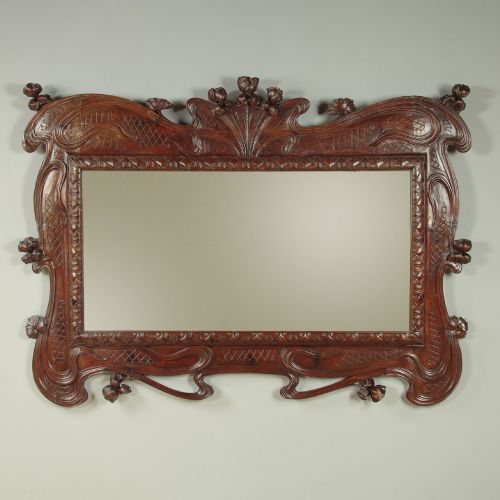
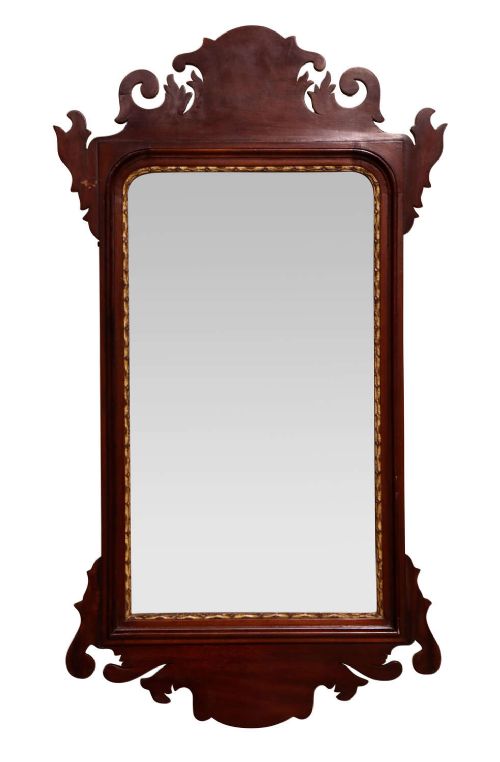
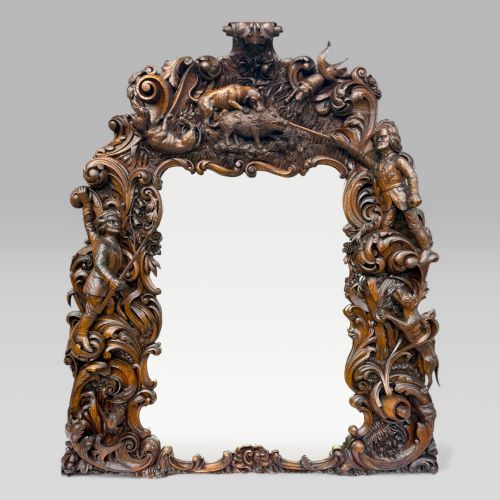
Makers drew on historical vocabularies, producing Chippendale fretwork, heavy oak hunting lodge carvings, and flowing Art Nouveau curves. The resulting glass reflects both its original domestic setting and the changing tastes of cabinetmakers over the decades.
How they were made
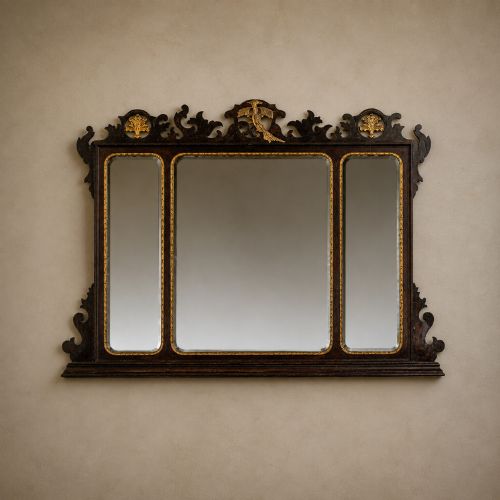
Cabinetmakers constructed these frames using dense hardwoods like mahogany, oak, and rosewood, often applying veneers over a secondary timber base. Joinery relied on traditional mortise and tenon methods, while intricate details like fretwork panels or carved cresting birds were worked by hand.
Surfaces received French polish or wax to feed the grain and bring out the deep reddish or brown tones of the wood. Gilding appeared in sparer amounts, adding parcel-gilt highlights to carved arches or moulding edges rather than covering the piece entirely.
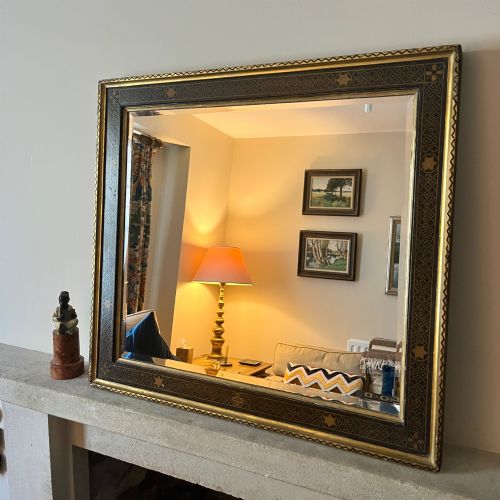
Mirror plates were bevelled or flat depending on the period, held securely within the rebate by wooden backing boards and simple fixings. Side columns, architectural cornices, and marquetry inlays were integrated directly into the structural framework of the mirror.
Current listings demonstrate a prevalence of nineteenth century mahogany and oak overmantel forms, alongside Edwardian rosewood examples.
What varies in quality
The depth and crispness of the carving separate standard workshop output from exceptional cabinet work. Pierced fretwork or figures like the Ho-Ho bird demand precise tool handling, whereas secondary pieces show softer, shallower lines in the wood.
Selection of the timber grain dictates visual weight, with matched mahogany flames or figured rosewood indicating deliberate material choice. Construction substance matters equally, as heavier overmantels require robust internal bracing to support wide glass plates over time.
Integration of secondary details, such as inlaid marquetry patterns or turned side columns, shows the maker's discipline. Clean mitres and substantial backing timbers point to workshops that prioritized longevity alongside surface decoration.
The Dark Wood Mantel Mirror Glossary
- Overmantel mirror
- A large mirror designed specifically to hang on the wall directly above a fireplace mantelpiece. They often feature horizontal proportions to match the width of the hearth below.
- Pier mirror
- A tall, narrow mirror made to hang on the pier of wall space situated between two windows. These pieces maximise light reflection in dimly lit Victorian and Regency rooms.
- Fretwork
- Thin wood panels cut through with intricate decorative patterns using a fretsaw. This technique defines Chippendale style mahogany frames.
- Marquetry
- Inlaid patterns of different coloured woods applied to the surface of a frame. Edwardian rosewood examples frequently utilise this decorative technique.
- Parcel-gilt
- A finish where only specific portions of a wooden object are covered in gold leaf. It highlights carved mouldings and arched tops against dark timber.
Dark Wood Mantel Mirror: Frequently Asked Questions
How do I hang a heavy overmantel mirror safely?
These frames carry significant weight from dense hardwoods and thick glass plates. Secure them directly into structural wall studs using appropriate brackets.
Distribute the load evenly across the frame rather than relying on a single central fixing point.
Can I clean the original mirror glass?
Original glass often shows foxing or silver loss, which forms part of its age and character. Use a soft cloth and mild cleaner without pressing hard on the surface.
Avoid scraping the back of the glass where the original silvering remains fragile.
What is the difference between an overmantel and a wall mirror?
Overmantel mirrors were built to span the horizontal space above fireplace surrounds. Standard wall mirrors follow vertical or square formats suited for general room placement.
The scale and proportions of overmantels generally exceed those of everyday wall pieces.
How do I identify the wood type?
Examine the grain patterns, colour depth, and weight of the frame. Mahogany shows reddish brown tones with straight or ribbon grain, while oak displays prominent growth rings.
Rosewood presents darker purplish streaks with a heavy, oily density.
Are these mirrors suitable for modern interiors?
The rich tones of dark timber and aged glass complement contemporary living spaces by adding tactile warmth. They function effectively above modern mantels or as standalone focal points in hallways.
The diverse styles range from minimal Regency frames to ornate Victorian carvings.