



Inlaid Wooden Wall Mirror
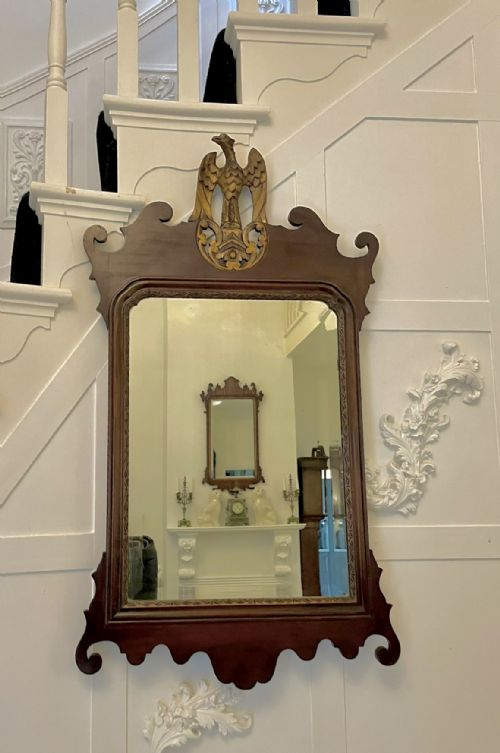
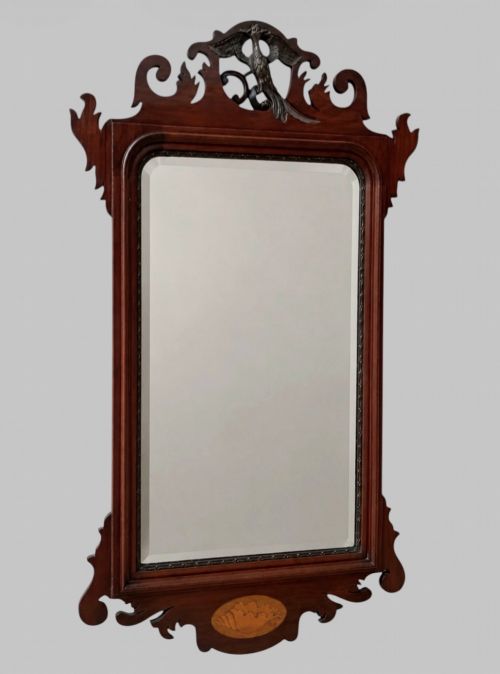
An inlaid wooden wall mirror brings warmth and pattern to a room, combining timber frames with delicate contrasting decoration.
Inlaid Wooden Wall Mirror
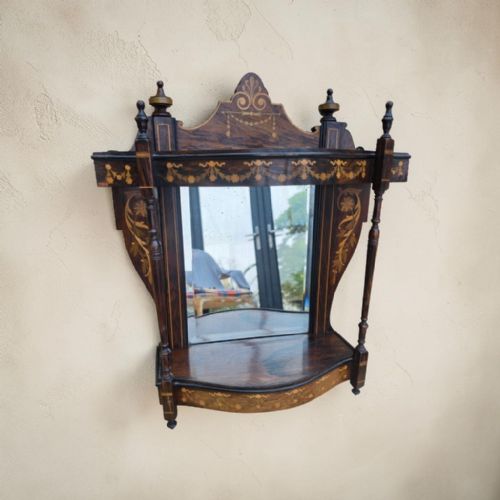
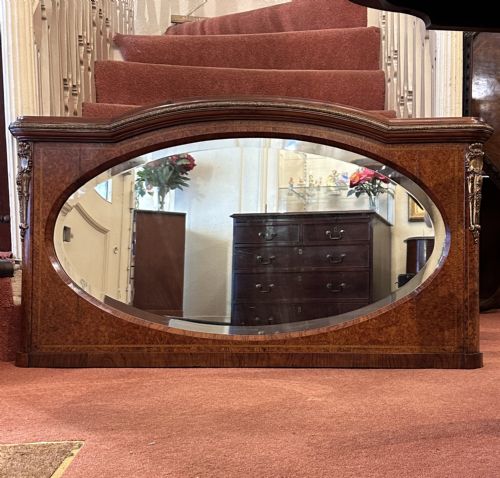
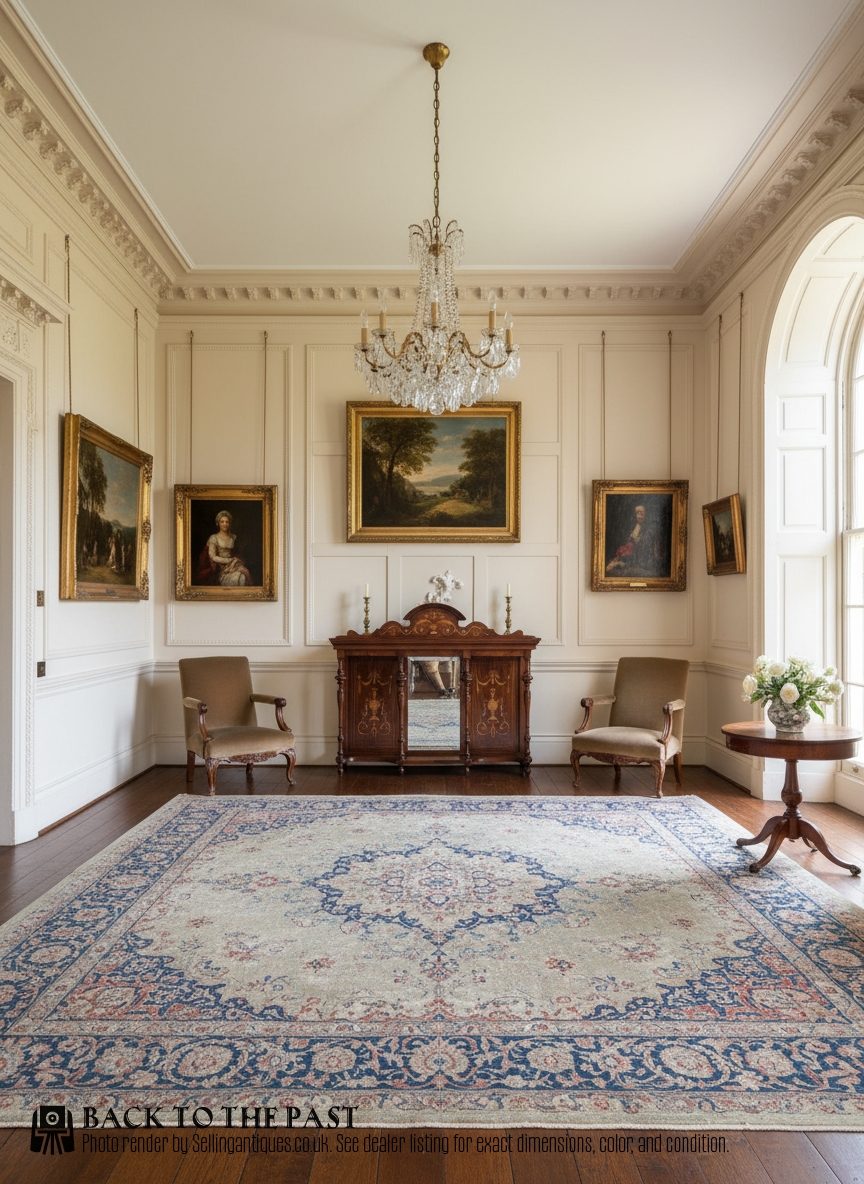
When searching for an inlaid wooden wall mirror, you encounter pieces spanning the nineteenth and early twentieth centuries, including Edwardian and Victorian examples. These range from small hall mirrors with shelves to large overmantel mirrors designed to sit above a fireplace.
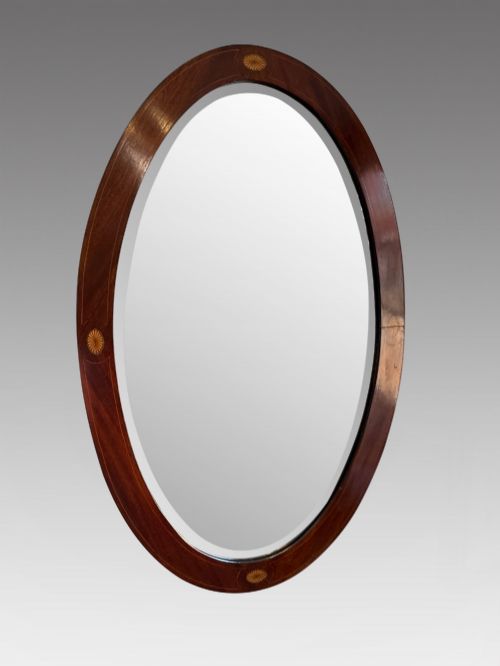
Most items on this page are wall mirrors and overmantel mirrors constructed from timbers like mahogany, walnut, rosewood, and beech. The decorative surfaces utilise wood inlay and marquetry to create geometric or floral motifs.
Materials and construction techniques
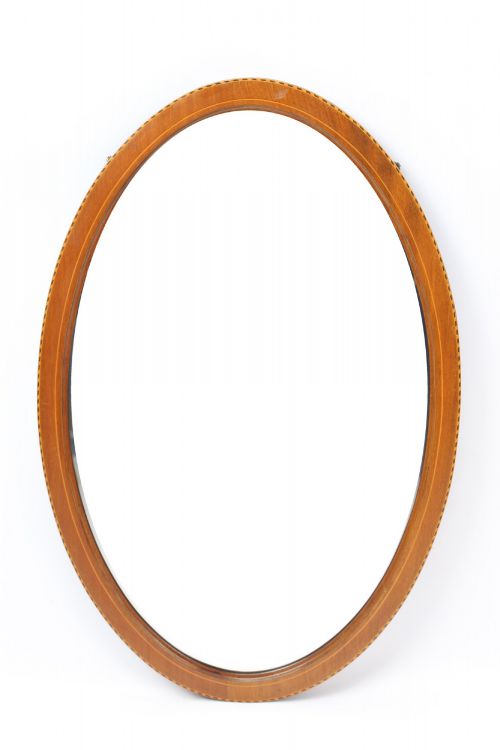
Frames are built from dense hardwoods including mahogany, walnut, rosewood, and beech, sometimes accented with giltwood or ormolu and brass detailing. Artisans shaped these timbers into fretted, oval, and rectangular formats to support the central mirror glass.
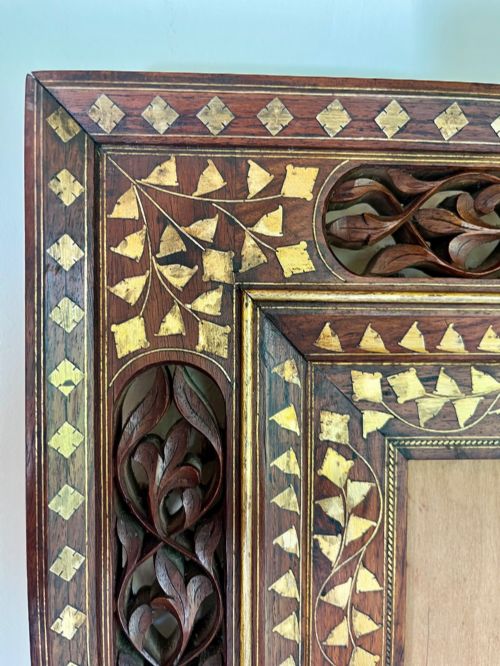
Decoration relies on precise wood inlay and marquetry, setting contrasting woods, mother-of-pearl, or ivory into the primary timber ground. Specialised regional workshops, such as those in Hoshiarpur, employed intricate piercing and surface ornamentation on shisham wood.
Overmantel and pier mirrors incorporate substantial timber backings to support heavier glass panels, while smaller domestic looking-glasses utilise simpler hanging frames with integrated shelving.
Listings feature mirrors spanning the Victorian and Edwardian periods, constructed in mahogany, walnut, and rosewood with glass and brass elements.
Assessing craftsmanship and finish
The precision of the inlay work marks the difference between standard production and superior craftsmanship. Crisp, tightly fitted geometric patterns or delicate floral marquetry indicate skilled handwork rather than coarse application.
Timber selection and grain figure dictate visual depth, with burr woods, rich mahogany, and figured walnut elevating the presence of the frame. The integration of auxiliary materials like brass detailing, ormolu, or mother-of-pearl must complement the primary wood without appearing cluttered.
Structural integrity in the joinery, particularly on large overmantel mirrors and fretted scrollwork frames, ensures the piece supports its weight safely. Original mirror glass with appropriate ageing adds authenticity compared to modern replacements.
Rowley Gallery
The Inlaid Wooden Wall Mirror Glossary
- Marquetry
- Decorative veneer applied to a wooden structure in patterns and pictures. This technique uses thin slices of various woods to create pictorial designs.
- Overmantel mirror
- A large mirror designed to hang specifically above a fireplace mantelpiece. These often feature architectural proportions or extended horizontal frames.
- Pier glass
- A tall mirror designed to hang on the wall between two windows. They frequently match a pier table placed directly below.
- Fretwork
- Ornamental design created by cutting patterns through thin wood using a fretsaw. This technique produces lightweight scroll frames often seen in revival styles.
- Hoshiarpur
- A North Indian town renowned for intricate woodwork. Frames from this region typically feature dense floral or geometric inlay using ivory and shisham wood.
Inlaid Wooden Wall Mirror: Frequently Asked Questions
Where should I hang an overmantel mirror?
An overmantel mirror traditionally sits directly above a fireplace mantelpiece, anchoring the vertical space in a reception room. It reflects light across the interior and balances the architectural weight of the hearth below.
Ensure the wall fixings are secured firmly into studs or masonry, as these walnut and mahogany frames carry considerable weight. Position the glass at a height that captures the best natural light from opposing windows.
How do I clean inlaid wood frames?
Dust the timber frame gently with a dry, soft cloth to prevent abrasive particles from scratching the polished surface. Avoid using modern chemical polishes or excessive moisture, which can damage delicate wood inlay and lifting veneer.
Apply a light coat of high-quality beeswax occasionally to nourish the hardwood and maintain its natural lustre. Buff the surface thoroughly after application to protect the antique finish.
How can I tell Edwardian mirrors apart?
Edwardian mirrors frequently utilise lighter mahogany or rosewood timbers with refined inlay, reflecting the Sheraton Revival influence popular at the turn of the century. They often feature oval formats, slender proportions, and integrated small shelving for domestic halls and bedrooms.
Victorian examples by contrast tend to be heavier walnut overmantels with deeper mouldings and more assertive classical revival details. Examining the timber backing and fixing methods helps confirm the manufacturing era.