


Antique Mirror Display Shelf
An antique mirror display shelf combines reflective glass with timber tiers, offering a practical stage for small treasures.
Antique Mirror Display Shelf
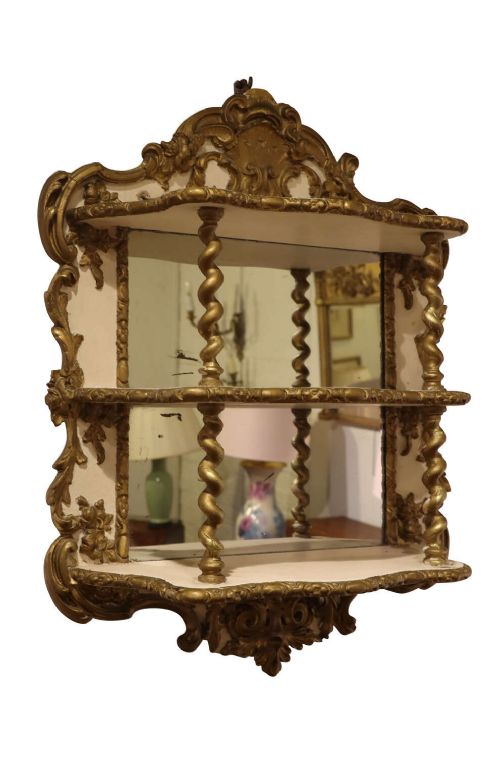
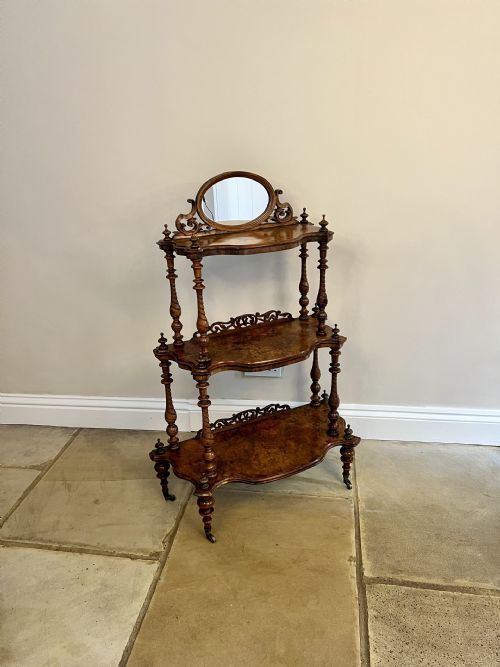
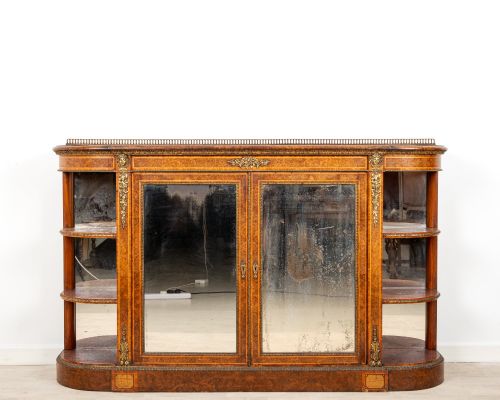
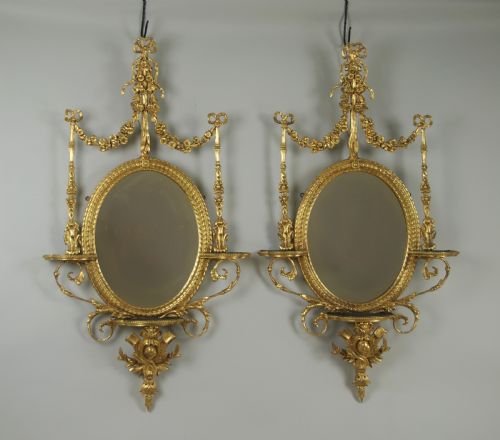
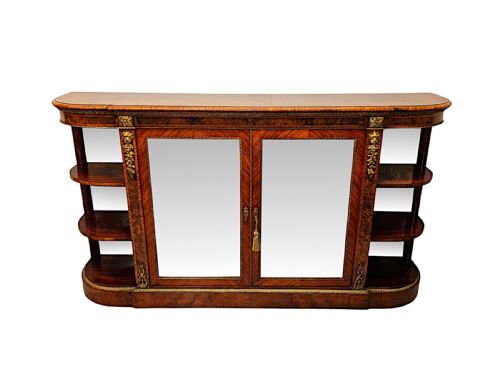
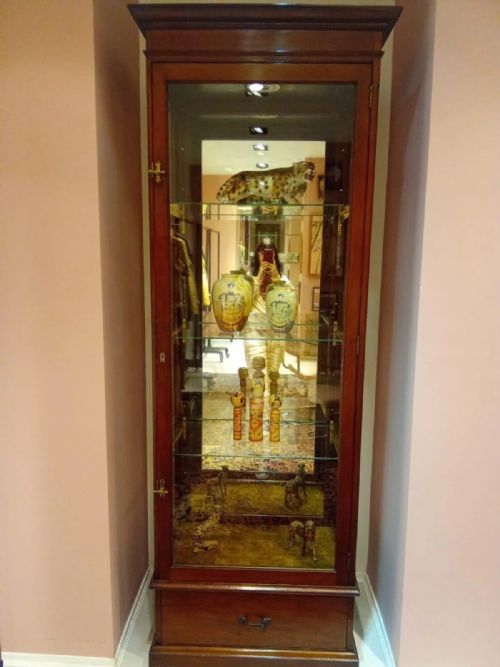
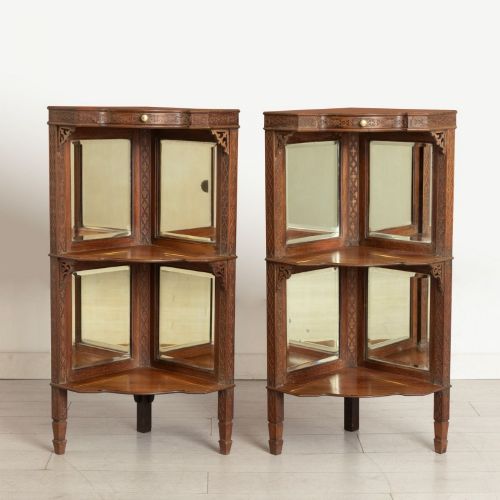
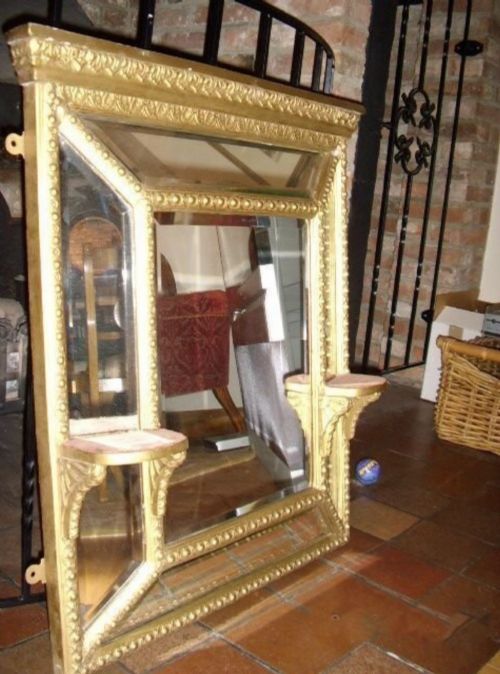
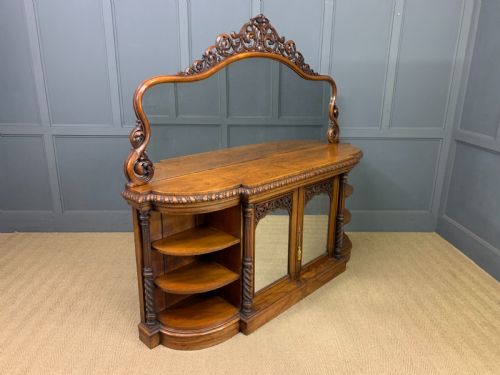
When you search for an antique mirror display shelf, you encounter pieces designed to hold ornaments while reflecting light into a room. The selections on this page span the nineteenth century and the Edwardian era, taking the form of wall brackets, whatnots, overmantel mirrors, and credenzas.
Victorian examples dominate the listings, frequently rendered in burr walnut, rosewood, or mahogany with fitted tiers. You also find Edwardian pieces and occasional Regency or Aesthetic Movement variations that integrate mirror glass directly into cabinetry or wall shelving.
Materials and Technique
Cabinetmakers constructed these shelves using dense hardwoods such as mahogany, walnut, and rosewood, often applying intricate marquetry or brass inlay. Burr walnut veneers appear frequently, selected for swirling grain patterns that catch the eye.
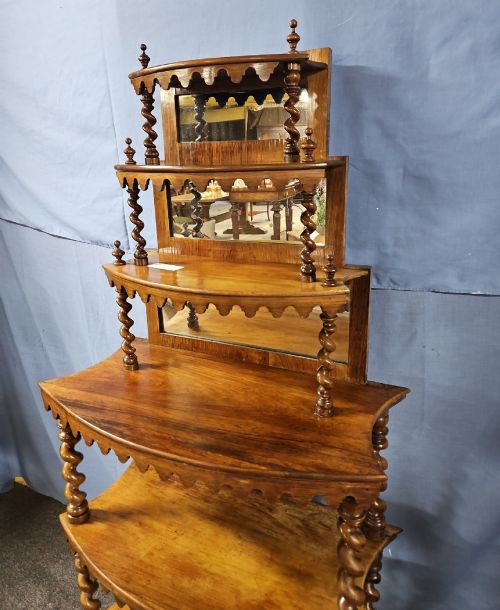
Backing plates incorporate silvered mirror glass, sometimes bevel-cut, paired with gilded gesso frames or ormolu mounts. Tiered structures rely on turned uprights, barley twist columns, or structural brackets to support the display ledges.
One tiny bamboo cabinet from the Aesthetic period proves that even humble grass stems can support a respectable collection of porcelain.
Judging Quality
The distinction between standard utility items and exceptional pieces rests upon the choice of timber and the precision of the joinery. Finely figured burr walnut and carefully matched rosewood veneers signal superior workshops.
Carved ornament, parcel gilding, and the integration of ormolu mounts elevate a piece from simple storage to high decorative art. The weight of the timber and the crispness of turned components further separate workshop standards.
Gillows·Edwards & Roberts·John Stow Ltd of Bradford
The Antique Mirror Display Shelf Glossary
- Whatnot
- A tiered set of open shelves designed for displaying ornaments or books. These pieces often incorporate a mirror back or a small drawer.
- Credenza
- A low sideboard or cabinet, frequently featuring mirrored doors and ormolu mounts. They serve as substantial display surfaces in formal reception rooms.
- Overmantel Mirror
- A large mirror designed to hang above a fireplace mantelpiece. Many include integrated brackets or small shelves for display.
- Ormolu
- Gilded bronze mounts applied to furniture as decorative enrichment. They appear on high-status Victorian and nineteenth-century cabinet work.
- Marquetry
- Decorative patterns formed by inserting pieces of contrasting veneer into a wood foundation. This technique defines finer Victorian and Edwardian cabinet surfaces.
Antique Mirror Display Shelf: Frequently Asked Questions
How were these shelves used originally?
Victorian households utilised these ledges to exhibit porcelain figurines, small clocks, and curiosities. The mirrored backing amplified candlelight and daylight within reception rooms.
Wall-hung brackets saved floor space while framing decorative items at eye level. Larger cabinet forms combined enclosed storage with open display tiers.
How do I date a piece?
Dating relies on timber selection, fastening methods, and prevailing decorative styles. Mid-nineteenth-century examples frequently employ rich burr walnut and heavy ormolu mounts.
Later Victorian and Edwardian pieces often display lighter satinwood inlay, bamboo structures, or ebonised finishes. Examining the type of mirror glass and backing boards also helps narrow the period of manufacture.
How do I hang a wall display shelf?
Wall-mounted brackets and shelves require secure fixings suited to the weight of dense hardwoods and glass. Professional assessment of the wall structure ensures safe support for the timber frame.
Positioning them at appropriate heights prevents accidental knocks to the displayed ornaments while maximising light reflection.