
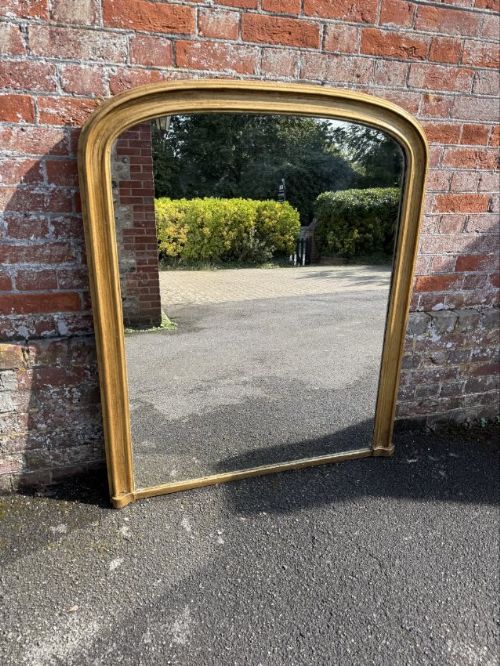
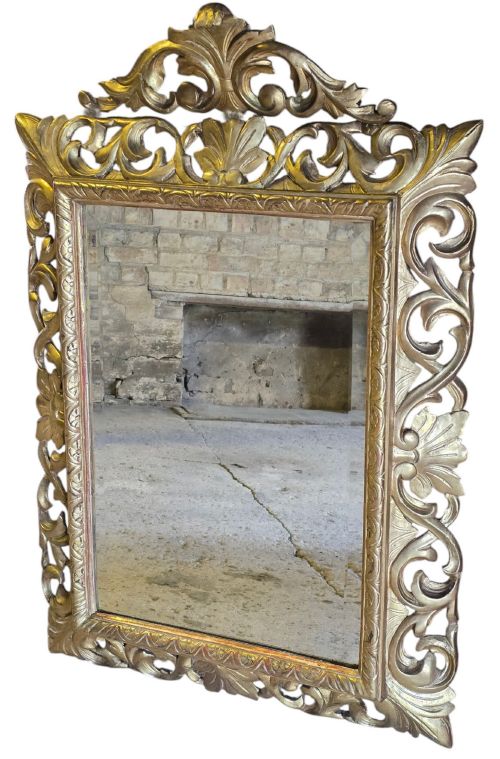
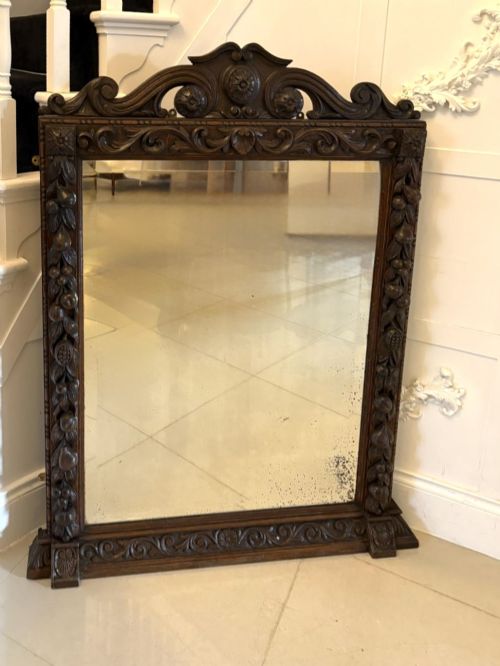
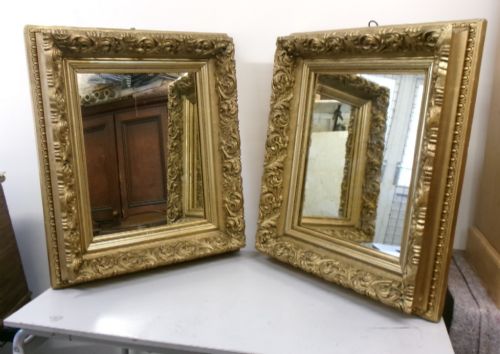


Victorian Carved Overmantel Frame
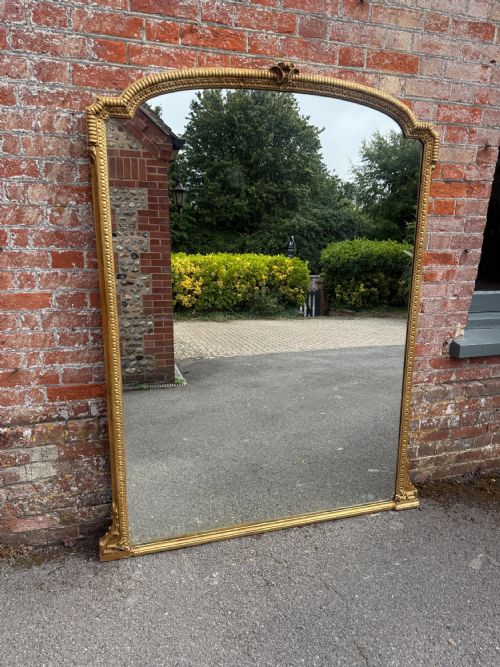
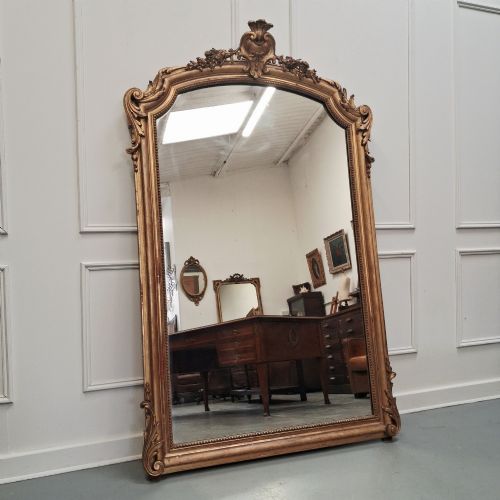
A victorian carved overmantel frame anchors a room above the fireplace, offering grand proportions and historic mirror glass.
Victorian Carved Overmantel Frame
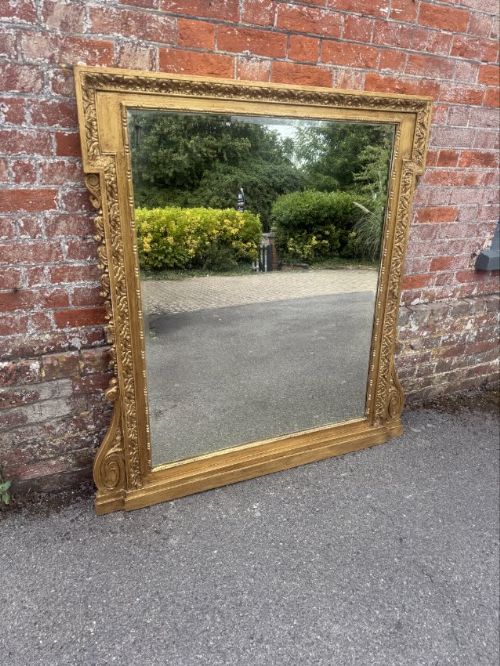
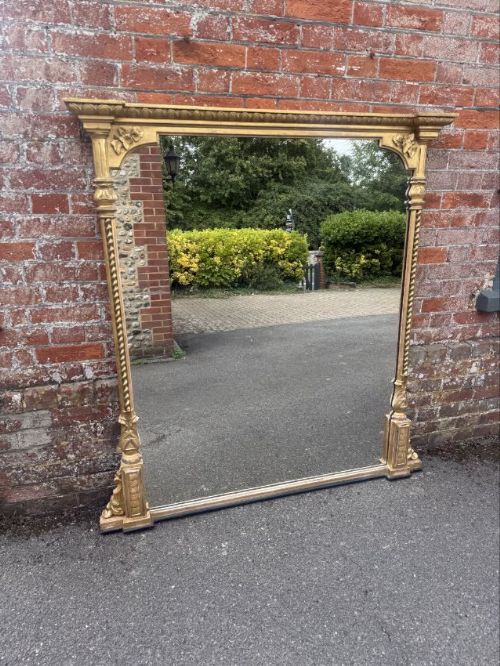
A victorian carved overmantel frame provides substantial architectural presence above a fireplace mantel or along a principal drawing room wall. These heavy wall mirrors emerge from 19th-century workshops, spanning periods from early Victorian incarnations through to later Edwardian revivals.
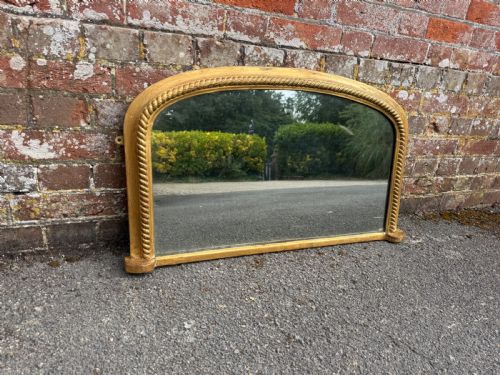
The selections on this page lean heavily toward large English and French interpretations, utilising arched tops, triptych formats, and rectangular proportions designed to reflect light deep into reception rooms. Many examples incorporate substantial wooden carcasses built to support heavy glass plates and elaborate crestings.
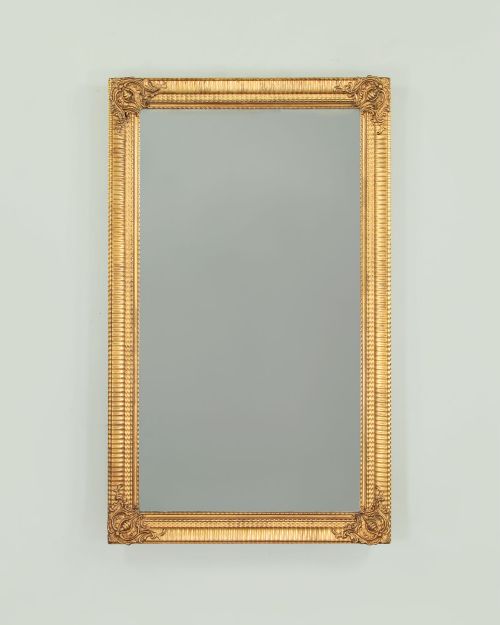
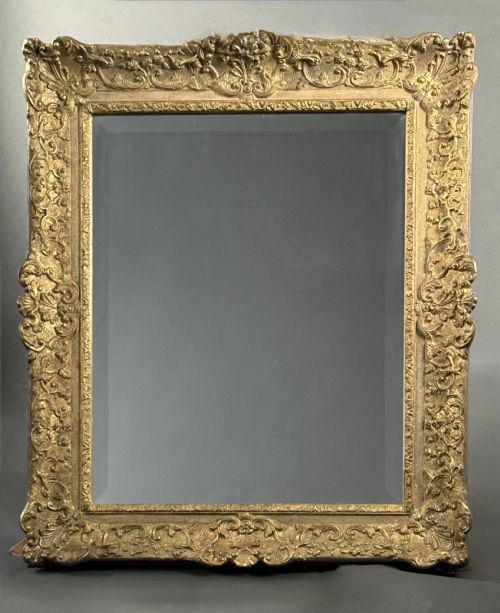
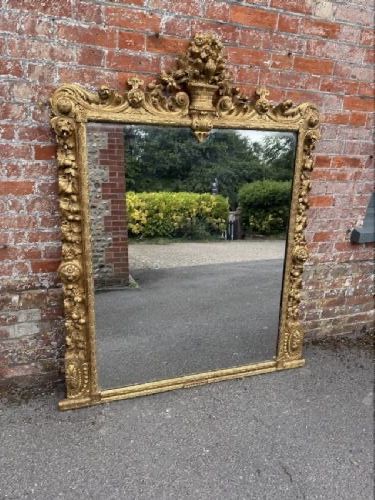
Constructed primarily as overmantel mirrors or pier glasses, these pieces serve as primary focal points within domestic interiors. They combine functional glass surfaces with ornate wooden frames carved in styles ranging from Rococo Revival to French Renaissance and Chippendale Revival.
Materials and technique
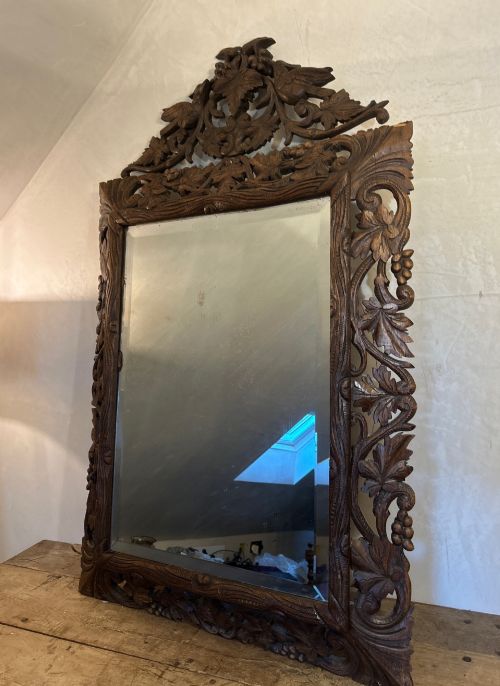
Makers fashioned the primary structural frames using solid timbers such as oak, walnut, mahogany, and ebonized wood, often supplemented by applied ornamentation in gesso and composition. Carvers worked directly into the timber or built up intricate relief motifs using plaster-like composition moulds applied to wooden backings.
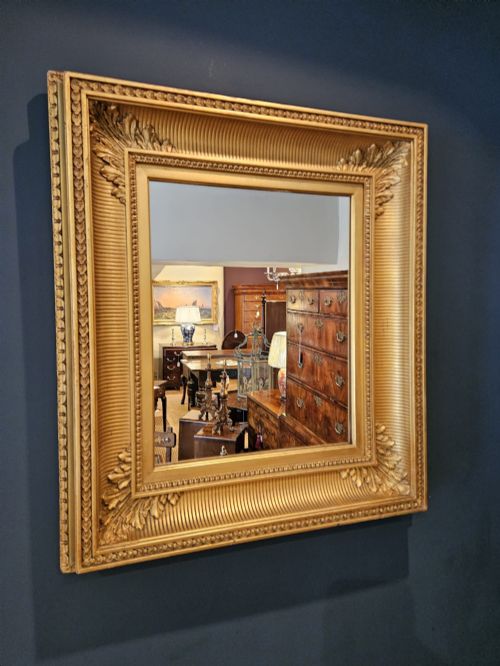
Gilding represents a dominant surface technique, utilising gold leaf or liquid gilding applied over preparation layers to catch the ambient light of 19th-century interiors. Frame surfaces also show painted finishes, parcel-gilt highlights against ebonized grounds, and exposed natural hardwoods carved with acanthus leaves, rope twist patterns, and classical columns.
Nautical rope twist carvings bring a touch of the high seas right to the drawing room fireplace.
Quality variations
The refinement of the hand-carved detail separates standard production frames from exceptional pieces, particularly where gesso ornaments meet timber joints cleanly without heavy cracking or loss. Deeply undercut foliage and crisp architectural mouldings demonstrate superior craftsmanship from skilled Victorian workshops.
The condition and age of the mirror glass itself influence the character of the piece, with original foxed plates offering authentic historic depth compared to later replacements. Heavy framing construction and robust structural bracing at the reverse distinguish superior wall mirrors designed to endure centuries of hanging.
The Victorian Carved Overmantel Frame Glossary
- Gesso
- A plaster-like mixture applied to wooden frame surfaces as a smooth base for gilding or painting. This material allows carvers to achieve sharp relief details that mimic solid wood carving.
- Overmantel
- A large mirror or painting specifically designed to be positioned on the wall directly above a fireplace mantelpiece. These fixtures visually expand room proportions.
- Giltwood
- Timber that has been coated with thin layers of gold leaf. This finish provides a luminous and reflective surface characteristic of formal 19th-century reception rooms.
- Foxed glass
- Mirror plates showing natural age-related oxidation and dark spotting beneath the glass surface. Collectors prize original foxed glass for its authentic historic patina.
- Rococo Revival
- A 19th-century design style drawing on 18th-century French motifs characterised by asymmetrical scrolls, C-scrolls, and naturalistic shell and acanthus leaf carving.
- Pier glass
- A tall mirror specifically designed to hang on the wall space between windows, known as a pier. These pieces maximise natural light within Victorian parlours.
Victorian Carved Overmantel Frame: Frequently Asked Questions
Where should an overmantel mirror hang?
These large frames traditionally anchor the wall directly above a fireplace mantelpiece, serving as the central focal point of a reception room. They also function successfully along principal hallway walls or between windows as pier glasses.
Because of their substantial weight and size, secure wall fixings into structural brickwork or studs are essential for safe installation.
How do I identify a Victorian frame?
Victorian pieces often display characteristic revival styles such as Rococo, Renaissance, or Chippendale influences executed in heavy carved oak, walnut, or giltwood. Construction markers include period fixings, hand-cut joinery, and heavy wooden backboards.
Examining the materials reveals typical 19th-century use of gesso ornamentation and composition mouldings applied over timber carcasses.
What is foxed glass?
Foxed glass refers to mirror plates that have developed dark spots and age-related oxidation behind the reflective silvering layer over decades of exposure. This natural chemical ageing process creates a soft, mottled appearance unique to antique mirrors.
Many collectors specifically seek out original foxed glass because it confirms the genuine historic age of the mirror plate.
How do I care for giltwood frames?
Giltwood surfaces require gentle dusting with a soft, dry brush to prevent accumulation without disturbing delicate gesso or gold leaf layers. Avoid using liquid cleaning products, polishes, or chemical sprays near the gilded areas.
Keeping the frame away from direct sunlight and excessive humidity helps preserve the stability of the wood and the integrity of the antique finish.