
Large Ceramic Urn
A large ceramic urn brings presence to a room, drawing the eye through scale and form.
Large Ceramic Urn
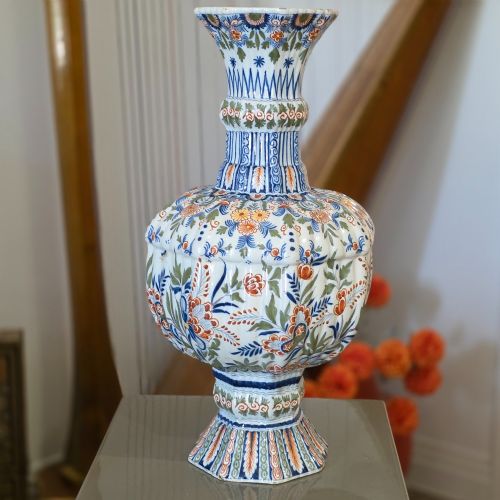
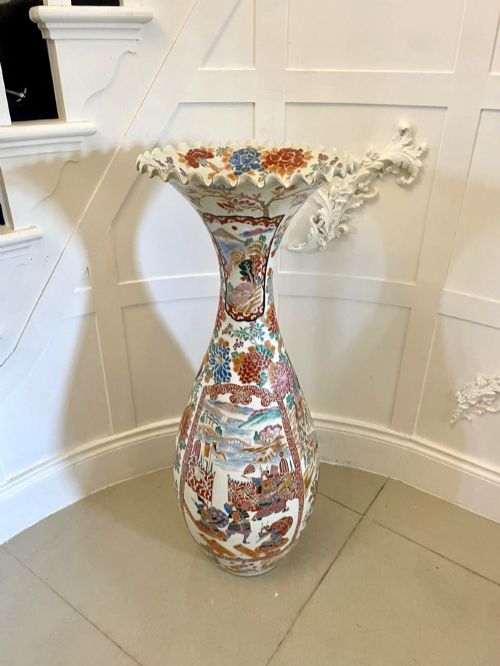
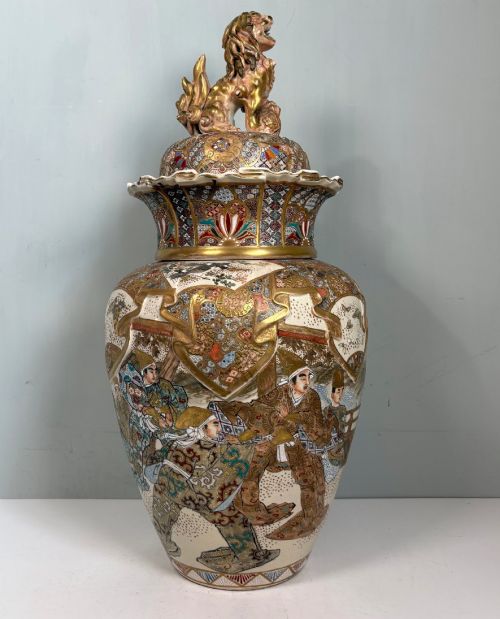
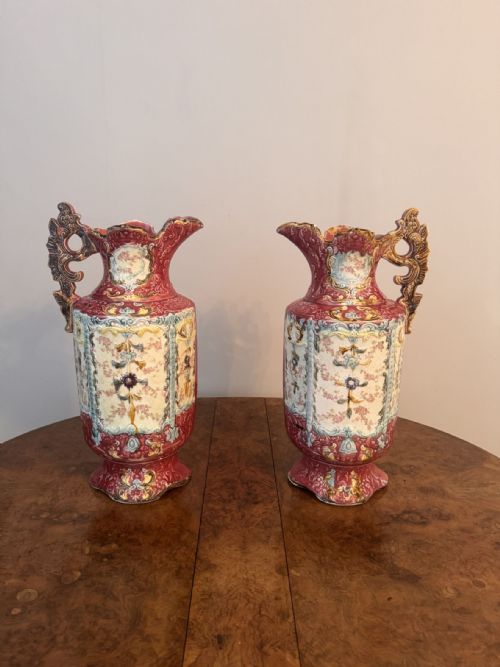
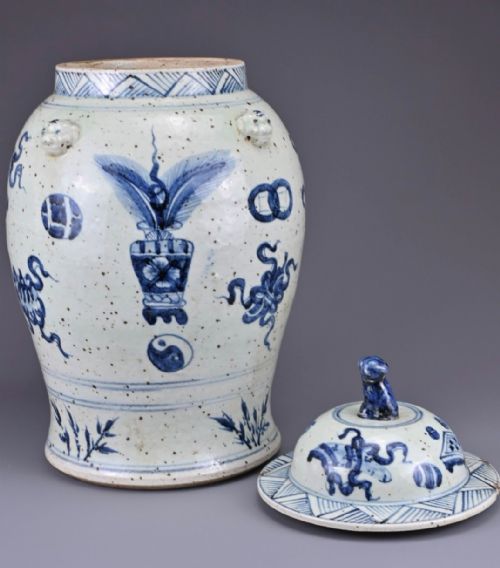
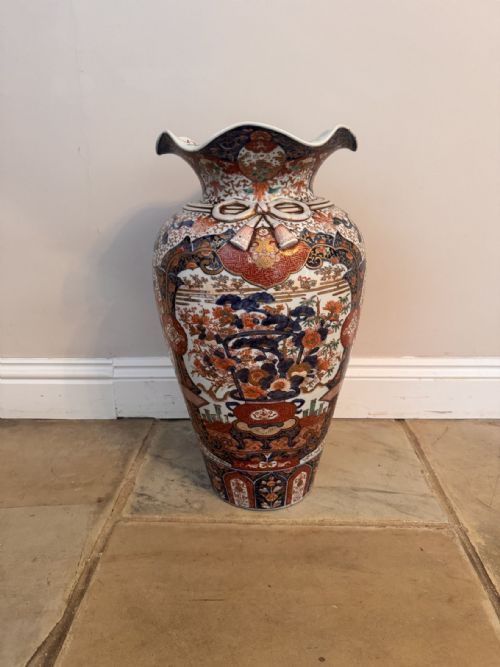
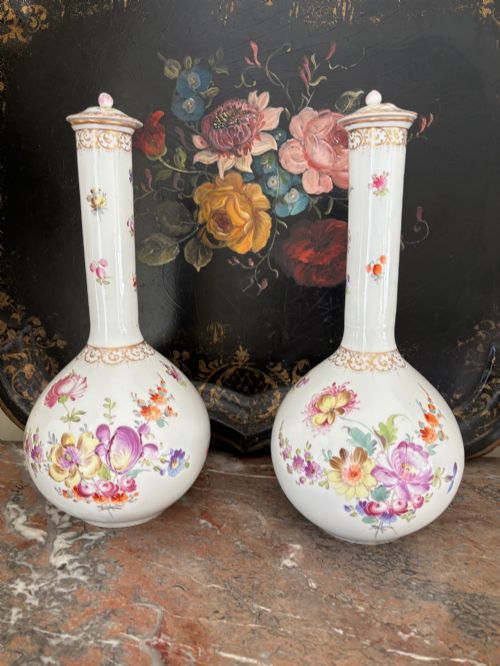
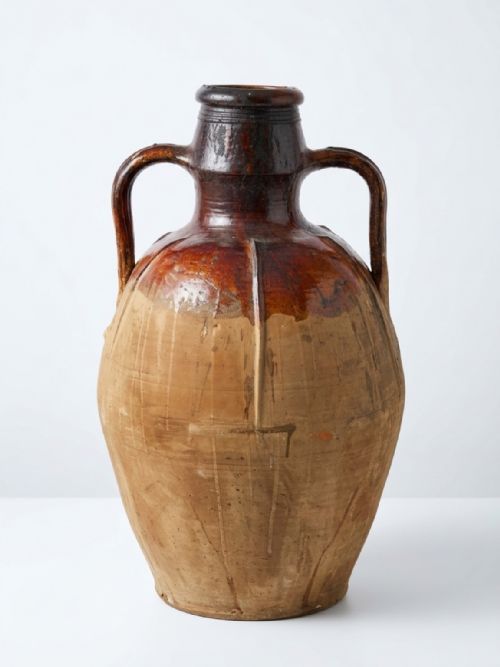
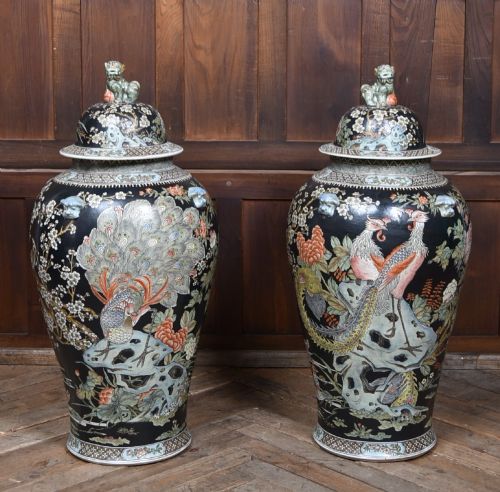
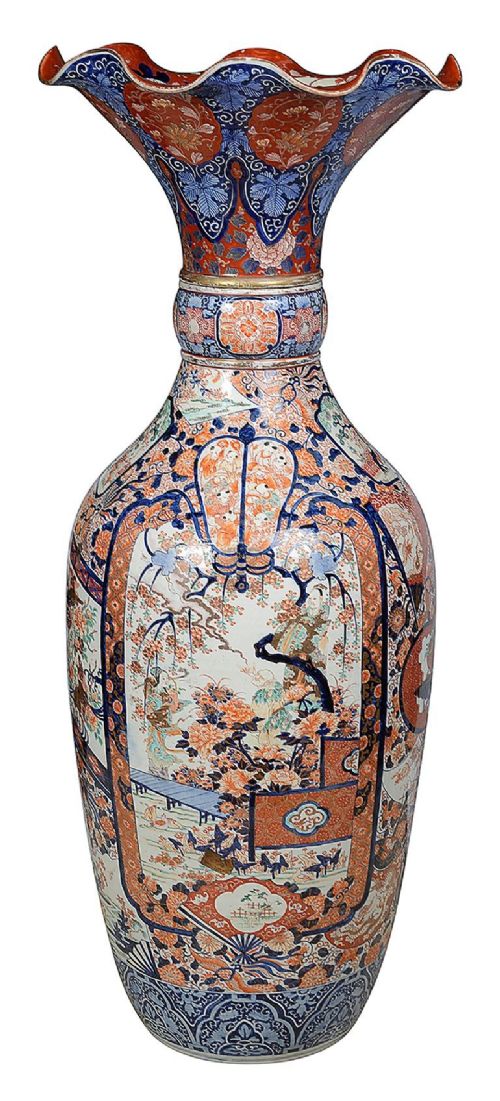
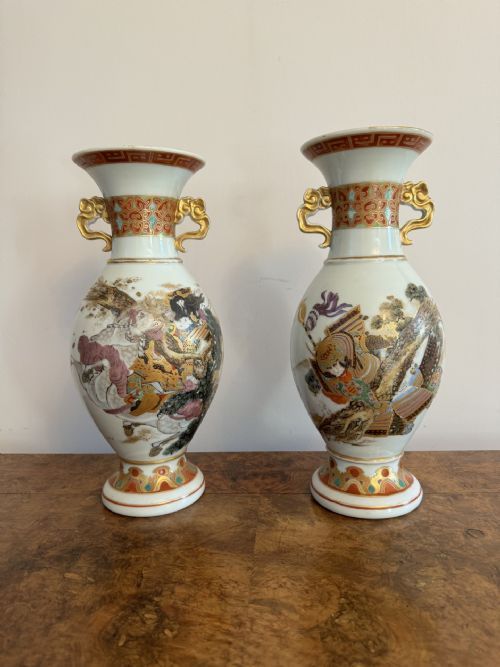
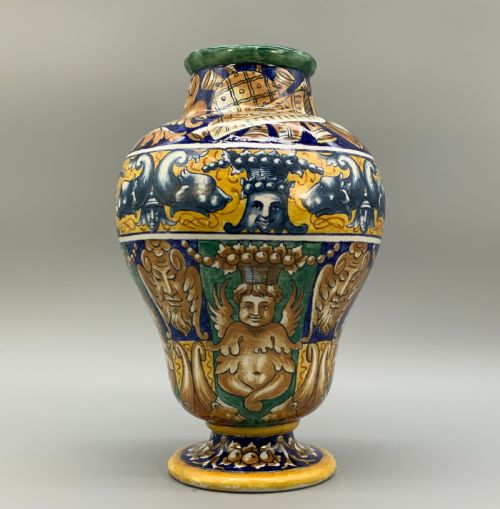
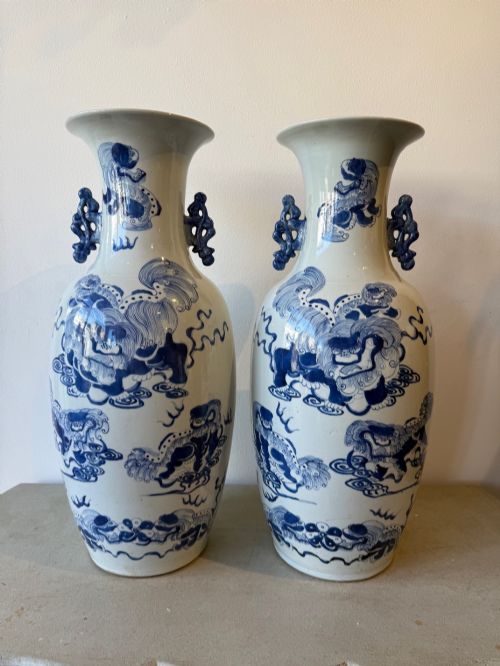
A large ceramic urn encompasses substantial vessels shaped for display, storage, or planting, spanning centuries of global ceramic traditions. When searching this phrase, a buyer encounters significant floor vases, lidded jars, and garden planters fashioned from porcelain, earthenware, and terracotta. These grand vessels originate from nineteenth-century workshops in Japan, China, and Europe, reflecting diverse stylistic movements from Imari and Satsuma to Victorian revivalism.
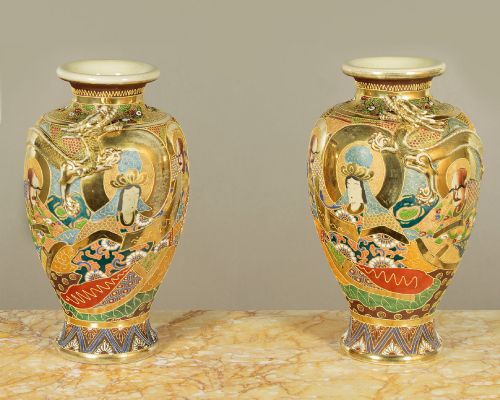
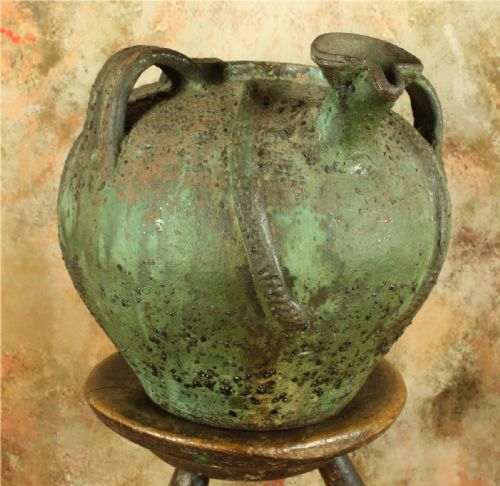
The objects take many forms, including towering floor-standing vases, bulbous garden urns, handled oil pots, and ewers. Many examples arrive paired, standing symmetrical with hand-painted or glazed decoration, while others serve as monumental singular statements. Domestic interiors and garden settings receive these substantial forms, often utilised as decorative focal points or converted into table lamps.
Materials and technique
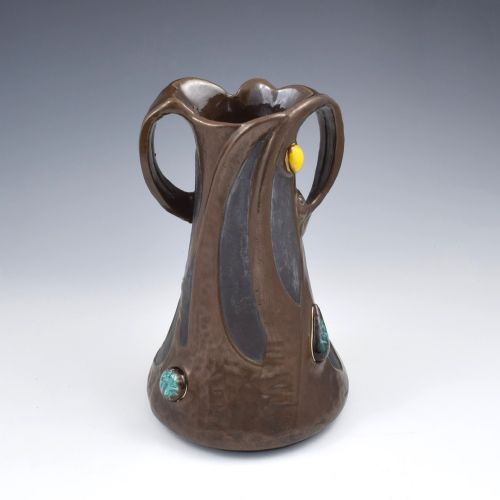
Potters shaped these large ceramic urns using refined porcelain, porous earthenware, and robust terracotta, often building massive forms in sections before firing. The surfaces received glazes, enamels, and underglaze blue painting, sometimes accented with gold leaf, gilding, or applied copper effects and jewelled cabochons. Kiln techniques allowed makers to achieve crackle glazes, deep polychrome integration, and heavy structural stability necessary for vessels standing several feet high.
Makers employed hand-painting, throwing, and moulding to create intricate surface details such as figurative scenes, floral motifs, and dragon reliefs. Italian majolica and Delft pieces utilised tin glazes to provide an opaque white background for painted polychrome pigments. French and English kilns introduced ironstone and specialised glazes, ensuring durability across large decorative jars and garden planters.
Available forms range from floor-standing vases and lidded jars to garden planters, table lamps, and olive oil pots.
Assessing quality
The calibre of a large ceramic urn rests upon the crispness of the hand-painted detail and the stability of the fired body at scale. Master workshops achieved finer linework, balanced proportions, and richer polychrome depth, whereas lesser examples show heavier brushwork and standard commercial glazing. The integrity of the glaze, the precision of any applied bronze mounts or covers, and the overall symmetry determine the standing of a piece within its period.
Provenance and attribution elevate certain vessels, particularly those marked by recognised Japanese makers or specific European potteries. The complexity of the decorative program, such as intricate thousand-figure arhat scenes or elaborate moulded handles, distinguishes standard production ware from exceptional exhibition pieces. Preservation of the original surface patina, especially on terracotta wine jars and garden urns, preserves the historical character.
Hotoda·Makuzu Kozan·Kato Sanhei
The Large Ceramic Urn Glossary
- Imari
- A style of Japanese porcelain featuring a distinctive palette of underglaze blue, iron red, and gilt highlights. These wares were heavily exported to Europe from the port of Imari during the Edo period.
- Satsuma
- Japanese earthenware pottery characterised by a ivory craquelure glaze and elaborate polychrome enamel decorations often enriched with gold. Satsuma items frequently depict historical figures, landscapes, and complex floral patterns.
- Terracotta
- Fired unglazed clay ranging in colour from pale buff to deep reddish-brown, used extensively for garden planters and Mediterranean storage jars. The porous material often develops an aged patina through exposure to moisture and soil.
- Majolica
- Tin-glazed earthenware featuring vibrant polychrome decoration over an opaque white glaze. This technique gained prominence in Renaissance Italy and saw revivals through nineteenth-century European factories.
- Celadon
- A term for ceramics denoting a pale green jade-like glaze, achieved through iron oxide in the reduction kiln firing. The tradition spans centuries of Chinese ceramic production, prized for subtle colour and tactile depth.
Large Ceramic Urn: Frequently Asked Questions
How were large ceramic urns used historically?
These vessels served practical and decorative functions across domestic and civic spaces, storing oil, wine, and dry goods in Mediterranean households. Large garden urns and planters accommodated growing plants outdoors, while monumental palace jars and floor vases demonstrated wealth and taste within grand interiors.
Over time, many of these substantial jars transitioned from functional storage to pure ornamentation. By the nineteenth and twentieth centuries, makers and owners adapted them further, occasionally converting large vases into table lamps for parlours and drawing rooms.
How can I tell Japanese Imari from Satsuma ware?
Japanese Imari is a porcelain body characterised by a crisp white ground painted in deep underglaze blue, rusty iron red, and gilding. The surface feels smooth and vitreous, reflecting traditional porcelain manufacture.
Satsuma ware utilises an earthenware body covered with a characteristic network of fine decorative cracking across a creamy ivory glaze. The enamel decoration sits on top of this crackled glaze in dense, colourful patterns often heightened with raised gold.
Where should I place a large floor vase at home?
Large floor vases require stable, low-traffic areas where their scale can be appreciated without obstructing movement. Hallways, wide landings, and empty corner spaces provide natural architectural framing for tall ceramic statements.
When positioning heavy earthenware or porcelain pieces, ensure the floor surface is level and secure. Pairing floor vases with original stands or keeping them uncrowded allows the form and surface decoration to remain the visual focus.