


Large Ceramic Pitcher
A large ceramic pitcher brings weight and historical colour to a room, holding flowers or standing alone as a substantial sculptural form.
Large Ceramic Pitcher
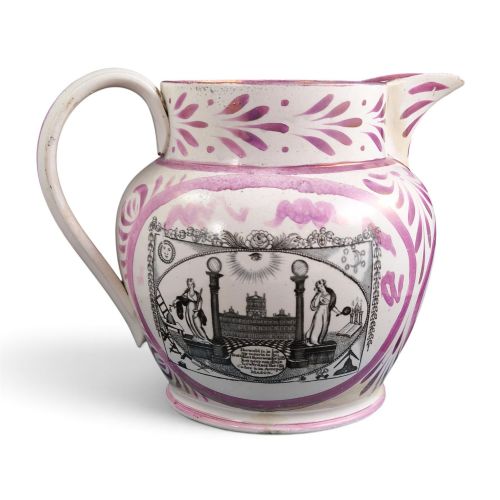
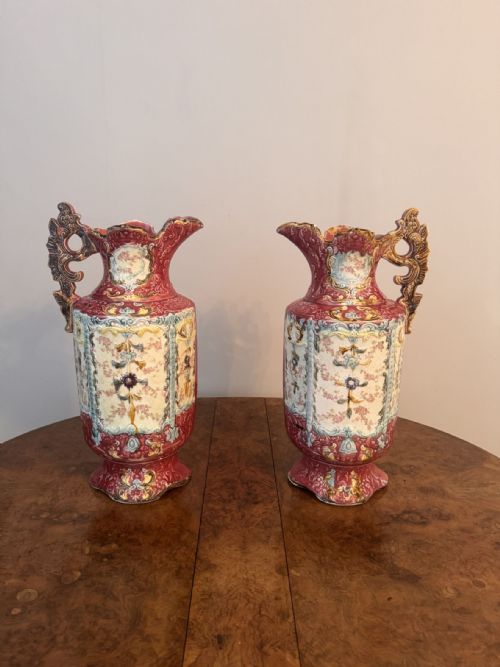
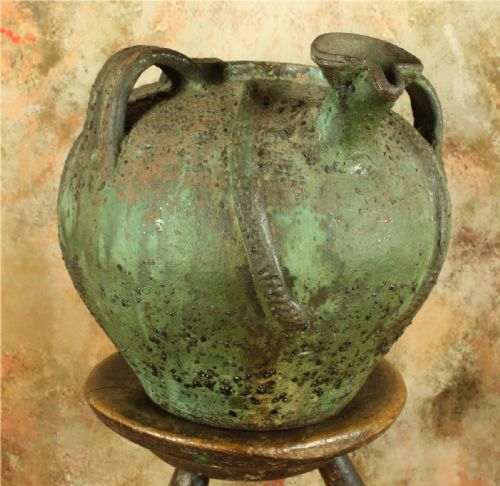
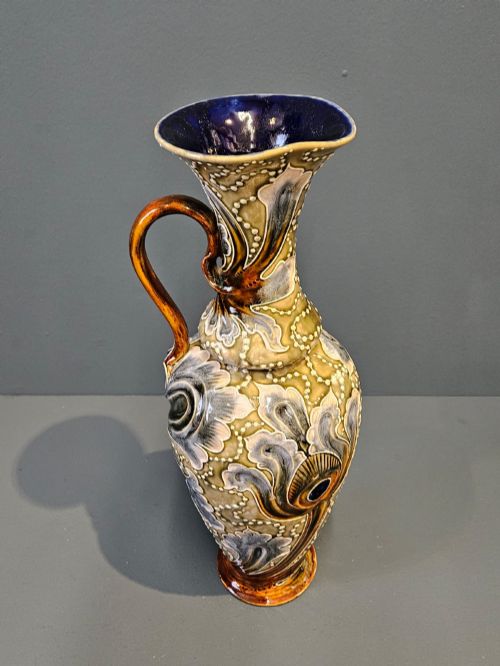
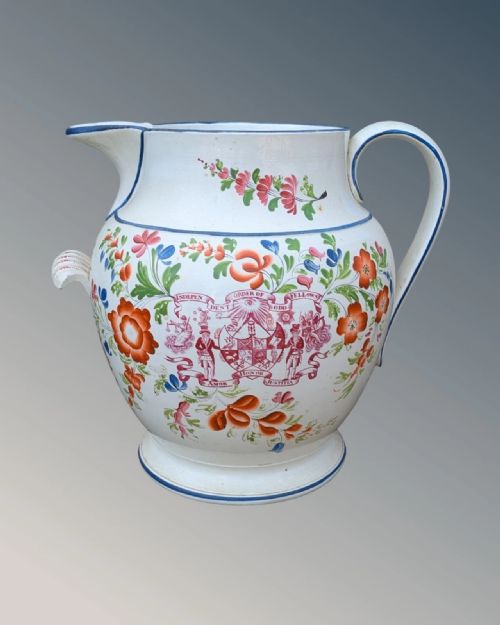
When searching for a large ceramic pitcher, collectors encounter a diverse group of heavy earthenware, stoneware and porcelain vessels designed for serving water, wine or milk, alongside purely decorative ewers and monumental jugs. These pieces span from seventeenth-century slipware and Georgian transfer-printed ironstone to elaborate Victorian majolica, salt-glazed stoneware and twentieth-century European pottery.
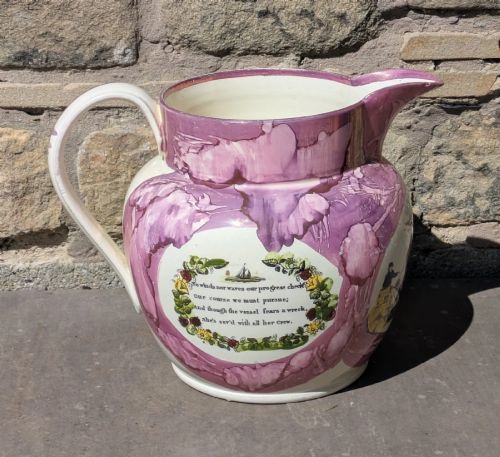
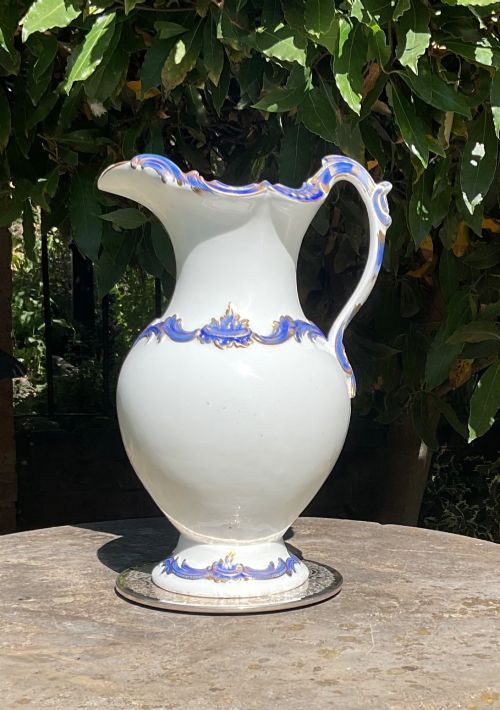
The domestic water jug and basin set, the commemorative maritime lustre vessel, and the towering French wine ewer represent the most common forms found in this collection. Makers produced these substantial containers for both daily utility and formal display, resulting in sturdy functional vessels and highly ornamented sculptural showpieces alike.
How they were made
Potters shaped these large bodies using earthenware, creamware, ironstone and porcelain, often applying rich metallic glazes, enamel colours and copper or pink lustre coatings. Many nineteenth-century examples relied on relief-moulding techniques to achieve crisp classical scenes, bacchanalian dances and heraldic motifs directly into the damp clay before firing.
Stoneware pieces gained their durable surface through salt-glazing, where salt thrown into the kiln during high-temperature firings reacted with the silica to form a vitreous, orange-peel texture. Earthenware vessels frequently received tin or lead glazes, while finer porcelain and ironstone jugs were hand-painted or transfer-printed with detailed mythological figures, naval themes and botanical patterns.
One cheerful nineteenth-century jug bears the inscription Dear Jack alongside a cheerful maritime scene, greeting returning sailors with ceramic warmth.
What varies in quality
The crispness of the moulded relief and the depth of the glaze set the finest pitchers apart from standard commercial wares. Sharp details in figures and foliage indicate superior mould quality and careful finishing by the potter before the piece entered the kiln.
Balance and proportion dictate the success of a large vessel, particularly when handles and spouts must support considerable physical weight. Superior pieces display harmonious symmetry, well-defined foot rings and securely applied handles that feel natural in the hand despite their monumental scale.
Doulton Lambeth·Charles Meigh·Ridgway And Sons·Minton·Frederic Goldscheider·Royal Worcester
The Large Ceramic Pitcher Glossary
- Ewer
- A large ornamental jug with a wide spout and curved handle, historically used for pouring water at the dining table or for washing hands. Many nineteenth-century examples served purely decorative purposes in grand interiors.
- Slipware
- Pottery decorated with a thin liquid mixture of clay and water, known as slip, applied before firing to create contrasting surface patterns. Seventeenth-century Dutch and English makers frequently utilised this technique.
- Majolica
- A colourful earthenware pottery coated in an opaque tin glaze and painted with metallic oxide colours. This technique produced vibrant, glossy vessels with rich sculptural relief during the Victorian era.
- Lustreware
- Earthenware or stoneware featuring a metallic film that produces an iridescent, reflective sheen on the surface. Sunderland and copper lustre jugs often displayed pink or golden metallic finishes alongside printed maritime themes.
- Ironstone
- A heavy, durable type of feldspathic earthenware patented in the nineteenth century to imitate Chinese porcelain. It provided a sturdy body capable of supporting large water jugs and basin sets without chipping easily.
Large Ceramic Pitcher: Frequently Asked Questions
How were large ceramic pitchers used historically?
Large ceramic pitchers served practical functions such as carrying water for washing in bedrooms, storing oil, or pouring wine and milk at large gatherings. Many vessels also fulfilled commemorative roles, recording marriages, political allegiances, or naval victories.
Over time, grander ewers transitioned into purely decorative objects displayed on sideboards or mantelpieces. Their substantial size made them natural focal points in Victorian and Georgian interiors.
How do I care for an antique pitcher?
Dust antique pitchers gently with a dry, soft cloth to protect fragile enamels, gilding, and lustred surfaces. Avoid using harsh chemical cleaners or submerging porous earthenware in water for extended periods.
Display the vessel away from direct sunlight and areas prone to sudden temperature shifts to prevent crazing in the glaze. If used for fresh flowers, place a small glass container inside rather than pouring water directly into aged bodies.
How can I tell the period of a jug?
Dating relies on a combination of material composition, glaze characteristics, and decorative style. Seventeenth-century pieces typically show heavier earthenware or slipware bodies, while Georgian examples often feature creamware or transfer-printed ironstone.
Victorian pitchers frequently display moulded relief work, majolica glazes, or metallic lustre finishes. Examining the base for impressed factory marks, registration diamonds, or potters' signatures helps narrow the date of manufacture.
Are these pitchers waterproof?
Many nineteenth-century ironstone, porcelain, and salt-glazed stoneware pitchers remain entirely waterproof and suitable for holding fresh cut flowers. Porous earthenware and older slipware bodies, however, can sometimes develop hairline cracks or micro-perforations through age.
Testing a vessel with a small amount of tepid water on a safe surface ensures it holds liquid securely. When in doubt, placing a discreet liner inside protects antique surfaces from moisture damage.