



Decorative Floral Earthenware Jug
These decorative floral earthenware jugs bring rich nineteenth-century colour and pattern to a room, offering both practical service and display presence.
Decorative Floral Earthenware Jug
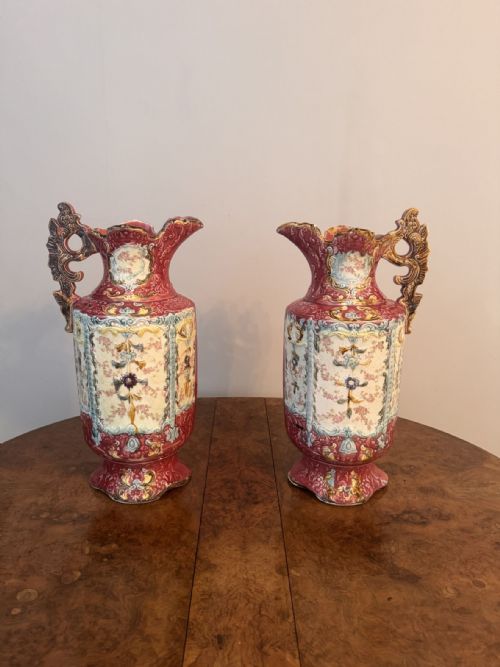
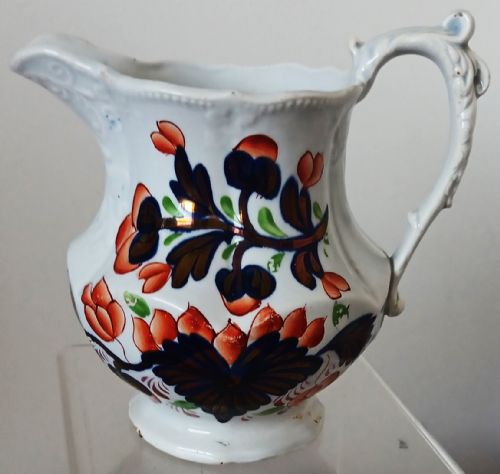
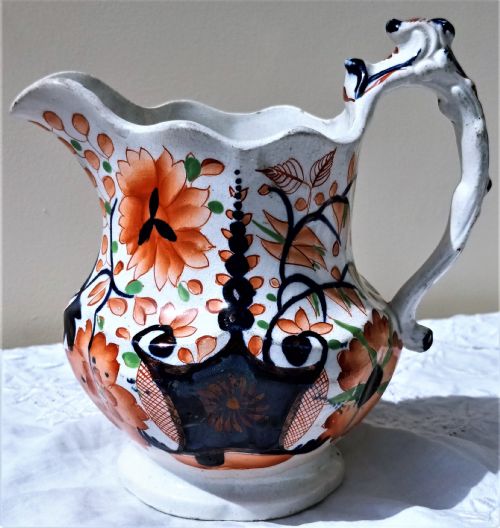
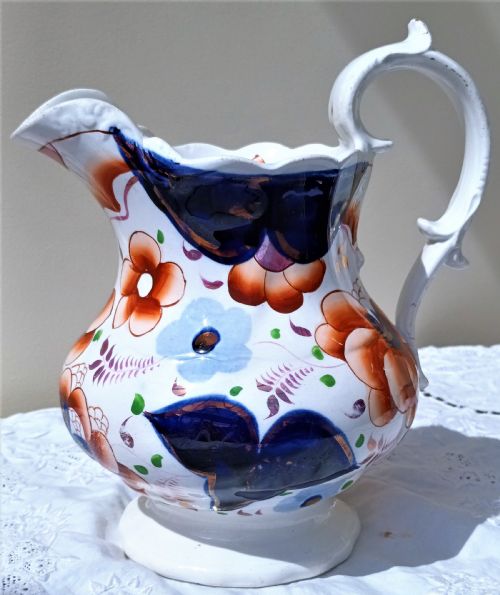
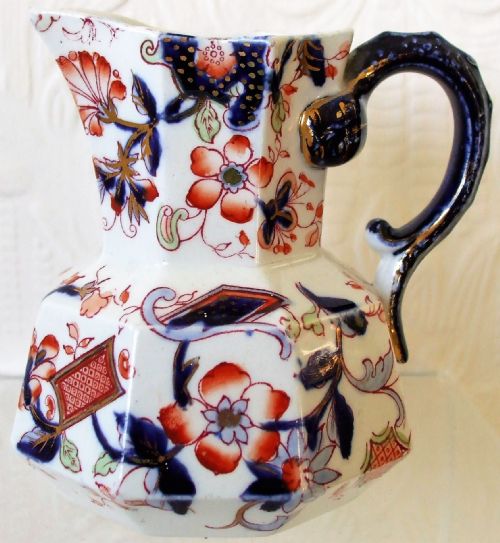
A decorative floral earthenware jug combines utilitarian form with vibrant hand-painted or transferred botanical and architectural motifs. Buyers seeking a decorative floral earthenware jug will encounter Victorian Gaudy Welsh examples alongside pieces from the Georgian and Art Deco eras, including ewers and matching bowl sets.
The selection ranges from robust nineteenth-century earthenware pitchers featuring traditional patterns such as Grape, Drape, Pagoda, Gwent, and Bethesda to twentieth-century ceramic flower jugs. Makers such as Keeling and Co. and designers like Charlotte Rhead contribute distinct regional styles and surface treatments to this category.
Forms vary from standard pouring jugs to expansive wash pitchers, pouch jugs, and grand scale ewers. Most pieces reflect Victorian and Georgian sensibilities, employing earthenware fabrics that provide a substantial weight and thick-walled durability suited to display or functional use.
How they were made
Potters shaped these vessels primarily from earthenware or ceramic bodies, applying lead or transparent glazes to seal the porous clay. Many pieces incorporate enamel decoration painted over the glaze, often enhanced with copper lustre accents or gilding to highlight raised structural details.
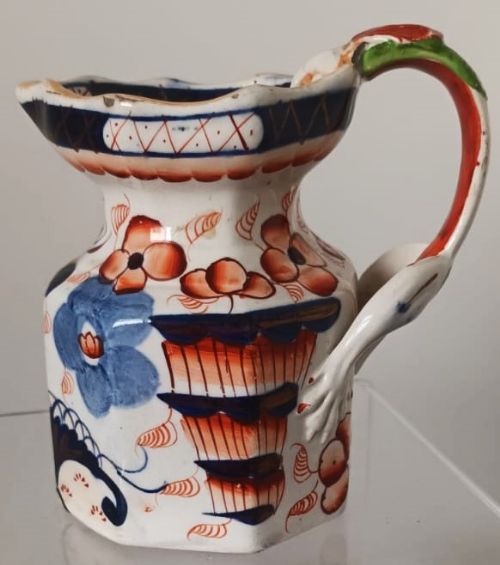
Firing techniques of the nineteenth and twentieth centuries allowed workshops to fuse vibrant enamel colours directly onto the glazed surface. Potters utilised specialised moulds and throwing methods to achieve distinct shapes such as the Hydra jug or the pouch jug.
Decorative Floral Earthenware Jug Retail Price Guide 2026
Typical asking prices for decorative floral earthenware jug among the pieces listed under this phrase on Sellingantiques today, from the lower quarter to the upper quarter. They describe what is for sale here now, not the wider market.
Some nineteenth-century potters named their patterns after distant pagodas, proving that Victorian kitchen tables could harbour very grand architectural ambitions indeed.
What varies in quality
Quality rests in the crispness of the moulded form and the precision of the hand-applied enamel work. Stronger examples display deeply saturated polychrome pigments and well-preserved copper lustre or gilding that remains intact across high-relief elements like handles and rims.
The sophistication of the pattern transfer or hand painting dictates the visual success of the piece. Well-balanced proportions on larger ewers and matching wash pitchers distinguish superior workshop output from simpler domestic wares.
Keeling and Co.·Charlotte Rhead
The Decorative Floral Earthenware Jug Glossary
- Earthenware
- A porous pottery body fired at lower temperatures than stoneware or porcelain. It requires a vitreous glaze to hold liquids and accepts bright enamel colours readily.
- Ewer
- A large pitcher with a wide spout and elaborate handle, traditionally used for holding water. In this collection, ewers often feature decorative nineteenth-century styling.
- Gaudy Welsh
- A distinctive style of brightly coloured pottery decorated with cobalt blue, copper lustre, and iron-red enamel. It gained popularity in the nineteenth century for domestic display and use.
- Hydra jug
- A specific vessel shape characterised by a helmet-like rim and a high, scrolled handle. This classical form appears in nineteenth-century ceramic production.
- Copper lustre
- A metallic glaze finish that yields a coppery sheen when fired. Potters used it to outline patterns and accent rims on earthenware jugs.
Decorative Floral Earthenware Jug: Frequently Asked Questions
What periods do these jugs represent?
The selection spans the Georgian, Victorian, and Art Deco eras. Most items date from the nineteenth century.
Specific production years include eighteen-eighty alongside general nineteenth-century and nineteen-thirty pieces.
How were Gaudy Welsh jugs decorated?
Makers applied hand-painted enamels over a glazed earthenware body. They frequently incorporated copper lustre and cobalt blue.
Popular motifs included named patterns such as Pagoda, Grape, Drape, Gwent, and Bethesda.
Are these jugs suitable for daily use?
These ceramic and earthenware vessels function as decorative display items. Their age and enamel decoration suggest careful handling.
Many pieces were originally designed as wash pitchers, flower jugs, or large ewers rather than table service ware.