



Floral Glazed Pitcher
A floral glazed pitcher brings hand-painted botanicals and rich earthenware into everyday rooms, offering both useful capacity and lasting decorative charm.
Floral Glazed Pitcher
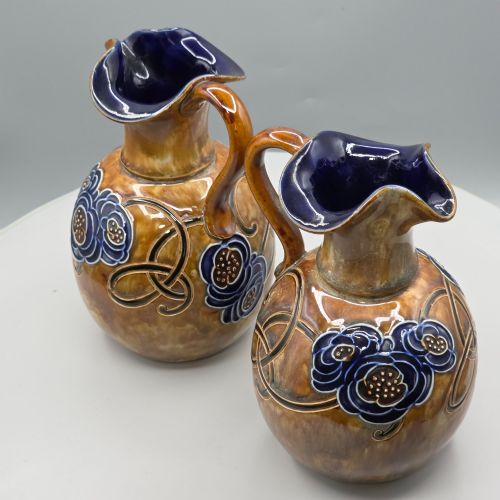
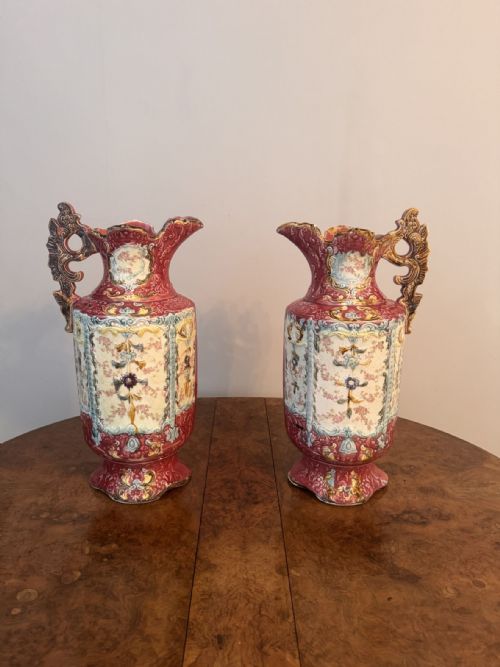
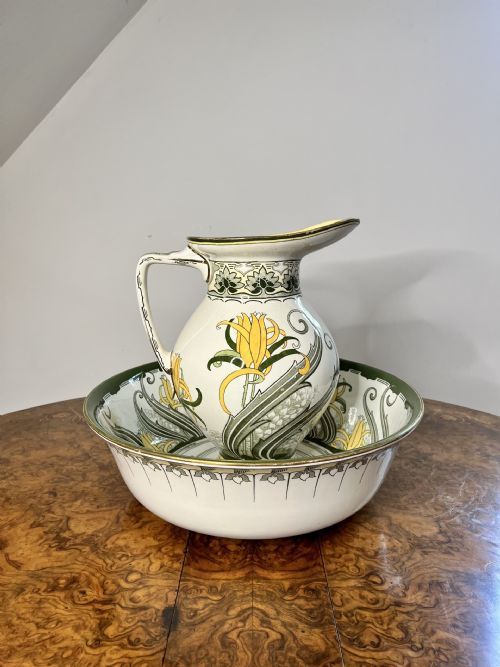
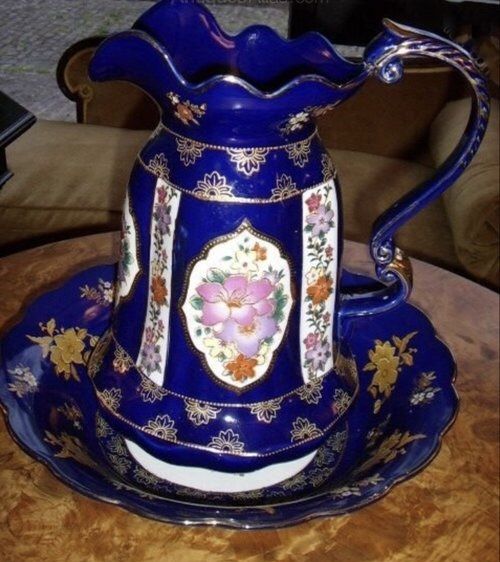
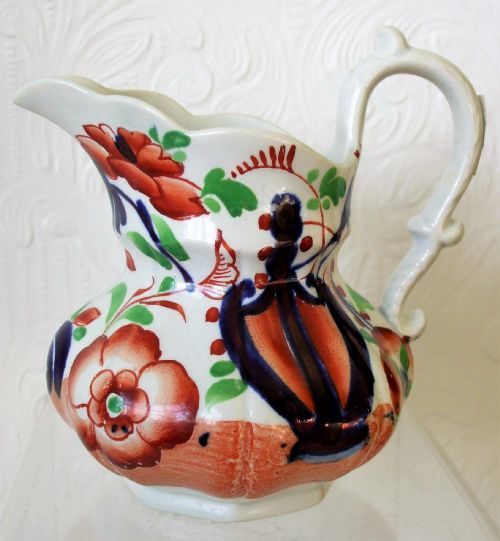
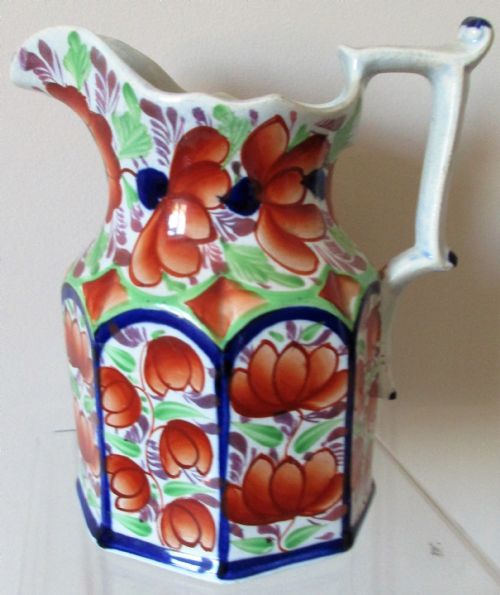
A floral glazed pitcher spans centuries of ceramic production, taking forms from modest domestic milk jugs to grand washstand ewers and large Staffordshire poppy vessels. These pieces emerge across the nineteenth and twentieth centuries, alongside earlier eighteenth-century examples decorated in tin glaze and blue and white or polychrome palettes.
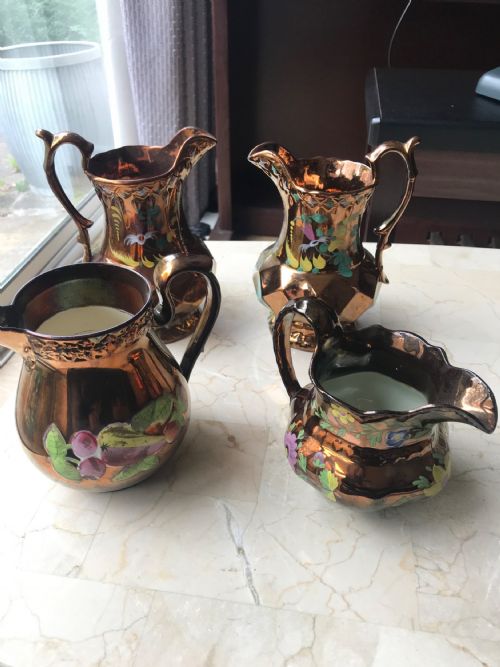
Makers ranged from major factories like Royal Doulton and Doulton Burslem to studio potters and European faience workshops. Buyers regularly encounter Victorian earthenware and Gaudy Welsh pottery patterns alongside Arts and Crafts and Art Nouveau designs.
Domestic sets often appear complete with matching bowls for the washstand, while smaller examples survive singly as milk or water containers. The decoration consistently highlights flowers, leaves and natural motifs painted or printed beneath or over the glaze.
Materials and methods
Potters shaped these vessels from earthenware, ceramic, and stoneware bodies, applying lead or tin glazes to seal the porous clay and provide a smooth surface for painting. Enamel colours, cobalt blue, and occasional gold leaf accents were added either over the raw glaze or fired within it.
Hand decoration involved direct brushwork depicting fruit, flowers, and patterns such as the Gwent or Pagoda designs. Specialised techniques like copper lustre and Slaters patent texturing created varied tactile finishes across the body of the jug.
Floral Glazed Pitcher Retail Price Guide 2026
Typical asking prices for floral glazed pitcher among the pieces listed under this phrase on Sellingantiques today, from the lower quarter to the upper quarter. They describe what is for sale here now, not the wider market.
Design influences span from eighteenth-century European delftware to Victorian, Arts and Crafts, and Art Nouveau styles.
Assessing quality and execution
The standard of a floral glazed pitcher rests on the crispness of the modelled handle and spout, the richness of the glaze, and the skill evident in the hand-painted floral decoration. Pieces with deep cobalt blues, vibrant polychrome enamels, or carefully applied gold leaf stand apart from simpler commercial wares.
The weight of the ceramic body and the balance of the form indicate the maker's proficiency, particularly in larger ewers and washstand pieces where maintaining structural integrity during firing is difficult. Well-defined patterns and clean glaze application without excessive pooling mark the superior examples.
Royal Doulton·Doulton Burslem·Sir Edmund Elton·Brussels Faience
The Floral Glazed Pitcher Glossary
- Earthenware
- Porous pottery fired at lower temperatures, requiring a glaze to hold liquids. It forms the base of many nineteenth-century domestic jugs.
- Tin glaze
- An opaque white glaze containing tin oxide, used on delftware and faience to provide a smooth ground for painted decoration. It allows vibrant blue and polychrome pigments to sit crisply on the surface.
- Ewer
- A large pitcher with a wide spout and looped handle, traditionally designed for pouring water at a washstand. Many survive paired with matching basins.
- Gaudy Welsh
- A style of colourful pottery made in the nineteenth century featuring vibrant hand-painted floral and geometric patterns, often incorporating copper lustre. These wares were widely exported and used in everyday households.
- Lustreware
- Pottery decorated with a metallic glaze that produces an iridescent sheen. Copper and silver variations add reflective highlights to floral motifs.
Floral Glazed Pitcher: Frequently Asked Questions
How were these pitchers originally used?
These vessels served practical roles in the home, ranging from serving milk and water at the table to holding wash water on bedroom basin sets.
Larger ewers and jug and bowl sets were essential for personal hygiene before plumbed bathrooms, while smaller pitchers functioned as tableware.
How do I care for an antique pitcher?
Wash ceramic pitchers by hand using mild soap and warm water, avoiding harsh detergents and dishwashers that can damage older glazes.
Keep them away from sudden temperature changes to protect the historic earthenware and delicate enamel or gold leaf details.
How can I tell different periods apart?
Eighteenth-century pieces typically feature tin glazes with hand-painted blue and white or polychrome floral motifs, reflecting early delftware techniques.
Nineteenth and twentieth-century examples display greater variety, shifting from Victorian copper lustre and Gaudy Welsh patterns to Art Nouveau and Arts and Crafts designs.
Are washstand jugs usable today?
Many large ewers remain structurally sound for holding dried flowers or serving as decorative floor pieces in a room.
Check the interior for old hairline cracks or repairs before using any antique vessel to hold liquids.