



Large Ceramic Jardiniere
A large ceramic jardiniere brings sculptural plant housing into interiors and orangeries, combining functional horticulture with bold decorative presence.
Large Ceramic Jardiniere
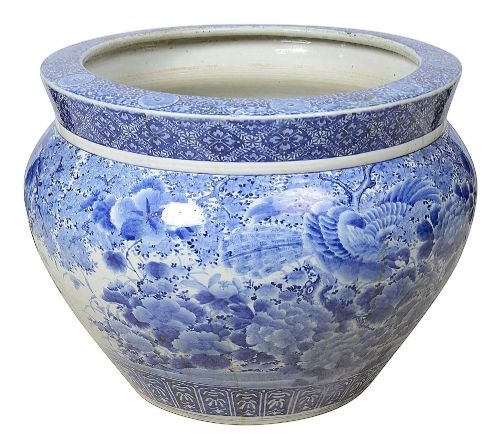
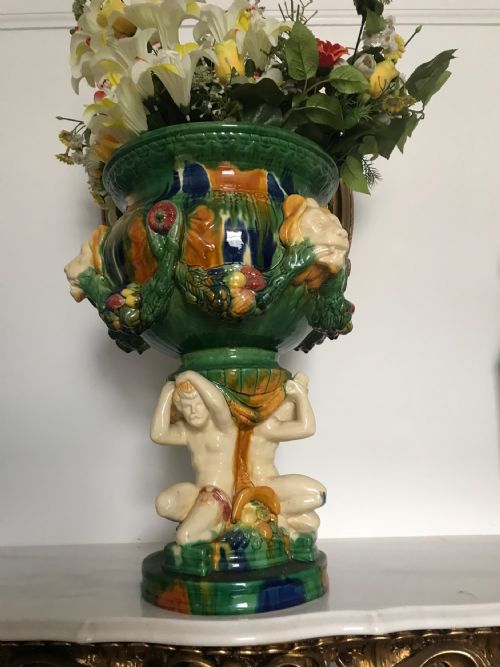
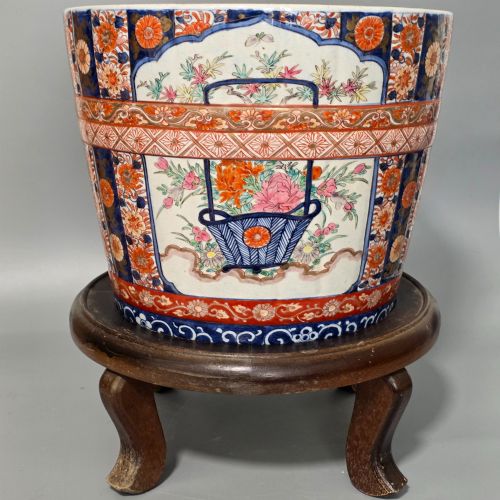
A large ceramic jardiniere functions primarily as an indoor or conservatory plant holder, often appearing alongside matching pedestals, stands, or figural bases. These pieces span diverse global traditions, notably English Victorian majolica, Chinese fish bowls, and Japanese Imari porcelain.
The English examples lean towards earthenware and terracotta for conservatory or patio use, while majolica taste pieces exhibit vibrant coloured glazes and figural embellishments like lion heads. Asian ceramics arrive via Chinese blue and white porcelain alongside Japanese Imari wares from the late nineteenth century.
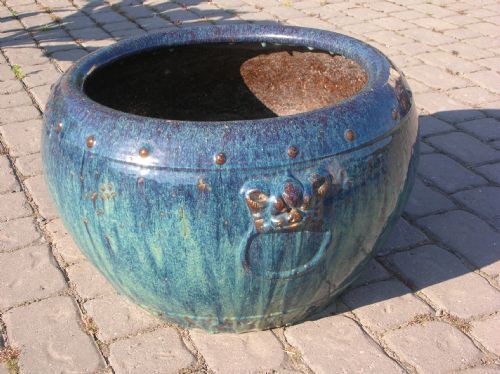
Art Deco pottery and Art Nouveau porcelain introduce later stylistic variations, including specialised gres pottery designed to function as side tables. Buyers seeking this phrase encounter grand terracotta urns alongside heavily glazed earthenware planters intended for substantial botanical displays.
Materials and Technique
Potters shape these substantial vessels using heavy earthenware, stoneware, terracotta, and porcelain bodies capable of supporting wet soil and large root systems. Techniques range from wheel throwing for classic bowls to intricate mould casting for majolica figural stands and Italian Renaissance revival urns.
Makers apply complex glaze systems, including rich enamel decoration on Japanese Imari porcelain and thick majolica lead glazes over moulded earthenware. Chinese pieces utilise underglaze blue painting beneath clear protective coatings on high-fired porcelain or stoneware.
Some nineteenth-century vessels double as log bins, proving that grand Victorian flora holders easily adapt to holding firewood.
Craft and Character
Quality rests in the crispness of the moulded relief work, the depth and registration of hand-painted enamels, and the stability of the fired ceramic body. Superior examples maintain the structural integrity required for heavy planting without losing delicate surface detail.
The presence of matching original stands or pedestals elevates a piece, as does the sophistication of glaze application on majolica and Imari wares. Master potteries achieve a balance between sheer physical scale and refined decorative execution.
Minton·George Jones·Royal Dux·Samson
The Large Ceramic Jardiniere Glossary
- Majolica
- A type of earthenware covered with an opaque tin glaze and painted with bright colours. This technique produces glossy, highly decorative vessels with relief decoration.
- Imari
- Japanese porcelain decorated in underglaze blue, iron red, and gold. The style originates from Arita and gained popularity across Europe during the nineteenth century.
- Gres
- French term for stoneware fired at very high temperatures. This dense ceramic material resists water absorption and suits heavy architectural planters.
- Terracotta
- Unglazed or slightly glazed fired clay ranging in colour from orange to brown. Gardeners utilise these porous urns primarily for large plant containers.
Large Ceramic Jardiniere: Frequently Asked Questions
What is a large ceramic jardiniere used for?
These vessels serve primarily as decorative plant holders for large indoor or conservatory flora, housing potted plants directly or functioning as standalone decorative urns. Victorians utilised them in parlours and orangeries to bring grand horticulture indoors.
Over time, collectors have also repurposed certain tall examples as umbrella stands or distinctive low side tables.
How do I tell Japanese Imari from Chinese porcelain?
Japanese Imari pieces typically combine iron red, underglaze blue, and gold highlights within crowded panel designs, often dating from the Meiji period. Chinese porcelain vessels, such as traditional fish bowls, frequently feature deep cobalt blue and white botanical or figurative motifs.
Examining the clay body and glaze pooling underneath helps clarify the specific East Asian ceramic tradition.
Can these planters be used outdoors?
Terracotta and heavy stoneware variants handle patio and garden environments well if protected from freezing winter temperatures that cause waterlogged clay to crack. Glazed earthenware and delicate porcelain vessels remain better suited for indoor conservatories or sheltered orangeries.
Assessing the ceramic density and glaze coverage determines safe placement for each individual planter.
Why do some pieces include stands?
Grand majolica and Japanese planters often accompanied matching ceramic or wooden pedestals to elevate heavy botanical displays and improve room visibility. Associated stands raise the overall silhouette and complete the architectural presentation.
Finding a jardiniere paired with its original matching stand remains a significant marker of historical completeness.