


Large Bronze Desk Sculpture
A large bronze desk sculpture brings substantial weight and classical or animalier presence to a working surface, combining decorative ambition with functional utility.
Large Bronze Desk Sculpture
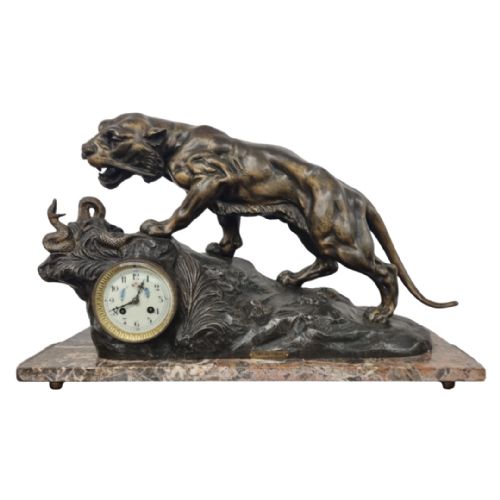
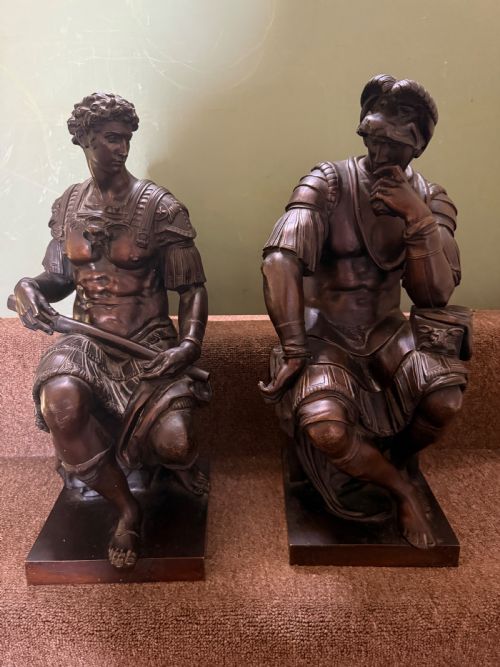
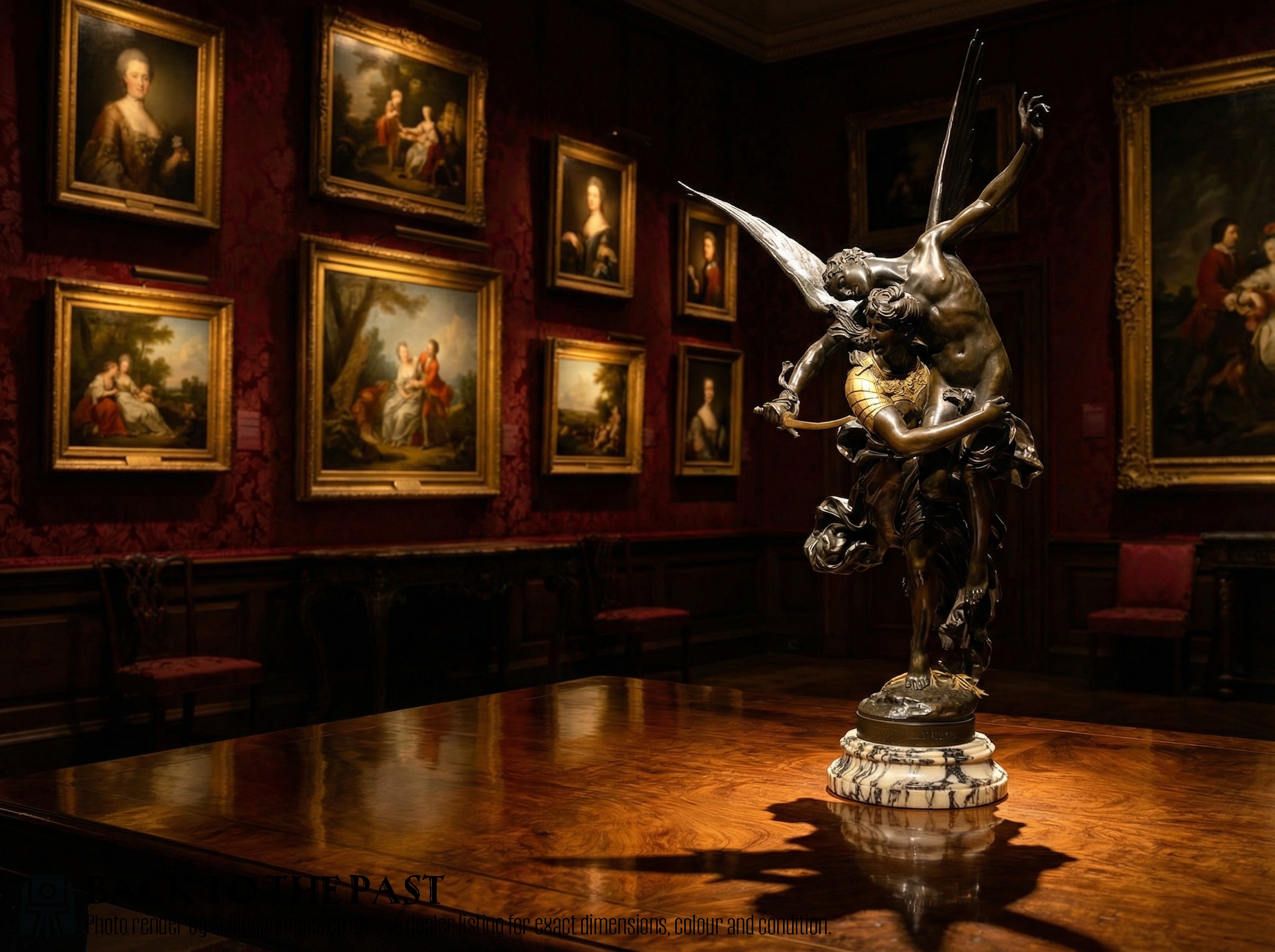
A large bronze desk sculpture typically manifests as heavy figural work, monumental lamps, or functional inkwells rooted in nineteenth-century and early twentieth-century design. When searching for a large bronze desk sculpture, buyers encounter French Animalier subjects, Renaissance Revival figures, Neoclassical heroes, and French Art Deco panthers or lighting pieces.
The objects span periods from the late nineteenth century through the nineteen-fifties, originating primarily from French and Italian workshops. Many incorporate subsidiary materials like marble bases, crackle glass, or brass to support the heavy metalwork.
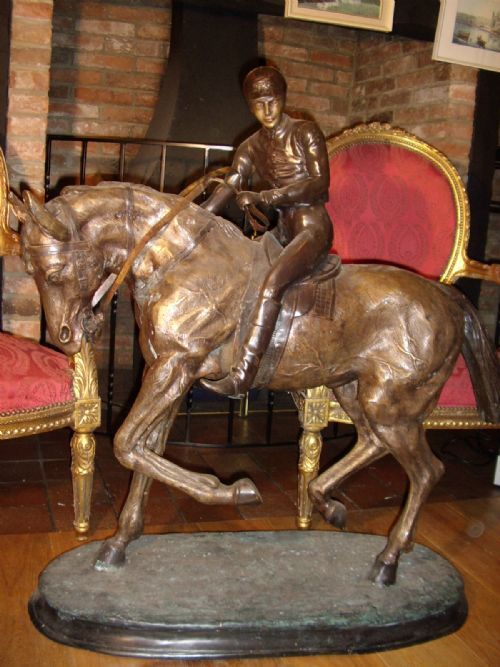
The physical form varies from equestrian monuments and mythological busts to domestic animals and decorative night lights. These pieces frequently double as mantel clocks or monumental lamps while retaining their foundational sculptural identity.
Materials and casting methods
The primary material is cast bronze, alongside patinated bronze and spelter utilised in twentieth-century iterations. Founders employed careful casting techniques to achieve fine detail in subjects ranging from human figures to racehorses and hounds.
Many sculptures and lamps are mounted upon heavy black or variegated marble bases to provide stability and visual contrast. Subsidiary elements frequently include brass fittings, enamel highlights, and crackle glass components.
Some sculptures double as night lights, ensuring fierce bronze Alsatians illuminate your hallway after dark.
Quality variations in the metalwork
Quality rests upon the crispness of the cast and the sensitivity of the chasing work applied after metal removal from the mould. Superior examples retain sharp facial expressions, muscular definition, and clear signature incisions without smoothing or softening.
The richness and depth of the original patina distinguish finer castings from later or secondary productions. The integration between the heavy metal sculpture and its supporting marble or wooden base also dictates overall structural integrity.
R Varnier·Pierre Jules Meme·Emile Picault·Barbedienne·Aug Moreau·Christophe Fratin
The Large Bronze Desk Sculpture Glossary
- Animalier
- A nineteenth-century artistic focus on the realistic portrayal of animals, particularly predators, horses, and hounds. French sculptors popularised this dynamic movement.
- Spelter
- A zinc alloy frequently utilised as a cost-effective alternative to bronze, especially during the Art Deco period. It accepts patination well but possesses a lighter weight and softer structural strength.
- Grand Tour
- Souvenir artworks purchased by wealthy travellers in Italy during the nineteenth century, often replicating classical Renaissance bronzes. These miniature and monumental castings celebrate classical antiquity.
- Patina
- The surface coloration and sheen developed naturally over time or applied chemically by the founder. It enhances the visual depth of the metallic contours.
- Chasing
- The manual finishing process where a metalworker refines the surface of a raw bronze casting with chisels and punches. This step restores details lost during the moulding process.
Large Bronze Desk Sculpture: Frequently Asked Questions
What defines a large bronze desk sculpture?
These pieces comprise substantial figural castings, heavy inkwells, and monumental lighting fixtures designed for prominent display surfaces. They generally date from the nineteenth and early twentieth centuries.
Subjects range from classical mythology and equestrian figures to French animalier studies and Art Deco panthers.
How do I distinguish bronze from spelter?
Bronze exhibits greater weight, a resonant metallic density, and wears through handling to reveal warm metallic tones beneath the dark patina. Spelter feels lighter and softer to the touch.
Many Art Deco figures utilise spelter mounted upon marble bases rather than solid bronze.
Where were these sculptures made?
The majority originate from French foundries and Italian workshops producing Grand Tour souvenirs. Makers active in Paris and provincial centres supplied both domestic and international markets.
Stylistic influences draw heavily from neoclassical academies and nineteenth-century animalier traditions.
How should I clean a bronze sculpture?
Dust gently with a soft, dry brush to prevent accumulation in the recessed crevices of the casting. Avoid chemical polishes that strip away the patination.
Maintaining the original surface chemistry preserves both the aesthetic character and the historical integrity of the metal.