


Military Bronze Ornament
These military bronze ornament pieces capture historical figures, field guns and soldiers in enduring metal, offering tactile connections to past conflicts and leaders.
Military Bronze Ornament
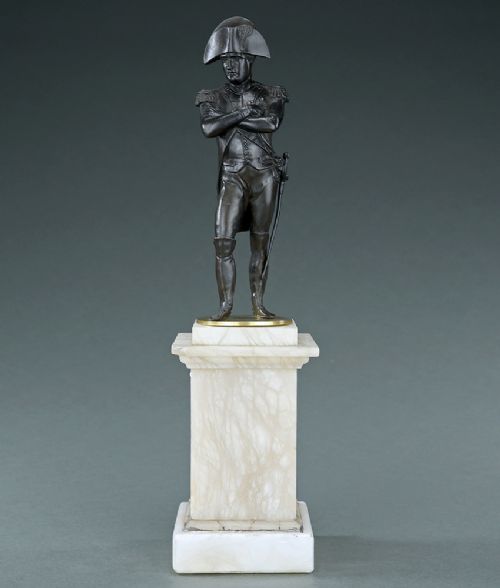
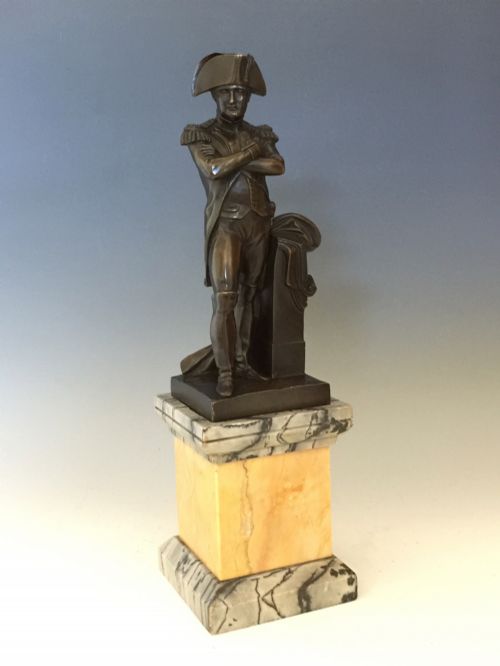
A military bronze ornament brings historical campaigns and figures directly into the home through small sculptures, desk accessories and vehicle mascots. When searching for a military bronze ornament, buyers encounter desk ornaments, paperweights, car mascots and scale models of field guns dating from the nineteenth century to the mid twentieth century.
The nineteenth century pieces heavily feature depictions of Napoleon Bonaparte, either standing or on horseback, reflecting a persistent fascination with the French leader. Other subjects include Austrian cavaliers, soldiers and detailed artillery pieces such as Gribeauval field guns.
French workshops dominate the origins of these items, alongside Victorian Austrian figures and British automotive accessories. Formats range from cabinet sculptures set on marble bases to functional desk objects intended for daily use.
How they were made
Foundries produced these metal objects primarily through casting, creating detailed figures in bronze, patinated bronze and gilt bronze. Iron and brass also appear alongside bronze in specific components like field gun models, while oak and green marble frequently provide heavy structural bases for figures and paperweights.
Napoleon appears so frequently on horseback that he outrides every single general and cavalryman in the collection.
What varies in quality
The fidelity of the casting dictates the sharpness of buttons, facial expressions and uniform braiding on figures of soldiers and leaders. Finer examples retain crisp tool work and subtle patination variations that distinguish them from coarser, mass-produced foundry output.
The choice and execution of the base material significantly influence the overall weight and presence of the piece. High quality mountings utilise polished green marble or solid oak that securely anchors the metal sculpture without distracting from the primary subject.
Emile Guillemin·Phineas
The Military Bronze Ornament Glossary
- Patinated bronze
- Bronze that has been chemically treated to alter its surface colour, usually achieving deep brown or greenish tones.
- Car mascot
- A decorative figurine mounted on the radiator cap of a motor car, popular during the early twentieth century.
- Gribeauval field gun
- An artillery piece designed following the standardisation system introduced by Jean Baptiste de Gribeauval.
- Gilt bronze
- Metal coated with a thin layer of gold, providing a bright, reflective surface finish on decorative ornaments.
- Desk ornament
- A small decorative object designed for placement on a writing table, combining aesthetic appeal with modest utility.
Military Bronze Ornament: Frequently Asked Questions
How were field gun models used?
Miniature artillery pieces served as desk ornaments, educational display items or mantle decorations for collectors interested in military history.
Their substantial weight from bronze and iron construction also allowed them to function occasionally as paperweights.
How do I identify French Empire style?
French Empire style pieces reflect the neoclassical taste associated with Napoleon, prioritising military themes, formal symmetry and classical authority.
This aesthetic manifests in bronze figures wearing period uniforms and equestrian groups mounted firmly on polished marble plinths.
Where were car mascots placed?
Automotive mascots attached directly to the radiator caps of motor cars during the early twentieth century to personalise the vehicle.
Their bronze and brass construction ensured they withstood exposure to weather while travelling on roads.