



Large Urns
Large antique urns bring classical presence to a room, appearing in porcelain, bronze, and terracotta across nineteenth-century and later designs.
Large Urns
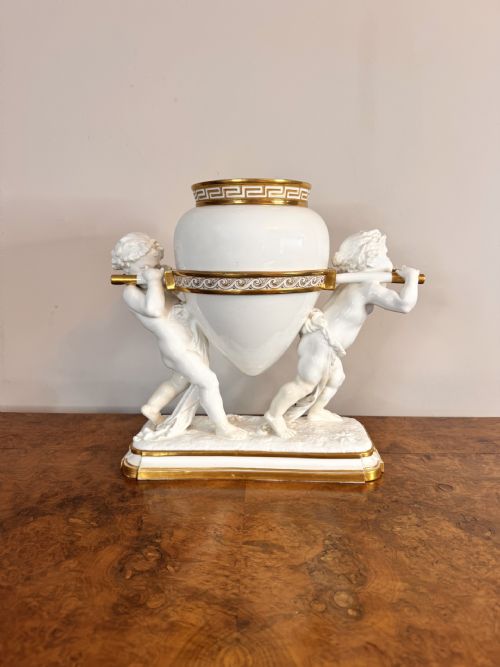
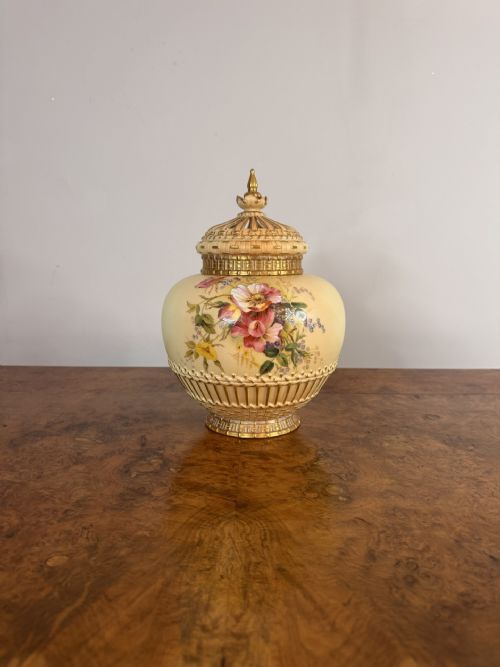
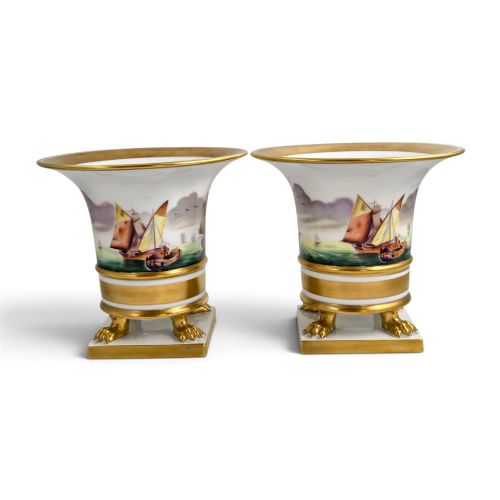
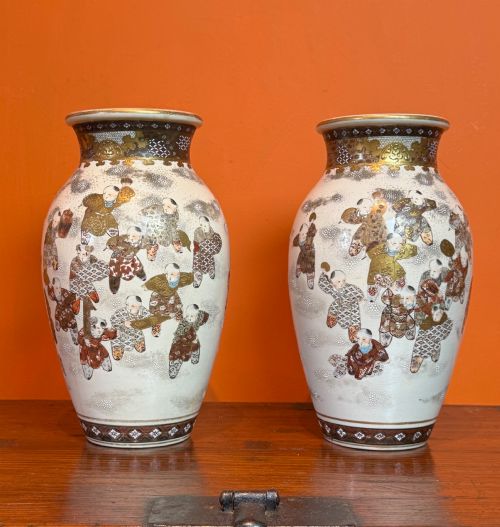
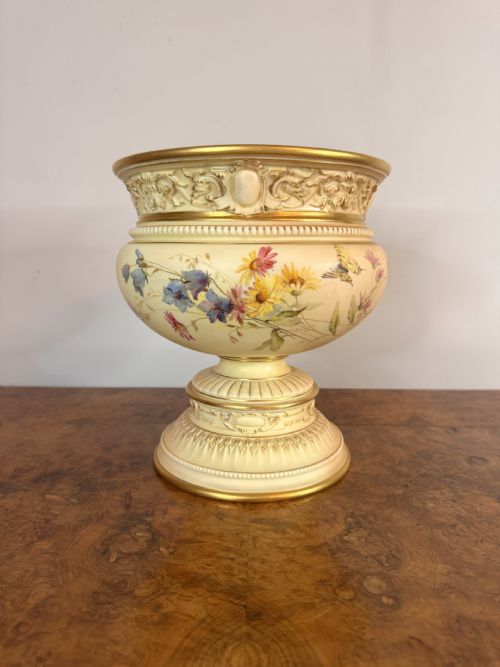
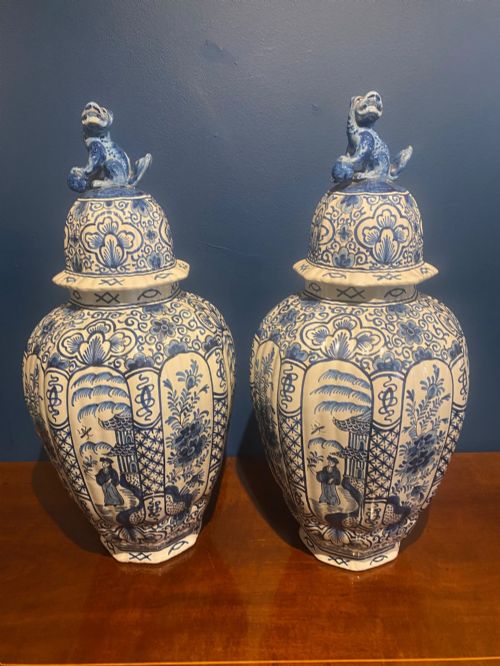
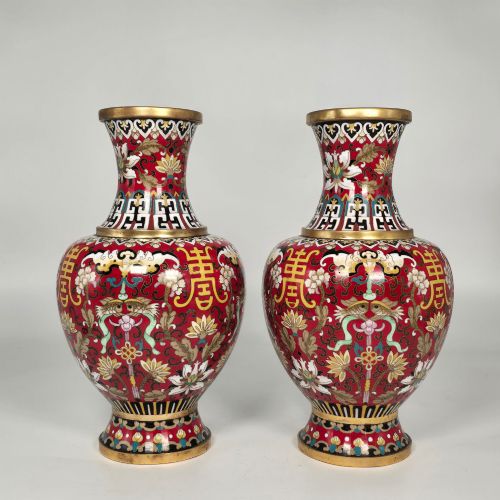
When searching for large antique urns, a buyer encounters substantial decorative vessels designed for domestic display or garden settings. The selection spans nineteenth-century porcelain, cloisonné enamel, and bronze, often appearing in matched pairs.
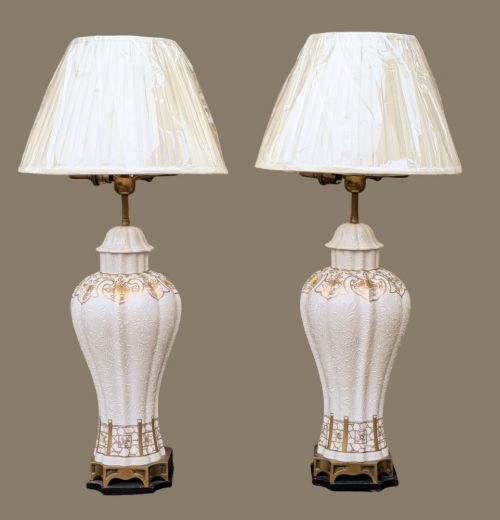
Most pieces date from the nineteenth century, including Victorian earthenware and Japanese Meiji period works. Forms range from garden planters and jardinières to floor-standing vases and table lamps.
Origin points vary widely, covering European factories like Royal Worcester and Paris alongside Asian workshops producing Imari and Satsuma wares. Buyers often meet cast iron garden urns alongside indoor decorative vessels.
How they were made
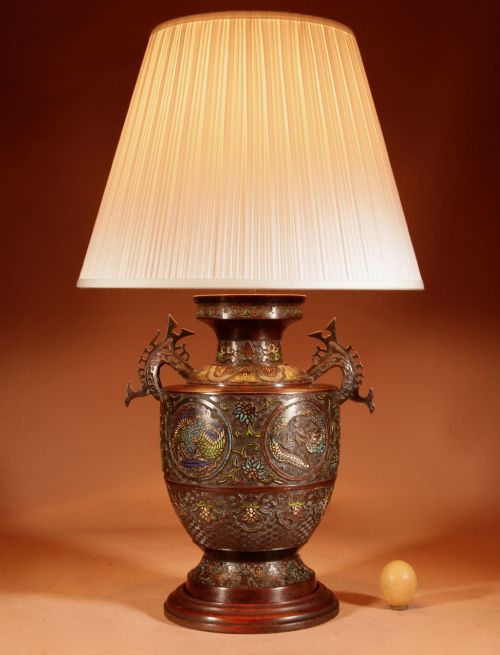
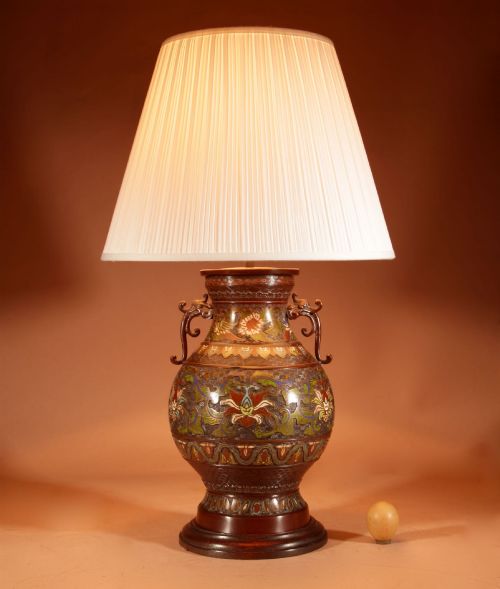
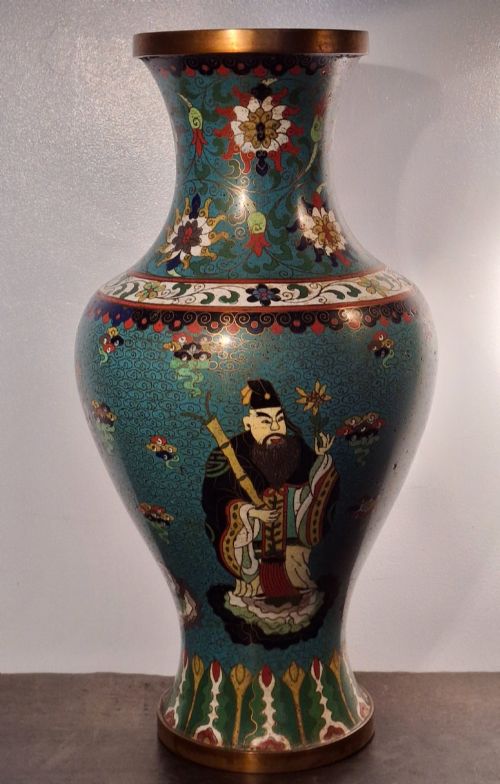
Construction relies on traditional metalworking, ceramic firing, and stone casting techniques. Cloisonné pieces utilise wire cells soldered to metal bases before enamel application, whilst bronze works employ casting methods.
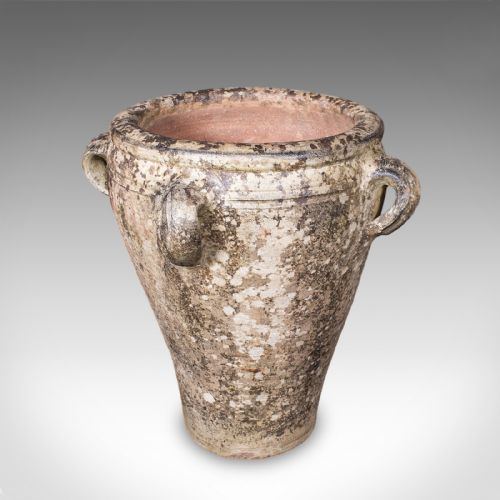
Terracotta and earthenware examples undergo kiln firing, sometimes finished with hand-painted glazes or gold leaf details. Carved timber and cast iron versions demonstrate period joinery and foundry practices.
Large Urns Retail Price Guide 2026
Typical asking prices for large urns among the pieces listed under this phrase on Sellingantiques today, from the lower quarter to the upper quarter. They describe what is for sale here now, not the wider market.
A cast iron garden urn can easily weigh as much as a sturdy retriever.
What varies in quality
Quality rests upon the crispness of surface detail, whether hand-painted enamel figures, cast bronze relief work, or carved pine gilding. Superior examples show precise control over proportion and kiln temperatures.
The integrity of the material substance dictates durability, particularly in cast iron garden pieces and bronze mounts set upon marble bases. Finer pieces retain original surface finishes and distinct maker or base marks.
Royal Worcester·Royal Vienna·Burmantofts
The Large Urns Glossary
- Campana
- A bell-shaped garden urn profile originating in classical antiquity and cast in iron or terracotta during the nineteenth century. These vessels often sit on stone pedestals.
- Cloisonné
- A metalwork technique where fine wires create raised compartments on a vase surface to hold coloured enamel pastes. The piece is then fired and polished.
- Satsuma
- A type of earthenware pottery from Japan featuring a crackle ivory glaze decorated with polychrome enamels and gilding. Pieces often depict historical figures or hundred boys patterns.
- Jardinière
- A large ornamental pot or stand designed to hold growing plants or flowers. They appear in porcelain, earthenware, and copper.
Large Urns: Frequently Asked Questions
How were large antique urns used?
Many large antique urns served as decorative centrepieces in grand reception rooms or landscaped gardens. Garden variants held plantings, whilst indoor porcelain and bronze versions stood on floors, mantels, or dedicated pedestals.
Over time, some substantial vessels were adapted into table lamps or fitted with clock movements. Their primary function remained sculptural and decorative, signalling taste and classical influence.
Where should I place a heavy garden urn?
Heavy cast iron or terracotta garden urns require stable, level ground to support their substantial weight safely. Placing them on stone pedestals prevents damp penetration and improves visibility in a garden layout.
Indoors, large floor-standing vases need secure corners away from foot traffic where they cannot be easily knocked. Weight distribution must be checked if placing metal vessels on sensitive flooring.
How do I distinguish nineteenth-century styles?
Nineteenth-century pieces reflect a revival of historical movements, including French Empire, Neoclassical, and Victorian aesthetics. Examining the decorative motifs, such as Daoist immortals, floral panels, or classical figures, reveals the cultural influence.
Materials also guide identification, with cloisonné enamel, parian porcelain, and bronzed spelter pointing to specific manufacturing periods and regional workshops.
Can these urns be cleaned safely?
Dusting with a dry, soft cloth suits most porcelain, cloisonné, and painted surfaces without risking the finish. Metal components like bronze and copper benefit from gentle cleaning to preserve their natural patination.
Harsh chemical solvents and abrasive materials should be avoided entirely, particularly on gilded or hand-painted enamel areas. Terracotta and cast iron outdoors respond well to gentle washing with water.