

Large Statue
When you search for a large antique statue, you are looking at substantial figurative works cast in bronze, carved in timber or hewn from stone.
Large Statue
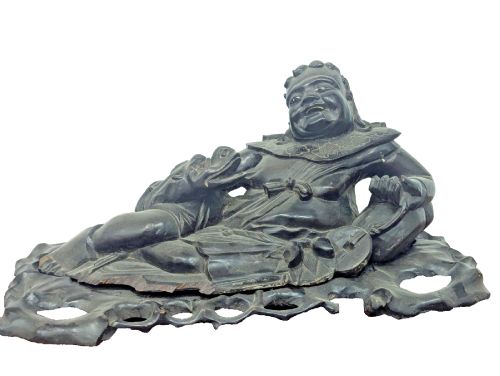
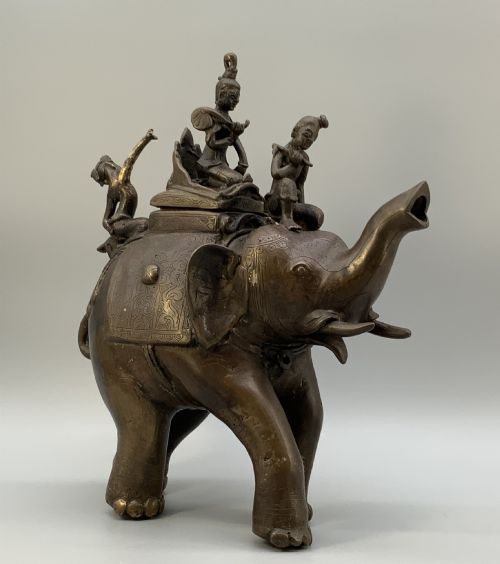
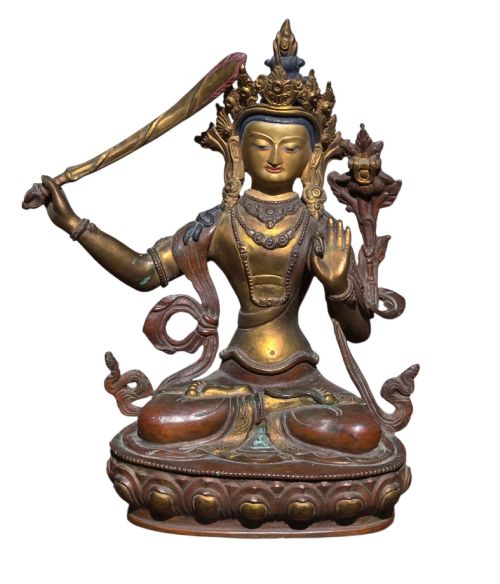
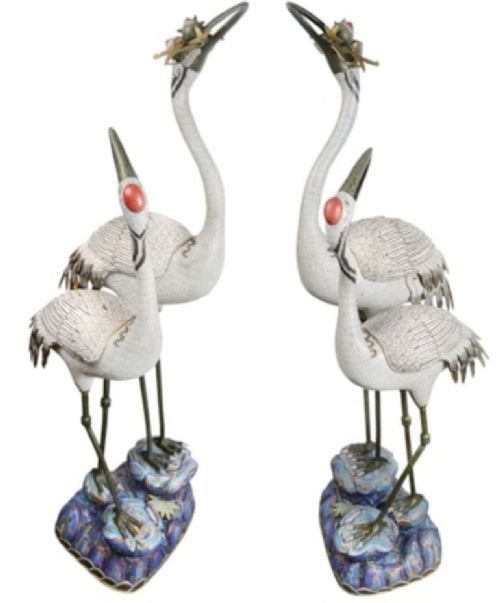
A large antique statue encompasses substantial sculptural works originating from the eighteenth, nineteenth and early twentieth centuries, spanning European, Asian and British traditions. Buyers encounter grand tour bronzes, carved hardwood animals, porcelain birds, and heavy stone or terracotta garden figures.
The objects take many forms, from classical deities and mythological heroes to wildlife studies, human busts and decorative figures. These pieces served as interior centrepieces, garden ornaments, or architectural finials, designed to command attention within a room or courtyard.
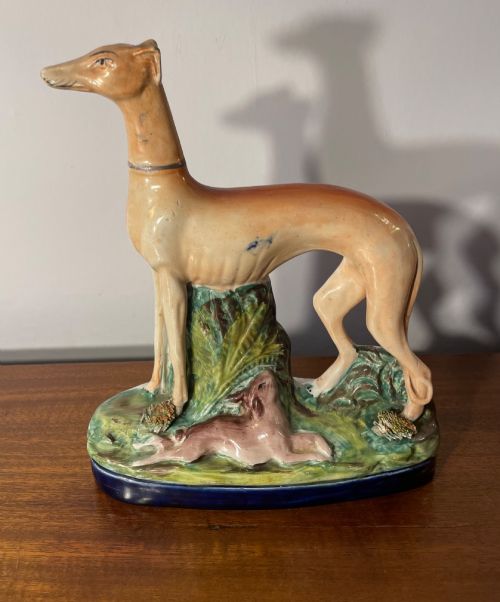
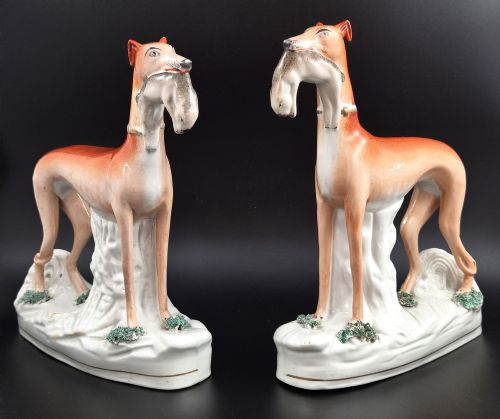
The selection ranges from French patinated bronzes and Black Forest wood carvings to Staffordshire ceramic greyhounds and Orientalist plaster figures. Each piece reflects the aesthetic priorities of its period, moving through Neoclassical, Art Nouveau, and Victorian tastes.
Materials and construction methods
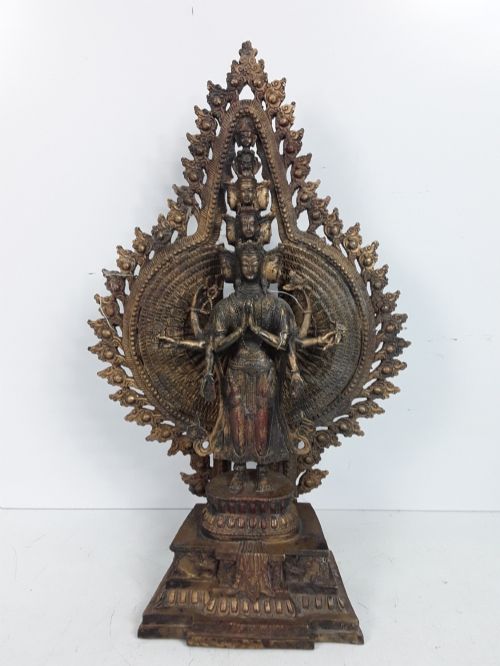
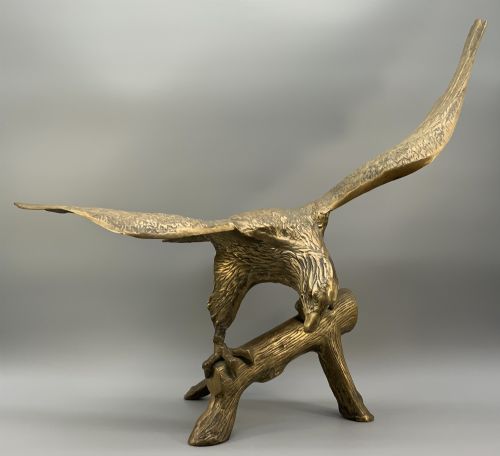
Metal sculptures rely upon traditional foundry techniques, utilising bronze, gilt-bronze, or bronzed spelter cast from models often associated with notable foundries or sculptors. Patination was applied chemically to achieve deep green, brown, or dark finishes on the metal surface.
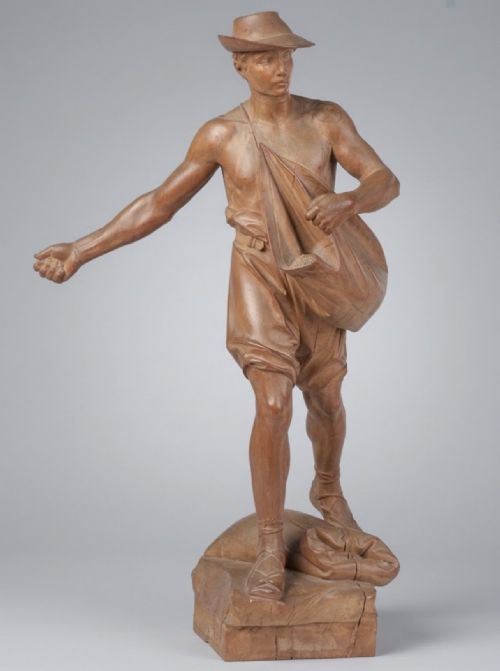
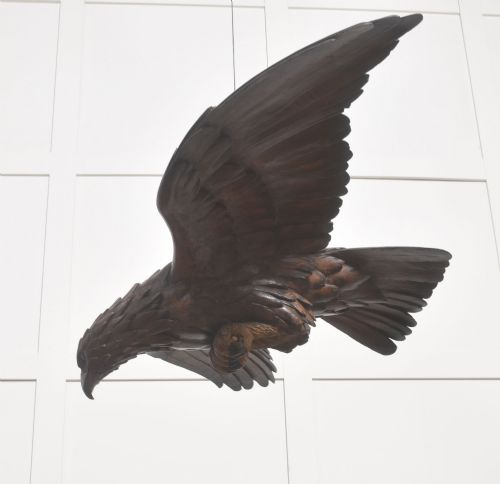
Carved pieces employ dense timbers such as fruitwood, linden wood, oak and hardwood, shaped by hand using chisels and gouges to render fine details in fur, feathers and drapery. Softer mediums such as alabaster, marble and plaster allow for smooth, polished surfaces and crisp facial expressions in busts and figures.
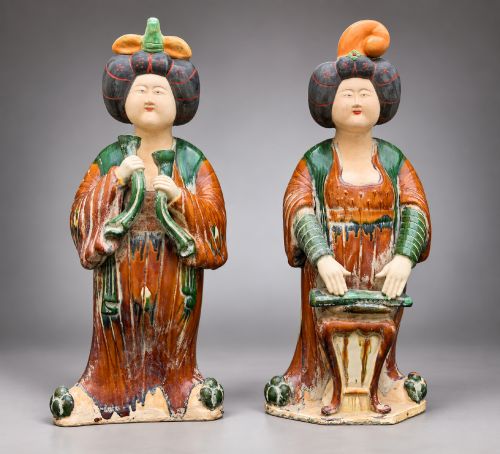
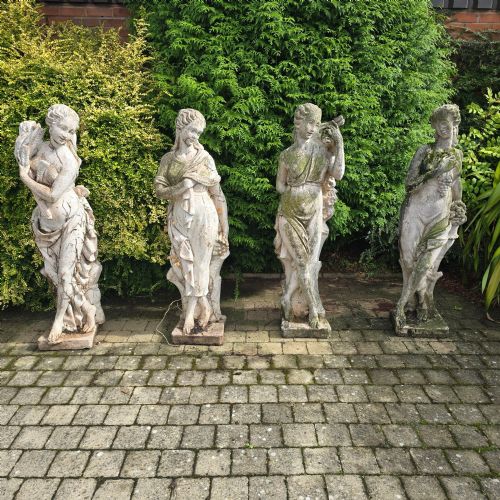
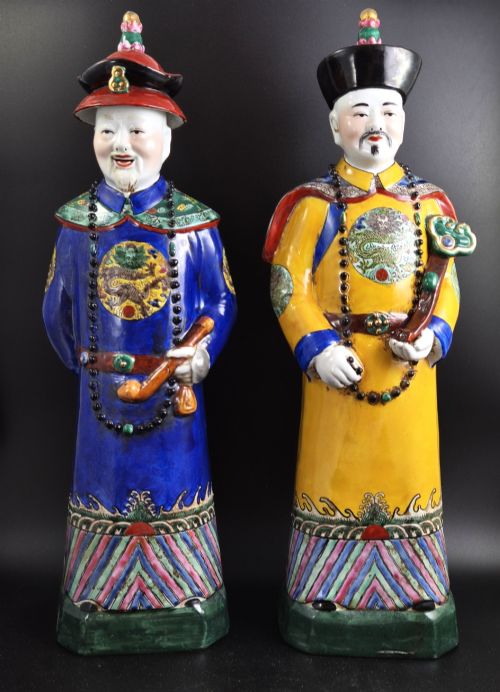
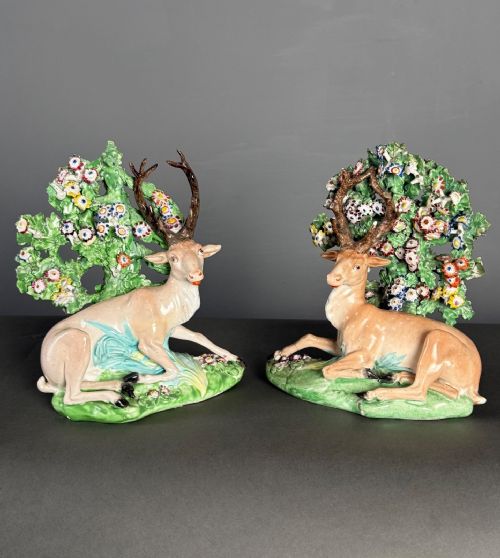
Ceramic and pottery figures draw upon porcelain, enamel and earthenware glazes, fired in kilns to set vibrant polychrome or monochrome surfaces. Composite stone and terracotta utilise moulded aggregates suited for exterior display and weathering.
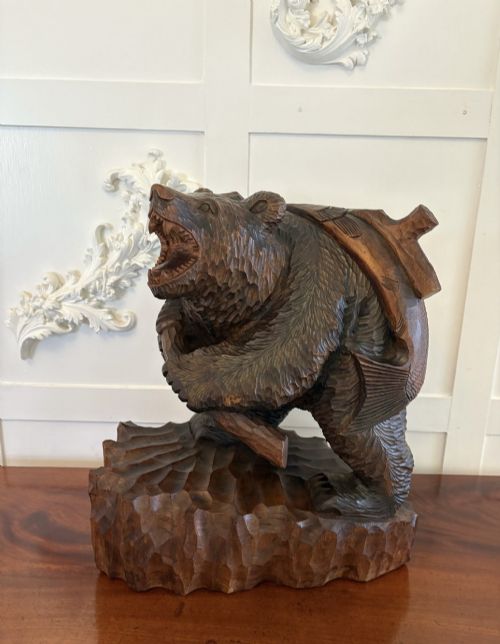
Among the deities and emperors stand a carved wooden bear carrying a fish and a bronze racehorse ridden by an ambitious jockey.
Distinctions in execution and finish
Quality rests in the crispness of the modelling and the precision of the finishing work, where hand-chased bronze details or deeply undercut wood carvings separate superior examples from routine production. The fidelity of a cast or carving to its original classical or sculptural source dictates artistic merit.
The integrity of the material surface, whether an original patination on bronze, an undisturbed surface polish on marble, or polychrome pigment on plaster, preserves the intended visual impact. Heavier gauges of metal and denser woods provide structural stability appropriate to the scale of the object.
Ferdinand Barbedienne·Jomi Eisuke·F.Milliot·Pierre Jules Meme·Masaaki·A.Gamay·H. Schubert
The Large Statue Glossary
- Grand Tour
- A nineteenth-century tradition where wealthy travellers collected reduced-scale or full-size bronze souvenir copies of classical antiquities in Italy. These bronzes were prized for their rich patination and accurate reproduction of ancient forms.
- Patination
- The chemical or natural alteration of a metal surface over time, resulting in a distinct colouration and protective skin. A stable patina enhances the depth and visual texture of bronze sculptures.
- Spelter
- An alloy of zinc and other metals utilised as a cheaper alternative to bronze during the nineteenth century. Figures cast in spelter were frequently given a bronze-finish paint to simulate genuine metalwork.
- Okimono
- A Japanese decorative freestanding figurine or carving designed for display in a household setting. These pieces often depict animals, deities or figures from folklore carved in wood, ivory or cast in bronze.
- Chasing
- The manual post-casting process of refining a metal sculpture using hammers and punches to sharpen details and remove casting flaws. Fine chasing distinguishes high-tier foundry work from basic commercial casts.
Large Statue: Frequently Asked Questions
How do I clean a bronze statue?
Bronze surfaces benefit from gentle dusting with a soft brush and occasional treatment with microcrystalline wax to protect the patina. Avoid using water, abrasive cleaners or chemical polishes that strip the surface finish.
Allow a natural protective layer to remain rather than striving for a bright metallic shine. Proper maintenance preserves the historical appearance and integrity of the metal.
Where should I place a heavy stone statue?
Heavy stone and terracotta figures require a stable, level foundation capable of supporting considerable weight without shifting. Garden pieces need proper drainage underneath to prevent moisture absorption and frost cracking during winter months.
Interior stone or plaster busts demand sturdy surfaces such as dedicated pedestals or reinforced tables. Position them away from direct heat sources to prevent material stress.
What is the difference between bronze and spelter?
Bronze is a durable alloy of copper and tin that yields heavy, resonant sculptures capable of holding sharp chased details. Spelter is a softer zinc-based alloy that feels lighter and shows a more brittle fracture if damaged.
Magnification often reveals the underlying grey metal beneath chipped bronze-finish paint on spelter figures. Bronze maintains its structural colour throughout the material depth.