



19th Century Terracotta Figurine
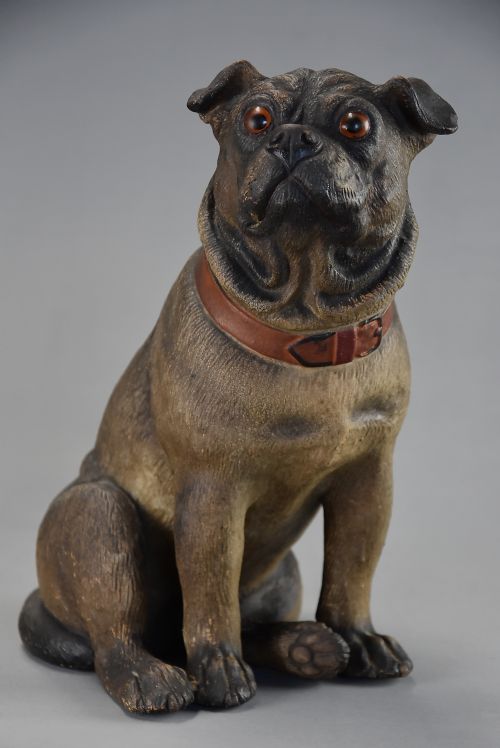
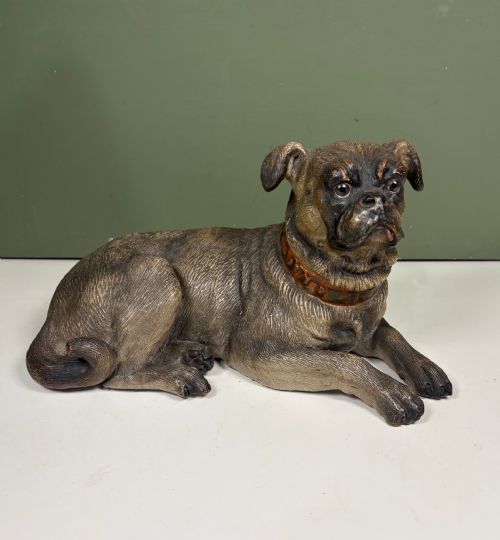
A 19th century terracotta figurine brings tactile warmth to a room through modelled earth and expressive detail.
19th Century Terracotta Figurine
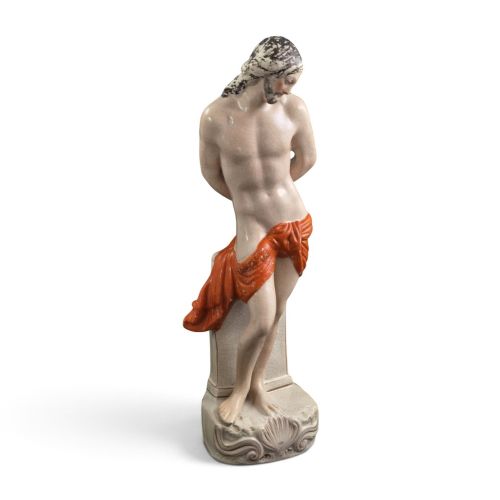
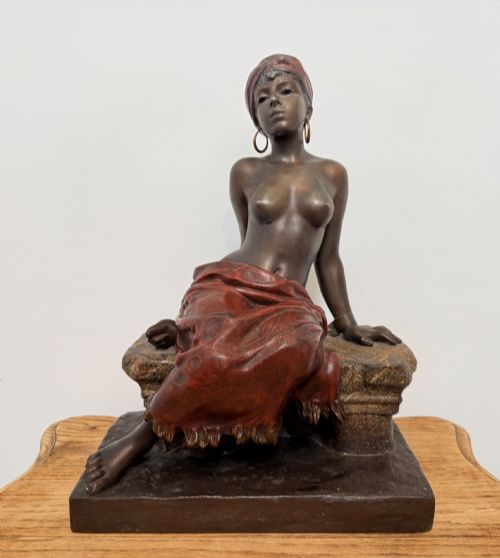
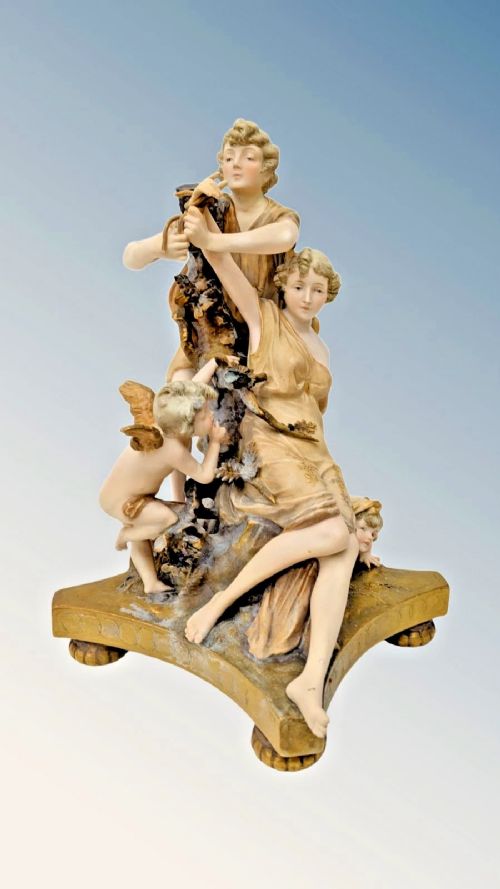
A 19th century terracotta figurine encompasses sculptural figures, decorative busts, and animal studies modelled from clay across the Victorian and Art Nouveau periods. These objects range from small domestic ornaments to substantial life size busts originating from British, French, Italian, Austrian, and Chinese workshops.
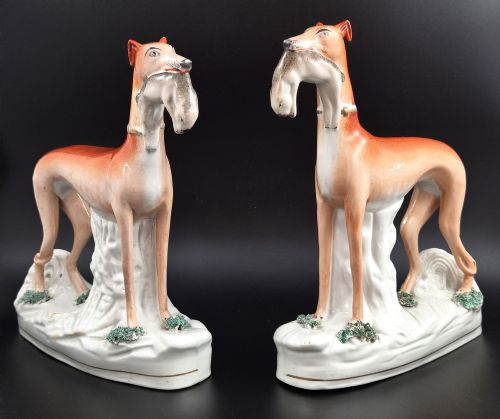
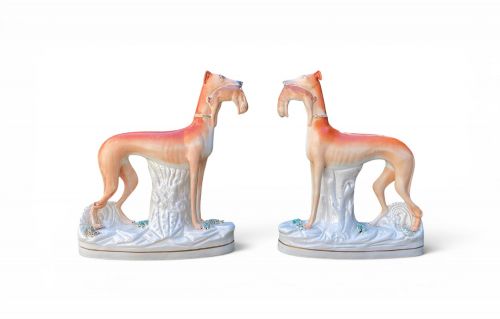
The selections encountered here frequently include Staffordshire pottery dogs such as greyhounds and spaniels, alongside continental figurative works and animal sculptures from pottery centres in Normandy and beyond. Buyers select these pieces for their rich surface texture and the direct expression captured by the modeller.
Materials and methods
Modelling techniques combine hand finishing with mould pressing, allowing workshops to produce detailed human figures, portrait busts, and animal pairs with consistent anatomical precision. The physical handling of the clay prior to firing preserves the individual touch of the sculptor or the uniformity of the studio edition.
Materials documented across the selection include terracotta, earthenware, porcelain, and glass, alongside various glaze and enamel finishes.
Assessing quality and distinction
Quality in these sculptures rests upon the crispness of the modelling and the sensitivity with which facial expressions, drapery, and textures are rendered in the clay. Superior examples exhibit fine anatomical definition and careful hand finishing that survives the kiln firing without distortion.
The reputation of the maker and the presence of factory marks or distinct studio signatures elevate certain pieces above standard domestic wares. The preservation of original painted or glazed surfaces further distinguishes exceptional works from simpler utilitarian productions.
E Villanis·Thomas Parr·Royal Dux·Ernst Whaliss·Pietro Calvi·Joseph Gott·Goldscheider
The 19th Century Terracotta Figurine Glossary
- Terracotta
- A porous, fired clay body ranging in colour from pale buff to deep reddish brown. It serves as the primary medium for unglazed or painted sculptures.
- Earthenware
- A broad category of pottery fired at lower temperatures, remaining porous unless sealed with a glaze. Staffordshire dog figures and animal studies are typically formed from this material.
- Lead glaze
- A glossy coating applied to pottery before a second firing to provide a waterproof and shiny finish. It often enhances the depth of surface colours on ceramic figures.
- Art Nouveau
- A decorative style prevalent in the late nineteenth century characterised by flowing organic lines and natural forms. Busts and figurative works from this period frequently display asymmetric plant motifs.
- Bust
- A sculpted representation of a person from the chest up. Terracotta examples from this era capture individual portraits and allegorical characters with striking realism.
19th Century Terracotta Figurine: Frequently Asked Questions
Where were these figurines displayed originally?
These decorative objects were designed primarily for interior display on mantelpieces, side tables, and pedestals within Victorian and continental homes. Larger busts and animal figures served as focal points in studies, drawing rooms, and hallways.
Pairs of animals, such as Staffordshire greyhounds, were traditionally positioned symmetrically beside fireplaces or on opposite ends of a sideboard.
How can I tell the difference between periods?
Mid nineteenth century pieces, such as early Victorian Staffordshire dogs, typically feature simpler hand painted details and robust earthenware bodies. Works from the late nineteenth century often incorporate stylistic elements of Art Nouveau or Orientalism with more refined modelling.
Maker marks, impressed numbers, and signatures provide definitive clues to the exact decade and workshop of origin.
Are these sculptures fragile?
Fired clay possesses inherent rigidity but remains vulnerable to chipping or breakage if dropped or struck sharply. Extremities such as fingers, ears, and noses on figurative works require careful handling during relocation.
Display these pieces on stable, level surfaces away from high traffic areas to prevent accidental impacts.