



Vintage Ceramic Female Figure
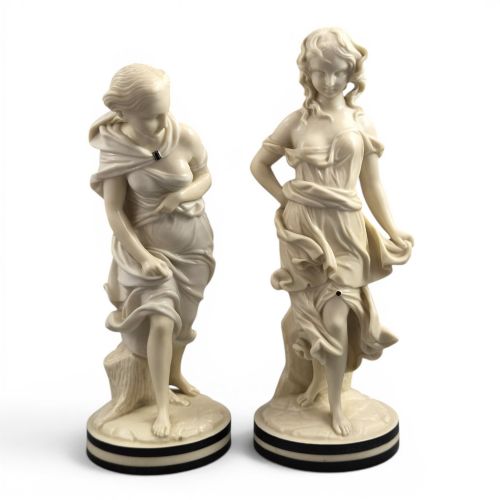
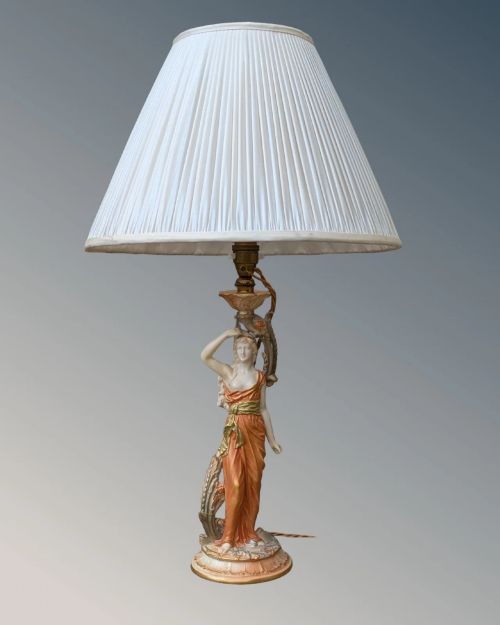
A vintage ceramic female figure brings the distinct styles of the late nineteenth and early twentieth centuries into a room.
Vintage Ceramic Female Figure
When searching for a vintage ceramic female figure, buyers encounter sculptures, decorative figurines, and table lamps originating from periods such as the Victorian era, the Edwardian years, and the 1920s and 1930s. These pieces depict subjects ranging from classical maidens and water carriers to Art Deco dancers and flappers.
The selection here draws heavily from notable European factories and workshops, with Royal Dux and Royal Worcester pieces appearing frequently alongside continental terracotta and porcelain works. Forms span from modest cabinet figurines to monumental figures and busts modelled with distinct regional aesthetics.
How They Were Made
Terracotta pieces relied on careful firing and patination to achieve earthy tones, while porcelain works underwent high-temperature kilning to set fine details like facial expressions and patterned garments.
Several ladies hold wicker baskets or jugs, seemingly caught mid-chore during their ceramic commutes.
What Varies in Quality
The application of glaze and gilding also dictates the finish, with superior pieces showing even coverage and careful burnishing rather than heavy or flat application across the ceramic body.
Royal Worcester·Royal Dux Bohemia·Bernard Bloch·Ernst Wahliss·Friedrich Goldscheider
The Vintage Ceramic Female Figure Glossary
- Biscuit
- Unglazed ceramic porcelain fired once to produce a matte, porous finish resembling marble.
- Terracotta
- A porous fired clay body ranging in colour from red to buff, often painted or patinated.
- Gilt
- A thin layer of gold applied to the surface of ceramic or terracotta figures.
- Figurine
- A small three-dimensional statuette representing a human or animal form.
- Glaze
- A glassy coating fused to ceramic ware through firing to colour, decorate, or waterproof the piece.
Vintage Ceramic Female Figure: Frequently Asked Questions
Where were these figures made?
The pieces originate from major European ceramic centres, including factories in Britain, Bohemia, Austria, and France.
Individual workshops and larger potteries each employed distinct regional styles and glazing techniques.
How do I identify Art Deco pieces?
Art Deco figures typically feature stylised geometries, dynamic poses of dancers or flappers, and clean, sharp lines.
They reflect the modern aesthetic of the 1920s and 1930s, contrasting with earlier flowing botanical forms.
What is the difference between porcelain and terracotta?
Porcelain is a hard, vitrified ceramic made from refined clay fired at high temperatures, usually finished with a glossy glaze.
Terracotta utilises a coarser, porous clay body that offers a matte, earthy texture suited to patinated sculptures.
How should I display a ceramic figure?
Place figures on stable flat surfaces away from direct sunlight and high traffic areas to protect delicate glazes and painted details.
Ensure table lamps are wired to modern safety standards if used for daily illumination.