


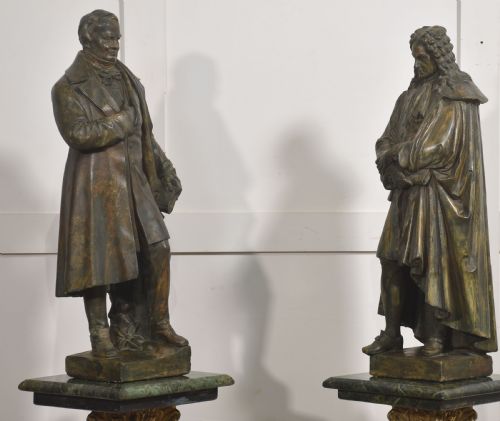

Antique Figurative Statue
When you search for an antique figurative statue, you enter a world of cast metal and carved stone portraying human form.
Antique Figurative Statue
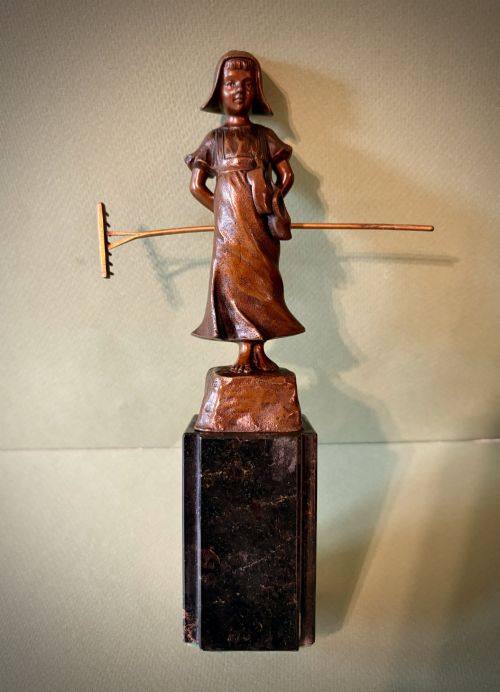
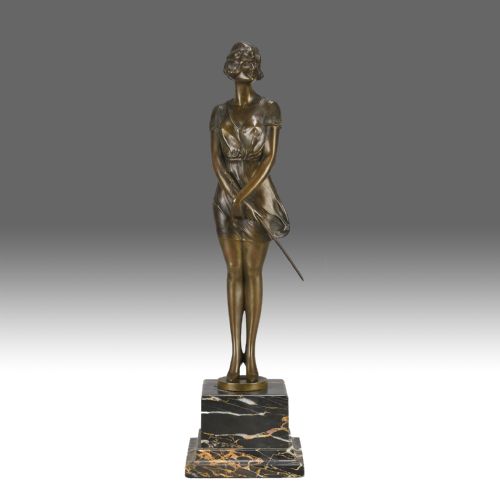
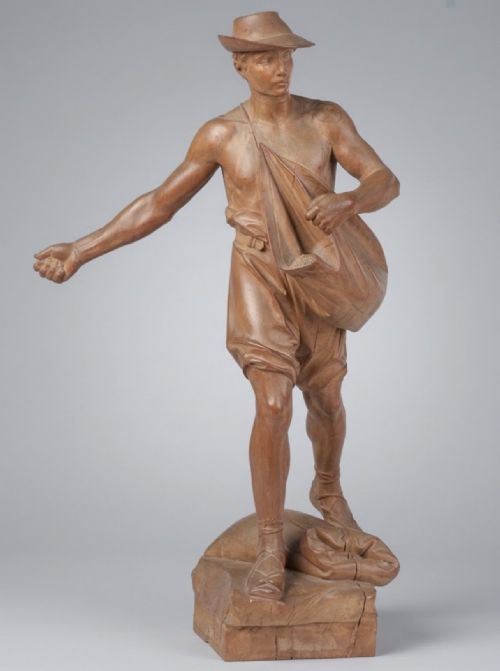
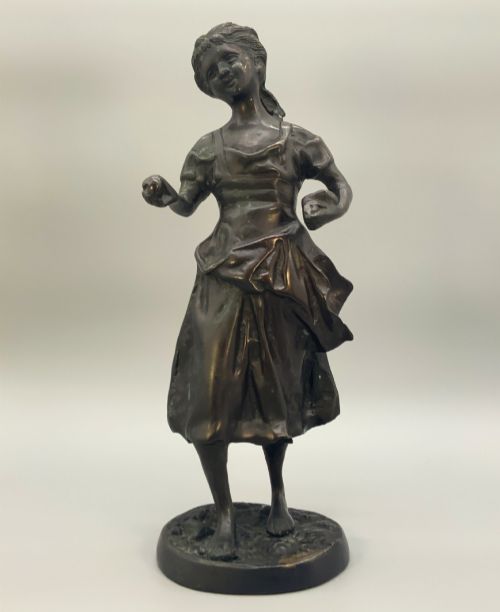
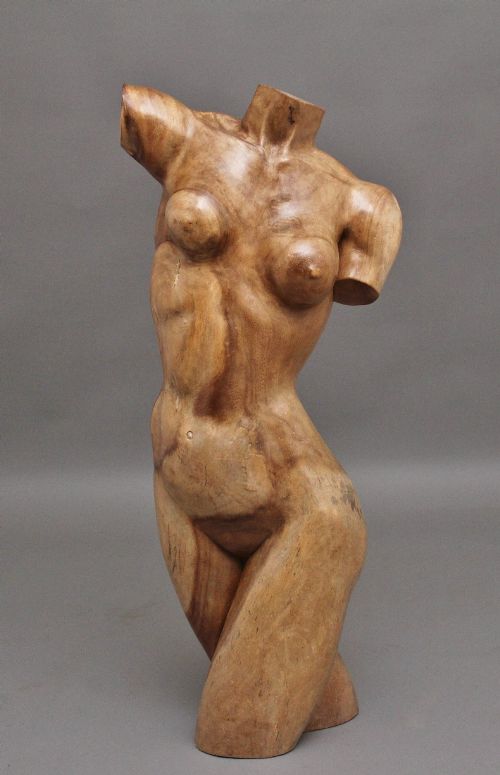
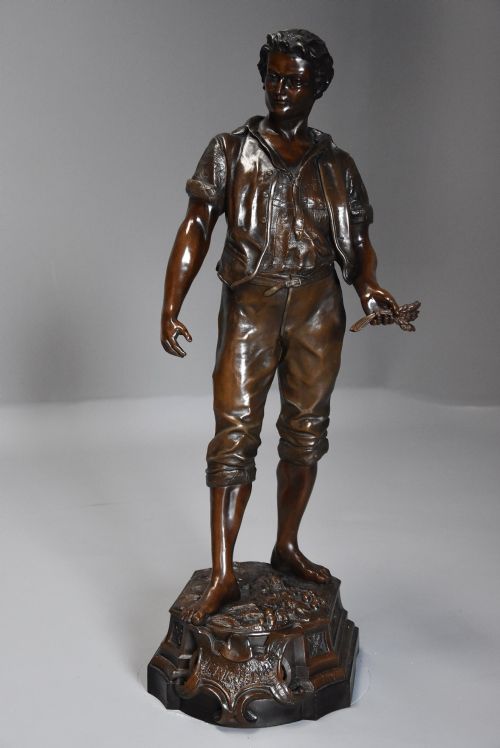
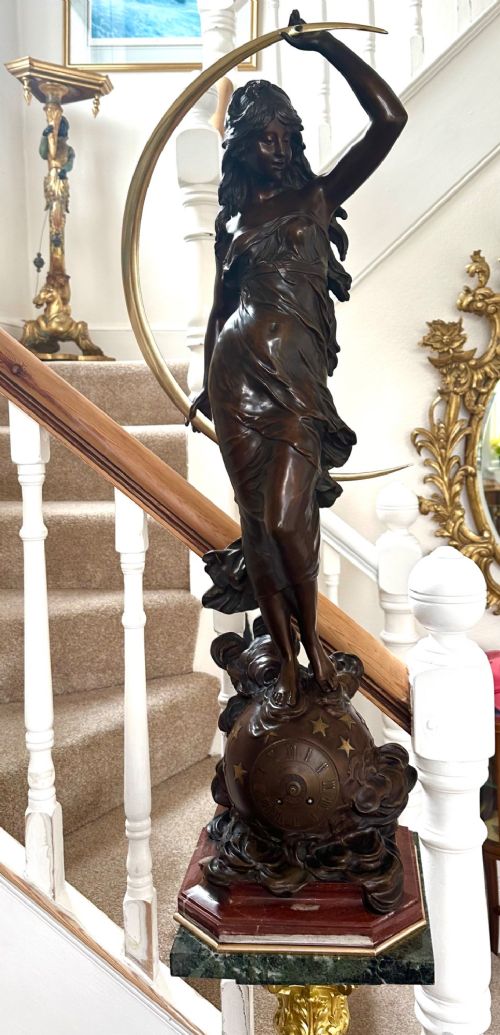
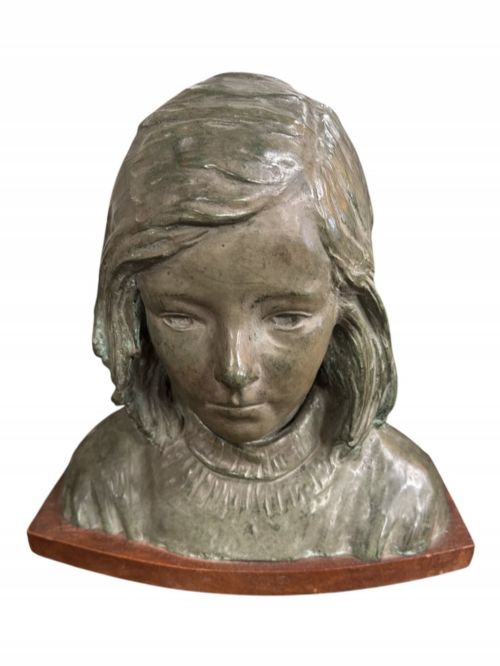
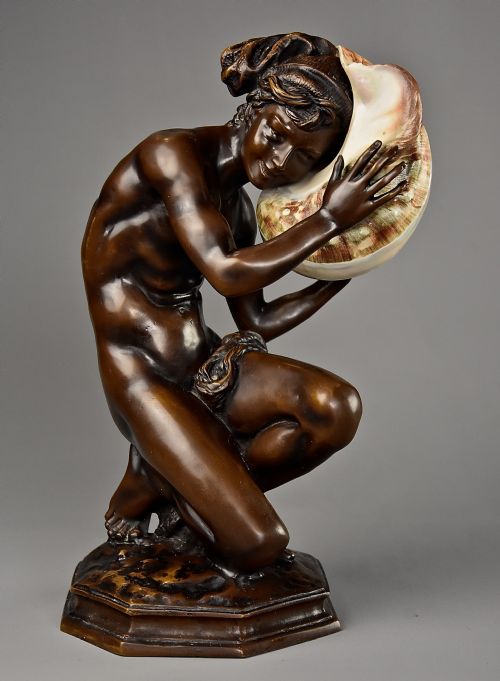
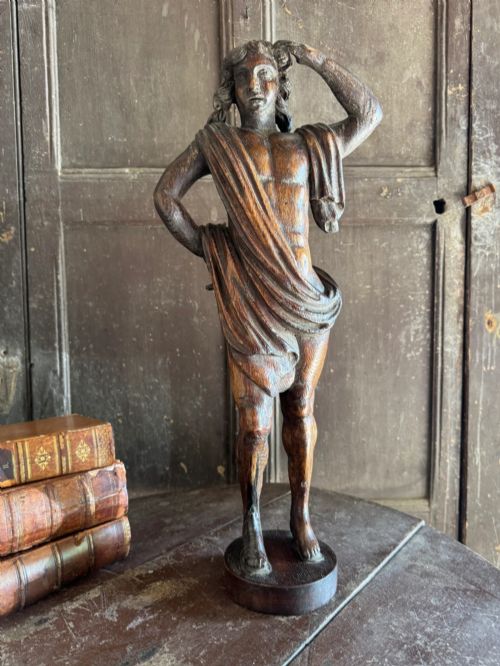
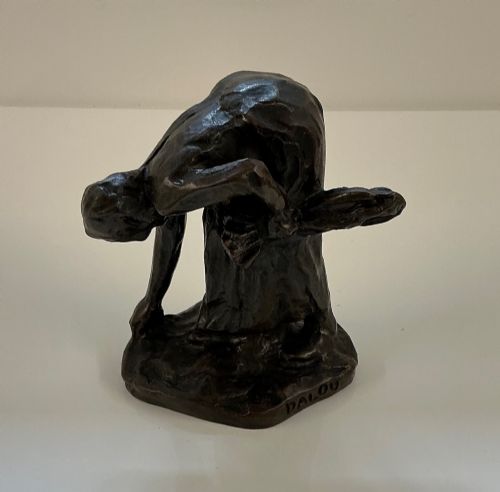
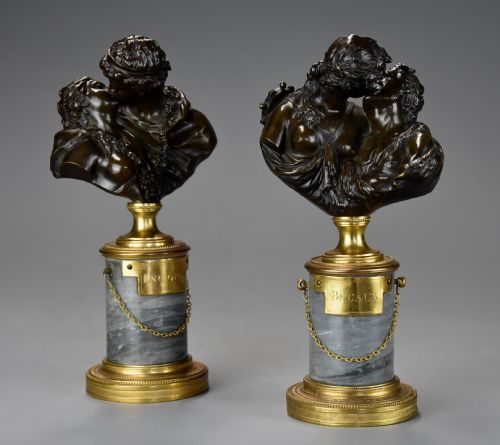
An antique figurative statue encompasses sculptural works in bronze, marble, wood, and spelter that depict people, from mythological figures and dancers to farm labourers and portrait busts. The examples gathered here span from the Georgian period through the nineteenth century and into the Art Deco era of the 1930s. Buyers will find standing nudes, classical groups, and portrait studies originating largely from French and continental European workshops.
Forms range from cabinet-sized portrait bronzes and carved fruitwood figures to life-size torsos, garden statues, and occasional utility pieces like marble and brass table lamps. The makers represented include notable nineteenth and early twentieth-century sculptors alongside foundry productions signed by artists such as Bruno Zach, Josef Lorenzl, and the Moreau family.
Materials and construction
Foundries produced metal figures through traditional casting methods, utilising bronze, patinated spelter, and cast iron, often finished with applied patinas or gilt surfaces. Sculptors carved directly into natural mediums, yielding pieces in marble, alabaster, limewood, fruitwood, and ebonised timber.
Moulders also employed slip casting for ceramic and chalk compositions, while woodcarvers utilised seasoned timber blocks for classical figures and panels. Surface treatments vary from polished marble to dark patinated bronze and painted or bronzed metal finishes.
The listings span from Georgian and 19th-century works to Art Deco pieces of the 1930s.
Quality and execution
Quality rests in the crispness of the chisel work on carved wood and alabaster, and the definition of the chasing on cast bronze and spelter. Superior castings preserve the subtle anatomy, drapery folds, and facial expressions intended by the sculptor, whereas weaker examples lose detail in secondary areas.
The choice of medium and the reputation of the foundry or artist significantly influence the standing of a piece. Signed works by recognised sculptors command attention for their sculptural balance and fidelity to the original model.
Bruno Zach·Josef Lorenzl·Moreau Family·Jean-Baptiste Carpeaux·Jules Dalou·Friedrich Goldscheider·Emmanuel Villanis·Mathurin Moreau
The Antique Figurative Statue Glossary
- Patinated bronze
- A bronze sculpture treated with chemical solutions to produce a specific surface colour, ranging from deep brown to green.
- Spelter
- An alloy of zinc and lead used as a less expensive alternative to bronze, frequently given a bronze-coloured finish.
- Chasing
- The manual refining of a raw metal casting using small punches and hammers to sharpen details and remove surface flaws.
- Grand Tour
- Souvenirs and small-scale classical statues acquired by travellers touring European cultural centres during the eighteenth and nineteenth centuries.
- Slip casting
- A ceramic manufacturing technique using liquid clay poured into plaster moulds to create hollow figures.
Antique Figurative Statue: Frequently Asked Questions
How do I clean a bronze statue?
Dust bronze pieces gently with a dry, soft cloth to prevent accumulation in recessed areas.
Avoid using water, soap, or abrasive polishes, as these agents strip the original patina.
What is bronzed spelter?
Spelter is a softer metal alloy composed primarily of zinc, utilised as an economical substitute for bronze in nineteenth-century figures.
Manufacturers applied a metallic coating to give the appearance of solid bronze.
How do I identify Art Deco figures?
Art Deco statues typically feature streamlined human forms, dancers, and stylised poses characteristic of the 1920s and 1930s.
Materials from this period often include cold-painted bronze, ivory elements, and marble bases.
Where were these statues made?
Many figures originate from French, Italian, and Austrian foundries and studios active during the nineteenth and early twentieth centuries.
Continental workshops produced both cast metal editions and hand-carved stone studies for international markets.