

Late Victorian Sculpture
Late victorian sculpture brings together classical figures, animal studies and portrait busts shaped across the latter decades of the nineteenth century.
Late Victorian Sculpture
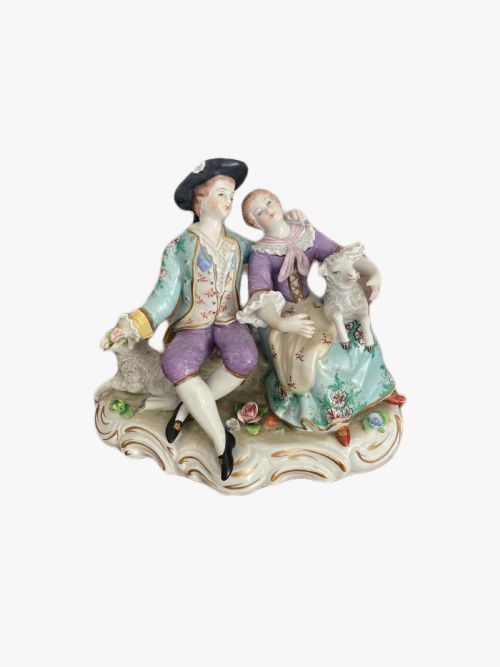
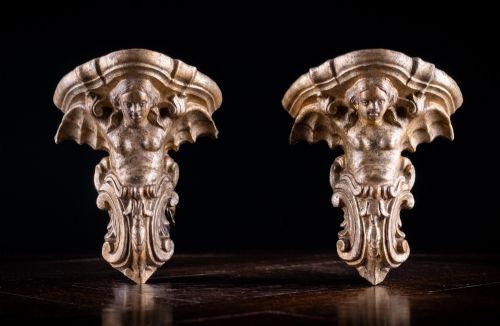
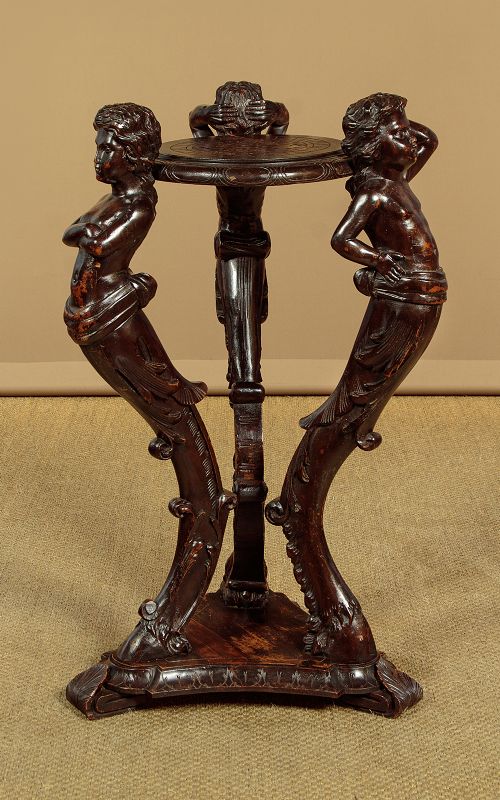
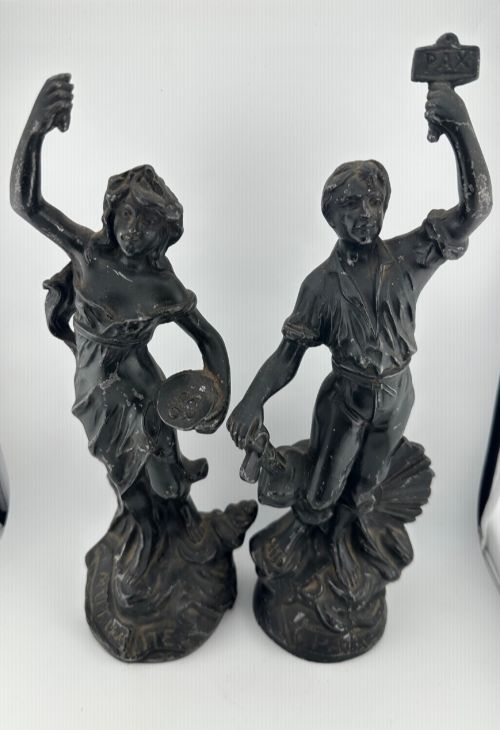
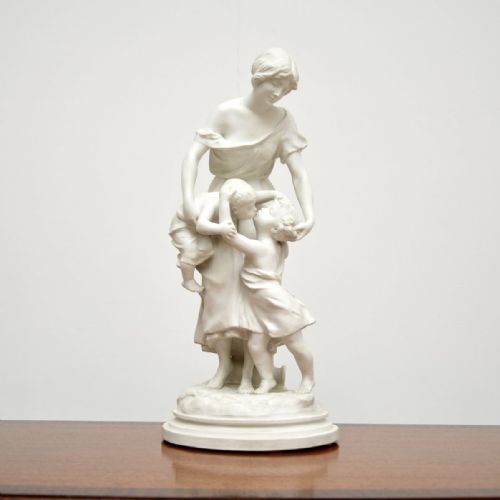
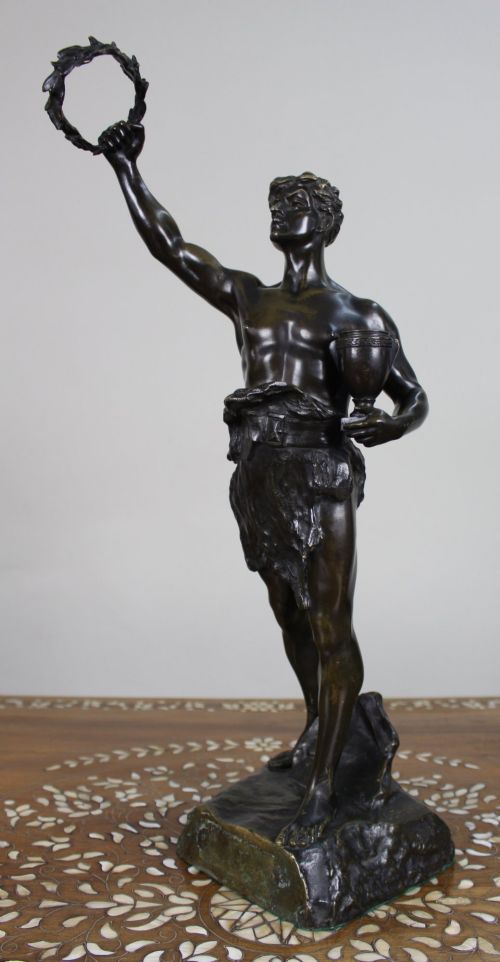
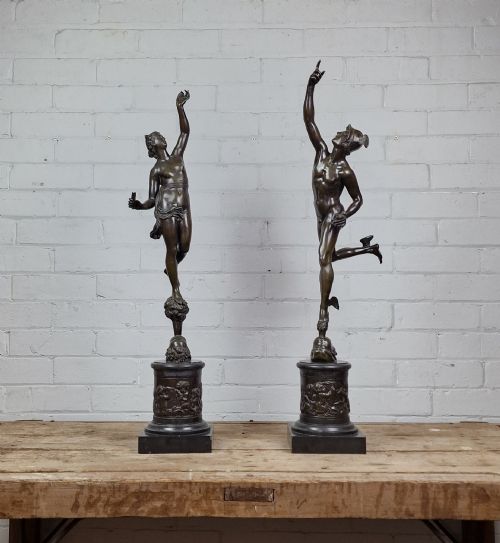
Late victorian sculpture encompasses a diverse array of forms ranging from portrait busts and mythological studies to animalier subjects and decorative figures. Buyers encounter works cast in bronze, carved in wood, or modelled in terracotta and porcelain.
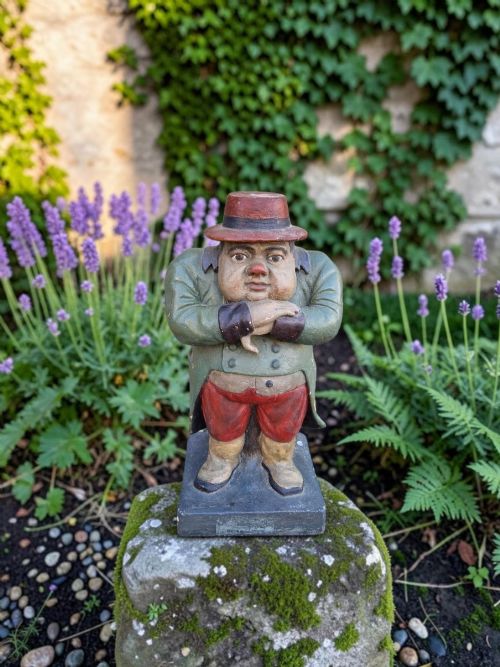
The pieces often reflect prevailing interests in classical antiquity, animal behaviour, and contemporary portraiture. Works span European workshops, incorporating French animalier subjects, Austrian terracotta figures, and Black Forest carvings.
Materials and methods
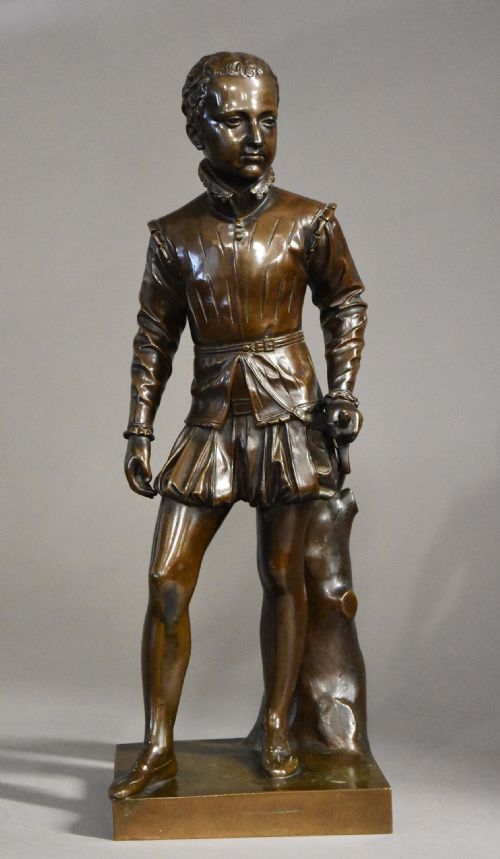
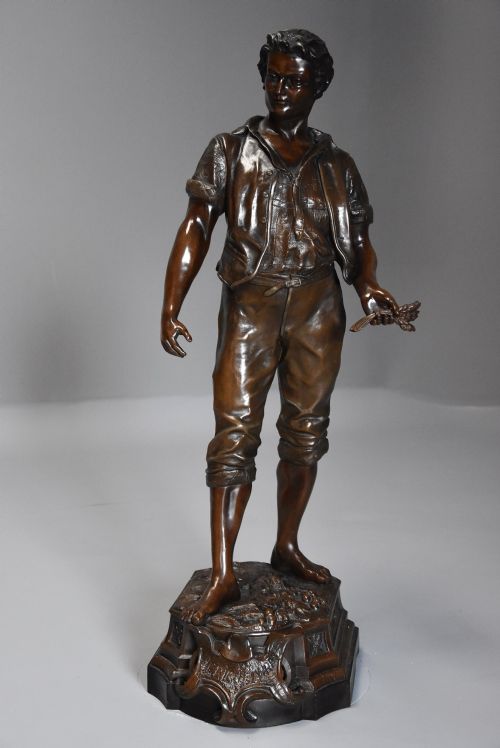
Bronze casting forms a significant portion of these works, frequently employing patinated or gilt finishes to highlight surface detail. Other pieces utilise terracotta, parian porcelain, and carved linden wood.
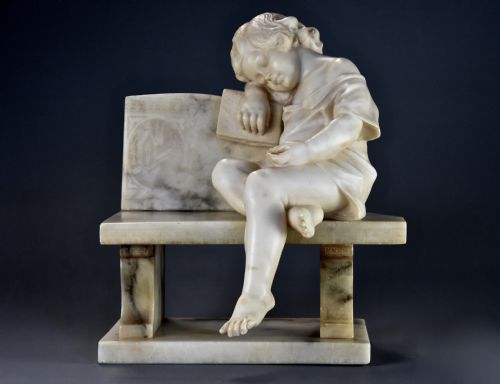
Sculptors combined traditional casting techniques with fine hand-chiselling, carving, and ceramic firing methods. Natural materials such as marble, alabaster, and ebony were shaped to create figures, pedestals, and busts.
Late Victorian Sculpture Retail Price Guide 2026
Typical asking prices for late victorian sculpture among the pieces listed under this phrase on Sellingantiques today, from the lower quarter to the upper quarter. They describe what is for sale here now, not the wider market.
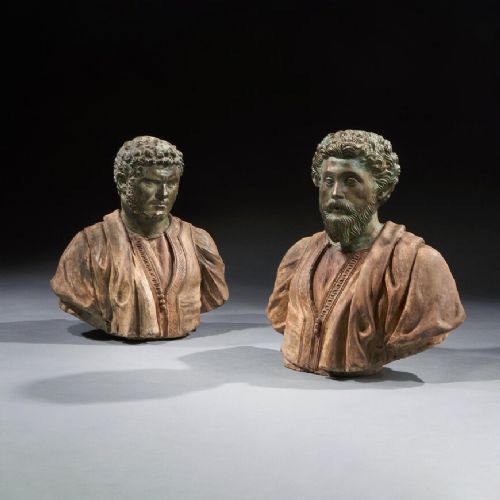
A seated chimpanzee in terracotta sits alongside majestic lions and stately Caesars.
Assessing the work
Quality in late victorian sculpture depends upon the crispness of the casting or the precision of the carving. Masterful handling of anatomical detail and surface texture distinguishes finer examples from simpler production pieces.
The reputation of the modeller, founder, or carver influences the standing of a piece. Signatures, foundry marks, and established artistic attributions often accompany works of higher execution.
August Moreau·Alfred Dubucand·Jules Moigniez·Bernard Bloch·Sir Thomas Brock
The Late Victorian Sculpture Glossary
- Animalier
- A nineteenth-century artistic genre focusing on realistic depictions of animals, particularly predators, horses, and dogs in dynamic or resting poses.
- Parian ware
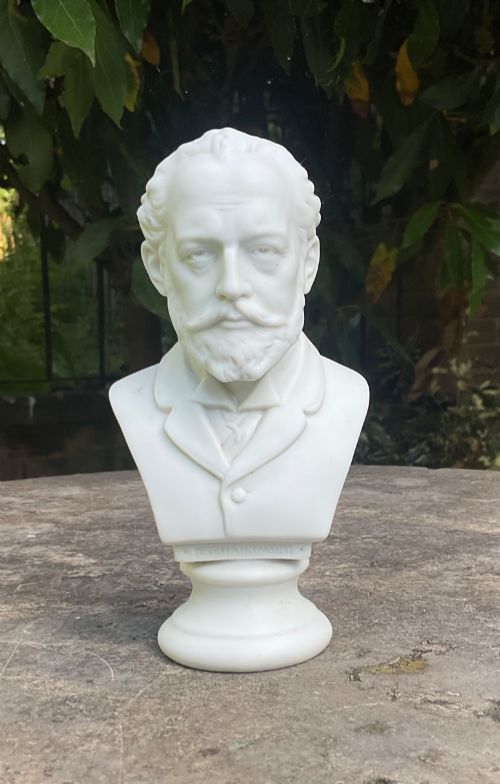
- A fine-grained, unglazed porcelain resembling white marble, often utilised for classical figures and portrait busts during the Victorian period.
- Terracotta
- Fired clay used for sculptural modelling, frequently left unglazed to showcase the earthy texture and warm tones of the material.
- Patination
- The surface coloration or sheen applied to metal sculptures through chemical treatment or natural ageing, altering the visual depth of the bronze.
Late Victorian Sculpture: Frequently Asked Questions
What materials are common in late victorian sculpture?
Bronze, terracotta, parian porcelain, marble, and carved wood appear frequently across these nineteenth-century works. Founders and carvers selected these mediums to capture fine surface textures.
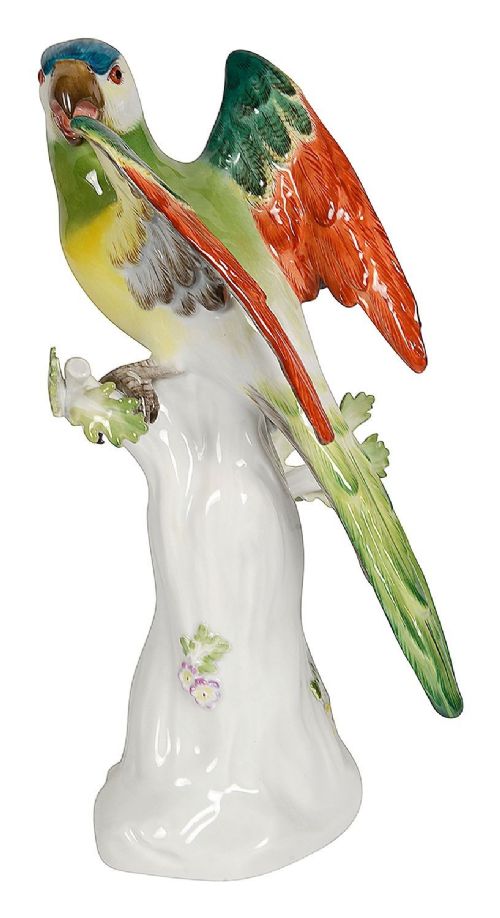
Patinated bronze and glazed ceramic finishes also occur regularly in figures, busts, and animal studies from this era.
How do I identify animalier bronzes?
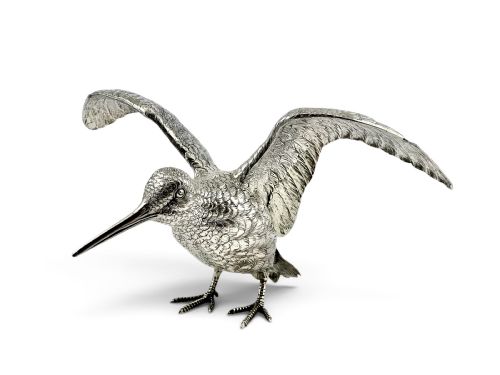
Animalier bronzes focus specifically on realistic portrayals of wildlife and domestic animals, often displaying intense anatomical study. Artists such as Alfred Dubucand and Jules Moigniez specialised in these dynamic subjects.
These pieces typically date from the nineteenth century and bear signatures or foundry cachets on the base.
Where were these sculptures made?
The works originate from various European centres, including French foundries, Austrian terracotta studios, and German or English porcelain works. Carved wooden pieces often hail from the Black Forest region.
Grand Tour subjects and classical figures also reflect international travel and the widespread influence of antiquity upon nineteenth-century artists.
How should I care for bronze and terracotta?
Bronze sculptures require gentle dusting with a soft cloth and benefit from occasional microcrystalline wax applications to protect the patina. Avoid abrasive cleaners that might strip the original surface treatment.
Terracotta and unglazed porcelain are porous and fragile, meaning they should be handled minimally and kept away from moisture.