




Large Landscape Art
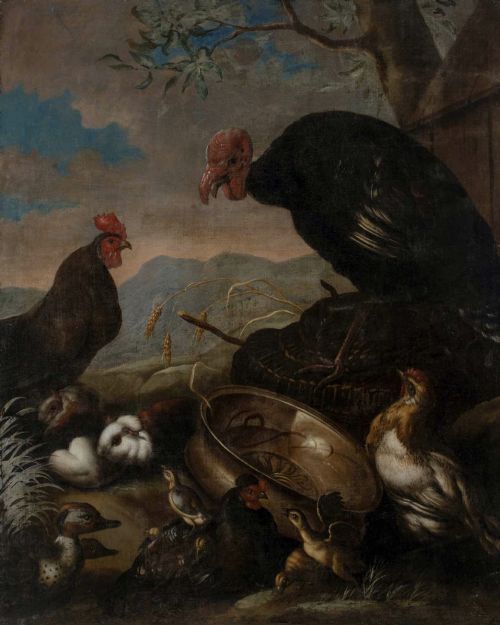
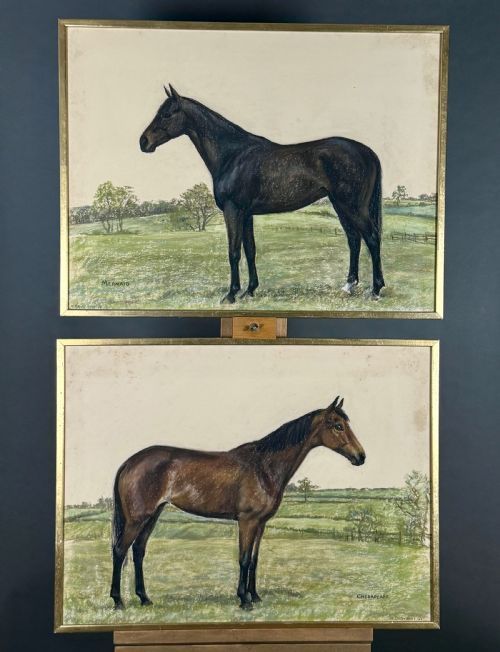
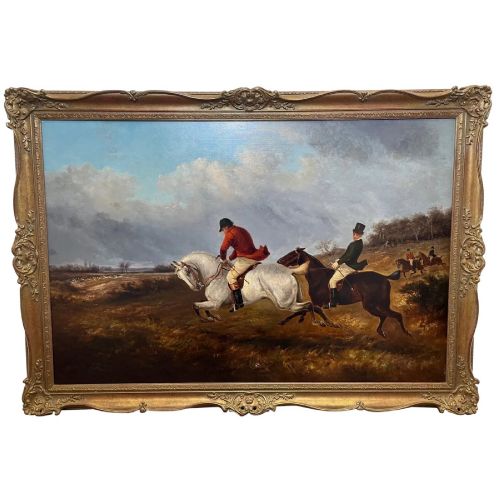
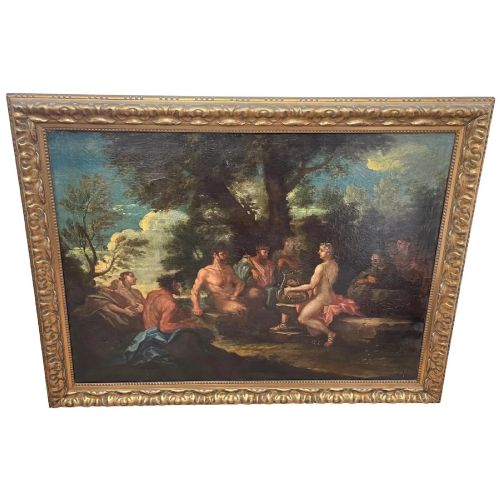
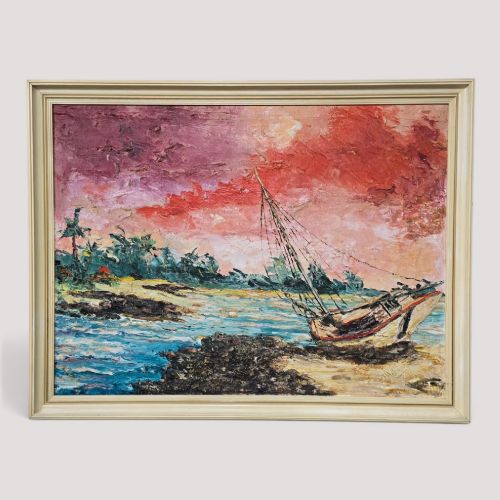
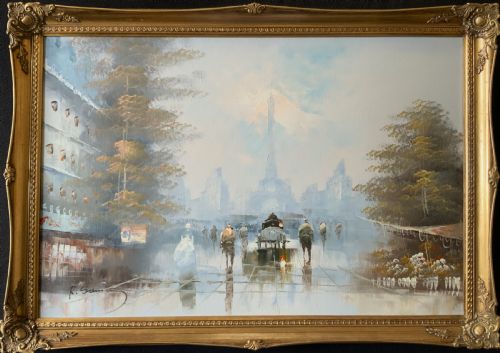
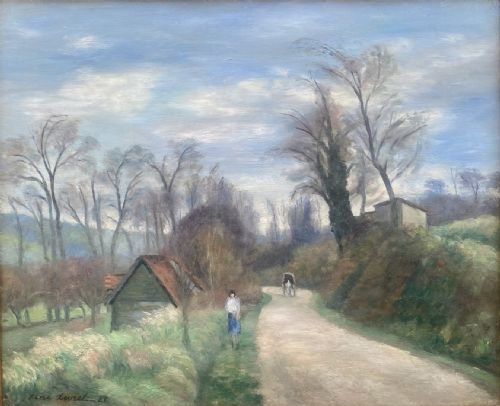
Large antique landscape art spans expansive oil paintings on canvas, heavy woven tapestries, and detailed watercolours from the seventeenth century onwards.
Large Landscape Art
Large antique landscape art encompasses major oil paintings, woven tapestries, and watercolours designed to dominate a wall.
Buyers frequently encounter nineteenth-century British and continental oil paintings alongside woven verdure panels and watercolours on paper.
Materials and Construction
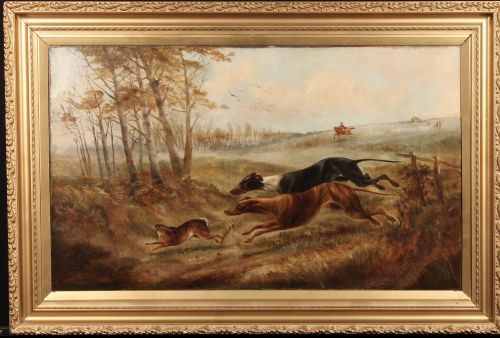
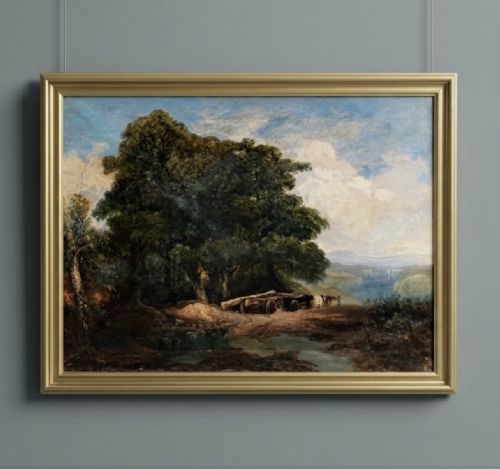
Painters applied oil and sometimes pastel or gouache onto stretched canvas, wooden panels, or heavy paper, often framing the completed work in carved giltwood.
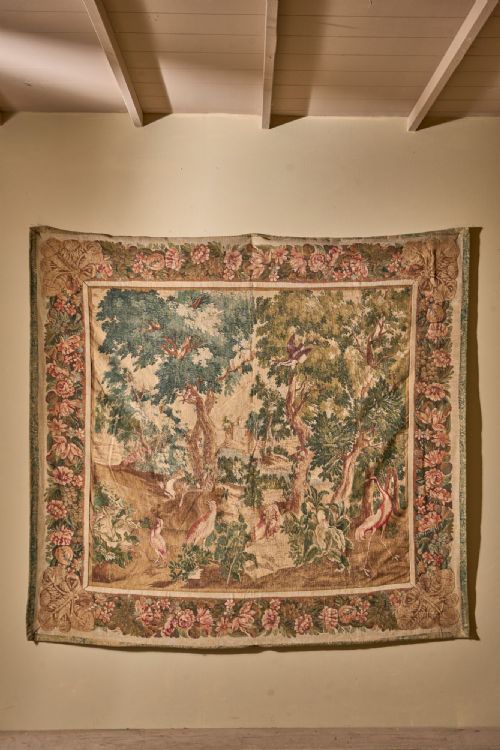
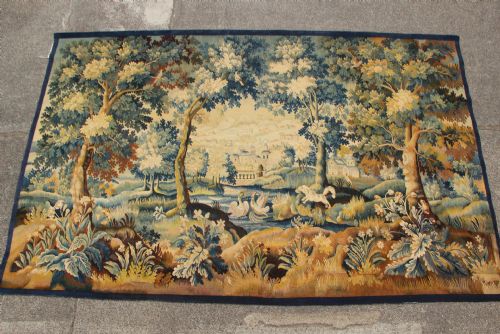
Weavers constructed large tapestries using wool and silk threads, creating dense botanical and architectural scenes on heavy looms.
Makers integrated supporting elements such as wooden stretchers, gilt frames, and occasionally carved hardwood stands for jade mountain sculptures.
At least one large nineteenth-century cork diorama arrives complete with its own twig frame.
Evaluating Quality
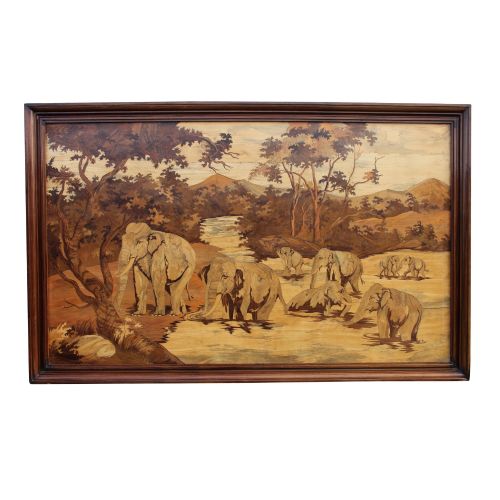
Quality rests in the precision of the brushwork, the depth of the perspective, and the preservation of the original pigments across the canvas or paper.
Weavings demonstrate excellence through the complexity of the verdure motifs, the richness of the wool and silk yarns, and the survival of the original borders.
Original giltwood frames that match the period of the artwork elevate the overall integrity of the piece compared to later replacements.
Richard Sebastian Bond·Angelo Maria Crivelli·Thomas Smythe·Rene Levrel·Robert Cleminson·Joseph Knight·John Moxon·Alexandre Le Bihan·William Henry Mander·Thomas Sidney Cooper·Stuart Lloyd·Herbert Royle·William Sydney Cooper·George Armfield·Hubert Haider·Charles H. Passey
The Large Landscape Art Glossary
- Verdure tapestry
- A wall hanging featuring a densely woven landscape design dominated by foliage, trees, and occasionally animals or architectural ruins.
- Giltwood
- Timber treated with a thin layer of gold leaf, commonly utilised for ornate antique picture frames.
- Continental school
- A broad classification for artworks produced by artists trained in mainland Europe rather than Britain.
- Pastel
- A dry medium composed of powdered pigment and a binder, pressed into sticks and applied to paper for detailed studies.
Large Landscape Art: Frequently Asked Questions
How do I hang a heavy antique oil painting?
Large canvases require secure wall anchors fixed directly into masonry or heavy studs to support the substantial weight of the wooden stretcher and gilt frame.
Professional hanging hardware rated for heavy art ensures the piece remains stable and properly balanced against the wall.
Where were antique landscape tapestries displayed?
Woven tapestries hung in the principal rooms of chateaux, country houses, and castles to insulate stone walls and display wealth through elaborate pastoral scenes.
Their large scale made them natural centrepieces for grand halls, dining rooms, and long galleries.
How do I tell an oil painting from a watercolour?
Oil paintings utilise viscous pigments suspended in drying oils, creating textured surfaces that catch the light and sit atop canvas or wood.
Watercolours employ translucent water-soluble pigments on paper, producing a flatter, more delicate finish that typically requires protective glass framing.
What is a verdure tapestry?
A verdure tapestry is a textile wall hanging dominated by botanical elements, trees, plants, and woodland animals, frequently accented with distant castles or rivers.
These panels brought the outside world into dim seventeenth and eighteenth-century interiors using intricate wool and silk weaving techniques.