
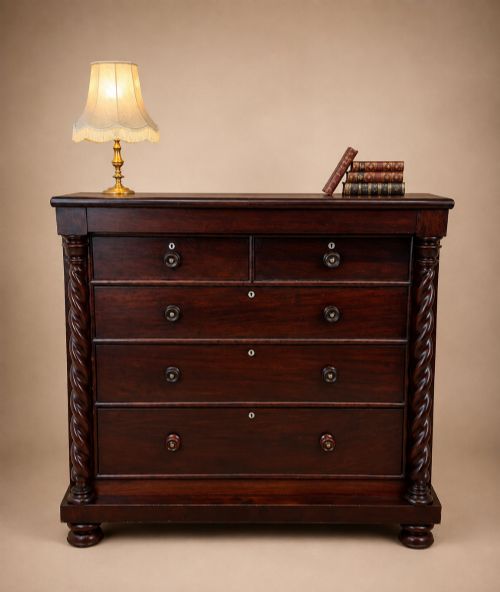
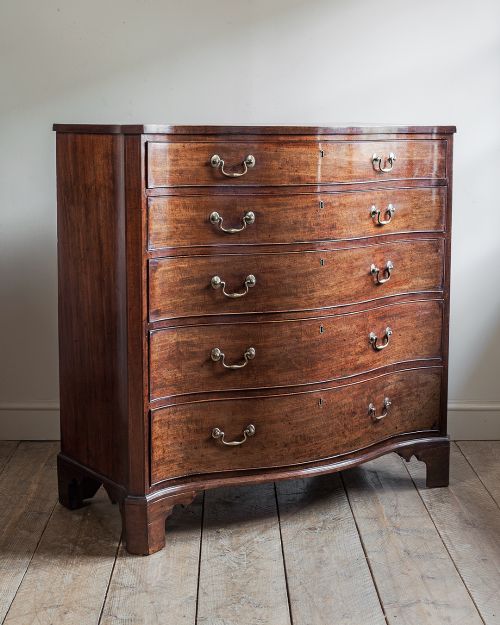
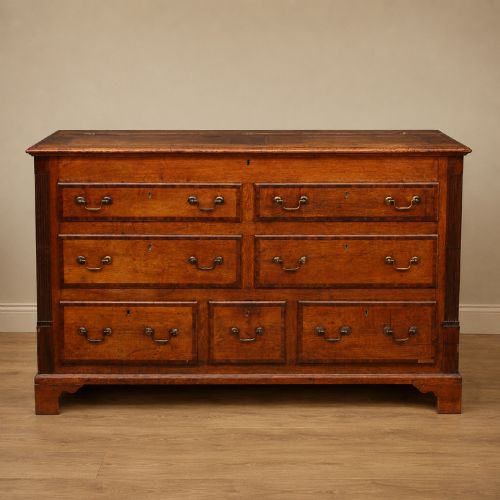
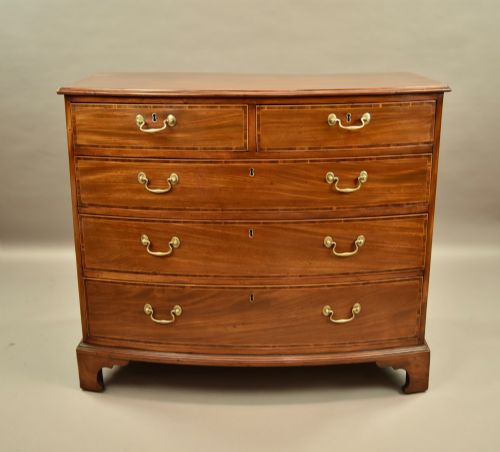

Large Chest Drawers
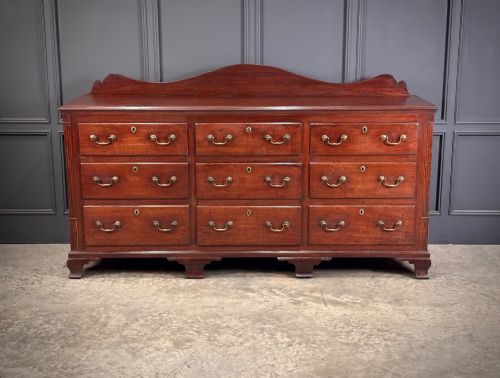
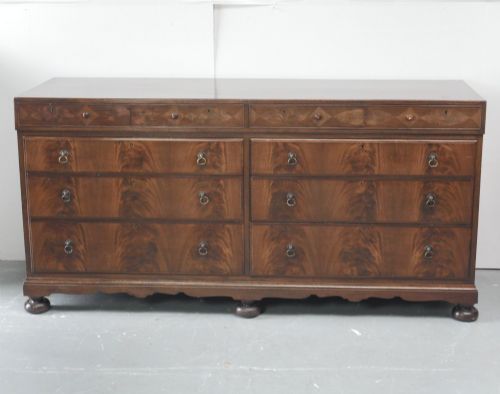
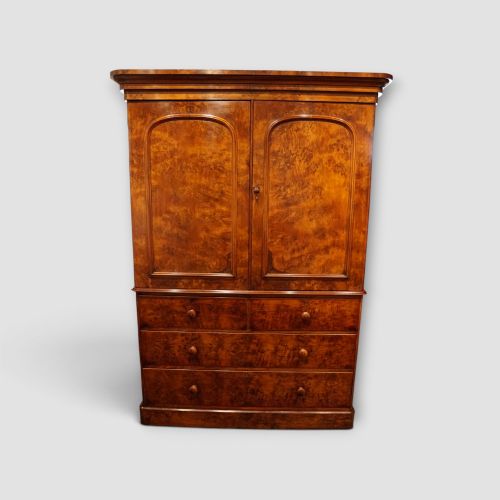
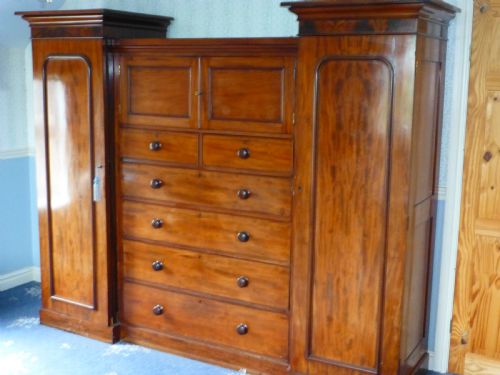
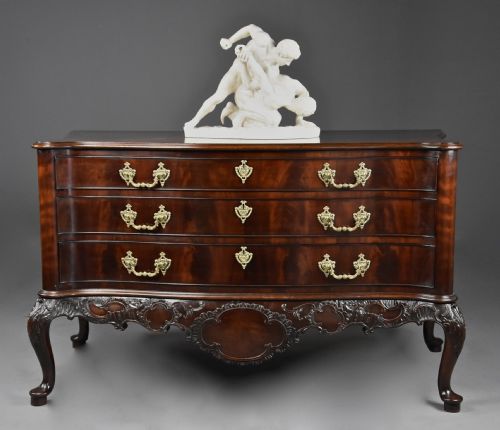
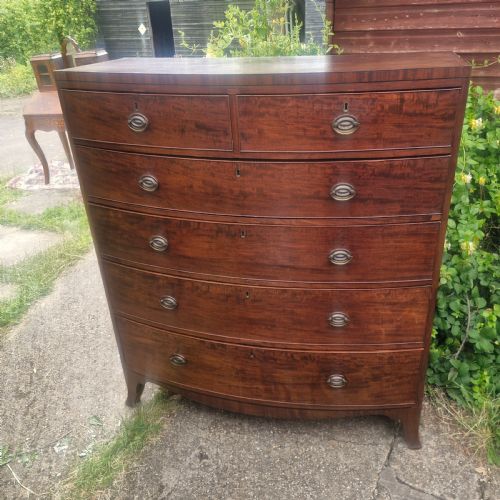
Large antique chest drawers serve as substantial storage furniture built across the Georgian, Victorian, and Edwardian periods.
Large Chest Drawers
When searching for large antique chest drawers, buyers encounter capacious storage units designed to hold clothing and household goods in domestic and commercial spaces.
The selections span standard tall forms, wide low pieces, and multi-drawer trade cabinets originating from 18th-century workshops through to early 20th-century makers.
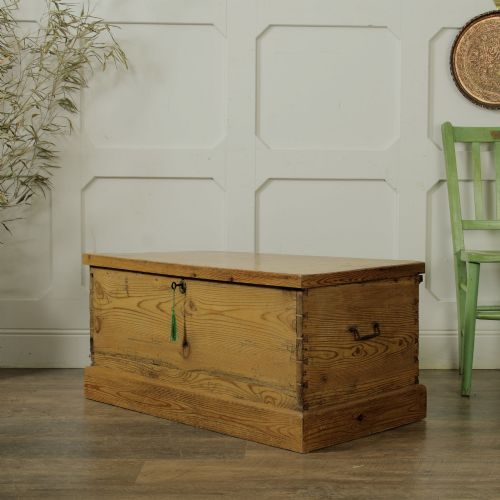
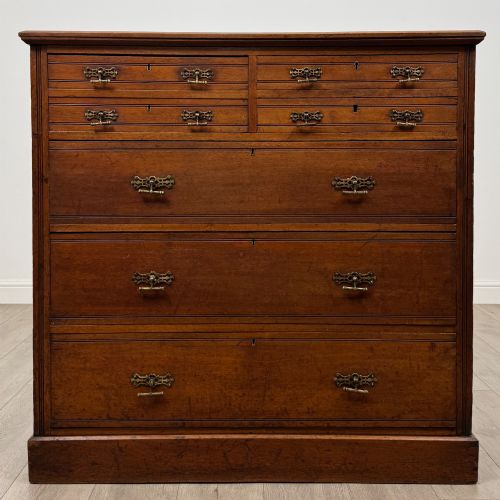
Mahogany, pine, and oak appear frequently across these listings, taking the form of traditional chest of drawers, banks of drawers, and mule chests.
Construction and Materials
Cabinet makers utilised dense hardwoods like mahogany and walnut for formal domestic pieces, often incorporating decorative veneers and crossbanding to enhance the exterior surfaces.
Utility pieces and regional pieces relied on sturdy softwoods like pine, whilst oak provided the structural frame for earlier Georgian and Arts and Crafts examples.
Brass handles, glass knobs, and ceramic pulls complete the construction, paired with internal mechanisms such as secret drawers and dust boards.
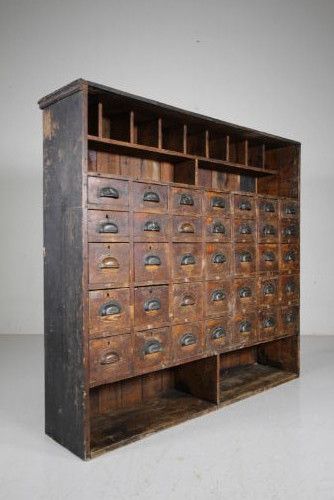
Some multi-drawer shop fittings contain up to fifty individual compartments, originally designed to organise apothecary supplies and artist materials.
Quality Variations
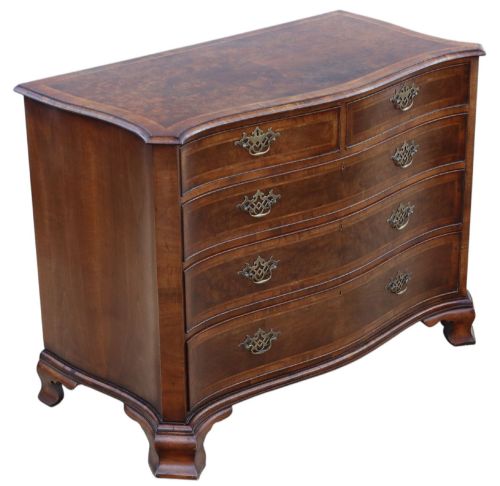
The standard of a piece depends on the selection of timber, visible in the grain pattern of flame mahogany or burr walnut surfaces.
Joinery techniques distinguish standard items from superior productions, notably the precision of dovetail joints on drawer sides and the integrity of applied mouldings and bracket feet.
Whytock & Reid·Jas Shoolbred·Gillows·Heals of London
The Large Chest Drawers Glossary
- Bowfront
- A cabinet front that curves outward in a convex shape. This style appears frequently on 19th-century mahogany pieces.
- Serpentine
- A front design featuring a central convex curve flanked by two concave curves. It requires advanced woodworking skill to execute properly.
- Mule chest
- A storage chest fitted with one or more drawers at the base. These hybrid items bridge the gap between traditional blanket chests and modern drawer units.
- Bank of drawers
- A multi-drawer unit originally utilised in shops, chemist fittings, or artists studios. They provide numerous small compartments for sorted storage.
- Crossbanding
- A strip of veneer applied to the borders of a drawer front or top with the grain running perpendicular to the main panel.
Large Chest Drawers: Frequently Asked Questions
Where were large chests used?
These large storage units functioned primarily in domestic bedrooms and hallways to hold heavy linens and garments. Commercial variants also populated chemist shops and workshops.
Craftsmen built them to manage substantial volumes of household inventory before fitted wardrobes became standard in British homes.
How do I date a chest?
Dating relies on observing the secondary woods, handle hardware, and overall stylistic vernacular. Georgian pieces often display bracket feet and hand-cut dovetails.
Later Victorian and Edwardian examples incorporate machine-sawn elements, varied timber choices like pitch pine, and distinct factory labels.
What is a Scotch chest?
Scottish chests of drawers typically feature a large deep top drawer flanked by smaller concealed or cushion drawers above standard lower tiers. They utilise rich timber grains like flame mahogany and tiger wood handles.
These regional forms emerged during the 19th century with robust proportions and distinctive architectural mouldings.
How do I care for antique pine?
Pine storage units benefit from regular dusting with a dry cloth and periodic applications of traditional wax finishes. Avoid placing them near direct heat sources to prevent timber splitting.
Waxed surfaces maintain their lustre best when kept away from moisture and direct sunlight over extended periods.