







Large Chalices
Large antique chalices are substantial ceremonial and celebratory drinking vessels crafted in silver, glass, and copper across the eighteenth and nineteenth centuries.
Large Chalices
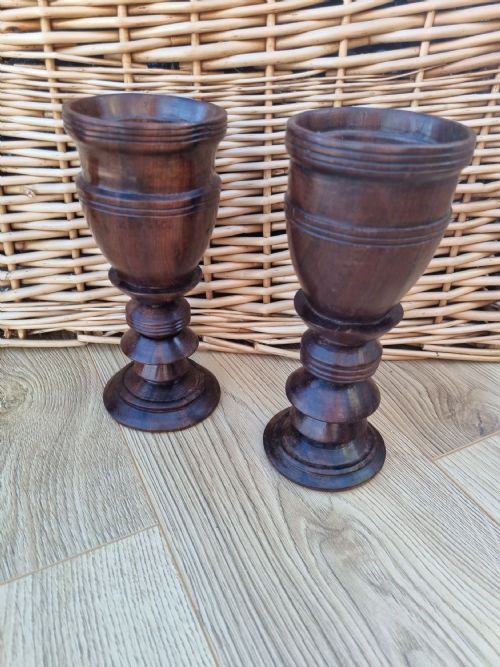
When you search for large antique chalices, you encounter substantial drinking vessels and pedestal forms spanning the eighteenth and nineteenth centuries. These pieces encompass church communion sets, Masonic glassware, and commemorative loving cups produced across Britain, Europe, and Asia.
The selection on this page relies heavily on nineteenth century manufacturing, featuring heavy lead crystal table rummers alongside silver plated ecclesiastical vessels. You also find specialised forms such as bronze Grand Tour goblets and copper Arts and Crafts pedestal bowls.
How they were made
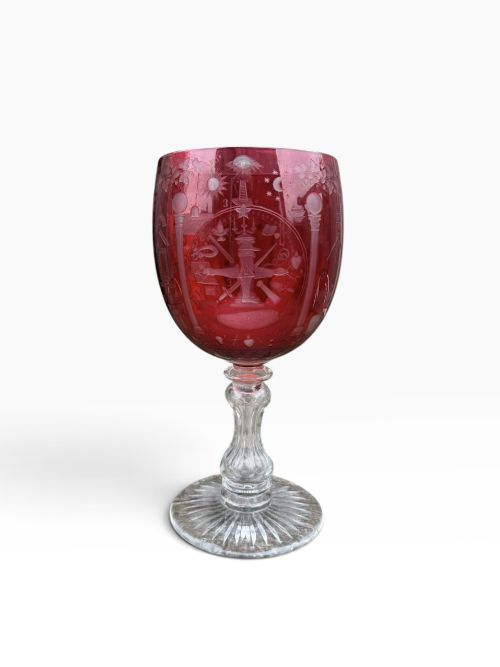
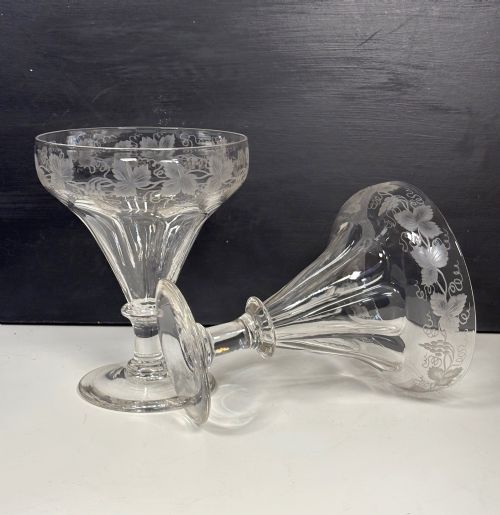
Glass vessels utilise lead crystal, cranberry glass, and green glass, often shaped by blowing and finished with wheel engraving or polychrome enamel decoration. Artisans applied precise cutting and enamelling techniques to create detailed motifs of hops, barley, and heraldic patterns.
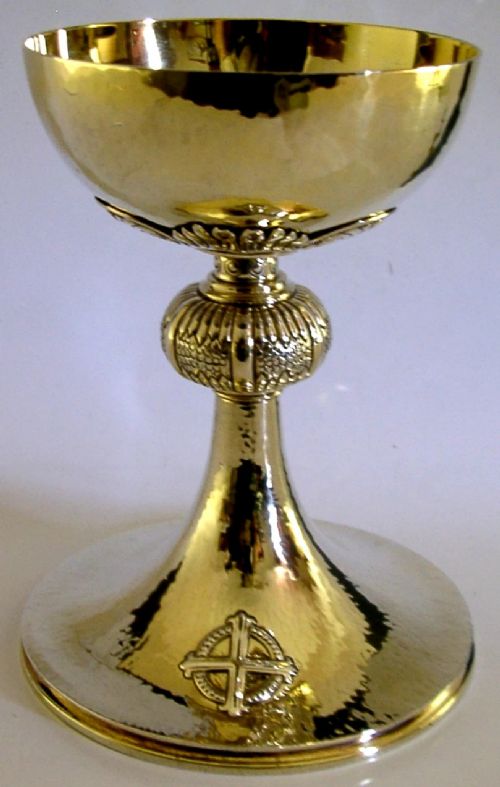
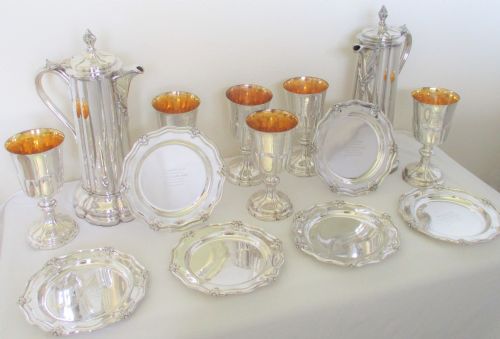
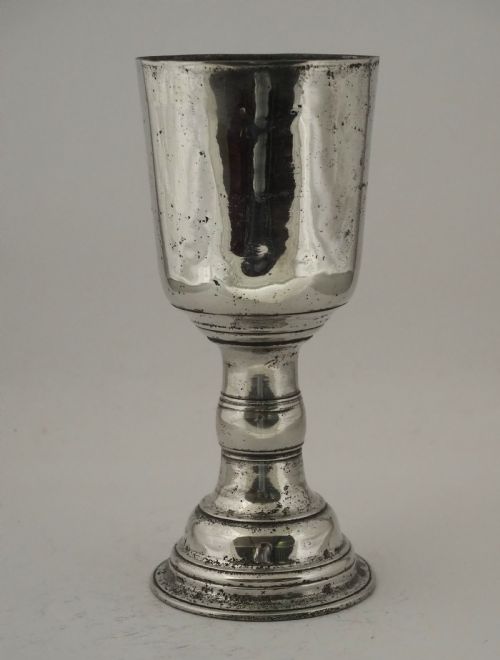
Metal pieces combine silver, silver plate, Old Sheffield plate, copper, and pewter, shaped through casting, hammering, and plating. Makers incorporated applied enamel cabochons, fine chasing, and repoussé work to decorate the surfaces of trophy cups and communion chalices.
Large Chalices Retail Price Guide 2026
Typical asking prices for large chalices among the pieces listed under this phrase on Sellingantiques today, from the lower quarter to the upper quarter. They describe what is for sale here now, not the wider market.
One towering glass rummer is engraved with hops and barley, ensuring proper motivation for whoever lifted its heavy bowl.
What varies in quality
Quality rests upon the crispness of the hand-engraving and the depth of the metalwork or glassblowing. Fine crystal displays sharp wheel cuts and clear resonance, while superior metal pieces show deliberate weight, balanced proportions, and careful chasing rather than hasty casting.
The distinction also lies in the integrity of the materials and the ambition of the design, whether it is an elaborate Chinese export silver dragon motif or a delicate Bohemian enamel forest scene. Pieces that retain their original fitted boxes or matched pairs command stronger presence through their preservation.
Lobmeyer·Elkington Mason·Frits Hechert·Zee Wo
The Large Chalices Glossary
- Rummer
- A large heavy drinking glass popular in the eighteenth and nineteenth centuries, typically featuring a short stem and an ovoid bowl used for ale or wine.
- Old Sheffield plate
- A composite material made by fusing a thin sheet of silver to a thicker copper base, common in nineteenth century tableware before electroplating.
- Roemer
- A traditional Germanic large green glass drinking vessel with a wide bowl resting on a cylindrical stem studded with prunts.
- Communion chalice
- A consecrated cup utilised during Christian religious services for sacramental wine, often fashioned from silver, pewter, or silver plate.
- Cabochon
- A gemstone or piece of coloured glass shaped and polished with a smooth, rounded dome rather than faceted edges.
Large Chalices: Frequently Asked Questions
How were large antique chalices used?
These large vessels served both sacred and secular functions, ranging from church communion services to Masonic rituals and festive communal toasts. Many acted as presentation pieces, trophies, or commemorative loving cups for significant civic events.
Their substantial capacity suited communal drinking traditions where a single cup passed among guests at banquets and club gatherings. Ecclesiastical versions remained strictly within religious ceremonies for sacramental wine.
How do I tell glass chalices from metal ones?
Glass chalices utilise lead crystal, cranberry glass, or green roemer glass, relying on transparency, cutting, and enamelling for decoration. Metal chalices employ silver, silver plate, pewter, bronze, or copper, utilising weight and surface chasing instead.
Glass vessels require careful handling to preserve delicate rims and engraved details, while metal items develop patinas over centuries of polishing and handling.
How do I date a nineteenth century chalice?
Dating relies on stylistic clues, manufacturing techniques, and materials such as the shift from Old Sheffield plate to silver plate during the nineteenth century. Glass pieces often exhibit pontil marks, specific cutting depths, and characteristic tints tied to Victorian or Georgian production.
Engraved monograms, crests, and maker marks stamped on the foot or base provide further chronological anchors for identifying specific decades.
How do I display a large antique chalice?
Due to their generous scale, these chalices require sturdy sideboards, cabinets, or dedicated display tables with adequate depth. Positioning them away from direct sunlight protects coloured glass and sensitive enamels from fading.
Grouping them by material, such as placing silver communion sets alongside crystal rummers, creates a balanced historical display within a room.