


19th Century Engraved Glasses
These 19th century engraved glasses bring tangible history to the table, offering collectors heavy lead crystal, ruby glass and brilliant wheel-cut decoration from Georgian and Victorian parlours.
19th Century Engraved Glasses
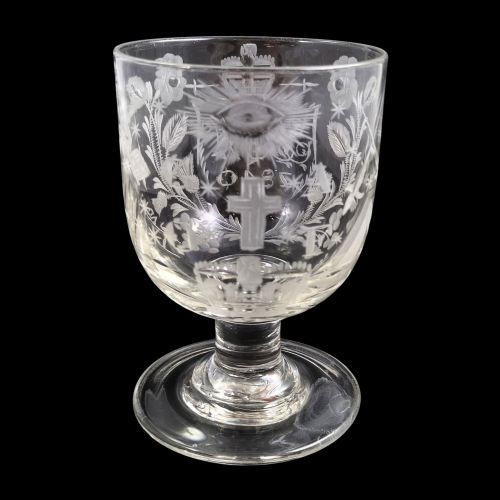
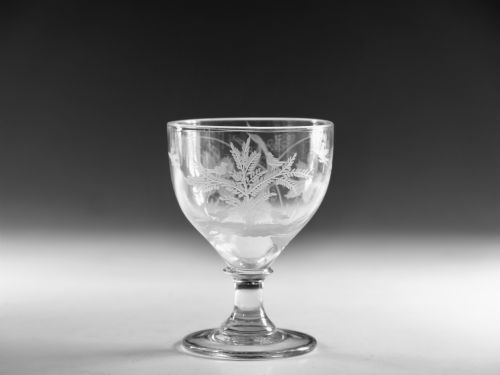
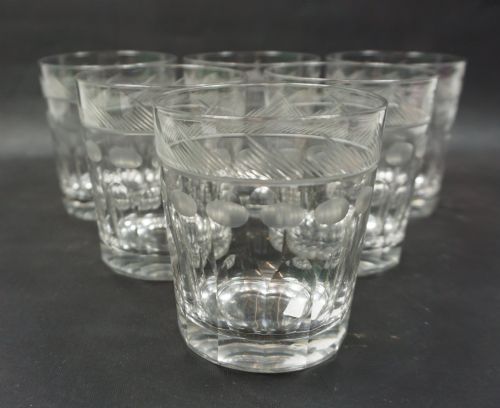
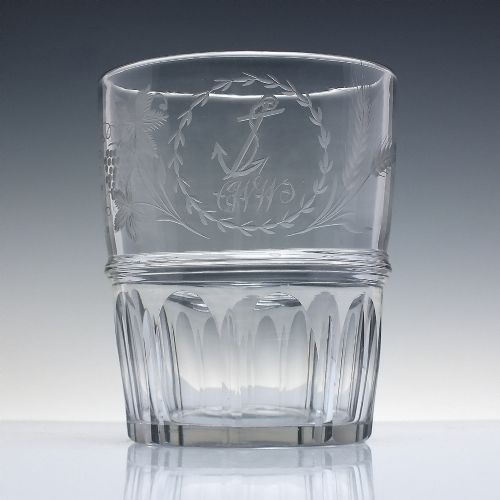
When searching for 19th century engraved glasses, collectors look at drinking vessels, rummers, decanters and wine glasses spanning the Georgian, Regency and Victorian periods. The most common survivals on this page are heavy English lead-glass rummers and wine glasses featuring wheel-engraved motifs like hops, barley, and armorial crests.
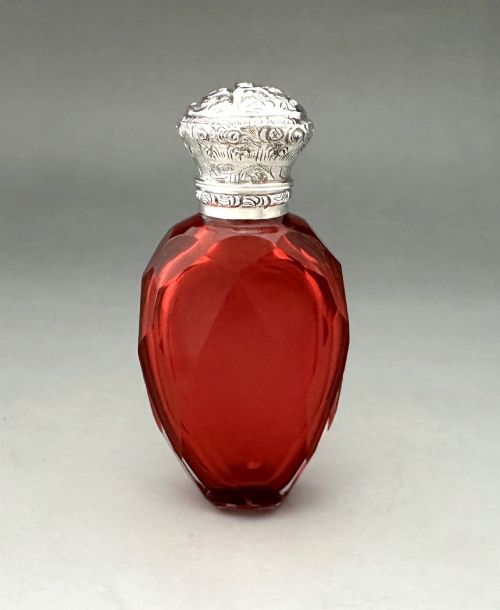
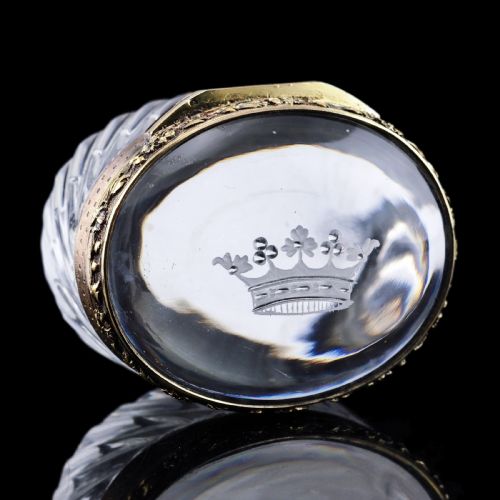
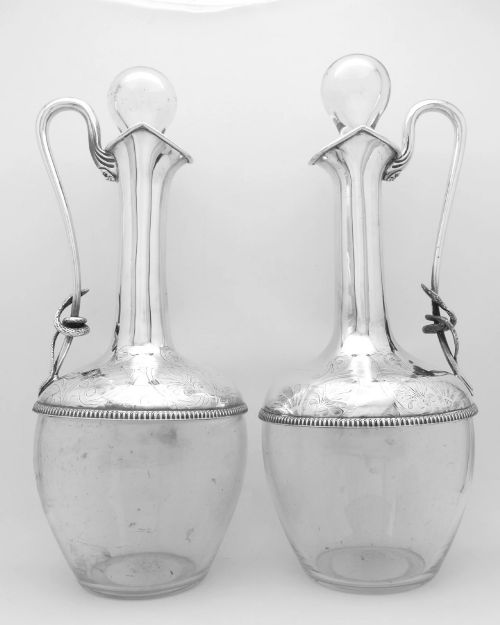
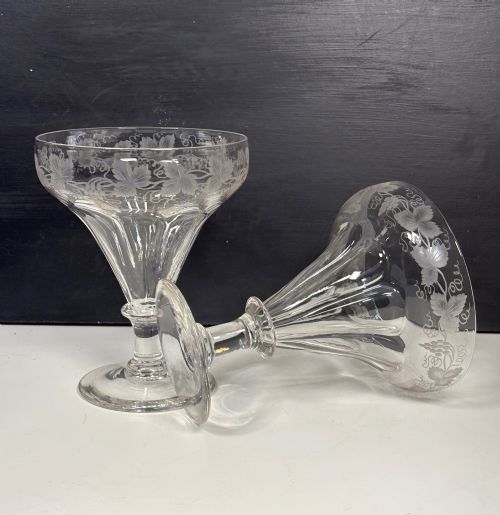
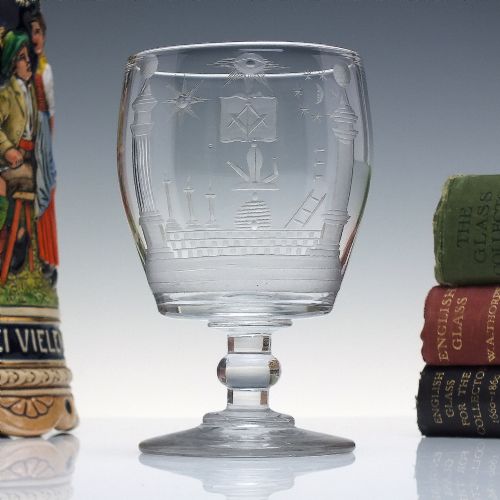
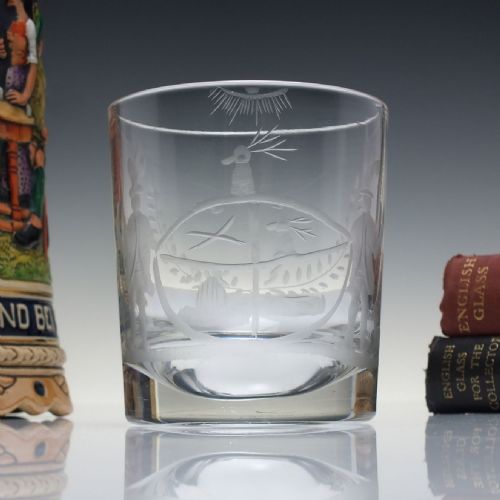
Beyond standard drinking vessels, the category includes specialised table glass such as claret jugs, champagne coupes and scent bottles, often incorporating flashed colours like cranberry or ruby. French pieces from makers like Baccarat also appear, alongside English regional items carrying fraternal symbols for Masonic groups or the Order of Odd Fellows.
The objects cross multiple decades from the early 1800s through to the end of the century, reflecting shifts in taste from neoclassical Georgian sobriety to ornate Victorian floral and animal scenes. Most examples show clear lead crystal or coloured overlay glass worked by hand in established glassmaking centres like Stourbridge.
How they were made
The physical substance of these pieces relies heavily on lead glass and heavy lead crystal, which provided the soft, refractive body necessary for deep wheel cutting and engraving. Artisans shaped molten metal by hand before applying surface decoration with revolving copper or stone wheels fed with abrasive grit.
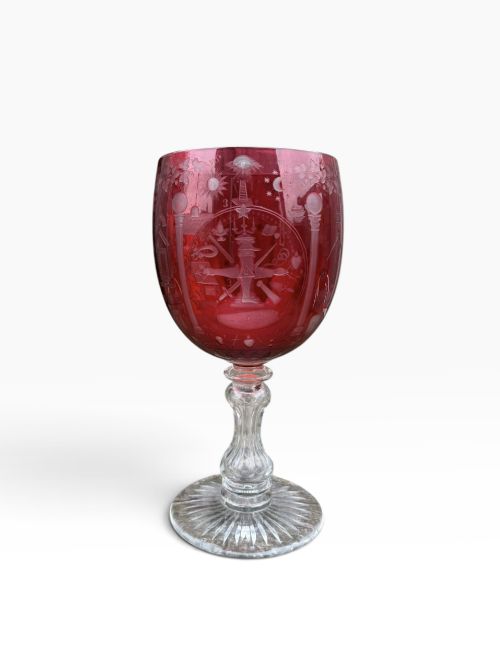
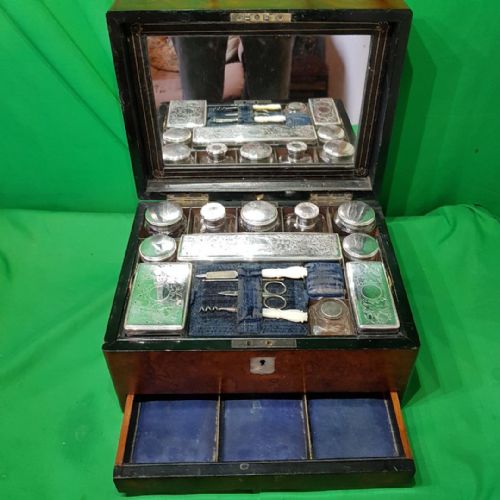
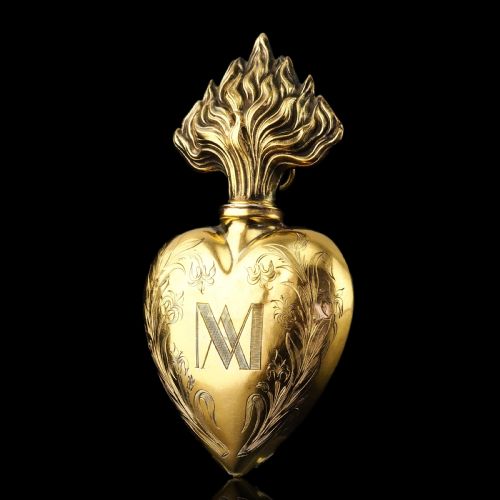
Many items utilise flashed or layered glass, such as red over crystal or cranberry glass, where a thin skin of coloured metal covers a clear core and allows the engraver to cut through the top layer to reveal the clear glass beneath. Silver mounts, gilt metal work, and parcel-gilt highlights were frequently added to complete decanters, scent bottles, and claret jugs.
Listings feature lead crystal, ruby glass, and silver-mounted pieces spanning the Georgian, Regency, and Victorian eras.
What varies in quality
The distinction between ordinary utility glass and superior work lies in the depth, precision and clarity of the wheel engraving, where fine hand wheel engraving displays crisp lines and subtle shading rather than shallow surface scratching. The weight and purity of the lead crystal base, combined with balanced proportions in the stem and foot, separate everyday tableware from exhibition pieces.
Maker attribution and decorative complexity also determine standing, with signed or documented work by known firms carrying greater artistic ambition through intricate motifs like sporting scenes, butterflies, or complex heraldic crests. The integrity of any attached silver-gilt mounts or brass hardware further influences the overall standard of the surviving piece.
Joseph Keller·Delépine-Barrois
The 19th Century Engraved Glasses Glossary
- Rummer
- A large, sturdy drinking glass popular in the Georgian and Victorian eras, frequently engraved with agricultural motifs like hops and barley.
- Intaglio engraving
- A technique where the design is carved into the surface of the glass rather than left in relief, creating a sunken image.
- Flashed glass
- A vessel formed with a thin outer layer of coloured glass over a clear body, allowing the engraver to expose the clear glass beneath by cutting through the top coat.
- Lemon squeezer base
- A square, moulded glass foot with indented corners characteristic of early 19th-century decanter stands and rummers.
- Composite glass
- A stemmed drinking vessel constructed by joining a separately blown bowl to a distinct stem and foot during manufacture.
19th Century Engraved Glasses: Frequently Asked Questions
How do I identify a Georgian rummer?
Georgian rummers generally feature heavy lead-glass bodies with hand-engraved agricultural themes like hops and barley, often sitting on a square lemon-squeezer foot or a simple flared foot.
They display a darker, greyer refractive quality in the glass compared to later Victorian iterations, reflecting the manufacturing standards of the early 19th century.
What is flashed cranberry glass?
Flashed cranberry glass consists of a clear lead-glass core dipped into a molten bath of rich red glass during the blowing process to create a dual-layer wall.
Engravers then cut through the red exterior skin to expose the clear crystal underneath, producing a striking contrast in colour and texture.
Were these engraved glasses used daily?
Many of the heavy rummers and wine glasses served practical roles in taverns, inns, and domestic dining rooms for ale, wine, and punch throughout the 19th century.
Finely engraved or armorial pieces were also commissioned for special toasts, fraternal lodges, and commemorative events rather than routine meals.
How can I tell English glass from French?
English production of this period typically emphasises robust lead-crystal forms with direct wheel-engraved motifs like botanical studies or Masonic emblems.
French output, such as pieces from Baccarat, often combines lighter crystal blanks with elaborate gilt decoration, overlay colours, or refined cabinet styling.