


Kurdish Tribal Carpet
These Kurdish tribal carpet examples are resilient floor coverings defined by distinct Persian tribal artistry and geometric motifs.
Kurdish Tribal Carpet
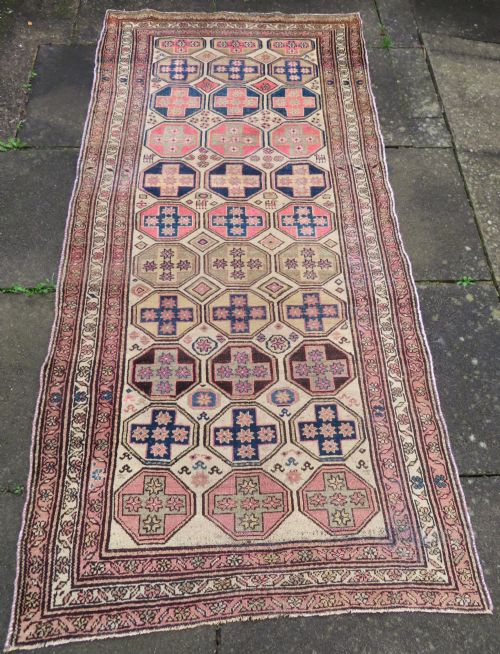
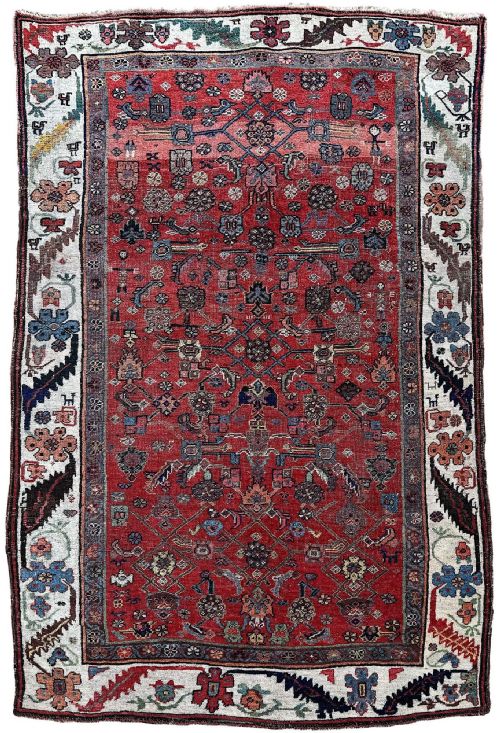
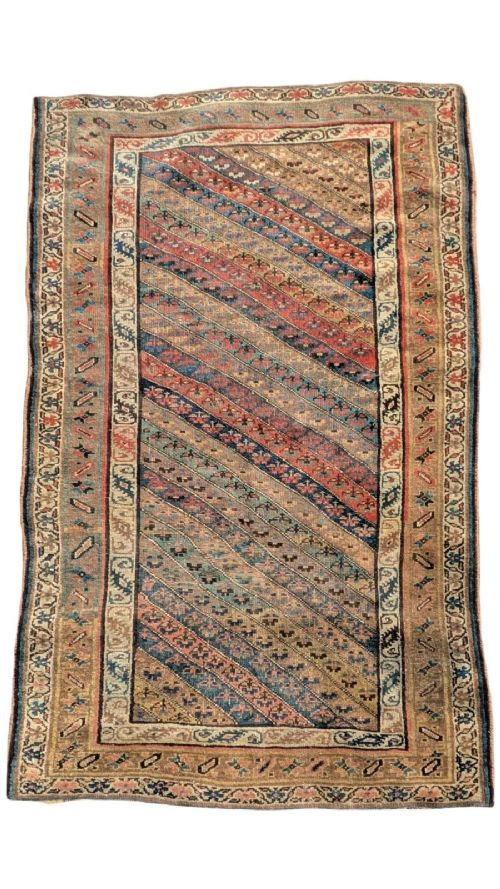
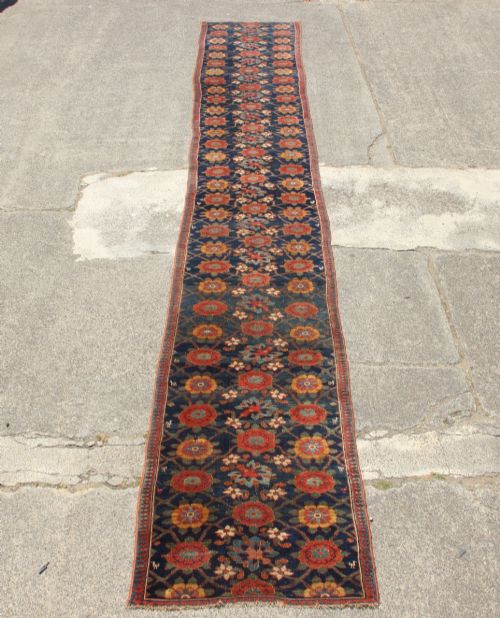
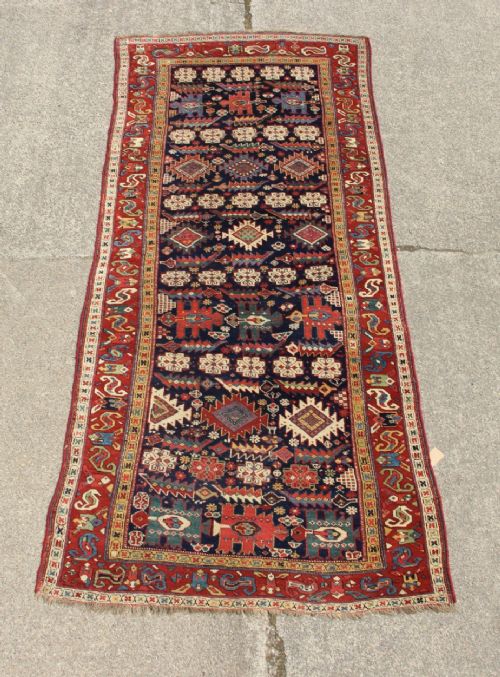
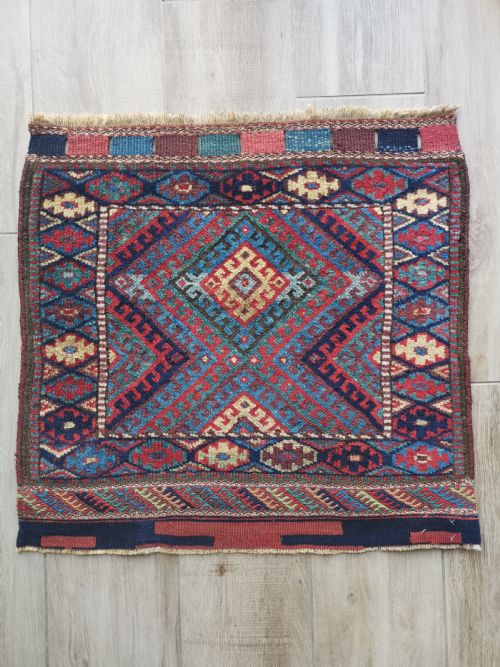
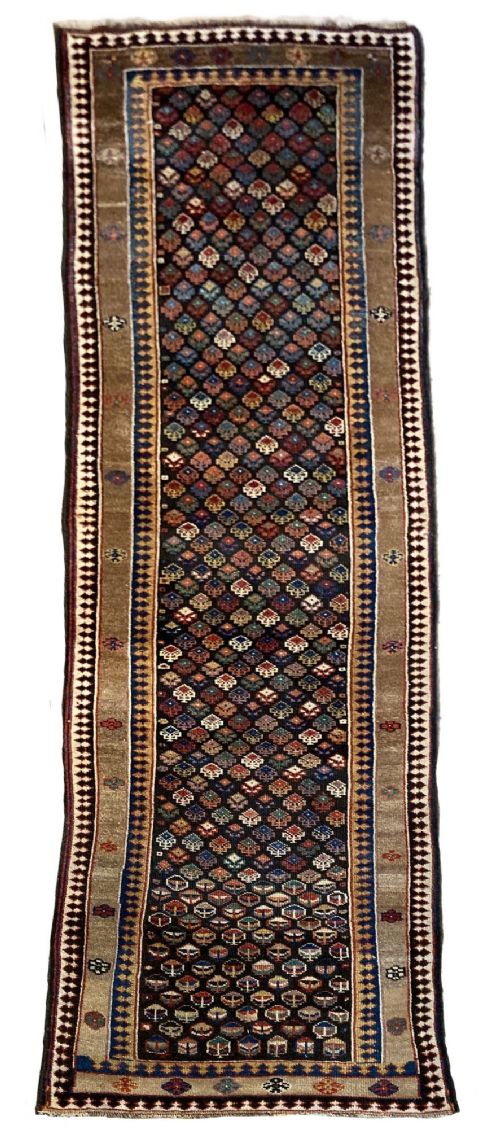
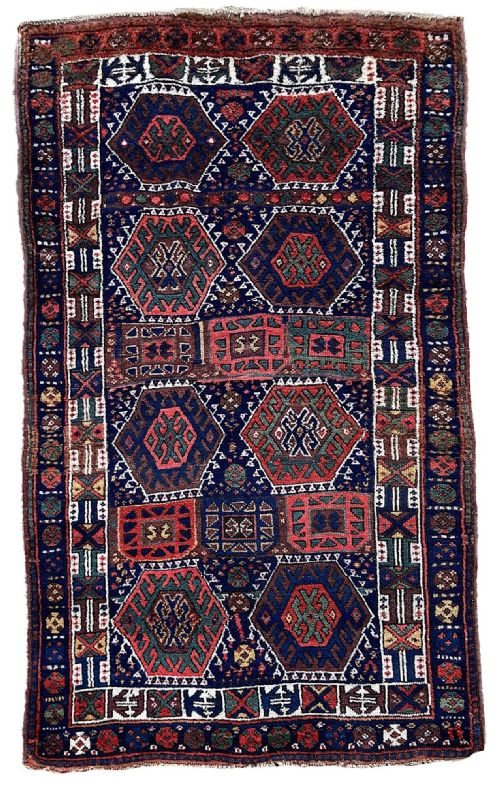
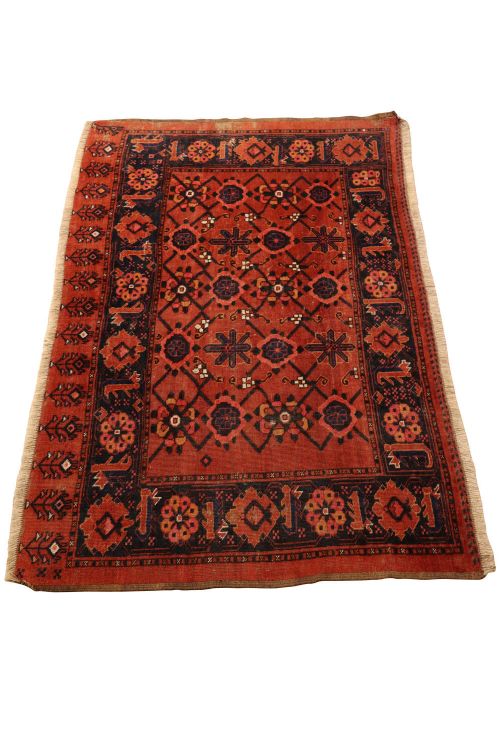
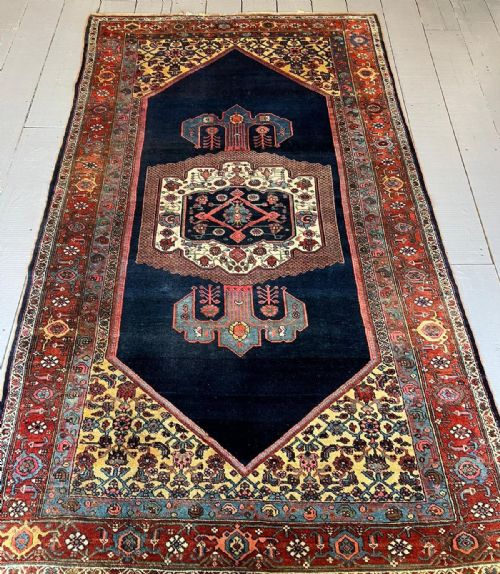
A Kurdish tribal carpet is a hand-knotted floor covering originating from the Kurdish regions of Persia, spanning several decades of traditional production. Buyers investigating this category encounter various formats, including substantial kelleh rugs, room-sized runners, and compact area rugs.
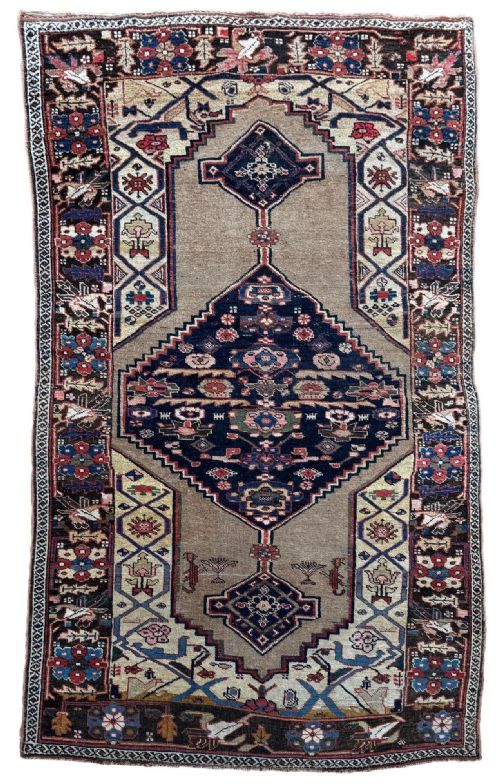
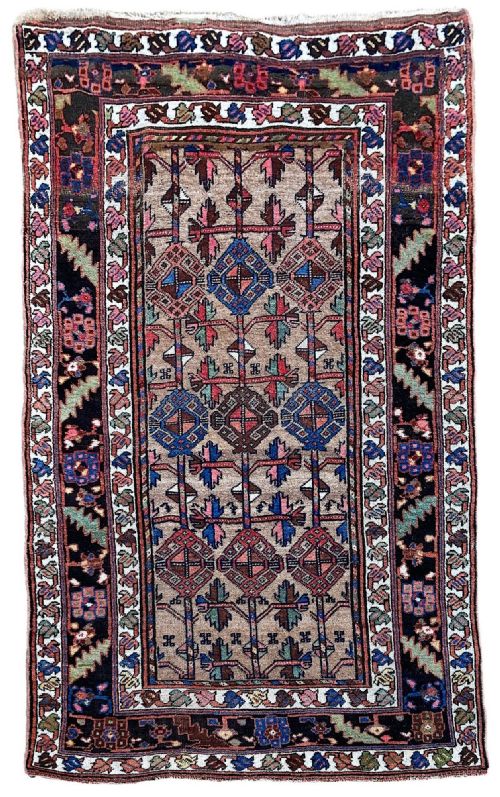
The pieces listed on this page predominantly date from the late nineteenth century up to the early twentieth century, specifically between 1870 and 1930. Common visual elements include shrub designs, linked medallion patterns, and striking yellow grounds characteristic of Persian tribal artistry.
How they were made
Weavers construct these textiles using wool for the pile and foundation, occasionally paired with cotton for structural support in specific formats. The materials provide the dense, hardwearing quality necessary for long-term domestic utility.
Traditional hand-knotting techniques secure the pile to the warp and weft, producing durable runner rugs and larger format carpets designed to withstand heavy foot traffic over generations.
Kurdish Tribal Carpet Retail Price Guide 2026
Typical asking prices for kurdish tribal carpet among the pieces listed under this phrase on Sellingantiques today, from the lower quarter to the upper quarter. They describe what is for sale here now, not the wider market.
Current listings span the period from 1870 to 1930, featuring wool and cotton materials fashioned into runners, kelleh carpets, and area rugs.
What varies in quality
Quality in these carpets rests on the precision of the weave and the clarity of the tribal motifs, such as linked medallions and shrub designs. Finer knotting allows for sharper delineation of geometric patterns across the field.
The depth and preservation of natural dyes also distinguish finer examples, particularly those utilising striking yellow grounds or complex border arrangements. Condition and structural integrity of the wool pile further determine the standing of each piece.
The Kurdish Tribal Carpet Glossary
- Kelleh
- A large rectangular carpet format, traditionally longer than a standard rug but wider than a runner. These substantial pieces serve as central floor coverings in larger rooms.
- Runner
- A long, narrow carpet format utilised primarily in hallways, corridors, or alongside furniture. Their elongated proportions display continuous tribal motifs.
- Medallion
- A central ornamental motif set within the field of the carpet. Linked variations appear frequently in these tribal compositions.
- Pile
- The raised, soft surface of the carpet formed by the cut ends of the knotted wool yarn. Dense pile construction protects the structural foundation beneath.
Kurdish Tribal Carpet: Frequently Asked Questions
What is a Kurdish tribal carpet?
A Kurdish tribal carpet is a hand-knotted textile produced by weavers in the Kurdish regions of Persia. These pieces date from the late nineteenth and early twentieth centuries.
They incorporate traditional geometric designs, shrub motifs, and medallion patterns woven primarily from wool.
How do I use a runner rug?
Runner rugs suit narrow spaces such as hallways, entryways, and corridors where traditional broad carpets do not fit. Their elongated shape guides movement through a home.
Position them on stable underlays to protect the historic wool foundation from excessive wear.
What materials are used?
These carpets are constructed using durable wool for the pile and foundation threads. Cotton is also utilised in specific examples for structural stability.
Natural materials provide the resilience required for historical floor coverings to survive in modern interiors.
How are different periods told apart?
Periods are identified by stylistic shifts, structural analysis, and the evolution of natural dye palettes between 1870 and 1930. Earlier pieces often display specific tribal weaving traits.
Comparing medallion layouts and ground colours helps contextualise the date of manufacture.