


Kurdish Runner Rug
A Kurdish runner rug brings rich tribal character and enduring wool construction to narrow spaces.
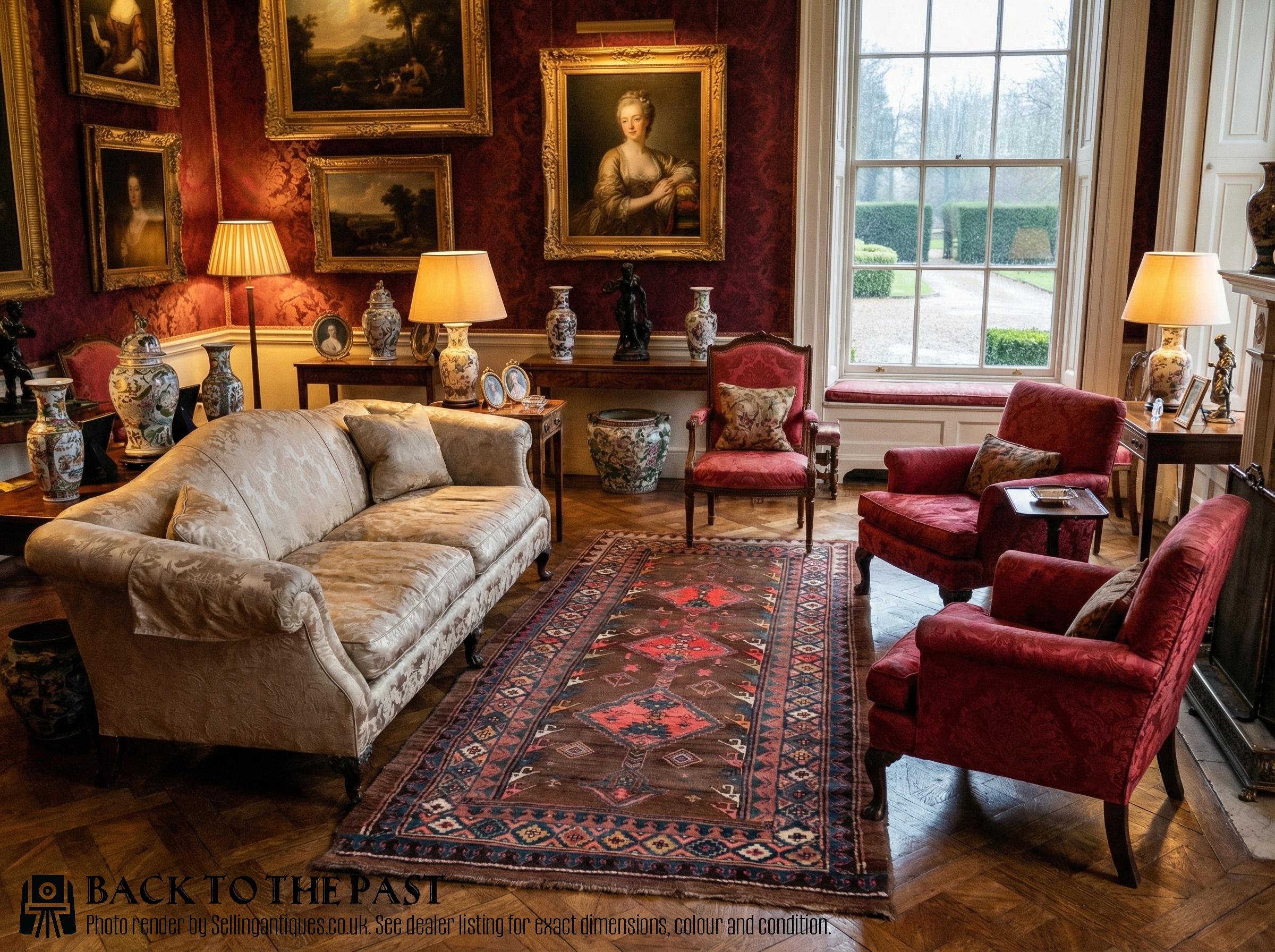
Kurdish Runner Rug
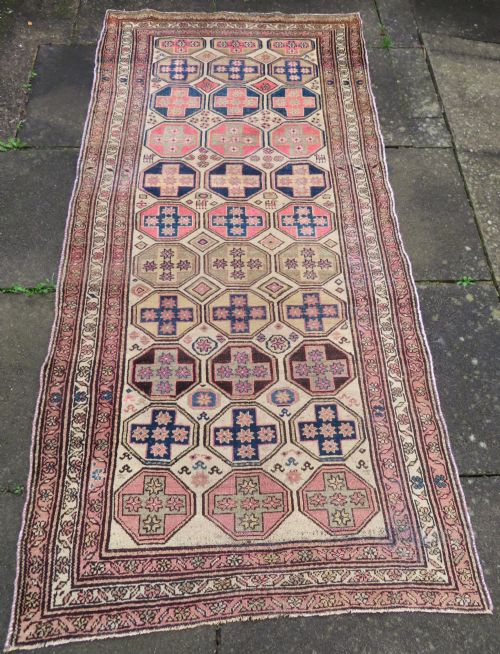
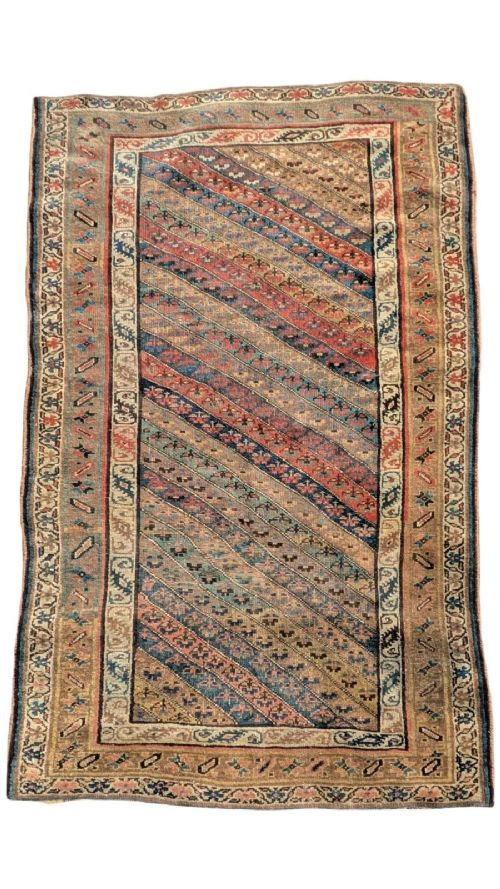
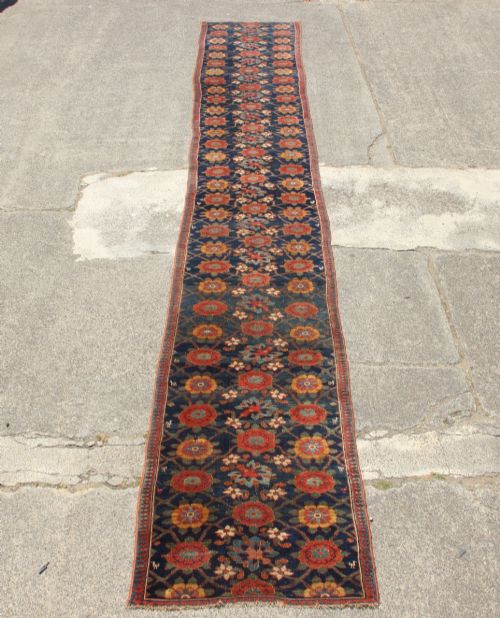
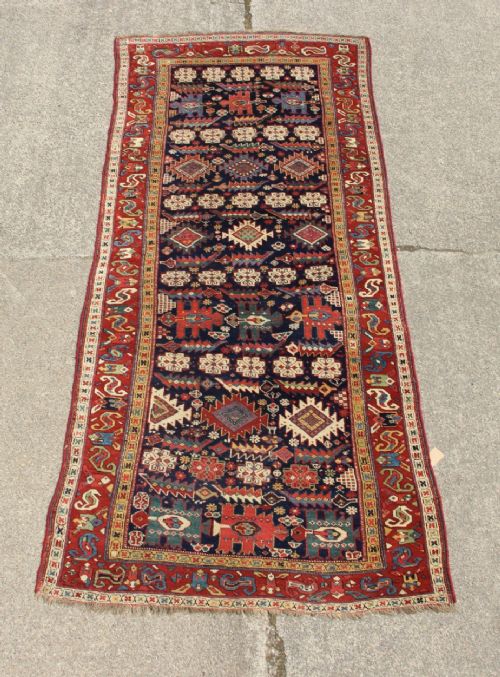
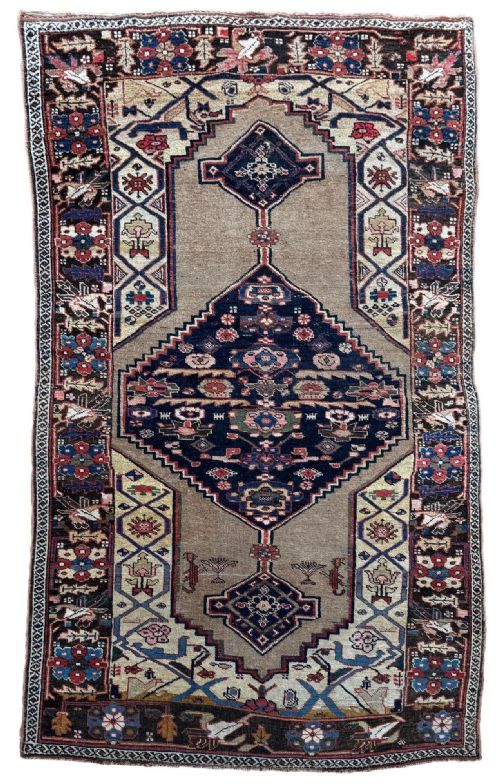
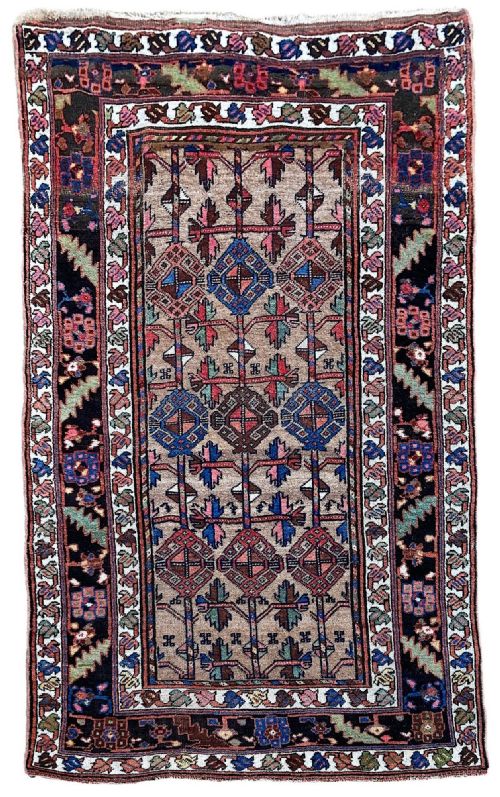
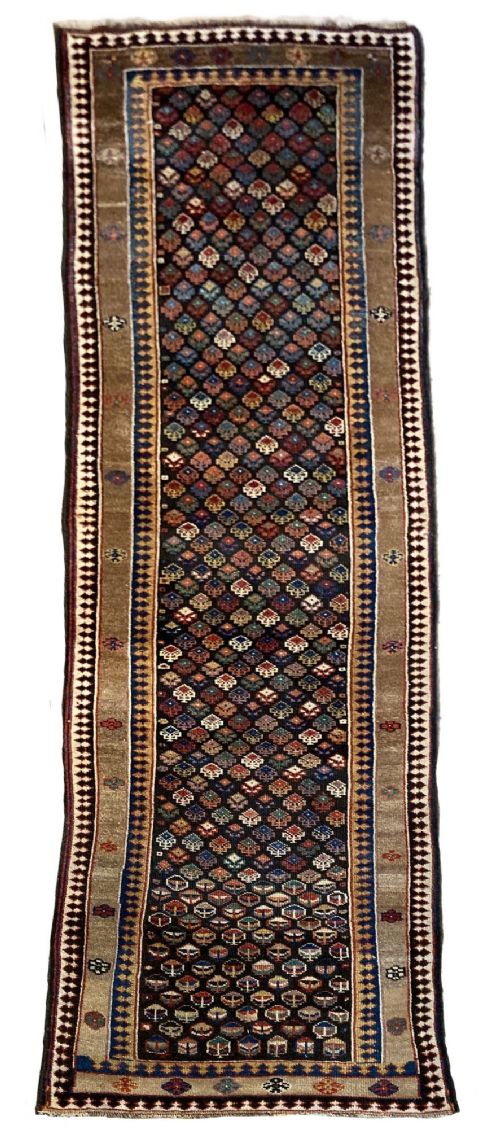
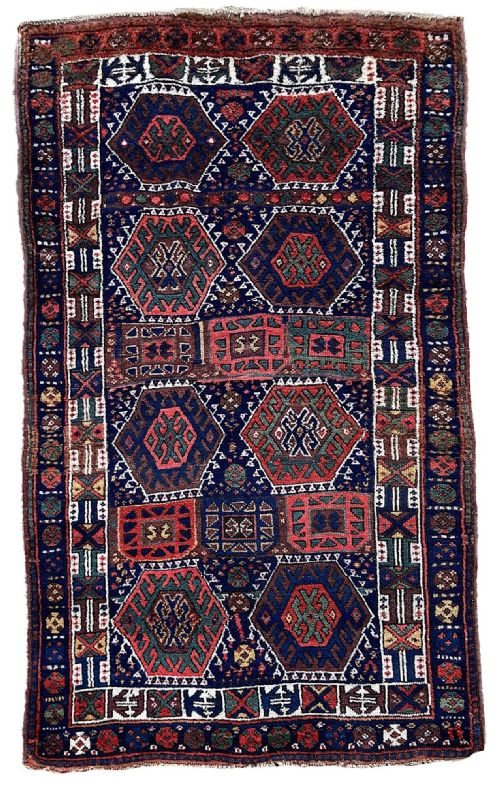
A Kurdish runner rug is a long, narrow floor covering originating from tribal weaving traditions, most frequently found in formats designed for hallways and corridors. These pieces showcase designs such as the Mina Khani pattern, Turkmen gul motifs, Memling gul designs, and Sarab influences.
The objects span periods from the mid nineteenth century through the early twentieth century, reflecting the heritage of West Persia and the Kurdish homelands. Buyers encounter various proportions, from narrow hallway runners to longer formats suited to distinct architectural spaces.
Tribal Persian and Kurdish Tribal styles dominate these listings, offering an authentic connection to historical village weaving. Each piece displays the characteristic formats of runner rugs, rug runners, and long rugs that define this category.
Materials and Construction
Every piece in this category is constructed from wool, utilised for both the foundational structure and the thick surface pile. This natural material provides the durability required for high-traffic hallway placements.
Weavers employed traditional tribal techniques to create flat weave kilim structures alongside thick pile surfaces, depending on the specific regional workshop or nomadic tradition. These methods ensure structural integrity alongside distinct surface textures.
Kurdish Runner Rug Retail Price Guide 2026
Typical asking prices for kurdish runner rug among the pieces listed under this phrase on Sellingantiques today, from the lower quarter to the upper quarter. They describe what is for sale here now, not the wider market.
Some country house runners carry delightfully idiosyncratic designs that suggest the weaver improvised freely while recalling traditional tribal patterns.
Assessing Quality in Kurdish Rugs
Quality in these runners rests upon the execution of traditional designs like the Mina Khani or Memling gul, where precise knotting defines the clarity of the pattern. Tighter construction and careful handling of regional motifs elevate specific examples above standard village output.
The condition of the wool pile, whether kept thick or worn through decades of use, shapes the tactile presence of the rug. Balance between structural preservation and authentic age distinguishes finer survivals.
The Kurdish Runner Rug Glossary
- Runner
- A long, narrow carpet format specifically proportioned for corridors, hallways, and staircases. These pieces manage foot traffic while introducing distinct pattern to restricted floor spaces.
- Gul
- A medallion motif frequently employed in tribal and nomadic weaving traditions. The Turkmen gul and Memling gul represent specific geometric iterations of this design element.
- Kilim
- A flatweave textile produced without a pile, offering a lighter structure. These flat weave runners appear alongside traditional piled formats in regional production.
- Mina Khani
- An all-over repeating pattern composed of daisy-like flowers linked by delicate curved vines. This classical design appears on fine antique long runners.
- Pile
- The upright yarn loops that form the tactile surface of a rug. A thick pile provides comfort and warmth underfoot while protecting the structural foundation.
Kurdish Runner Rug: Frequently Asked Questions
Where should I place a Kurdish runner rug?
These narrow formats suit hallways, corridors, and long entryways where floor coverage needs to accommodate restricted widths.
The durable wool construction handles everyday foot traffic while introducing historical character to transitional domestic spaces.
How do I care for antique wool runners?
Regular gentle vacuuming without a rotating brush roll prevents dust accumulation within the wool pile. Professional cleaning suited to antique textiles preserves the natural fibres.
Keeping the rug out of direct, harsh sunlight protects the historical dyes from fading over time.
What designs appear on these rugs?
Common motifs include geometric gul patterns, Memling designs, and the repeating floral Mina Khani layout. These visual elements reflect the distinct tribal traditions of West Persia.
Each design links the piece to specific village and nomadic aesthetics from the nineteenth and early twentieth centuries.
How do I date an antique Kurdish runner?
Dating relies on structural characteristics, wool preparation, and the specific application of traditional motifs. Pieces on this page span the period from the mid nineteenth century to the early twentieth century.
Comparing structural weave density and design execution helps contextualise the era of production.