

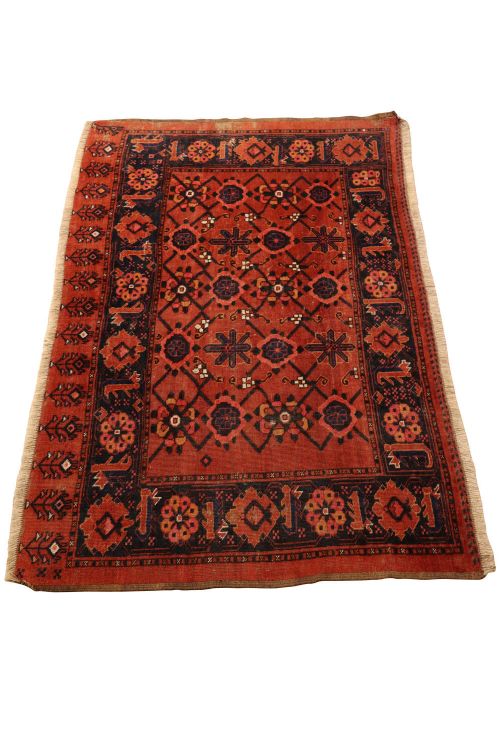


Vintage Kurdish Rug
These vintage kurdish rug examples bring dense tribal geometry and rich wool into a room with genuine weight and character.
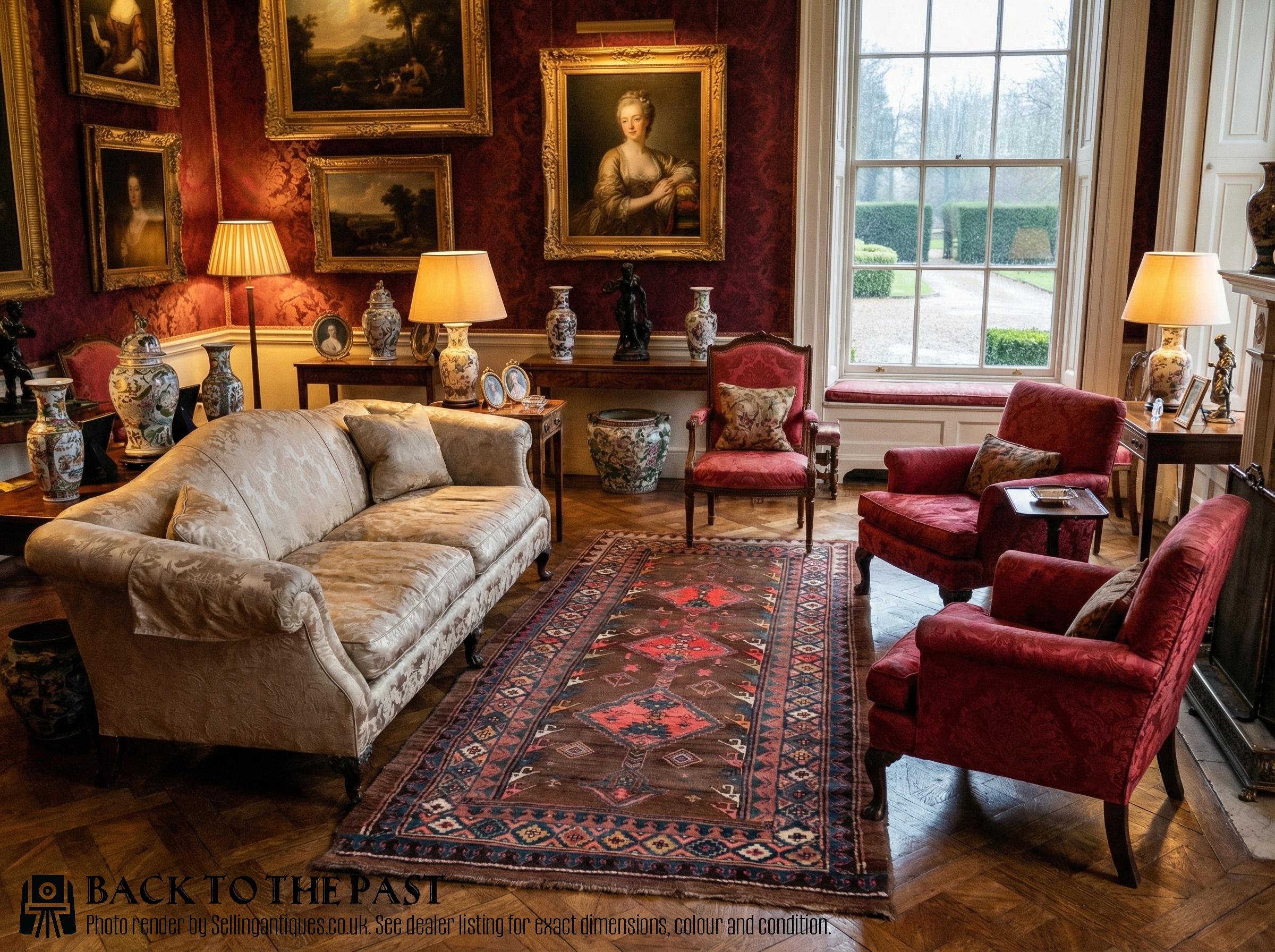
Vintage Kurdish Rug
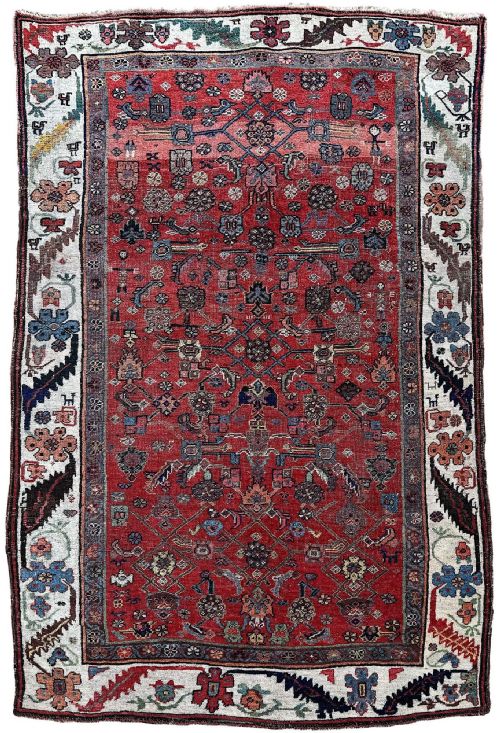
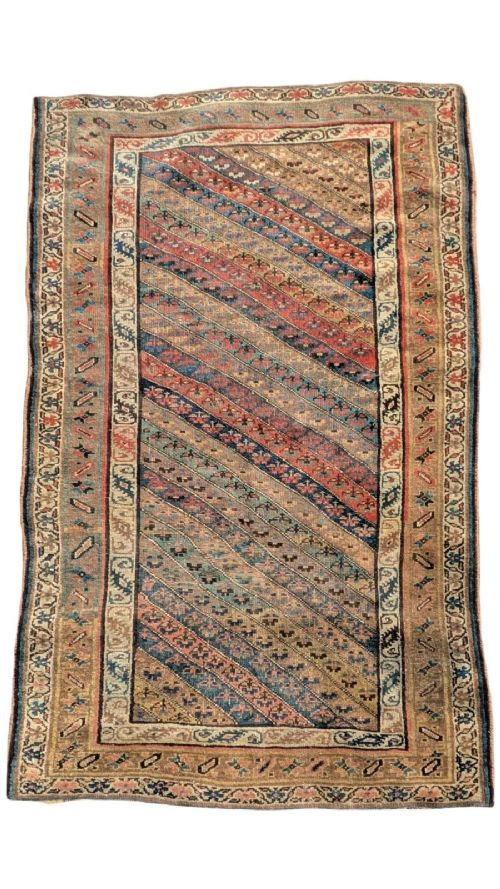
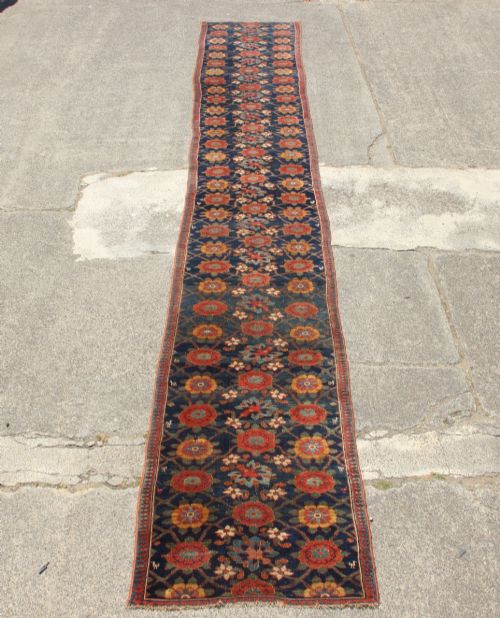
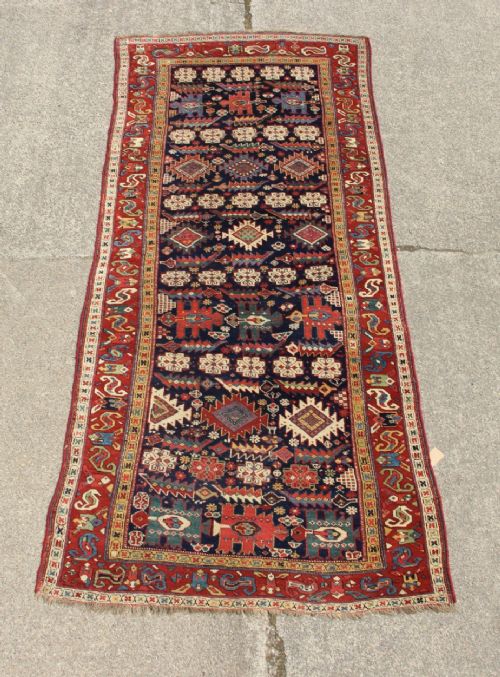
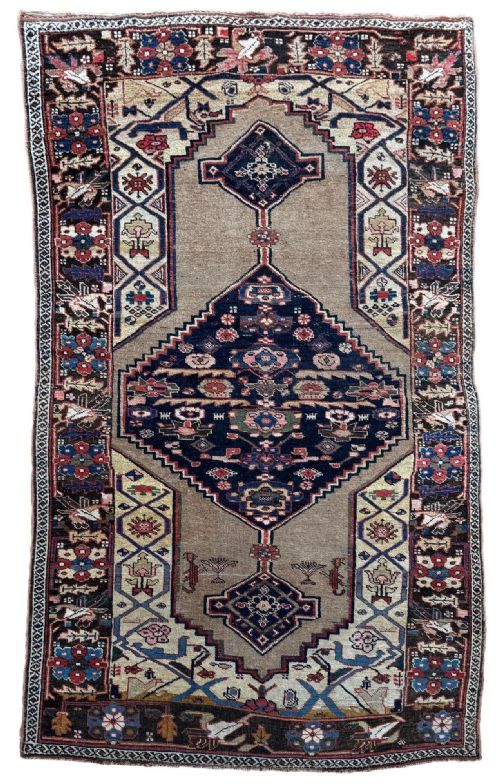
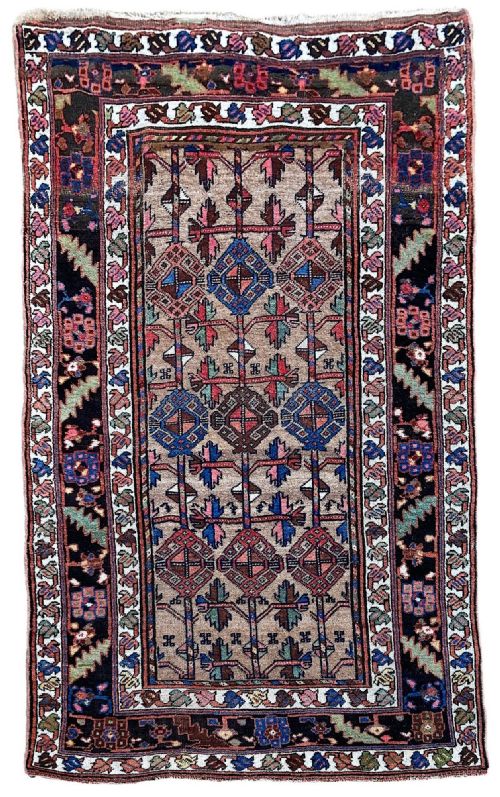
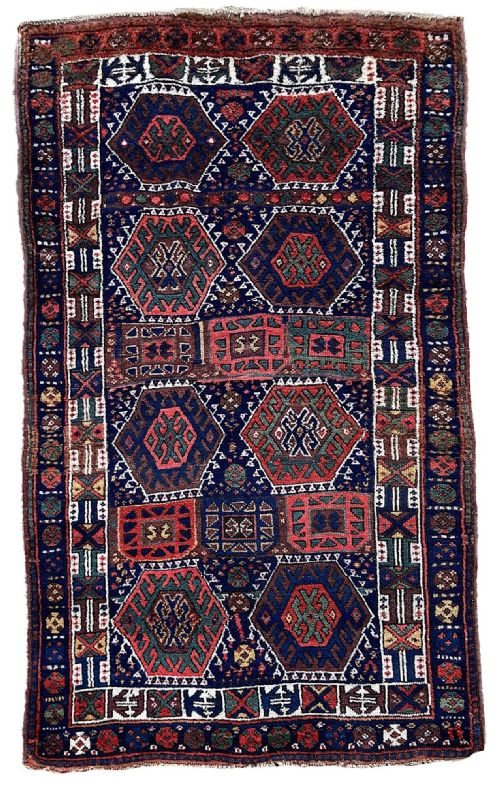
A vintage kurdish rug represents the weaving traditions of nomadic and village weavers across western Persia and Anatolia. Buyers searching for a vintage kurdish rug will find formats ranging from small scatter formats and cushions to substantial long runners andelleh carpets.
The material record spans pieces dated from the nineteenth century through the early decades of the twentieth century. Common stylistic attributions connect these textiles to regional centres such as Bidjar, Senneh, Hamadan, and Jaf communities.
Materials and technique
Weavers relied on hand-spun wool for the pile, paired with cotton foundations and occasional goat hair details for structural resilience. Natural dyes provide the characteristic depth of colour found across these tribal and village pieces.
The hand-knotted technique ensures dense pile construction, while specific structural methods like Soumakh weave appear in flat-woven items.
Listings span multiple decades from the 1870s to the 1930s, featuring wool, cotton, and natural dyes.
What varies in quality
Quality rests upon the fineness of the knotting, the handling of the natural dyestuffs, and the integrity of the wool. Tighter structures and more precise geometric drawing separate finer village and workshop pieces from simpler nomadic work.
Condition of the pile and the preservation of original selvedges and ends dictate the overall merit of an individual carpet.
The Vintage Kurdish Rug Glossary
- Kelleh
- A large format rectangular carpet, typically longer than a standard room-size piece but broader than a runner. These formats suit long hallways or spacious reception rooms.
- Runner
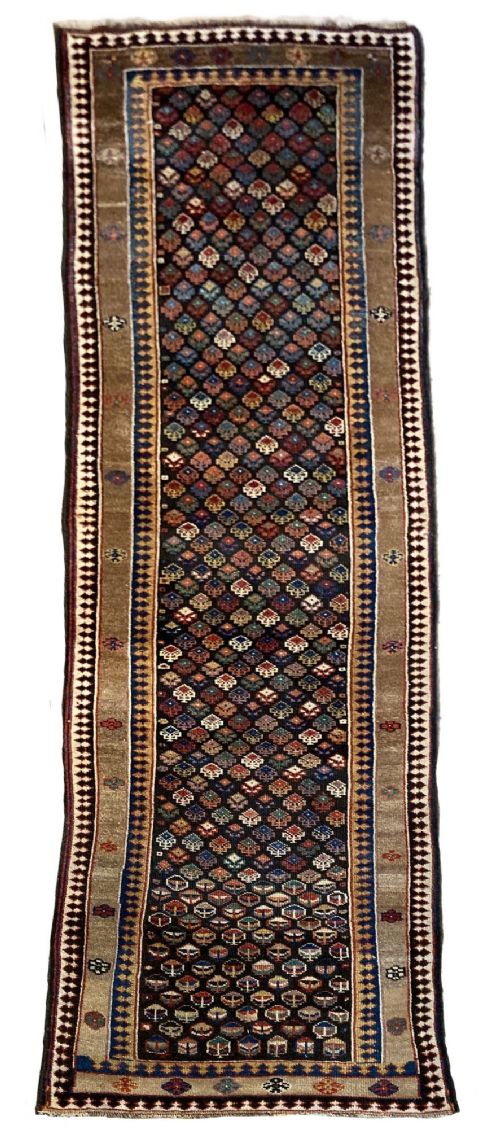
- A long, narrow carpet format designed for corridors, stairs, or narrow gallery spaces. Their dimensions emphasise repeating geometric motifs.
- Gul
- A medallion or repeating octagonal motif traditional to tribal weaving. These designs often identify specific regional weaver groups.
- Soumakh
- A flat-weave technique involving coloured threads wrapped over the warp threads to create a textured, durable surface without a cut pile. This method results in robust rugs with distinct flat structures.
- Senneh
- A regional weaving style associated with fine knotting and intricate boteh or field patterns. Pieces from this tradition often display great precision.
Vintage Kurdish Rug: Frequently Asked Questions
How do I clean an old wool rug?
Gentle surface brushing and professional specialist washing maintain wool pile without damaging the natural dyes.
Avoid harsh chemical detergents and excessive water immersion to preserve the structural integrity of the foundation.
Where were these tribal rugs made?
Weavers produced these textiles across western Persia, Kurdistan, and East Anatolia, working within nomadic tribes or settled villages.
Specific regional characteristics link individual pieces to centres like Bidjar, Hamadan, and Senneh.
Can I place a runner in a hallway?
Runners suit corridors and narrow spaces where a long, narrow format fits the floor plan efficiently.
Using an appropriate underlay helps secure the textile on hard flooring and reduces daily friction.
What materials make up the pile?
Traditional pieces utilise hand-spun wool for the main pile, chosen for its durability and capacity to hold natural dye colours.
Foundation threads commonly consist of cotton or wool, with occasional goat hair used in tribal structures.