


Konya Tribal Rug
A konya tribal rug brings centuries of Central Anatolian village weaving into a room, prized for rich vegetable dyes and geometric wool patterns.
Konya Tribal Rug
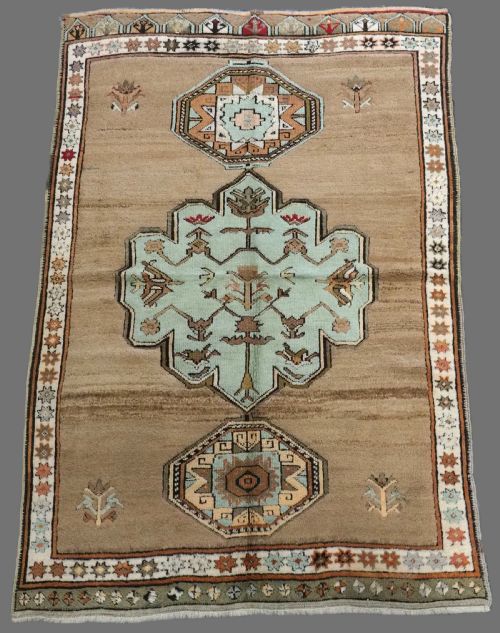
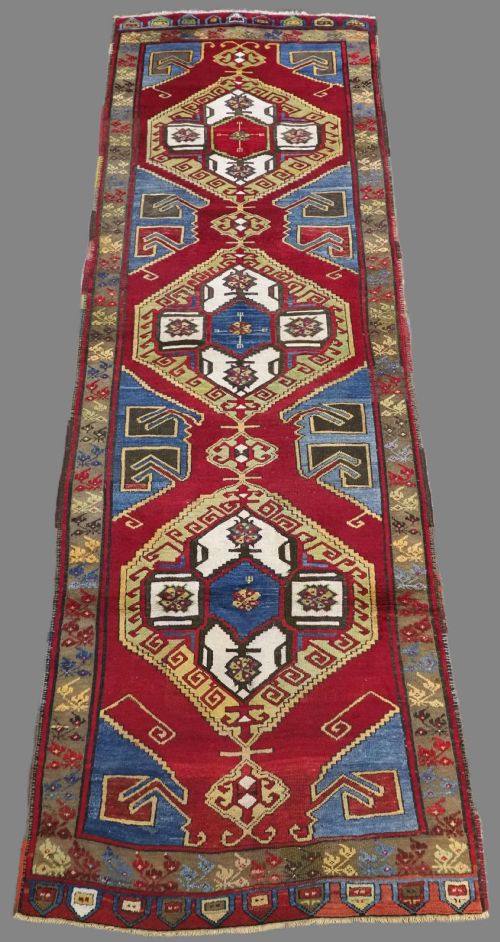
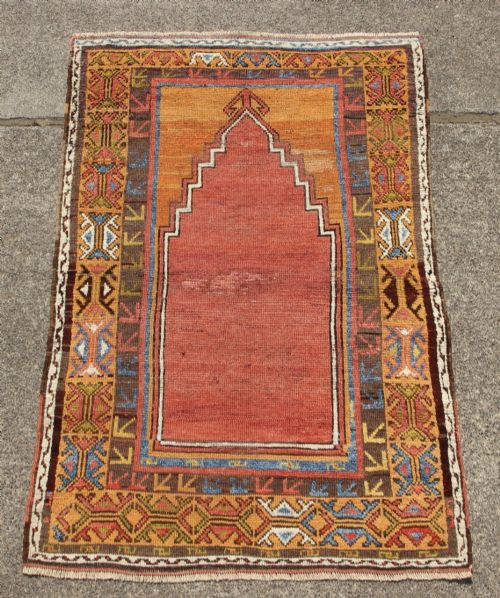
A konya tribal rug originates from the Central Anatolian region of Turkey, encompassing village and nomadic textiles produced across the nineteenth and early twentieth centuries. These pieces appear in forms such as area rugs, prayer rugs, runners, flatweave kilims, and embroidered yastiks.
The prayer rug format dominates the selection, distinguished by specific architectural mihrab niches woven into the design. Village weavers also produced long runners and larger carpets featuring traditional Anatolian motifs and tribal symbols.
Makers in the Konya region utilised wool, cotton foundations, and camel wool to construct these floor coverings and wall hangings. Examples range from early nineteenth-century works to pieces made around nineteen-twenty.
How They Were Made
Weavers constructed these textiles predominantly using hand-spun wool and camel wool, often set upon cotton foundations for structural stability. The use of natural vegetable dye supplied the palette of soft colours and ivory grounds seen across the region.
Production methods included traditional pile knotting for prayer and yatak rugs alongside flatweave techniques for kilims and half-kilim runners. Certain pieces incorporated cicim embroidered panels, creating textured surface details utilised for wall hanging or floor placement.
Listings feature pieces spanning from the early nineteenth century through the early twentieth century, utilising hand-spun wool and vegetable dye.
What Varies in Quality
The distinction between average and exceptional pieces rests upon the fineness of the knotting and the clarity of the geometric design. Tighter structures and precise execution of traditional motifs separate master village work from standard utility weaving.
Depth and saturation of the vegetable dye palette influence overall visual impact, alongside the preservation of original wool pile and edge finishes. Greater artistic expression in the layout of prayer niches and border systems elevates individual examples.
The Konya Tribal Rug Glossary
- Mihrab
- The arched niche design found on prayer rugs, symbolising a doorway to paradise and pointing toward Mecca. This architectural motif guides the primary composition of many Central Anatolian pieces.
- Kilim
- A flatweave textile produced without pile by tightly interweaving warp and weft threads. These rugs offer a thinner profile and sharp geometric patterns.
- Yastik
- A small Turkish tribal rug traditionally utilised as a face for a cushion or bolster. These compact formats often display concentrated regional designs.
- Yatak
- A term used to describe a larger pile rug or bed rug from the region. These pieces typically provide a deeper pile and heavier construction.
- Cicim
- A supplementary weft-float embroidery technique sewn onto a woven textile to create raised patterns. This method adds tactile decoration to panels and domestic hangings.
Konya Tribal Rug: Frequently Asked Questions
Where were konya tribal rugs made?
These textiles were produced by village and nomadic weavers in the Konya region of Central Anatolia, Turkey. Production spans various local settlements and rural communities throughout the nineteenth and early twentieth centuries.
Weavers utilised local materials and traditional designs specific to the area, creating distinct regional variations in prayer rugs, kilims, and runners.
What is the difference between a rug and a kilim?
A rug involves knotted pile construction, where individual strands of wool are tied to the warp threads and sheared to create a plush surface. This method produces a thicker and heavier floor covering.
A kilim is a flatweave textile made without pile by interlocking weft threads over the foundation. This results in a lighter, reversible fabric with crisp, geometric pattern boundaries.
How should I care for an antique wool rug?
Antique wool textiles require gentle treatment, beginning with regular light vacuuming without a rotating brush bar to protect the old pile. Professional cleaning by specialists in historic vegetable-dyed rugs ensures the wool and natural colours remain undamaged.
Keeping the textile out of direct, intense sunlight prevents the fading of natural vegetable dyes over time.
What materials make up these antique textiles?
The primary material is sheep wool, frequently hand-spun and occasionally supplemented with camel wool in specific fields or borders. Foundations often incorporate cotton for added durability and structural integrity in larger formats.
Colouring relies entirely on natural vegetable dye sources applied to these organic fibres before weaving.