


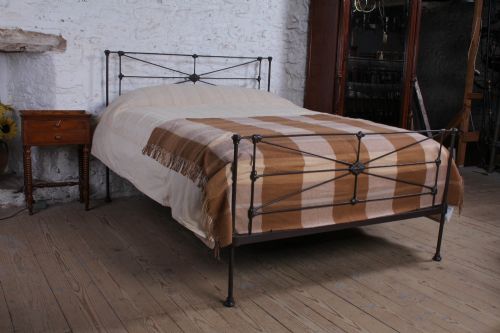


King Size Iron Bed Frame
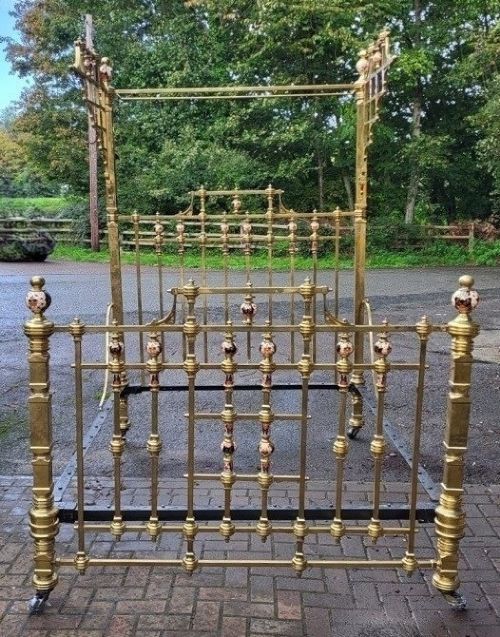
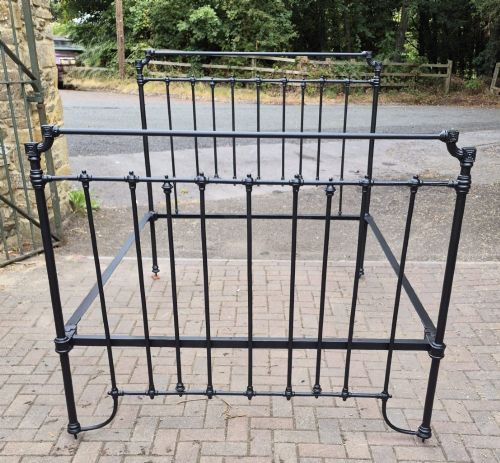
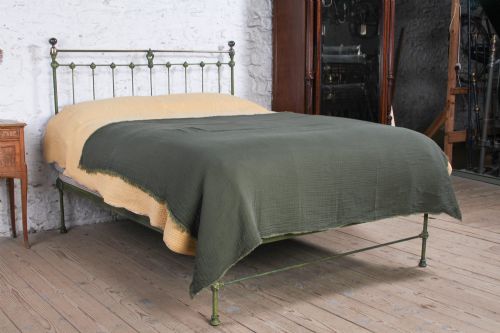
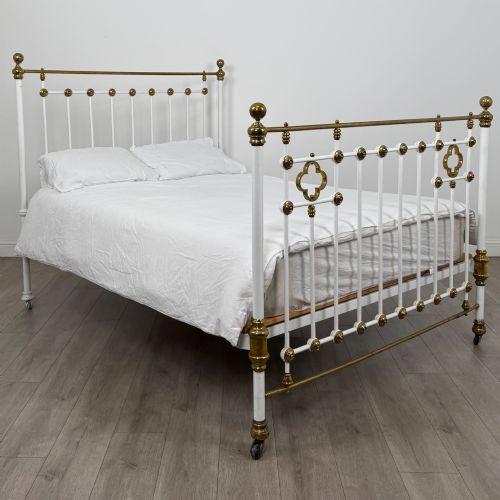
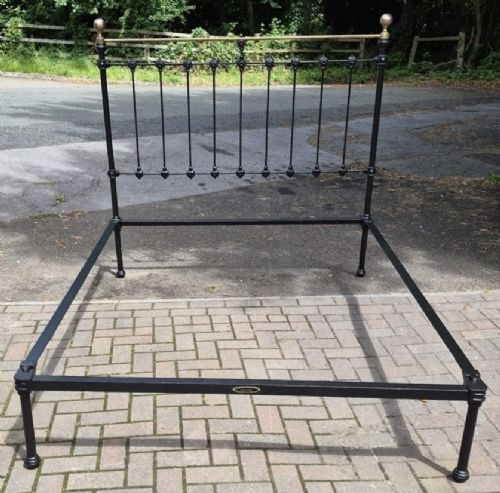
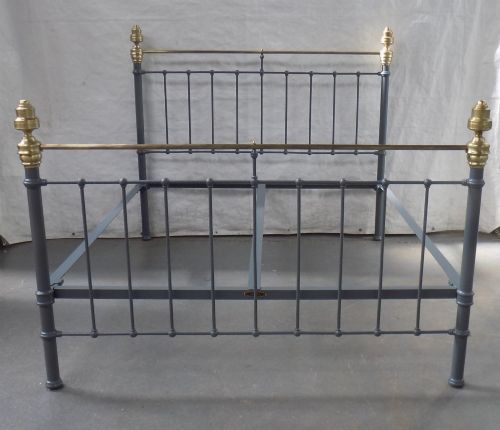
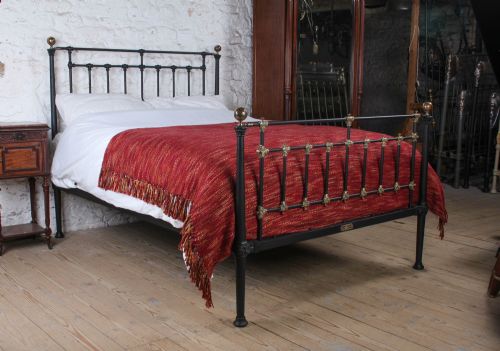
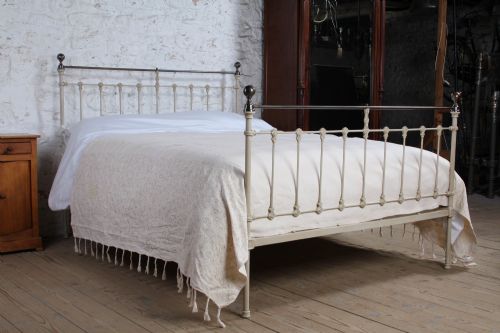
A king size iron bed frame provides generous proportions and robust metal construction, making it a sturdy centrepiece for a traditional bedroom.
King Size Iron Bed Frame
A king size iron bed frame combines substantial sleeping space with enduring metal fabrication, drawing on designs from the Victorian, Edwardian, and early twentieth-century periods. These pieces often feature generous widths, accommodating modern mattresses while retaining their historic character.
The selections available here predominantly span the nineteenth and early twentieth centuries, featuring origins in Britain, Ireland, France, and Portugal. Buyers encounter forms ranging from traditional footboards to low-end and no-end configurations.
Stylistic variations include classic Victorian silhouettes, French country influences, and distinct regional designs from Ireland and Portugal. Many examples incorporate brass components alongside iron frameworks, offering a mixed-metal aesthetic.
How they were made
Construction relies heavily on cast iron, wrought iron, and forged iron for the primary structural framework and supports. Metal casting techniques allowed makers to produce intricate junctions, decorative finials, and shaped headboards.
Brass elements, including tubing, spindles, and decorative caps, were frequently combined with iron frames to create contrast and visual interest. Surface finishes often involved painted applications or specialised treatments on the underlying metal.
Listings feature iron, brass, and painted finishes across Victorian, Edwardian, and early twentieth-century periods.
What varies in quality
The distinction between standard production and superior examples lies in the complexity of the castings and the intricacy of the metal shaping. Elaborate brass details, tapered posts, and refined spindles demonstrate a higher level of craftsmanship.
Structural integrity depends on the original gauge of the iron and the precision of the joints. Pieces designated as exhibition quality or featuring detailed forged work represent the upper tier of period manufacturing.
Winfield
The King Size Iron Bed Frame Glossary
- Bedstead
- A framework of a bed designed to support a mattress and springs. These historic structures utilise metal rails and posts rather than modern modular systems.
- Cast iron
- Iron that has been poured into a mould to create rigid components and decorative castings. This material forms the solid core of many nineteenth-century frames.
- Wrought iron
- Iron that is heated and hammered into shape by hand, resulting in durable and fibrous structural elements. It appears in frames requiring forged detail.
- Brass half tester
- A bedstead featuring a partial canopy projecting from the wall over the head of the bed. This style adds architectural presence to the sleeping quarters.
- Dip-rail
- A headboard or footboard top rail that curves downward toward the centre. This shaping softens the linear geometry of the metal frame.
- Finial
- A decorative ornament fixed to the top of bed posts. These elements terminate the vertical lines of the structure.
King Size Iron Bed Frame: Frequently Asked Questions
Will a standard modern mattress fit?
Historic frames often feature dimensions that vary slightly from contemporary standard sizes. Buyers should verify internal measurements to ensure a proper fit for modern mattresses.
Adjustments to side rails or slats are occasionally necessary to accommodate contemporary bases securely while maintaining the original exterior appearance.
How do I assemble these beds?
Period metal beds typically rely on wedge-lock joints or side-rail bolts rather than modern screws. These mechanical connections allow the headboard, footboard, and rails to lock together firmly under tension.
Careful alignment during assembly ensures the frame remains square and stable without requiring permanent alterations to the historic metalwork.
How do I care for iron and brass?
Maintenance involves gentle dusting and occasional cleaning with appropriate metal care products to preserve the finish. Avoiding abrasive cleaners protects both painted iron surfaces and polished brass components.
Inspect joints periodically to ensure fixings remain secure during daily use, preserving the structural stability of the frame.