



Karabagh Wool Runner Rug
A karabagh wool runner rug brings warmth and structured pattern to a hallway through regional Caucasian weaving traditions.
Karabagh Wool Runner Rug
When searching for a karabagh wool runner rug, a buyer encounters narrow, elongated floor coverings originating from the Caucasus region. These pieces bridge utility and decorative art, designed specifically to fit corridors and narrow spaces.
The selections available here span from the mid-nineteenth century into the early twentieth century. Common formats include traditional village runners, long rugs, and formats featuring distinct regional designs.
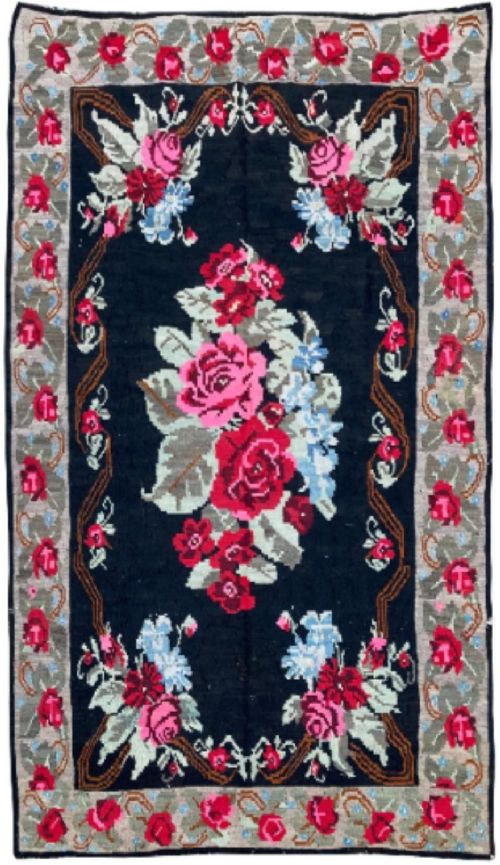
Makers in the Caucasus employed traditional weaving methods to produce these slender carpets. The resulting pieces reflect both indigenous tribal motifs and occasional European floral influences.
Materials and construction
Weavers constructed these textiles primarily using wool for the pile and foundation elements, supplemented by cotton in specific structural areas. Natural fibres provide the durability necessary for high-traffic hallway placement.
The creation process involved hand-knotting wool onto structural warps and wefts to build dense, resilient surfaces. Artisans relied on traditional upright looms and regional dyeing techniques to achieve lasting colour depth.
Listings feature wool and cotton materials across periods spanning the nineteenth and twentieth centuries.
Distinctions in quality
Quality differences stem from the precision of the knotting and the complexity of the design layout. Finer wool preparation and tighter structural foundations separate standard village pieces from exceptional examples.
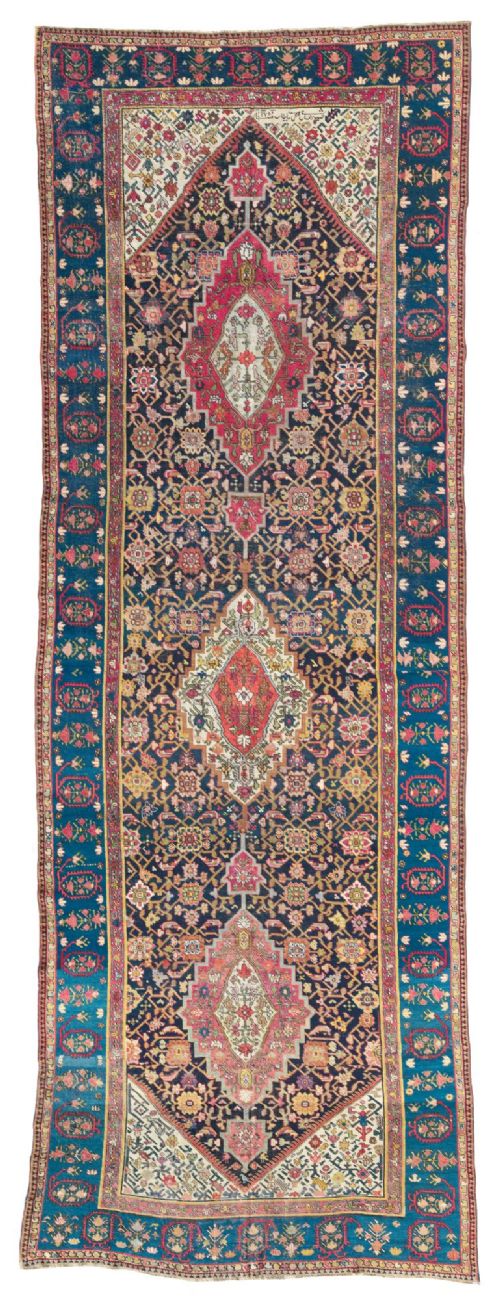
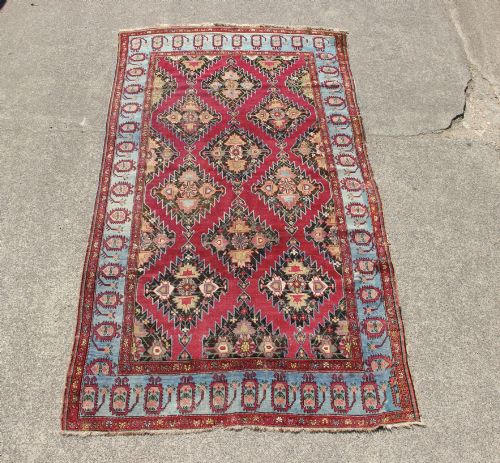
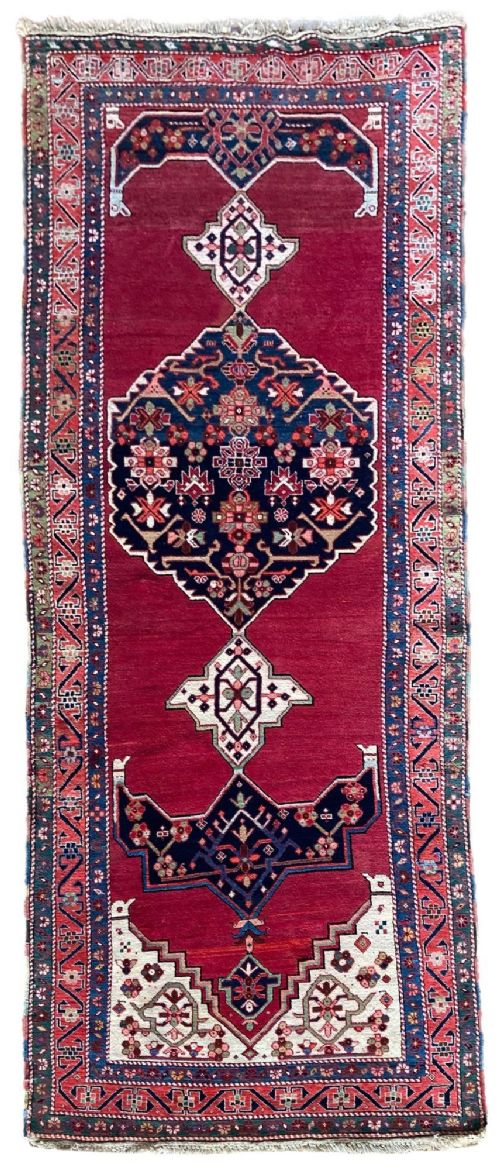
Artistic execution also drives distinction, visible in the clarity of geometric medallions, boteh motifs, or floral elements. Well-preserved wool pile and balanced regional colour palettes indicate superior execution by the weaver.
The Karabagh Wool Runner Rug Glossary
- Boteh
- A stylised almond or pear-shaped motif representing a seed or flame. This recurring pattern often appears arranged in rows or diagonal lines across Caucasian carpets.
- Kelleh
- A large, elongated rectangular format for carpets. These pieces are longer than standard rugs but broader than typical hallways runners.
- Kilim
- A flat-woven carpet produced without a pile. These pieces rely on interlocking weft threads to create geometric patterns.
- Medallion
- A central ornamental design motif placed in the field of a rug. Regional weavers often arranged single or multiple medallions symmetrically.
- Warp
- The vertical threads stretched tightly on the loom that form the foundation of the rug. Wefts are then interwoven horizontally across these structural elements.
Karabagh Wool Runner Rug: Frequently Asked Questions
Where were these runners made?
These runners originate from the Karabagh region in the Caucasus. Weavers in local villages produced them for domestic use and regional trade.
The geographical position of the Caucasus led to a blend of indigenous motifs and outside decorative influences, including European floral styles.
How do I care for wool runners?
Wool runners require regular gentle vacuuming without a beater bar to protect the pile and foundation fibres. Professional cleaning by specialists familiar with antique textiles preserves the natural lanolin.
Positioning a suitable underlay beneath the runner prevents slippage and reduces friction against the floor surface during daily use.
What designs appear on these rugs?
Designs include geometric medallions, diagonal boteh patterns, and structured stripe layouts. Some pieces incorporate pictorial elements depicting people, animals, or cloud bands.
Other examples display French-inspired rose designs, reflecting nineteenth-century European decorative trends adopted by regional weavers.
How do I date an old runner?
Dating relies on stylistic analysis, structural characteristics, and material examination. Certain pieces feature woven dates or signatures left by the original weaver.
Natural dye variations and specific regional weaving traits help narrow down the period of production to the nineteenth or early twentieth century.