
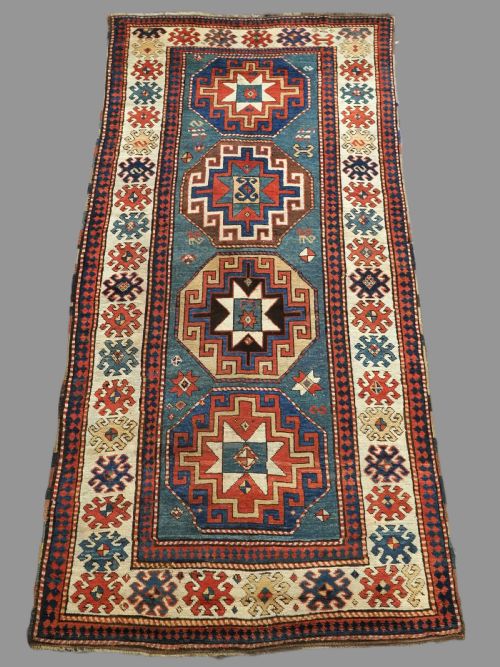
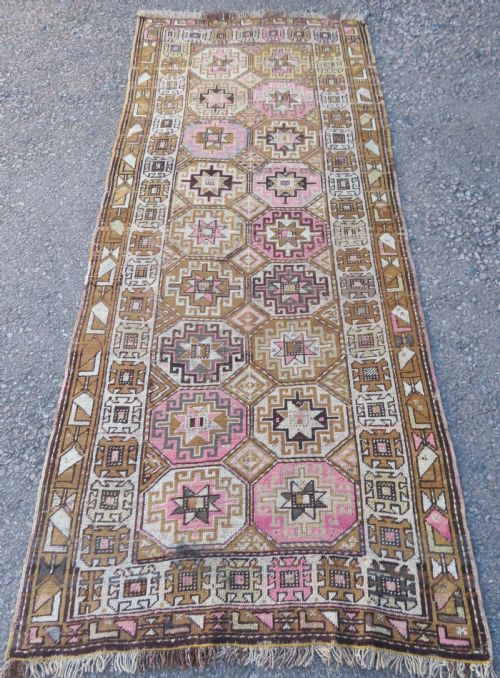

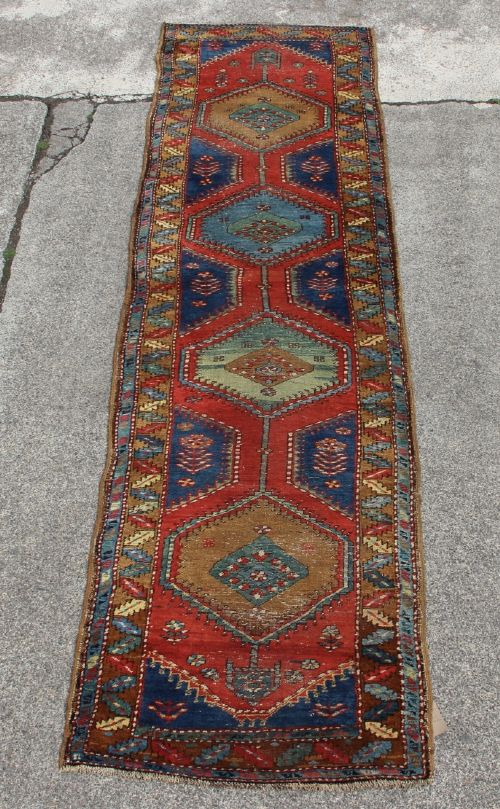

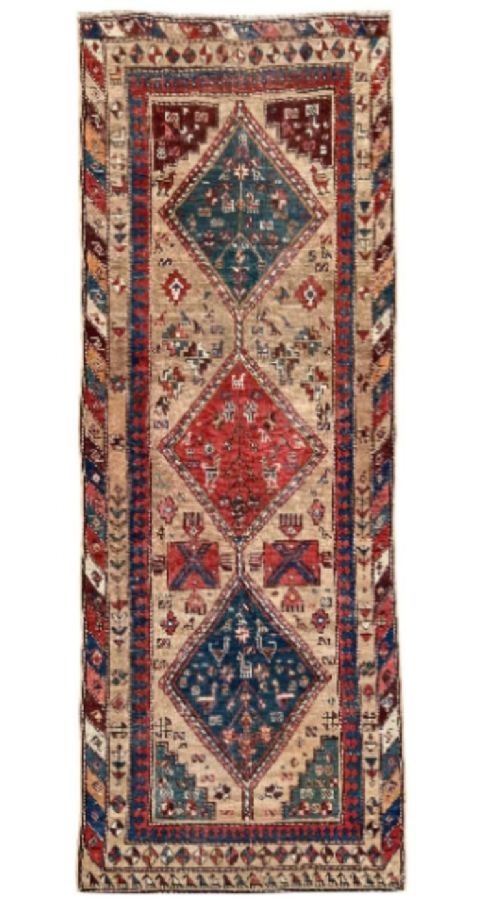
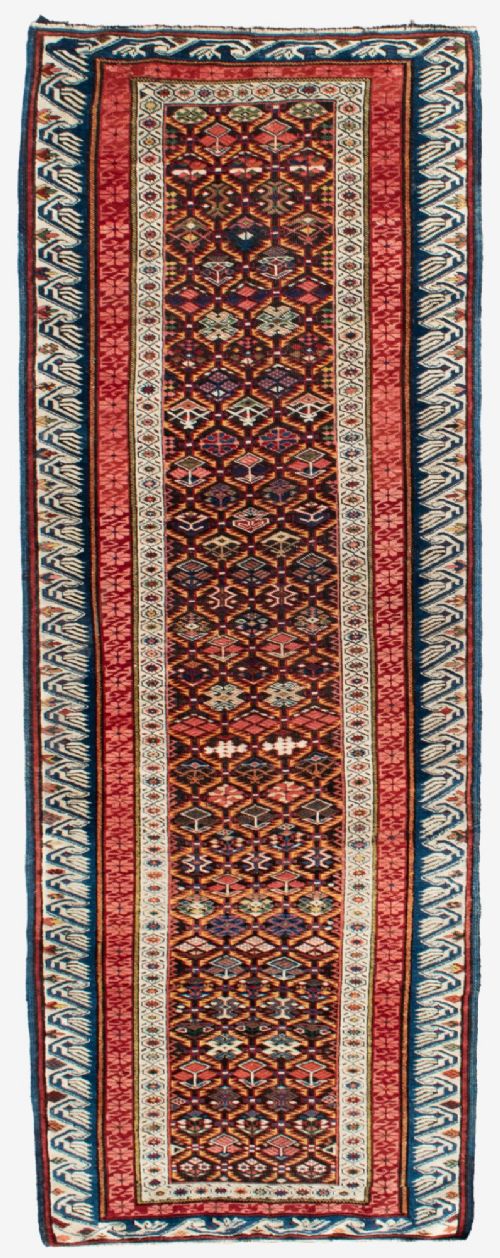
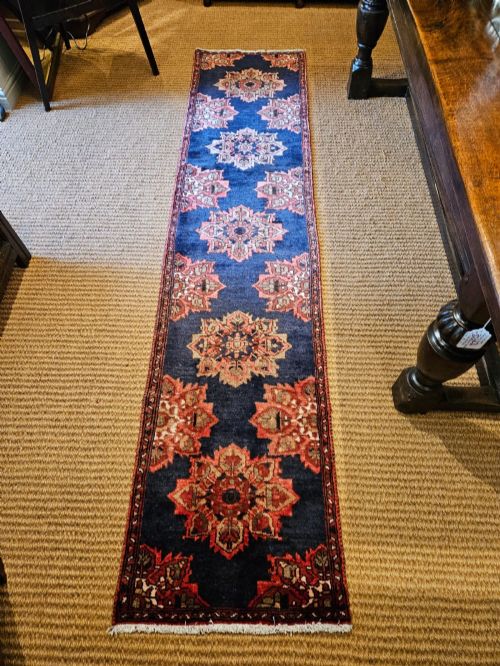
Geometric Tribal Hallway Carpet
A geometric tribal hallway carpet brings centuries of nomadic weaving traditions straight to the floor.
Geometric Tribal Hallway Carpet
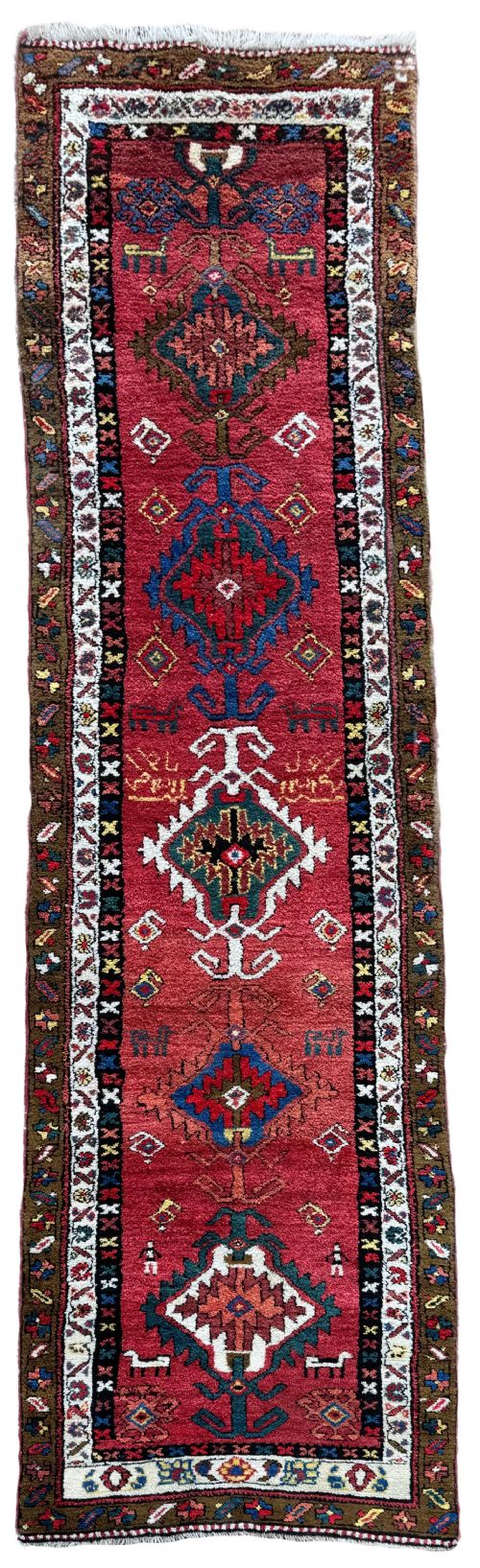
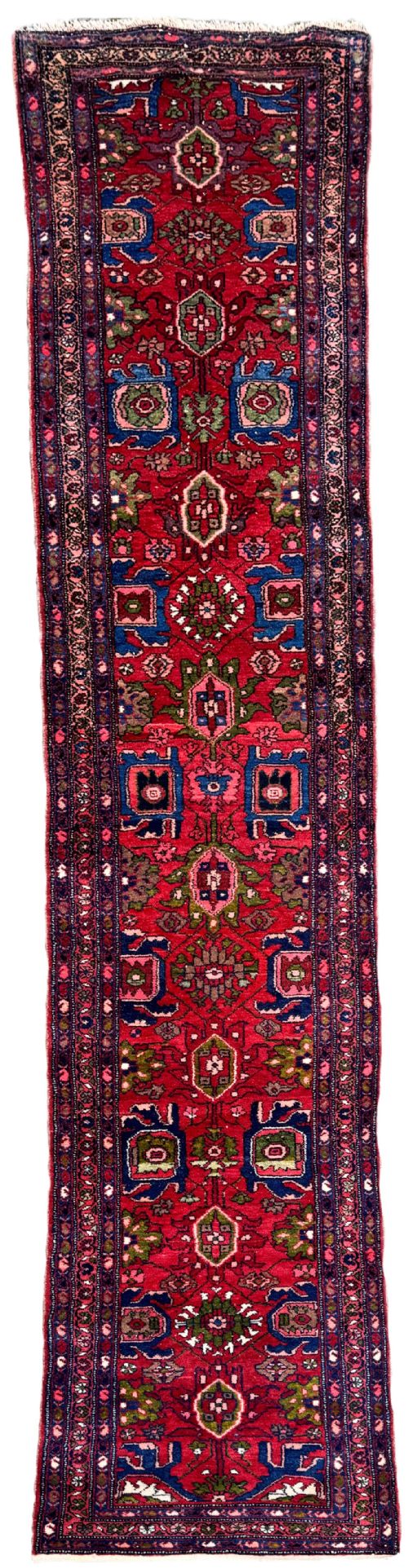
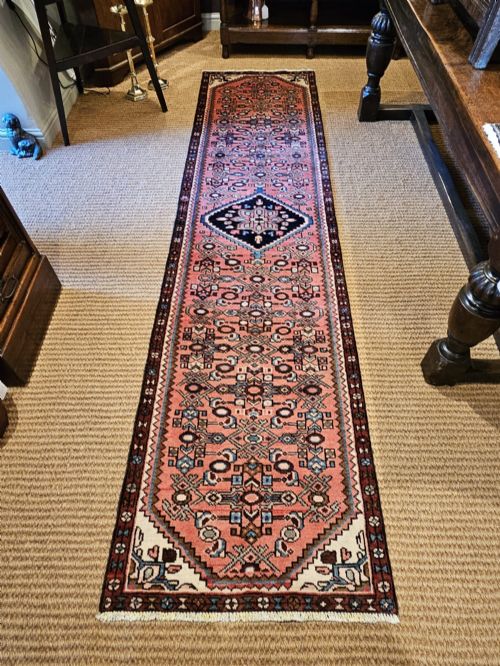
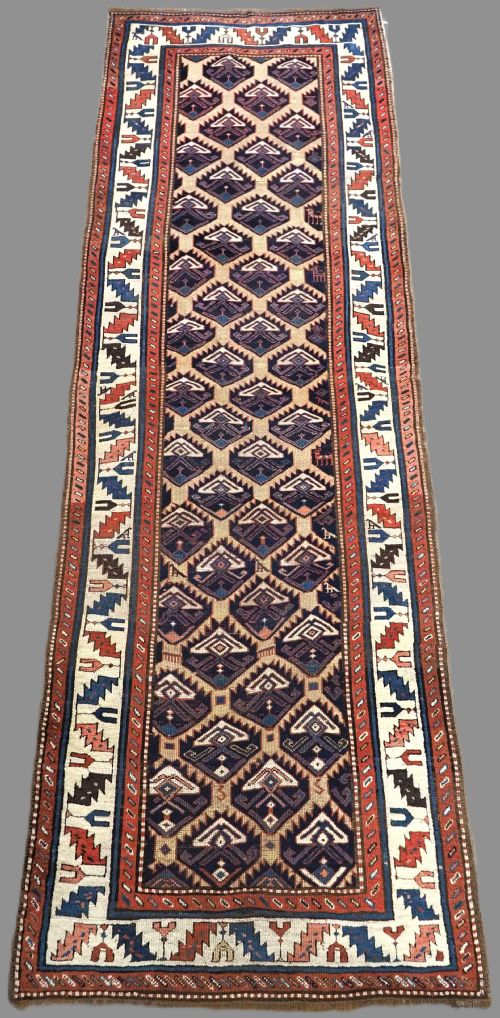
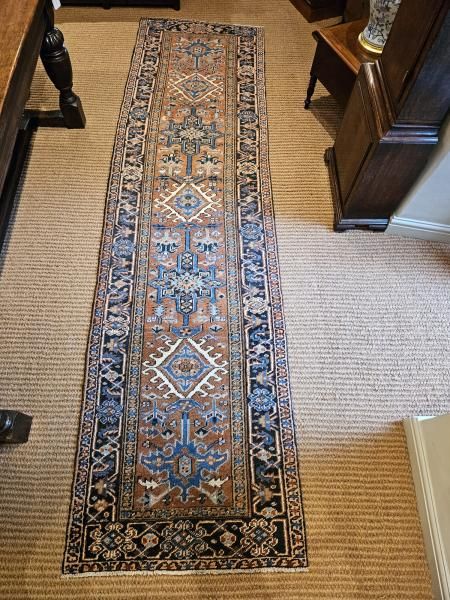
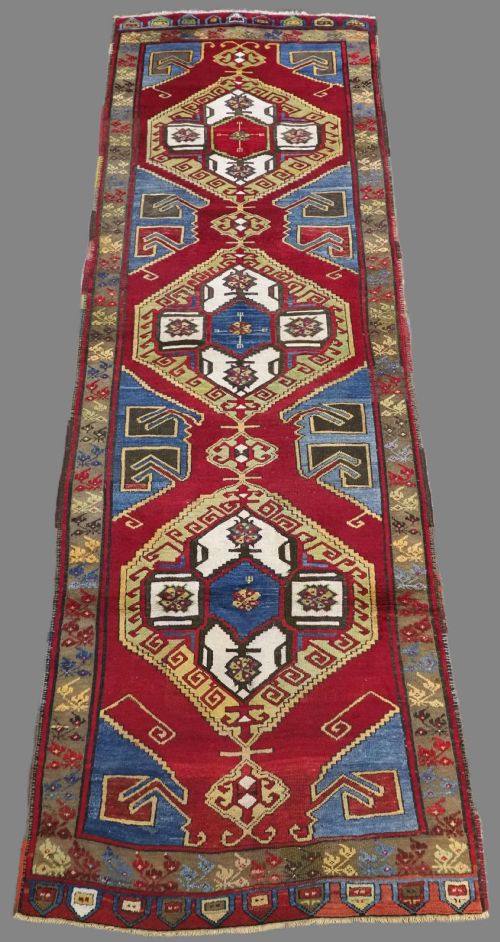
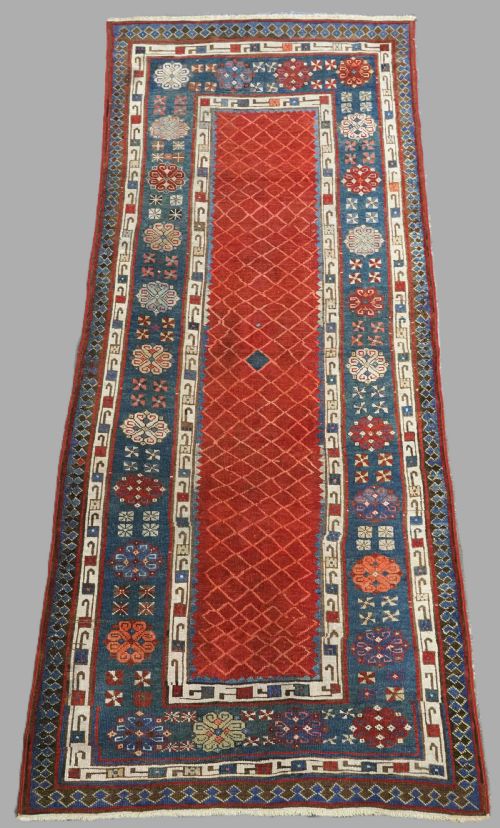
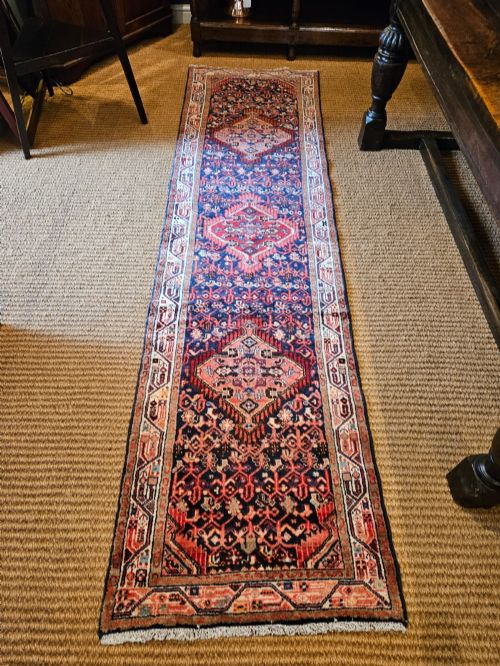
When you search for a geometric tribal hallway carpet, you encounter long, narrow textiles designed to fit narrow spaces like corridors and passages. These pieces originate from various regions including Persia, the Caucasus, Anatolia, and beyond, dating from the nineteenth century into the early twentieth century.
The selections on this page appear as runner rugs, long rugs, and hallway runners displaying traditional patterns. Common regional types include Kurdish, Heriz, Hamadan, Caucasian, and Anatolian pieces.
Makers utilised bold repeating motifs, medallions, and lattice designs to structure the surface of each runner. These rugs served practical purposes in traditional homes while demonstrating the distinct stylistic vocabulary of specific tribal groups.
How they were made
Weavers constructed these carpets primarily using wool for the pile and foundation, often incorporating cotton for structural warp and weft threads. Handknotting techniques allowed makers to build dense, durable surfaces capable of withstanding heavy foot traffic in domestic hallways.
Natural dyestuffs provided the palette for these textiles, yielding deep blues, rich reds, and earthy tones that age gracefully over decades. The handwoven nature of each runner means slight irregularities in width and length remain common across the inventory.
Listings span multiple decades from the nineteenth century into the twentieth century, featuring wool and cotton foundations.
What varies in quality
The standard of a tribal runner rests upon the tightness of the knotting and the density of the wool foundation. Tighter construction supports finer detail in the geometric motifs and longer resilience against wear.
Design clarity and the depth of the dye palette distinguish superior examples from standard utility pieces. Older nineteenth-century specimens often display greater complexity in their lattice and medallion layouts compared to later twentieth-century productions.
Kurdish weavers·Shahsavan workshops·Heriz weavers·Bidjar makers
The Geometric Tribal Hallway Carpet Glossary
- Runner
- A long, narrow carpet format specifically proportioned for corridors, hallways, and staircases. These pieces measure significantly longer than they are wide.
- Lattice
- A repeating grid pattern formed by intersecting diagonal lines across the field of the carpet. This geometric framework often encloses floral or abstract symbols.
- Pile
- The upright yarn loops or knots that form the usable surface of a woven carpet. Wool pile provides cushioning and durability.
- Warp
- The stationary vertical threads stretched on a loom that form the structural skeleton of the rug. Weavers tie knots directly onto these parallel strings.
- Weft
- The horizontal threads passed alternately over and under the warp threads to bind the knots in place. This process secures each row before the next level begins.
Geometric Tribal Hallway Carpet: Frequently Asked Questions
Where should I place a long hallway runner?
These narrow carpets suit corridors, passageways, and entryways where linear floor space requires definition and warmth. Their elongated proportions fit comfortably between walls without obstructing doors.
Ensure you measure the clear floor space carefully, leaving a uniform border of exposed flooring around the perimeter of the rug.
How do I care for an old wool runner?
Regular gentle vacuuming without a rotating brush roll prevents dust and grit from settling into the wool pile. Professional cleaning suited for antique textiles preserves the natural lanolin in the fibres.
Positioning a quality underlay beneath the runner prevents slipping and reduces friction between the floorboards and the foundation.
How can I tell the age of a tribal carpet?
Examining the materials, dye characteristics, and weave structure helps determine the approximate period of production. Nineteenth-century examples frequently exhibit hand-spun wool and distinct regional colour palettes.
Slight irregularities in dimensions and asymmetrical motifs often point toward traditional hand production rather than machine manufacture.
What defines a geometric tribal design?
These patterns rely on straight lines, triangles, diamonds, and repeating lattice structures rather than flowing floral curves. Nomadic weavers passed these symbolic forms down through generations within specific regions.
Each tribal group adapted traditional geometric vocabulary to create distinctive field arrangements and border guards.