
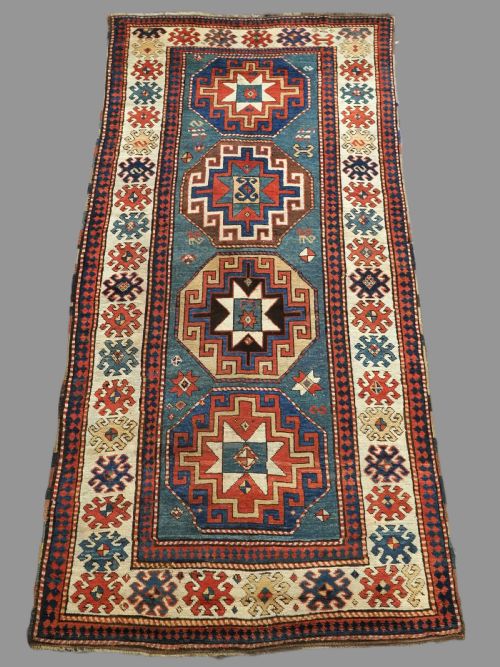
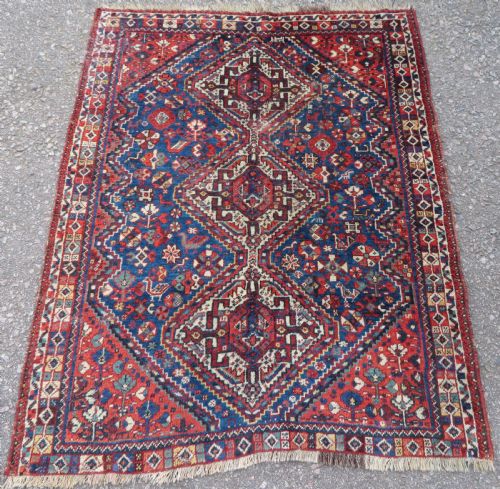
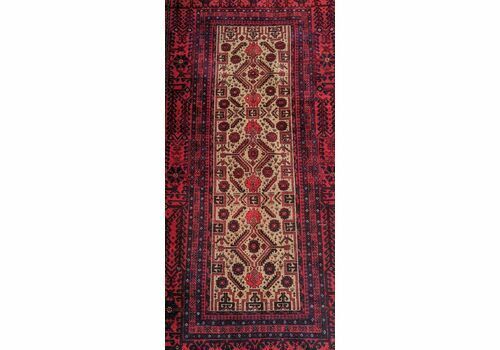
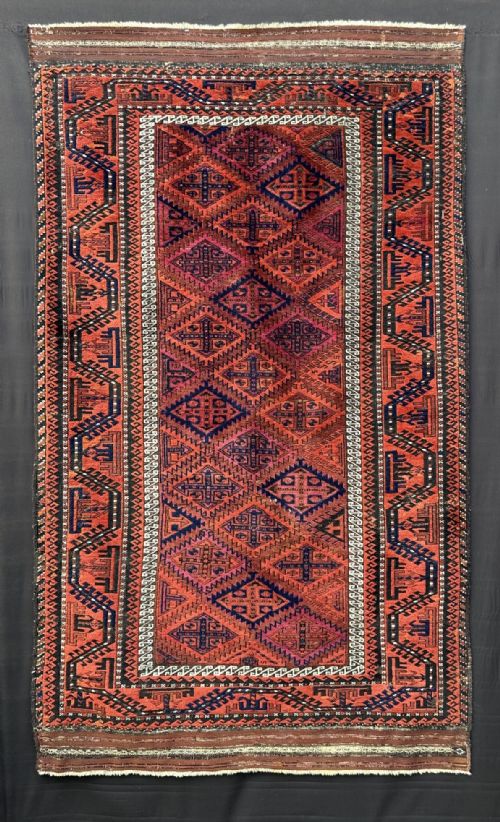
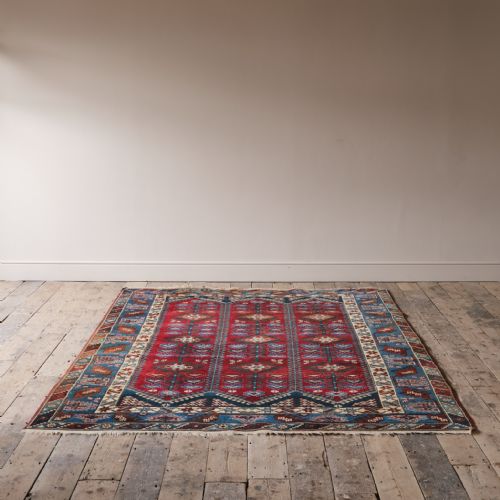
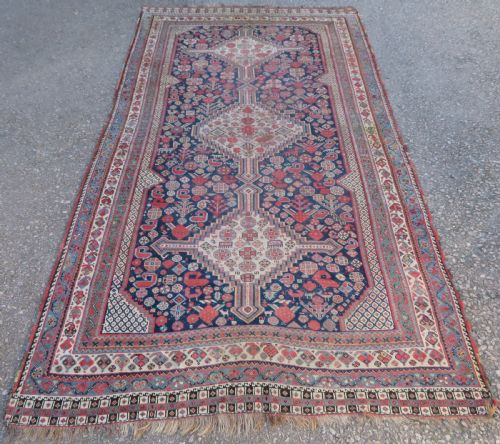
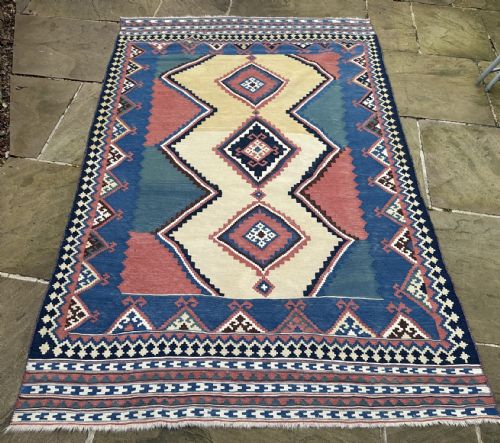
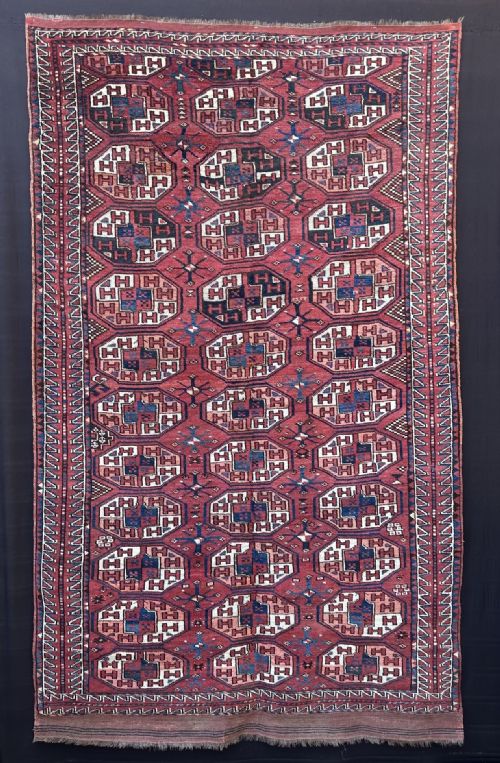




Tribal Wool Area Runner
A tribal wool area runner brings tactile warmth and enduring geometric patterns into a hallway or narrow space.
Tribal Wool Area Runner
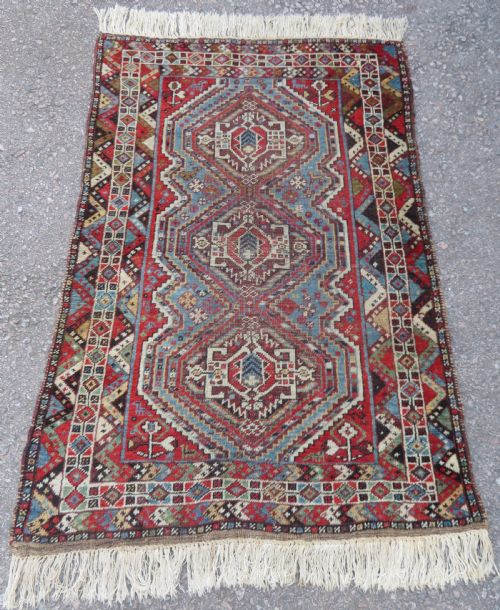
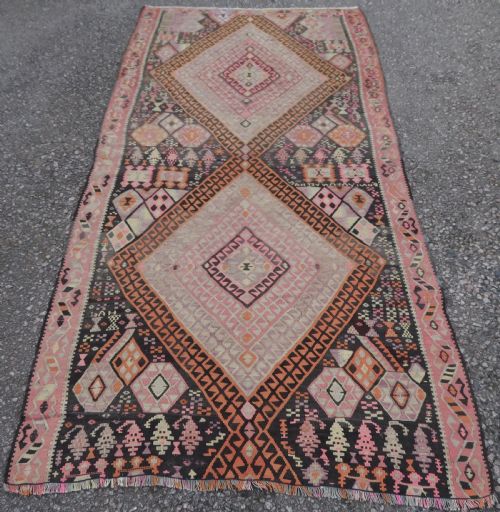
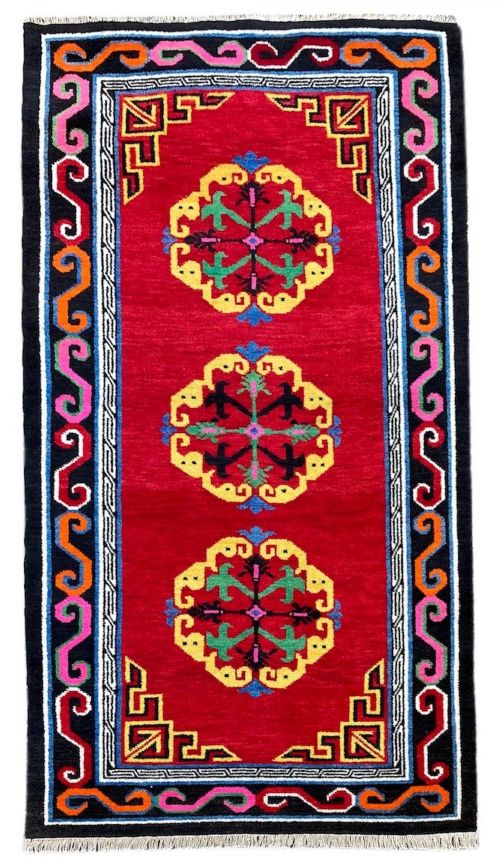
A tribal wool area runner is a long, narrow floor covering originating from nomadic and village weaving traditions in regions such as Persia, the Caucasus, and Central Asia. These textiles span periods from the nineteenth century into the early twentieth century, showing the distinct patterns of groups including the Turkmen, Kurdish, and Kazak weavers.
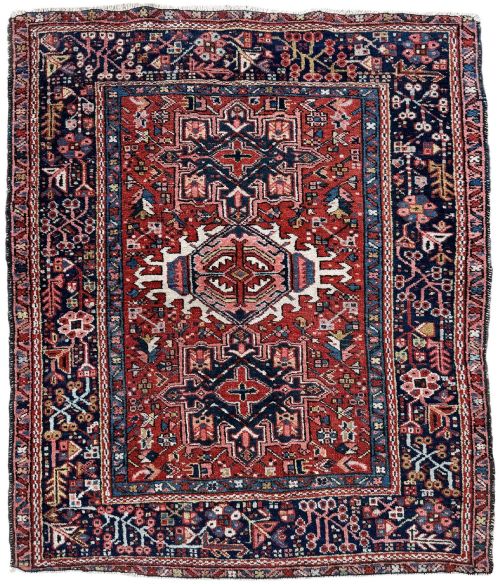
The format encompasses various runner rugs and long carpets designed to fit corridors, staircases, and gallery spaces. Examples range from village productions in Hamadan and Bidjar to Caucasian runner formats and Afghan Baluch pieces.
Makers utilised traditional designs handed down through generations, resulting in repeating guls, medallions, and geometric borders. Each tribal wool area runner reflects the specific cultural motifs and colour palettes of its originating district.
How they were made
Weavers constructed these long carpets using hand-spun wool for the pile, often supported by cotton or wool foundations. Natural dyes derived from local plants and minerals provided the foundational palette, yielding rich tones that age gracefully over decades.
Nomadic and village workshops employed traditional upright looms to knot each piece by hand. Camel hair also appeared in specific background areas or borders, adding a natural undyed variation to the construction.
Nomadic weavers occasionally embedded stray animal hairs directly into the wool pile as an organic signature of rural life.
What varies in quality
The fineness of the knot density and the precision of the geometric drawing distinguish master village productions from simpler nomadic pieces. Tighter knotting allows sharper definition in intricate medallions and borders.
The depth and vibrancy of the natural dyes influence visual longevity, as superior dye formulas retain their complexity over generations. Foundation integrity and wool quality also determine how well a runner withstands high-traffic placement.
The Tribal Wool Area Runner Glossary
- Gul
- A repeating medallion or octagonal motif often found in Turkmen and Baluch rugs. These tribal emblems frequently identify the specific weaving group or tribe.
- Mihrab
- A niche design symbolising a prayer arch, commonly seen in rugs produced for devotional use. This architectural element points toward Mecca.
- Pile
- The upright yarn surface of the carpet formed by knotted wool threads. The height and density of this layer dictate the texture and durability.
- Kelim
- A flatwoven rug made without a pile by tightly interweaving warp and weft threads. These pieces offer a lighter weight and reversible design.
- Warp
- The vertical threads stretched across the loom that form the structural skeleton of the rug. Fringe ends typically consist of these extended parallel cords.
Tribal Wool Area Runner: Frequently Asked Questions
Where should I place a runner?
Runners fit narrow hallways, corridors, and bedside areas where a traditional square carpet is impractical.
They add colour and warmth to transitional spaces while protecting wooden floors from heavy foot traffic.
How do I clean an old wool rug?
Gentle surface brushing and regular low-suction vacuuming remove loose dust without damaging the wool pile.
Professional specialist cleaning is recommended for deep maintenance to protect natural dyes and hand-spun fibres.
Are these runners hand-knotted?
Traditional examples from this category are handmade on vertical looms by village and nomadic weavers.
Each knot is tied individually by hand, creating a dense and durable textile structure.
How do I identify a tribal design?
Tribal designs feature geometric motifs, repeating guls, and rectilinear borders rather than flowing floral court patterns.
These symbols represent the heritage and regional identity of the weaving communities.