



Karabagh Wool Rug
A genuine karabagh wool rug brings centuries of Caucasian and Armenian weaving tradition straight to your floor.
Karabagh Wool Rug
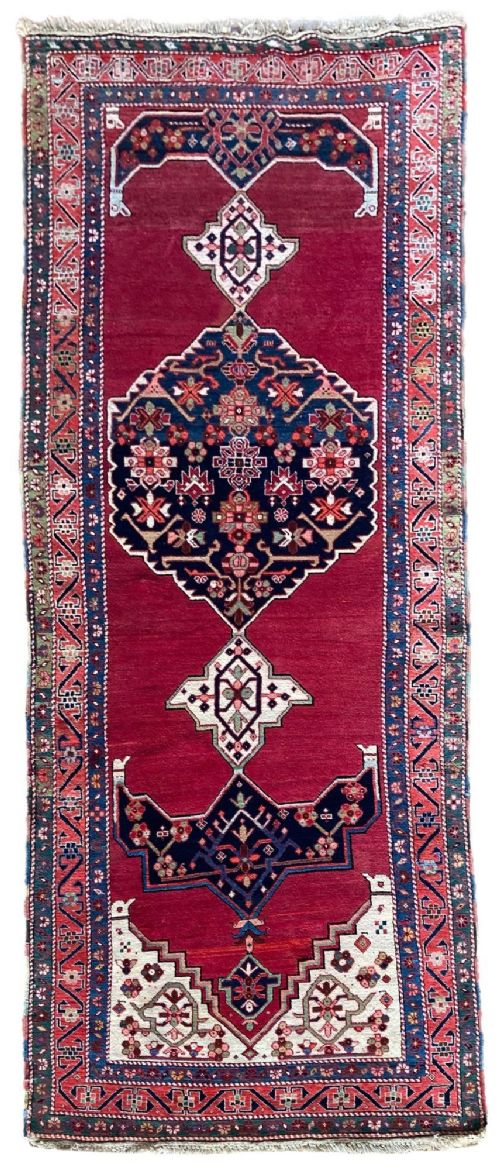
A karabagh wool rug is a woven textile originating from the Caucasus region, frequently grouped under Caucasian tribal or traditional styles. These pieces encompass various formats including long rugs, area rugs, kilims, prayer rugs, and substantial carpets or hallway runners.
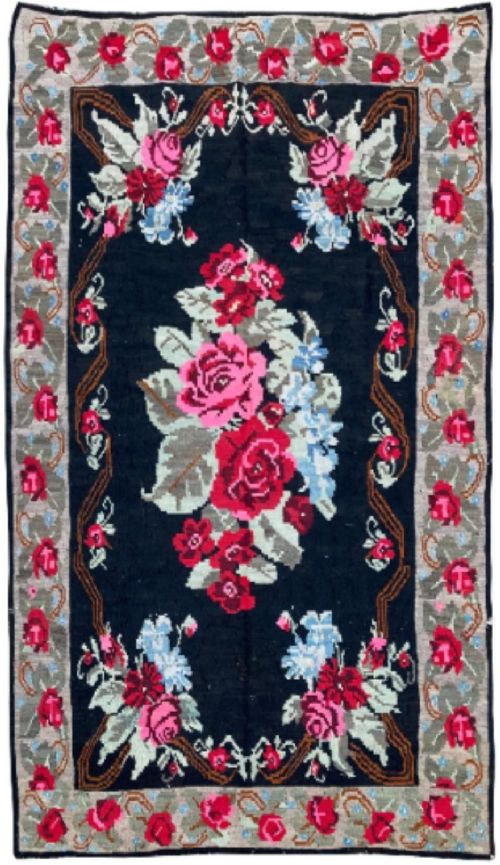
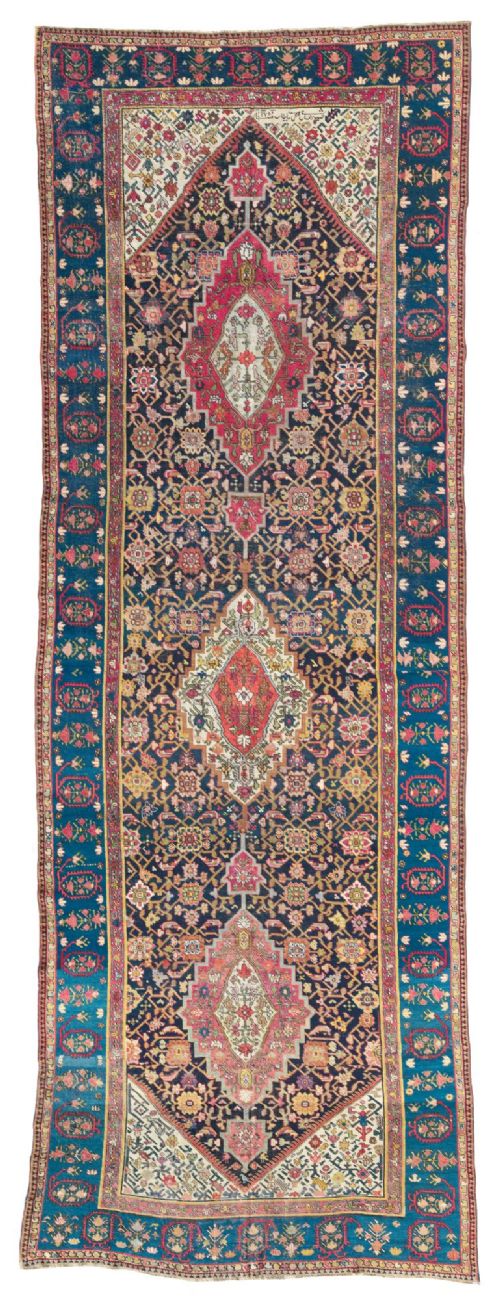
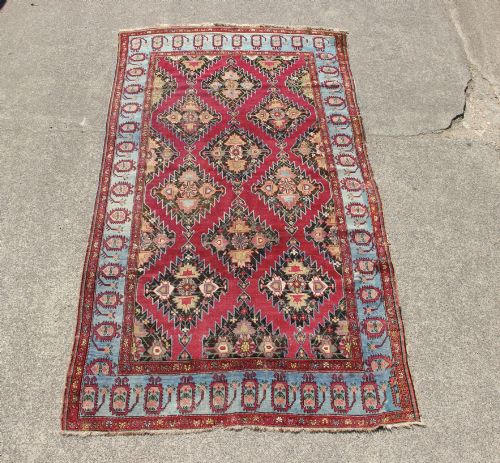
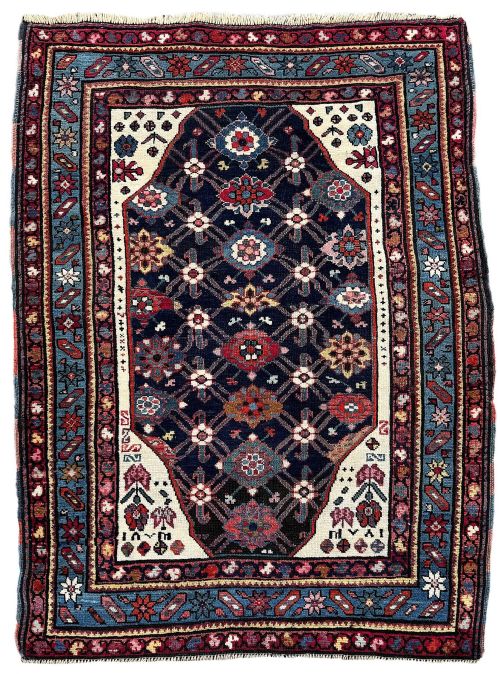
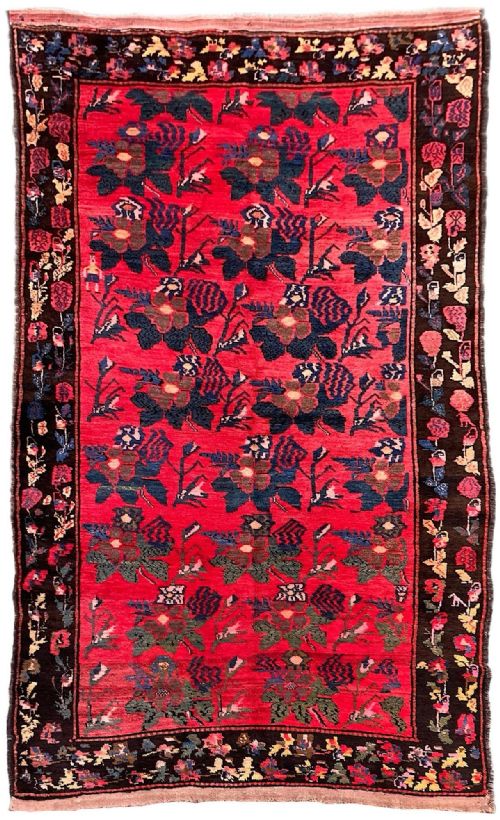
Most examples found here date from the nineteenth and early twentieth centuries, spanning periods from the eighteen-fifties through the nineteen-thirties. Buyers encounter diverse layouts ranging from multi-medallion formats and striped boteh motifs to floral designs inspired by European aesthetics.
Makers produced these floor coverings using traditional village methods, resulting in distinct regional sub-types such as Chondoresk, Lampa-Karabagh, and Chelaberd rugs. Each piece reflects the cultural intersections of the region through geometric or pictorial elements involving people, animals, and distinctive cloud bands.
How they were made
Weavers utilised natural wool for the pile and structure of these textiles, often combining it with cotton foundations for stability. This fibrous composition provided the durability necessary for functional floor coverings while maintaining a supple handle.
Craftsmen applied traditional hand-knotting and flatweaving techniques to build intricate patterns, from geometric kazak medallions to botanical rose arrangements. Vegetable and natural dyes yielded the deep, enduring hues characteristic of these nineteenth and early twentieth-century pieces.
Listings span periods from the eighteen-fifties through the nineteen-thirties, dominated by nineteenth-century and early twentieth-century village productions.
What varies in quality
The sophistication of the design and the clarity of the motifs separate standard village productions from finer collector pieces. Examples featuring scarce imagery, such as signed weaver names, detailed animal figures, or unusual European-inspired floral sprays, command closer attention.
The integrity of the wool pile and the vibrancy of the remaining dye colours heavily influence the overall standard of a textile. Tighter knot density and well-balanced proportions across formats like kellehs and long runners indicate greater skill in the original workshop.
The Karabagh Wool Rug Glossary
- Boteh
- A stylised almond or pear-shaped motif of Persian origin representing a floral shoot or cypress tree. This design appears frequently in diagonal or striped arrangements across Caucasian runners.
- Kelleh
- A large, elongated format of oriental carpet traditionally suited for narrow rooms or hallways. These rectangular pieces offer substantial length while maintaining a narrower width than standard square carpets.
- Kilim
- A flatwoven textile produced without a pile by tightly interweaving warp and weft strands. These pieces function as lightweight rugs or wall hangings and often display sharp geometric patterns.
- Medallion
- A central ornamental design element placed in the field of a rug. Karabagh examples frequently incorporate single, triple, or multiple medallions within the primary border.
- Chondoresk
- A distinct regional sub-type of Caucasian rug recognised by large, bold geometric forms and cloud band designs. These pieces originate from specific weaving traditions within the Karabagh region.
Karabagh Wool Rug: Frequently Asked Questions
Where were karabagh wool rugs made?
These textiles originate from the Karabagh region in the Caucasus, situated at the intersection of various cultural and weaving traditions. Village weavers and nomadic groups in this area produced them for both local use and export.
Production spanned the nineteenth and early twentieth centuries, incorporating design influences from Armenian, Caucasian, and European decorative arts. Each piece reflects the specific aesthetic of the village or workshop where it was knotted.
How do I place a runner in my home?
Runner formats and hallway carpets fit naturally into corridors, entryways, or narrow transitional spaces between rooms. Their elongated proportions allow them to anchor walking areas while adding warmth and traditional pattern to timber or stone floors.
When positioning a runner, leave a consistent margin of exposed flooring around the perimeter to frame the textile properly. Ensure you use an appropriate underlay to keep the wool structure stable and prevent slipping.
What is a prayer rug?
A prayer rug is a smaller format textile traditionally featuring a mihrab or arched niche design at one end. Weavers created these pieces to designate a clean space for daily personal devotion.
In domestic settings, collectors often display them as compact wall hangings or accent pieces on smaller floor spaces. Their symbolic motifs and concentrated designs make them distinct from standard room-sized carpets.
How do I identify a nineteenth-century piece?
Nineteenth-century examples are identified through a combination of structural materials, natural dye palettes, and specific regional design conventions. Hand-spun wool and cotton foundations typical of this era exhibit characteristic ageing and handle.
Stylistic markers such as classical kazak motifs, cloud bands, or early floral adaptations help narrow down the production period. Examining the back of the rug reveals knotting irregularities and material consistency associated with older village looms.