



Japanese Porcelain Serving Plates
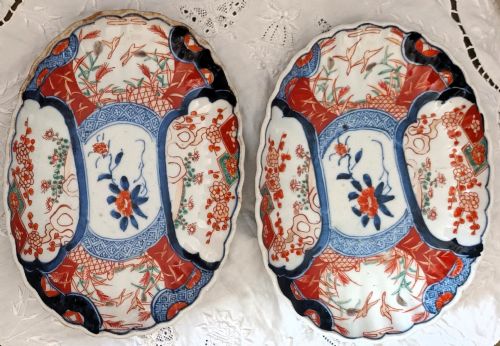
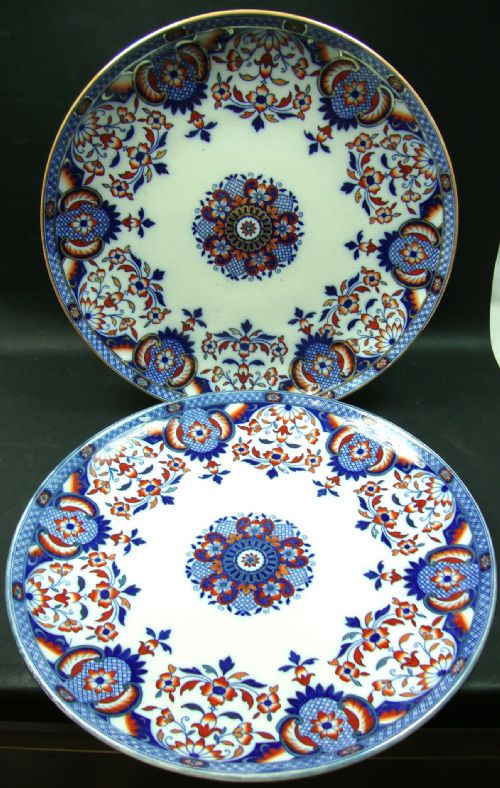
These Japanese porcelain serving plates bring rich Meiji period colour and Imari palettes to the table.
Japanese Porcelain Serving Plates
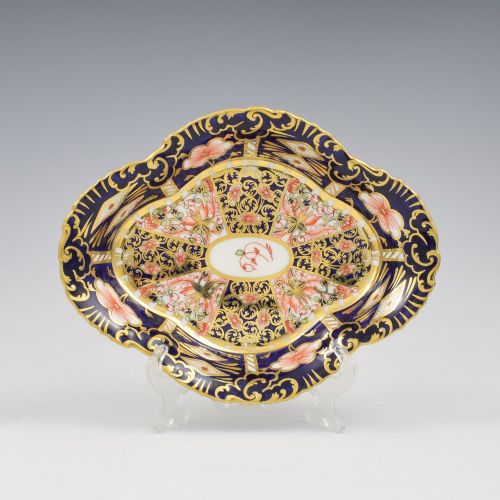
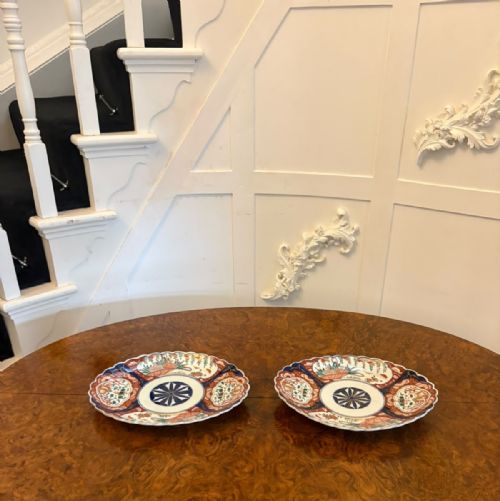
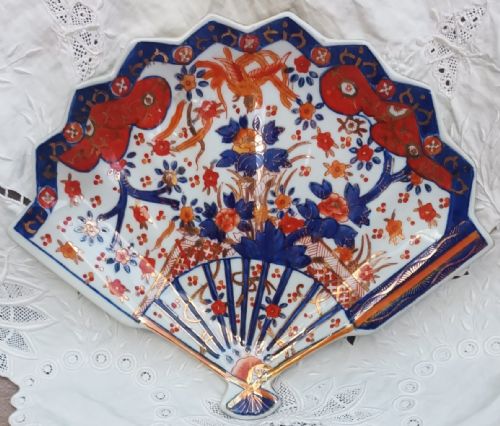
Japanese porcelain serving plates encompass chargers, platters, and shaped dishes that bring historic artistry to the dining room. Buyers searching for japanese porcelain serving plates encounter diverse forms ranging from traditional round chargers to square, oval, and fan-shaped dishes.
The pieces listed here span the eighteenth, nineteenth, and early twentieth centuries, with a heavy concentration from the Meiji period and around nineteen hundred. Surviving examples include individual decorative plates, matched pairs, and larger chargers designed for presentation.
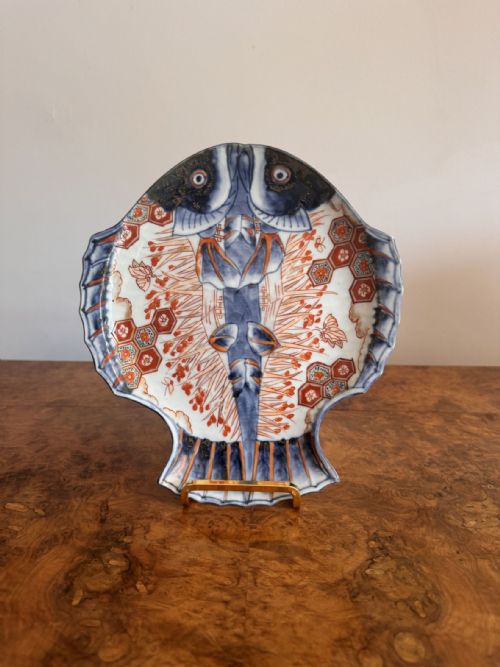
Makers and workshops utilised distinctive forms such as fish shapes and fan outlines alongside standard circular designs. These functional and decorative items reflect both traditional Japanese domestic use and the Victorian taste for import wares.
How they were made
Potters shaped fine porcelain body clay into plates and chargers before applying cobalt underglaze details. Artisans then added hand-painted enamel decoration in rich iron red and deep blue pigments.
Many examples incorporate gold leaf or delicate gilding to highlight floral and bird patterns. Kiln firing fixed these colours permanently to the glazed white ceramic surface.
At least one plate is shaped precisely like a fish, proving that historic potters occasionally took their inspiration straight from the dinner menu.
What varies in quality
The crispness of the hand-painted brushwork distinguishes superior plates from simpler production wares. Precise execution in floral and bird motifs elevates individual chargers.
Unusual structural forms, such as fish silhouettes or fan shapes, command attention above standard round plates. The application of gold leaf and vibrant enamel depth further divides standard items from exceptional pieces.
The Japanese Porcelain Serving Plates Glossary
- Imari
- A traditional Japanese style of porcelain decoration featuring cobalt blue, iron red, and gold. This palette dominates the nineteenth-century plates found on this page.
- Charger
- A large decorative plate traditionally used for service or display. These substantial ceramic pieces often feature intricate border designs.
- Meiji
- The historical period spanning from eighteen sixty-eight to nineteen twelve in Japan. Many pieces originating from this era show detailed enamel work.
- Arita
- A Japanese town famous as the birthplace of Japanese porcelain production. Arita wares supplied foundational techniques for export plates.
- Cobalt underglaze
- A blue pigment applied to pottery before the final glaze and kiln firing. This method ensures the blue decoration remains protected beneath a glassy finish.
Japanese Porcelain Serving Plates: Frequently Asked Questions
How do I date these plates?
Dating relies on stylistic markers, decorative palettes, and recorded period origins such as the Meiji era or nineteenth century. Examining the specific enamel colours and base characteristics helps establish the likely decade of manufacture.
Written records or associated ceramic marks, when present, provide additional chronological guidance. Comparing form and painting style against established historical examples clarifies the age of each dish.
Can I use them for food?
Many antique porcelain plates remain structurally suitable for serving food items such as sushi or dry courses. Care must be taken with older glazes and delicate gold leaf decoration.
Hand washing is essential to preserve the historic enamel and gilding pigments. Modern dishwashers and harsh detergents will damage the antique surfaces.
What is an Imari design?
Imari refers to a distinct decorative scheme utilising cobalt blue underglaze combined with iron red enamel and gold highlights. This striking colour combination became highly popular for export porcelain.
Plates decorated in this manner often display intricate floral, bird, or geometric panels. The style originated in Japan and heavily influenced later European ceramic manufacturers.
How should I display a charger?
Large chargers and decorative plates suit wall mounting using specialised plate hangers designed for heavier ceramics. This keeps the detailed surface art visible.
Alternatively, sturdy display stands allow chargers to sit securely on sideboards or tables. Placing them away from direct foot traffic prevents accidental damage.