





Japanese Porcelain Serving Dish
A japanese porcelain serving dish brings centuries of kiln artistry to the table, offering versatile forms for display and dining.
Japanese Porcelain Serving Dish
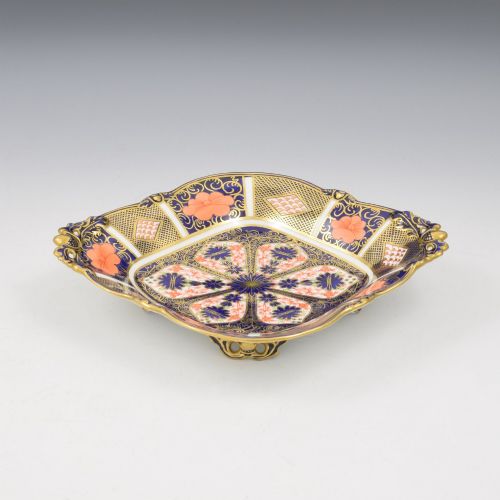
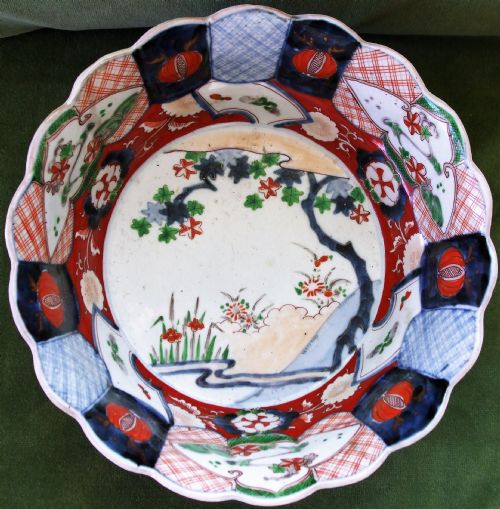
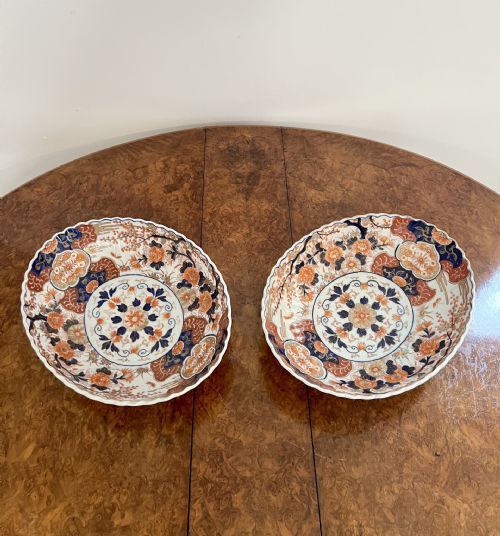
A japanese porcelain serving dish encompasses a wide variety of domestic and decorative vessels designed for presentation, ranging from platters and chargers to specialised shapes. Buyers seeking a japanese porcelain serving dish will encounter bowls, plates, and trays originating from traditional periods such as the Meiji era and the eighteenth century. These pieces reflect the rich heritage of Eastern ceramic production, alongside related English interpretations that emulate classic motifs.
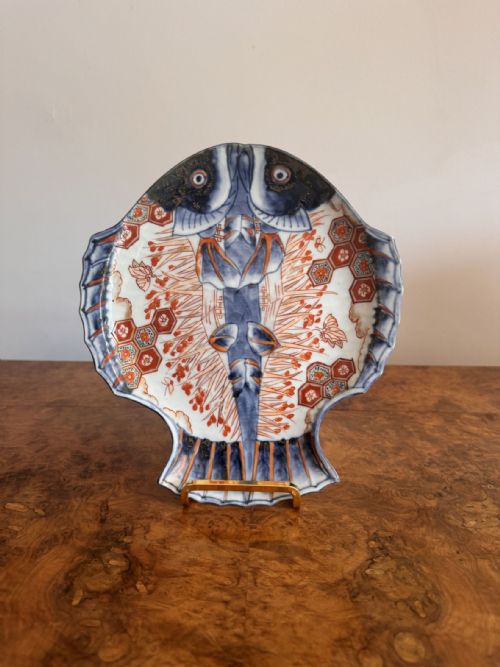
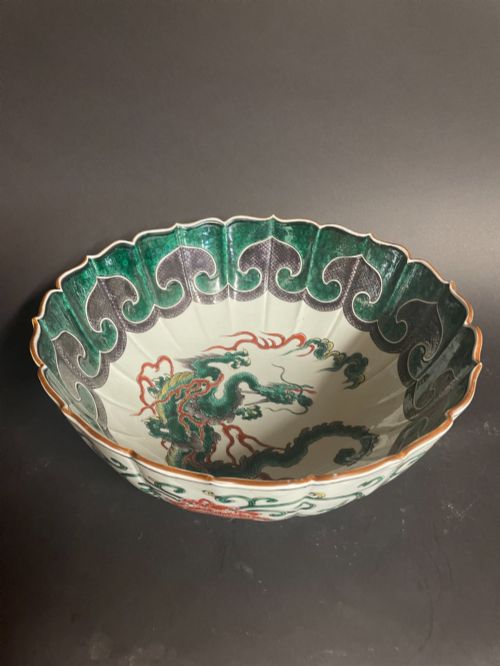
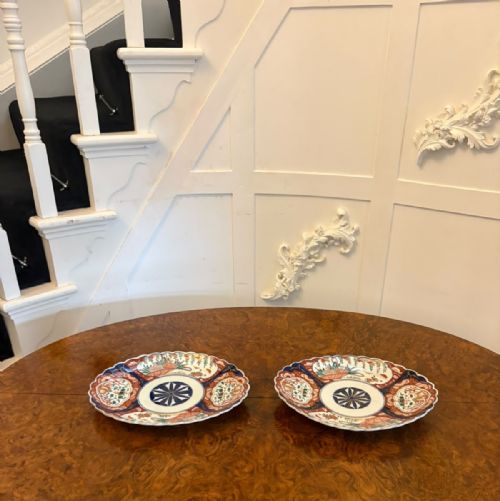
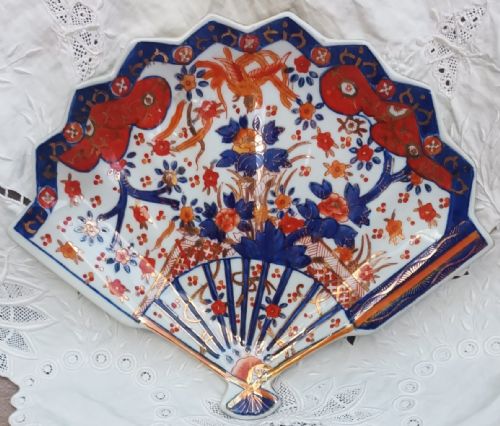
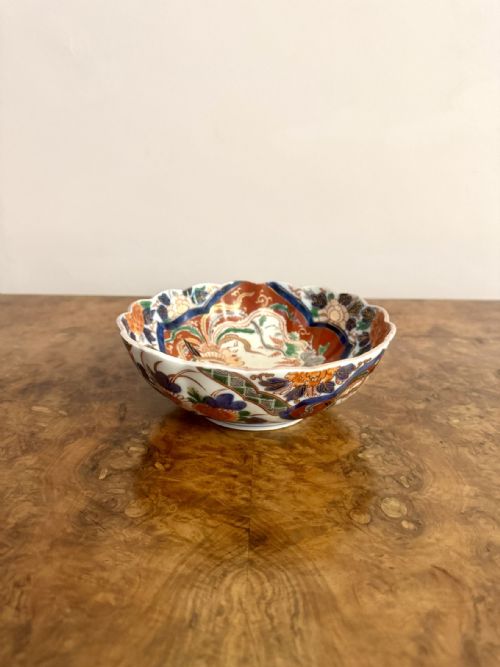
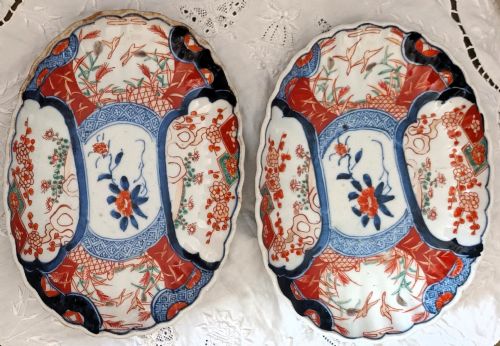
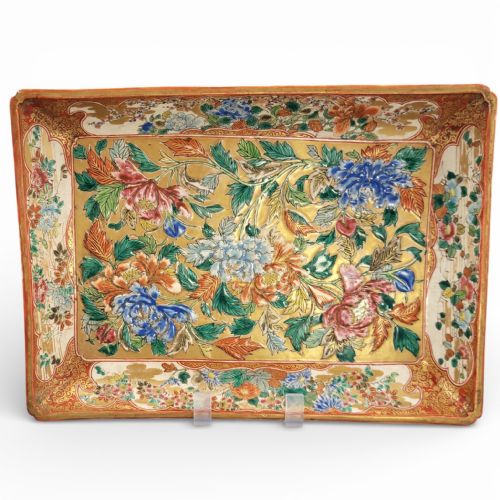
The selection includes distinctive regional styles like Imari and Arita, alongside Kutani platters and blue and white wares. Forms vary widely from standard round plates to boat shapes, fan shapes, and scallop edges that highlight the versatility of the potter's craft. Such variety ensures that collectors find both everyday tableware and grand decorative centerpieces suited to specific interior settings.
Materials and Technique
These items are shaped from fine porcelain and fired at high temperatures to achieve a durable and vitrified body. Artisans then apply cobalt underglaze, enamel, and gold leaf or gilding to create intricate hand-painted surfaces featuring floral and bird designs. The combination of meticulous brushwork and rich metallic accents defines the classic aesthetic of these ceramics.
Moulding and hand-forming techniques allow for complex geometries such as square plates, fish forms, and pierced trays. Skilled glazing methods seal the ceramic body while adding depth and lustre to the finished decoration. This careful balance of chemical composition and artistic execution ensures each vessel retains its visual appeal over generations.
Listings feature porcelain, enamel, gold leaf, and cobalt underglaze across periods spanning the eighteenth century to the early twentieth century.
Evaluating Quality
Quality in these ceramics rests primarily on the precision of the hand-painted brushwork and the vibrancy of the enamel and gold leaf application. Finer examples display crisp botanical or avian motifs with well-defined outlines and balanced composition across the surface of the dish. Inferior items often show rushed pigment application or blurred lines that lack the depth of master workshops.
The complexity of the vessel shape and the condition of the glaze also dictate the tier of the piece. Scallop edges, boat forms, and pierced openwork demand greater technical skill from the potter than simple round plates. Preservation of the original gilding and the absence of firing blemishes further separate standard production wares from exceptional collector pieces.
The Japanese Porcelain Serving Dish Glossary
- Imari
- A traditional Japanese style of porcelain characterised by a palette of cobalt blue, iron red, and gold. It originated in Hizen province and was exported extensively through the port of Imari.
- Arita
- The Japanese town central to the production of porcelain since the early seventeenth century. Arita ware forms the foundation of classic Japanese ceramic traditions.
- Meiji
- The period in Japanese history spanning from 1868 to 1912, noted for a surge in decorative arts created for international export. Meiji pieces often combine traditional motifs with ambitious scaling.
- Cobalt Underglaze
- A blue pigment applied to the raw ceramic body before glazing and firing. This technique protects the colour beneath a glossy protective layer.
- Kutani
- A style of Japanese coloured porcelain known for bold palettes and pictorial designs, often featuring greens, yellows, and heavy gold highlights. Shoza style is a prominent subcategory.
Japanese Porcelain Serving Dish: Frequently Asked Questions
How are Japanese serving dishes used today?
These vessels serve as striking tableside presentation pieces for food or function purely as decorative wall chargers and cabinet displays.
Their robust porcelain construction allows for careful modern dining use, though many collectors prefer to display them safely away from heavy daily wear.
What defines the Imari style?
Imari pottery is immediately recognisable by its distinct palette combining underglaze cobalt blue with iron red enamel and gold leaf highlights.
Motifs frequently draw inspiration from nature, showcasing floral arrangements, birds, and intricate geometric panel borders.
How do I date an antique dish?
Dating relies on stylistic markers, potting techniques, and the specific historical period associated with the piece, such as the Meiji era or the eighteenth century.
Examining the foot ring and the characteristics of the glaze provides further clues regarding the age and origin of the ceramic.
Are English Imari pieces authentic?
English factories like Royal Crown Derby produced substantial quantities of Imari-inspired tableware during the nineteenth and twentieth centuries.
These represent a distinct European interpretation of Japanese aesthetics rather than direct imports, celebrated in their own right by collectors.