



Asian Floral Porcelain Charger
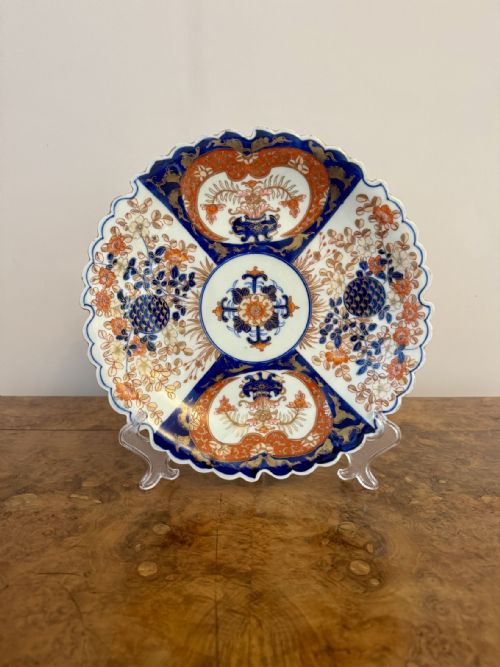
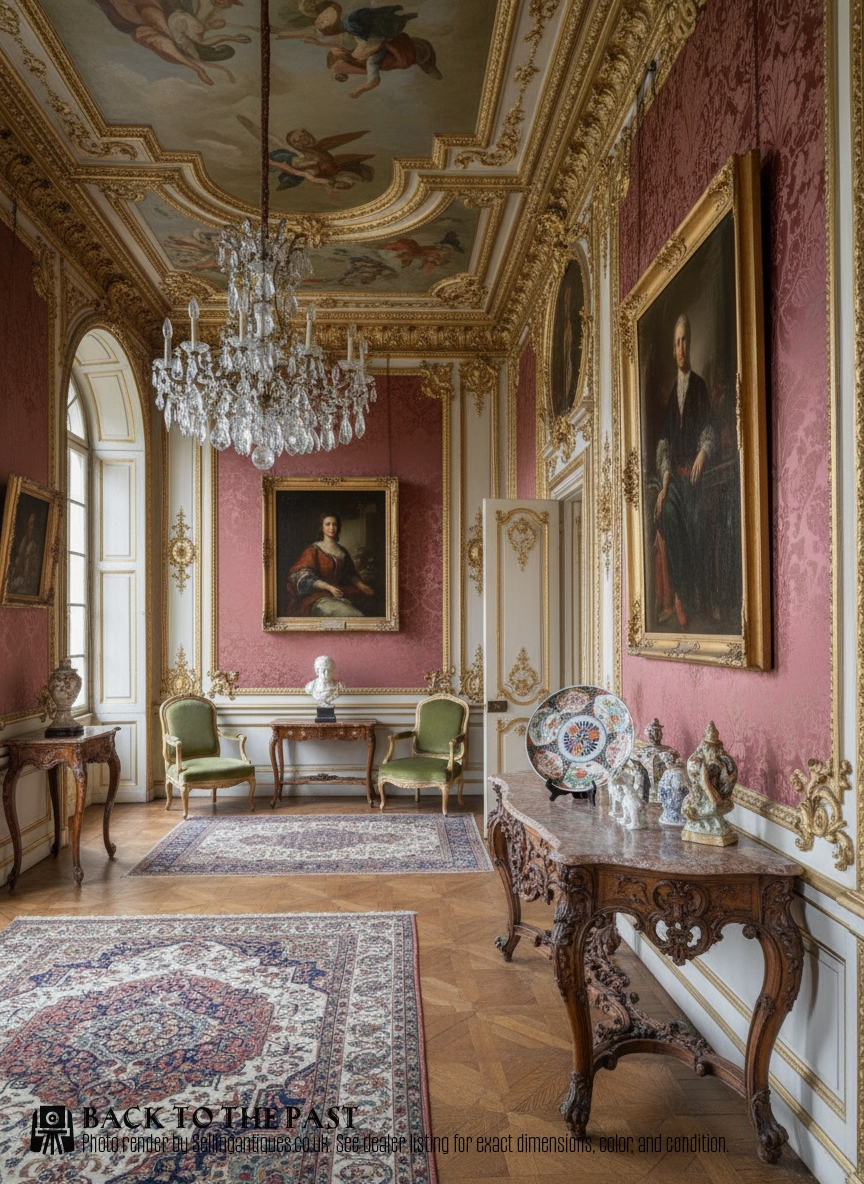
An asian floral porcelain charger brings weight and colour to a room, drawing the eye with intricate patterns built over centuries of tradition.
Asian Floral Porcelain Charger
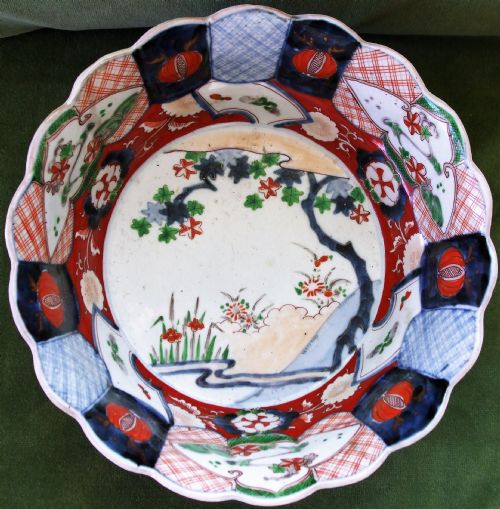
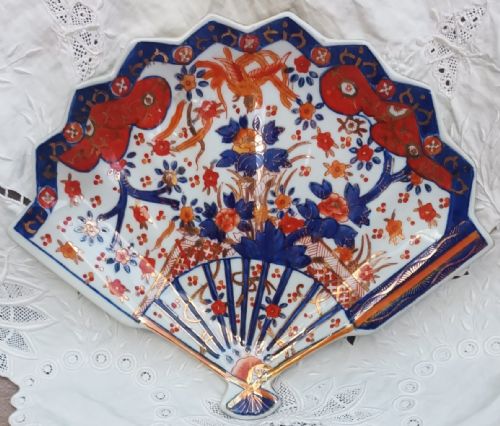
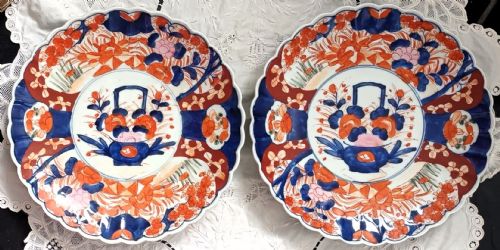
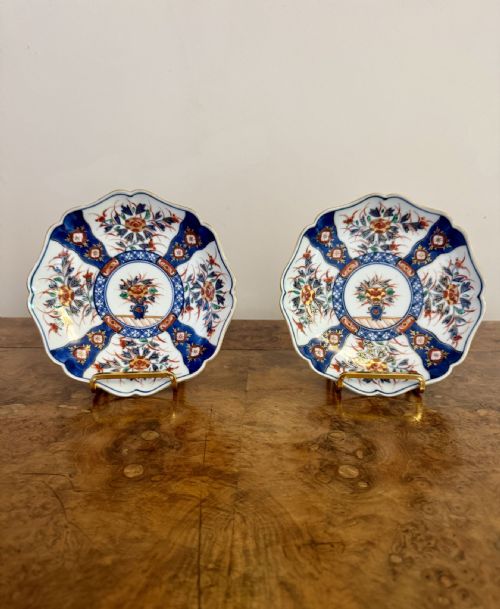
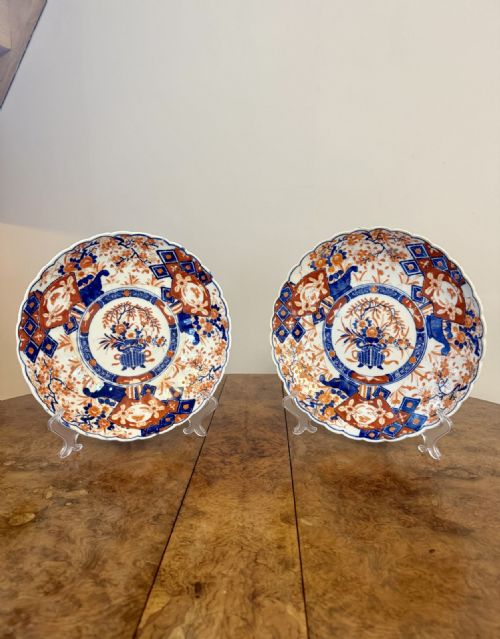
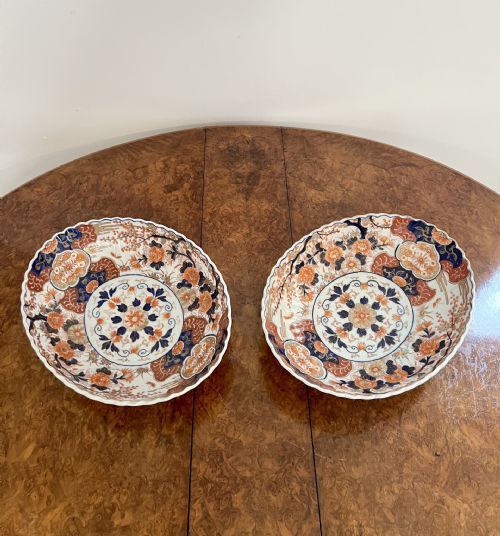
When you search for an asian floral porcelain charger, you encounter large decorative plates and shallow bowls originating primarily from Japan and China. The majority of pieces on this page stem from the 19th century and the Meiji period, alongside earlier examples from the Edo period and the 1700s. These items range from standard dinner plate sizes to substantial chargers measuring over twelve inches across.
Japanese Imari dominates the selection, appearing in various forms including scalloped edge plates, fluted bowls, and square dishes. Alongside Japanese export wares, Chinese blue and white porcelain dishes with moulded floral scrollwork and barbed rims represent the broader category. The forms serve primarily as decorative wall or table displays rather than functional tableware.
How they were made
Potters shaped ceramic and stoneware bodies by hand or on a wheel before applying glaze and enamel pigments. Artisans used underglaze blue and overglaze iron red alongside gold leaf, gilt, and gilding to build up complex floral motifs.
Kiln firing fused the glaze and painted decoration to the porcelain substrate at high temperatures. Moulded elements, such as floral scrolls and barbed rims, were pressed into the clay prior to glazing.
Several plates feature scalloped edges designed to mimic unfolding flower petals.
What varies in quality
The crispness of the hand-painted brushwork and the density of the gilding set the standard for each piece. Richer pigment application and more precise detailing in the floral panels distinguish finer chargers from simpler production wares.
The complexity of the form itself also separates examples, with scalloped edges, fluted sides, and moulded relief work requiring greater skill from the potter than a flat circular plate.
The Asian Floral Porcelain Charger Glossary
- Imari
- A style of Japanese porcelain decorated in underglaze blue, iron red, and gold. This palette originated in Arita and was widely exported to Europe through the port of Imari.
- Meiji Period
- The era in Japanese history spanning from 1868 to 1912. Pieces from this time often exhibit high technical proficiency and intricate painted detail.
- Celadon
- A term for pottery denoting both the jade-green glaze and the ceramic pieces themselves. The colour results from iron oxide in the glaze reacting during reduction firing.
- Barbed Rim
- An ornamental edge featuring indentations or lobes that break the circular outline. This moulding technique creates a scalloped profile common on East Asian export dishes.
Asian Floral Porcelain Charger: Frequently Asked Questions
How were chargers used historically?
Large chargers originally served multiple functions in domestic and ceremonial settings. They sat beneath smaller courses at formal dining tables or acted as decorative centrepieces on sideboards.
Over time, their substantial size and decorative designs made them primarily ornamental objects intended for display on walls or cabinets.
How do I date a Japanese Imari charger?
Dating relies on observing the body of the porcelain, the brightness of the enamel colours, and the style of the brushwork. Meiji period pieces often display bright iron reds and generous gilding.
Earlier Edo period examples tend to show heavier potting, deeper cobalt blues, and a more restrained application of gold leaf.
Are these plates safe for food use?
Most antique chargers feature overglaze enamels and metallic leaf applied centuries ago. Daily use and washing can wear away these delicate pigments.
Displaying them on stands or mounting them securely on walls preserves the surface decoration for the future.
What is the difference between an ordinary plate and a charger?
A charger is substantially larger than a standard dinner plate, generally measuring twelve inches in diameter or greater. Their primary purpose is decorative rather than functional.
Plates of standard proportions were made for dining, whereas chargers command more visual space on a wall or table.