






Japanese Painted Ceramic Platter
A japanese painted ceramic platter brings centuries of precise hand-painted detail and colour to a wall or table.
Japanese Painted Ceramic Platter
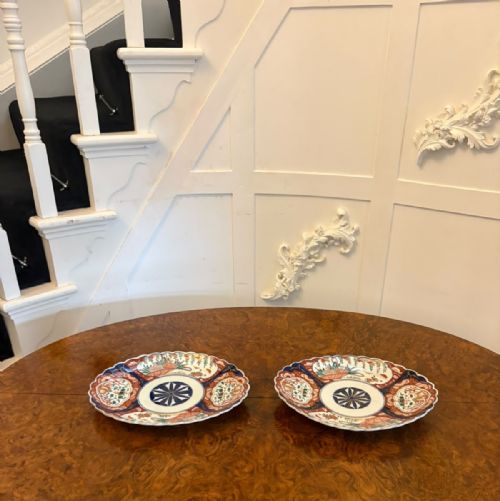
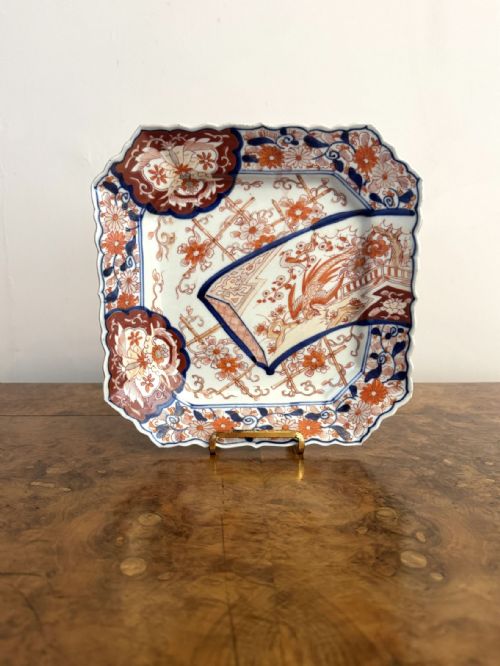
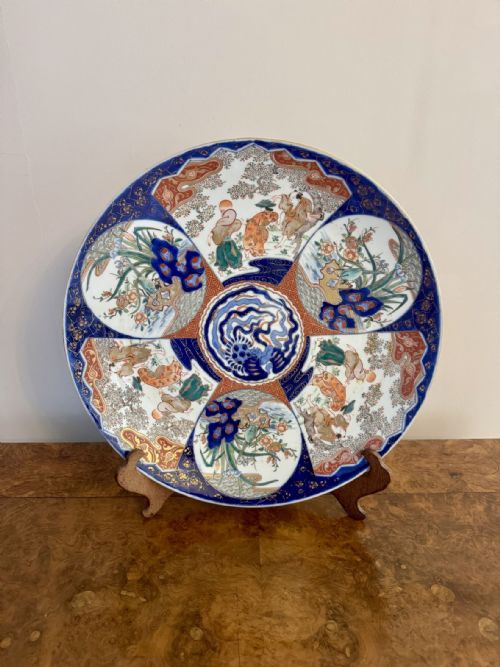
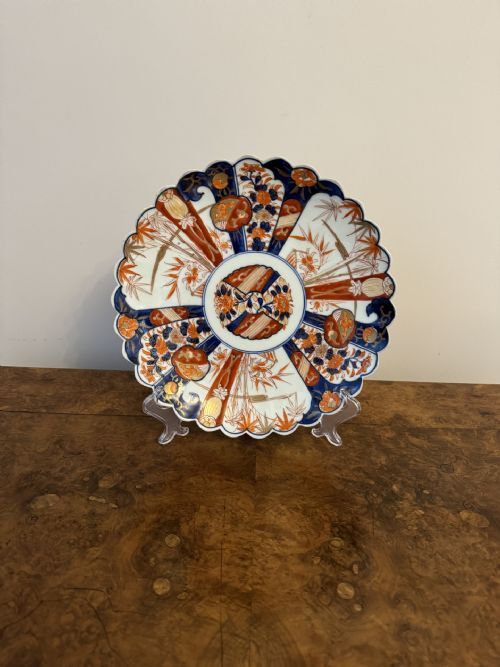
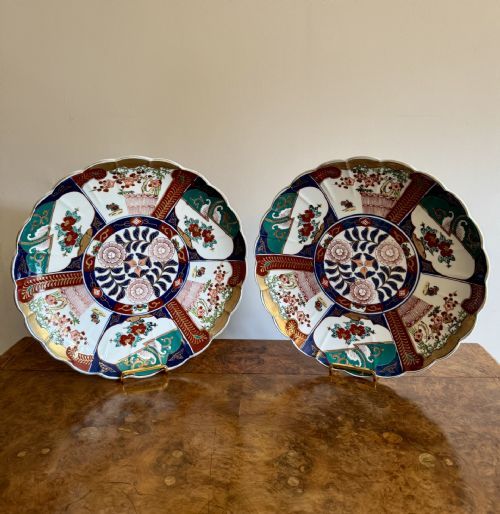
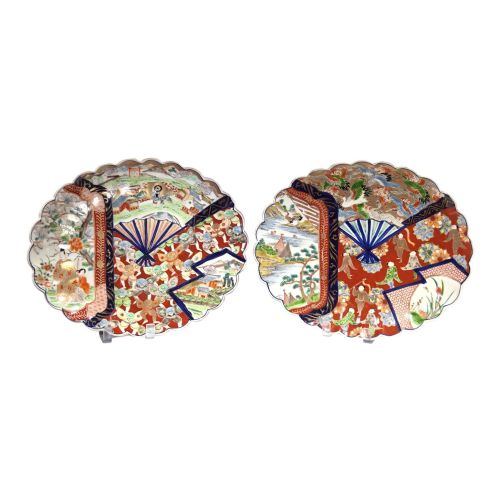
A japanese painted ceramic platter spans large circular chargers, square plates, fan shapes and oval dishes created across the Edo, Meiji and Taisho periods. The selection here leans heavily on Imari and Kutani wares, alongside Arita and Satsuma pieces produced from the eighteenth century into the early twentieth century.
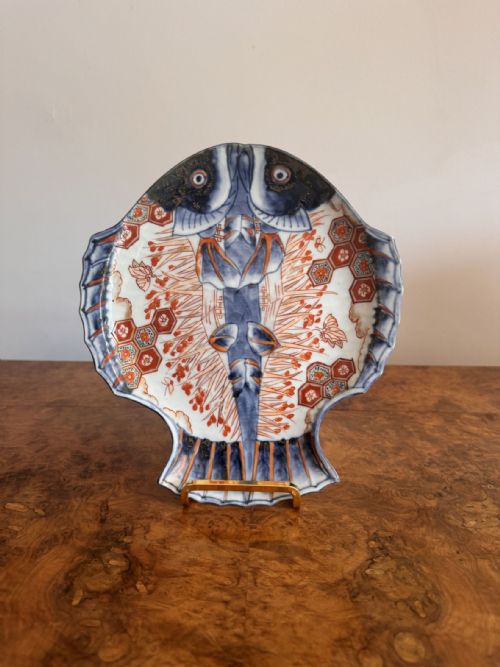
Buyers encounter substantial chargers depicting floral motifs, birds, cranes and the Seven Lucky Gods. Many examples utilise traditional forms such as scalloped edges, octagonal outlines and fish shapes.
Materials and technique
Potters shaped porcelain bodies before applying cobalt underglaze pigments and overglaze enamels. Artisans then introduced gold leaf, gold gilt and gilding to highlight specific areas of the painted surface.
Kiln firing fixed the complex layers of pigment and glaze, resulting in durable surfaces designed for both decorative display and practical use.
At least one plate takes the literal shape of a fish, proving that potters enjoyed swimming against the current of standard circles.
Execution and design
The distinction between standard items and superior examples rests on the crispness of the hand-painted brushwork and the precision of the enamel application. Tightly controlled kiln results and intricate detailing in the gold leaf elevate certain plates above simpler production pieces.
Unusual structural forms, such as fish shapes or square outlines, require greater skill from the potter and mark out finer examples in the range.
The Japanese Painted Ceramic Platter Glossary
- Charger
- A large decorative plate intended for display on a wall or sideboard rather than daily dining use. These substantial dishes provide a wide canvas for complex painted scenes.
- Imari
- A traditional style of Japanese porcelain decorated in underglaze blue and overglaze red, gold and green. The palette remains distinct and easily recognised across various periods.
- Kutani
- A style of Japanese coloured porcelain known for bold pictorial designs and heavy use of gold and red pigments. Peony motifs and figurative scenes frequently appear on these pieces.
- Satsuma
- Earthenware pottery featuring a fine crackle glaze and elaborate polychrome enamel decoration. Satsuma items often depict detailed figures and landscapes.
- Cobalt underglaze
- A blue pigment applied directly to the raw porcelain body before glazing and firing. This deep blue colour remains permanent beneath the glassy surface layer.
Japanese Painted Ceramic Platter: Frequently Asked Questions
How were these platters displayed?
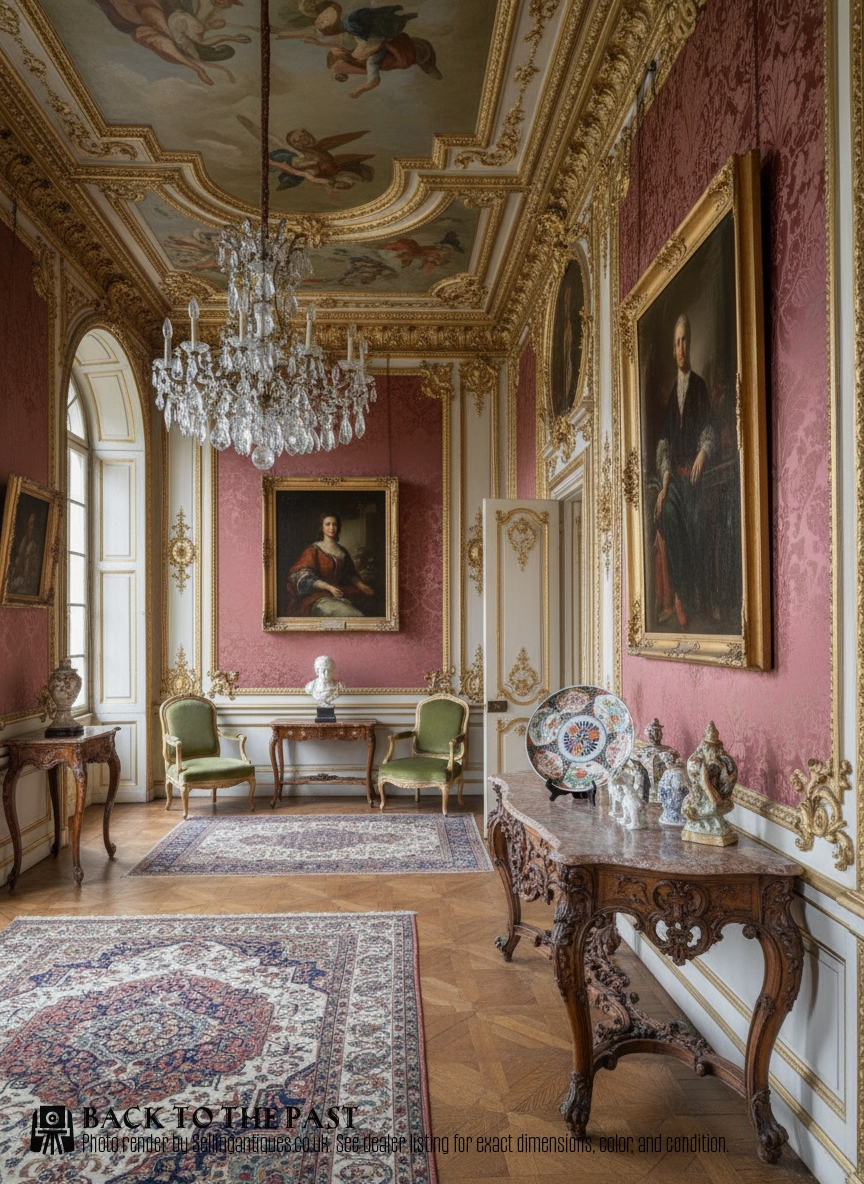
Large chargers were traditionally hung on walls or set upon heavy stands to showcase the painted surface. Smaller dishes served functional roles during meals or tea ceremonies.
Over time, collectors preferred wall mounting or cabinet display to protect the delicate enamel and gold leaf details from everyday wear.
How do I identify a Meiji period piece?
Meiji period items often combine intricate hand painting with dense gold gilt and vibrant enamel colours. The craftsmanship reflects the rapid opening of Japanese export markets during the late nineteenth century.
Examining the base and the weight of the porcelain helps distinguish these nineteenth-century works from earlier Edo examples.
What is the difference between Imari and Kutani?
Imari porcelain typically relies on a distinct palette of cobalt blue, iron red and gold, featuring geometric and floral patterns. Kutani wares tend to display heavier red and gold tones with pictorial scenes.
Both styles utilise porcelain bases, but the visual weight and subject matter set the two traditions apart.
Can these ceramic platters still be used for food?
Most antique pieces function best as decorative objects rather than tableware. Age can make the historical glaze vulnerable to modern detergents and acids.
Displaying them safely preserves the delicate overglaze enamels and gold leaf from accidental scratching or fading.