






Japanese Porcelain Jar
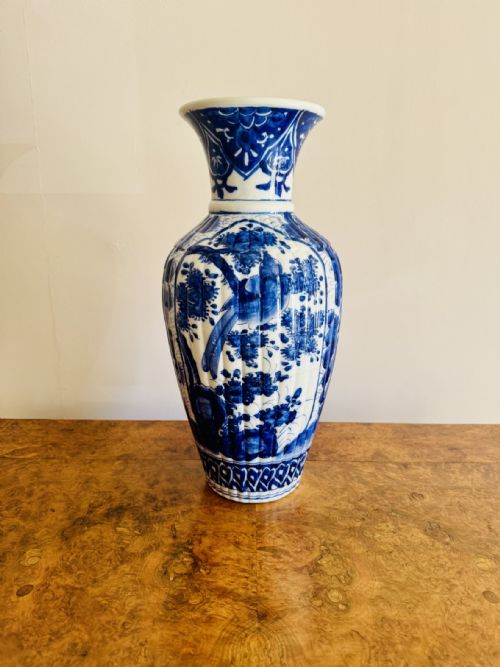
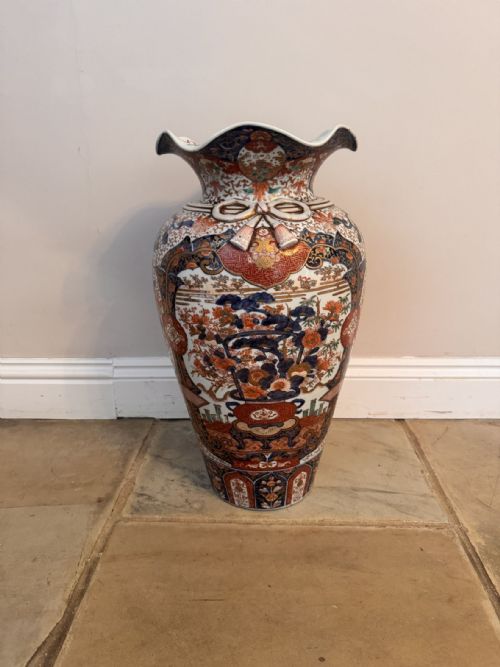
When you look for a japanese porcelain jar, you enter a rich tradition of decorative vessels spanning the Edo and Meiji periods.
Japanese Porcelain Jar
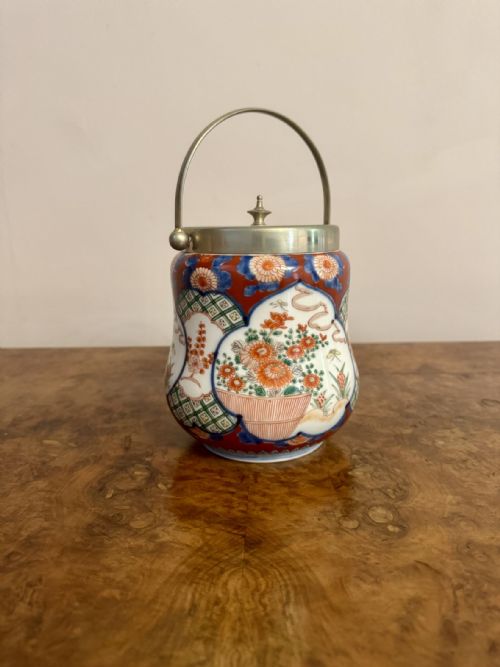
A japanese porcelain jar encompasses forms such as covered ginger jars, lidded vessels, and storage pots created for export and domestic use. The pieces span centuries of production, originating from kiln centres like Arita and featuring prominently in the Meiji period and Edo period.
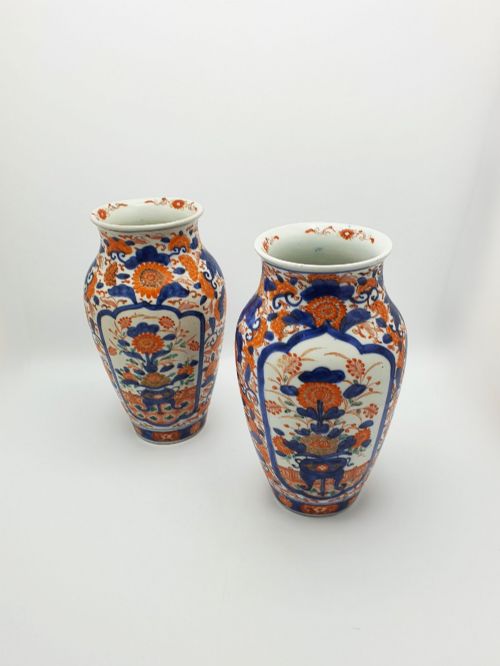
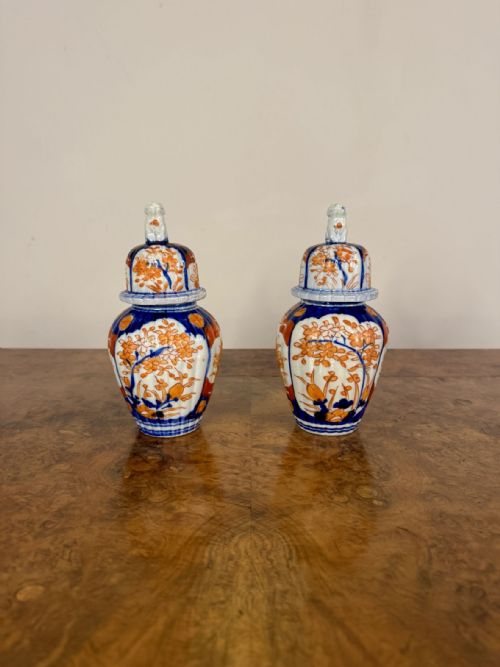
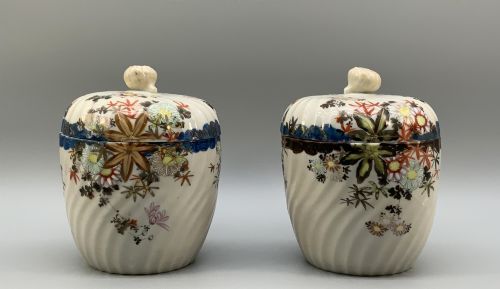
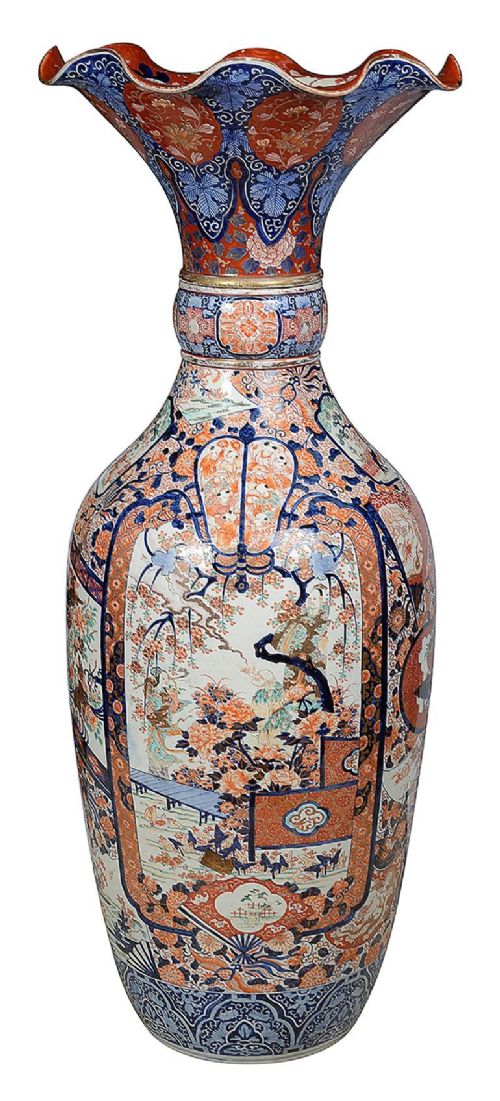
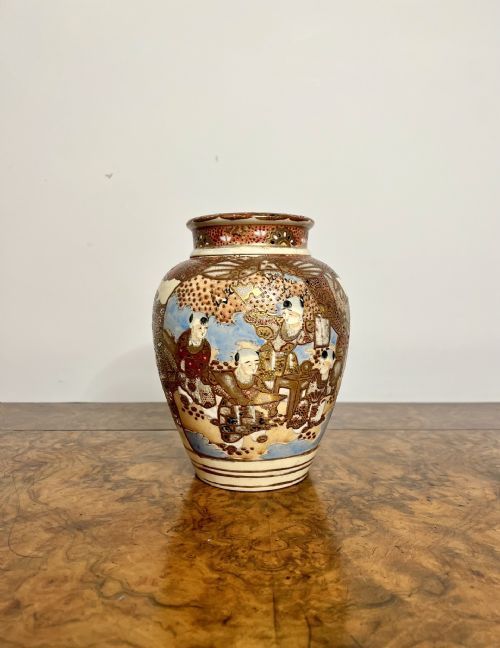
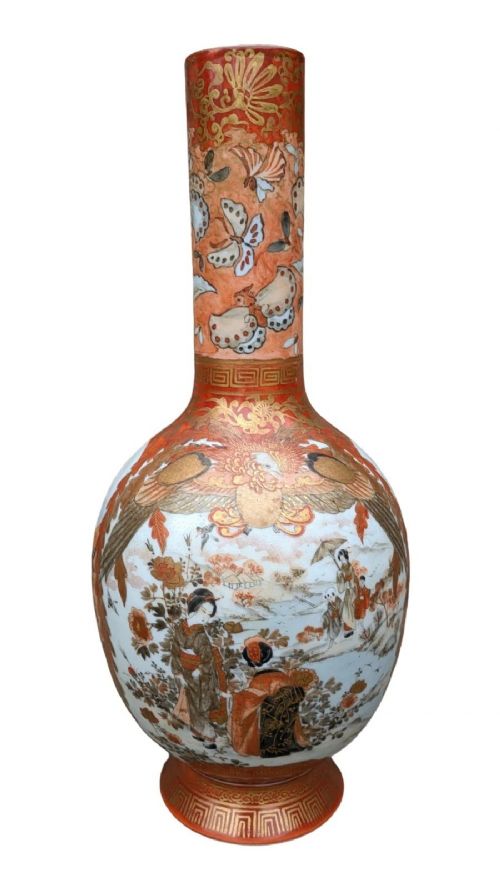
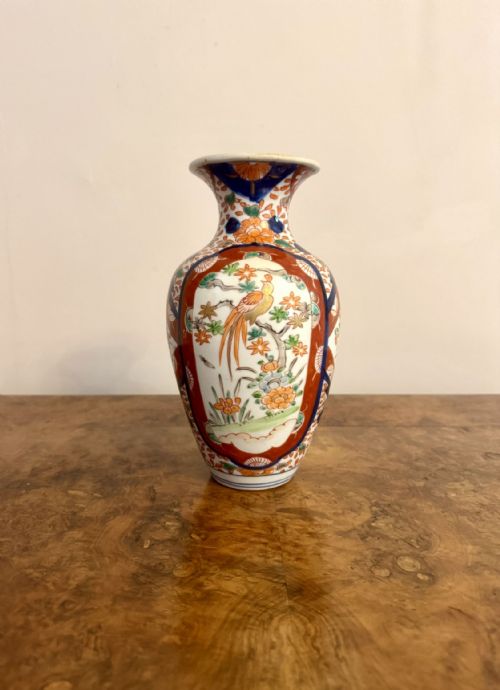
Buyers will frequently encounter lidded jars and ginger jars decorated in the Imari palette, alongside Satsuma and Kutani wares. These vessels range from intimate miniature tea containers to large floor-standing display pieces designed for grand interiors.
Materials and Techniques
The foundation of these vessels is fine ceramic paste, shaped into pots and vases before receiving underglaze blue painting or overglaze enamel decoration. Artisans applied cobalt blue, iron red, and gold leaf to create intricate floral, landscape, and figural scenes.
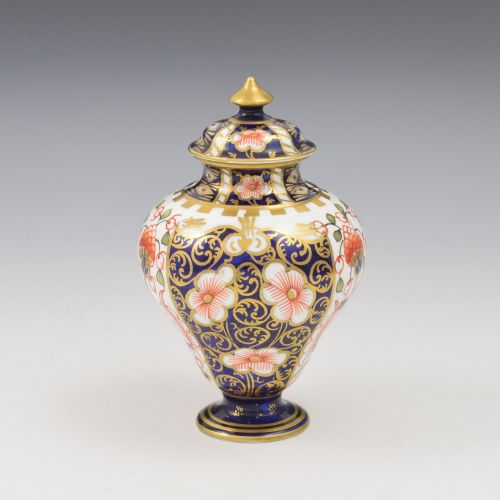
Kiln workers utilised specialised glazes to achieve the characteristic glossy finish seen on Imari and Arita wares. Many pieces received meticulous hand-painting incorporating gilt highlights and detailed enamel work.
Japanese Porcelain Jar Retail Price Guide 2026
Typical asking prices for japanese porcelain jar among the pieces listed under this phrase on Sellingantiques today, from the lower quarter to the upper quarter. They describe what is for sale here now, not the wider market.
Some ginger jars served double duty as sugar bowls once the spices ran out.
Factors of Quality
Quality rests in the precision of the hand-painted brushwork and the clarity of the enamel and glaze application. Superior examples display crisp cobalt tones, well-defined gilding, and balanced proportions across the body and cover.
The prestige of the producing kiln or studio influences the standing of a vessel, with signed pieces from known centres commanding particular attention. The crispness of the porcelain body and the absence of firing distortions further separate standard production from exceptional works.
Makuzu Kozan·Tokyo Taizan·Kyoto Studio
The Japanese Porcelain Jar Glossary
- Imari
- A style of Japanese export porcelain characterised by a palette of underglaze blue, iron red, and gilt highlights. This decorative approach originated in the Hizen province and gained immense popularity in Europe.
- Satsuma
- A type of earthenware with a fine crackle glaze, typically decorated with elaborate polychrome enamels and gold. These pieces often feature figurative scenes and calligraphic signatures.
- Kutani
- A style of Japanese ceramics known for bold, painterly designs utilising rich greens, yellows, reds, and purples. Production centred in the Kaga province during the Edo and Meiji eras.
- Ginger jar
- A ceramic vessel featuring a rounded body and a domed cover, originally designed for storing spices. These containers became staple decorative items in nineteenth-century interiors.
- Meiji Period
- The era of Japanese history spanning from 1868 to 1912, marked by industrialisation and a surge in export arts. Pieces from this time often exhibit exceptional technical refinement.
Japanese Porcelain Jar: Frequently Asked Questions
How do I identify an Imari jar?
Look for the distinct palette combining deep underglaze cobalt blue with vibrant iron red and supplementary gold leaf. The decorative schemes frequently incorporate floral motifs, panels, and brocade patterns.
Check the base for kiln marks or spur marks which can offer clues to the age and origin of the piece. The combination of these hues defines the traditional Imari aesthetic.
What is the difference between a ginger jar and a lidded vase?
Ginger jars typically feature a broad, rounded shoulder tapering smoothly down to a stable base, accompanied by a fitted lid. They were historically utilised for holding preserved ginger and other commodities.
Lidded vases often display more slender, elongated profiles such as baluster or double-gourd shapes. Their design prioritises ornamental display over utilitarian storage.
How should I care for antique porcelain?
Keep porcelain vessels away from direct sunlight to protect overglaze enamels and gold leaf from fading. Dust the surface gently with a soft, dry cloth rather than using chemical cleaning agents.
Ensure jars with matching covers are handled in two pieces to prevent accidental drops. Display them on stable surfaces away from high traffic areas.
Are Satsuma jars porcelain or earthenware?
Satsuma wares are constructed from an earthenware body rather than true hard-paste porcelain. This porous clay is coated with a creamy glaze that develops a fine network of tiny cracks.
This deliberate craquelure provides a textured ground for the intricate enamel paintings applied over the glaze. The tactile quality distinguishes Satsuma pieces from smooth porcelain wares.