





Japanese Imari Pottery
Japanese imari pottery brings together rich cobalt blue and vibrant enamel on crisp porcelain, offering a striking display of traditional craftsmanship.
Japanese Imari Pottery
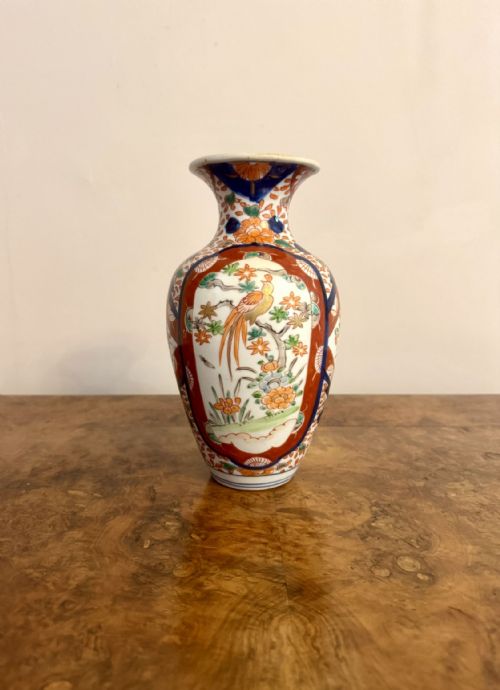
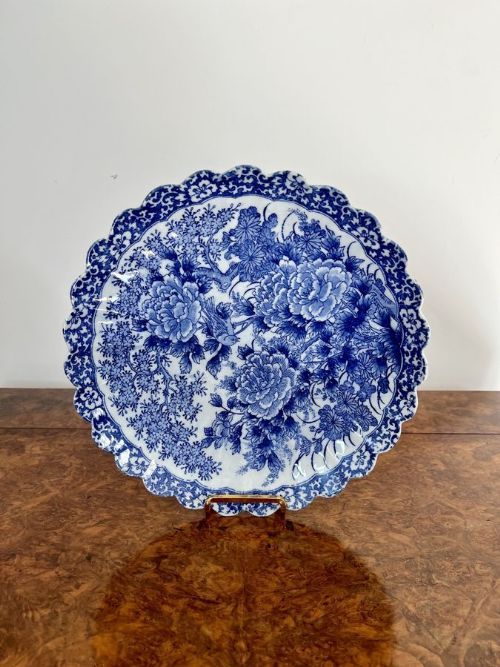
When you search for japanese imari pottery, you encounter a distinct visual tradition that spans decorative plates, chargers, vases, and bowls. The selection here leans heavily towards late nineteenth-century Meiji period examples, alongside earlier pieces originating from Japan and European interpretations.
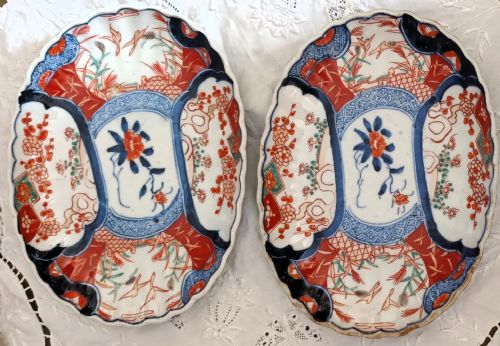
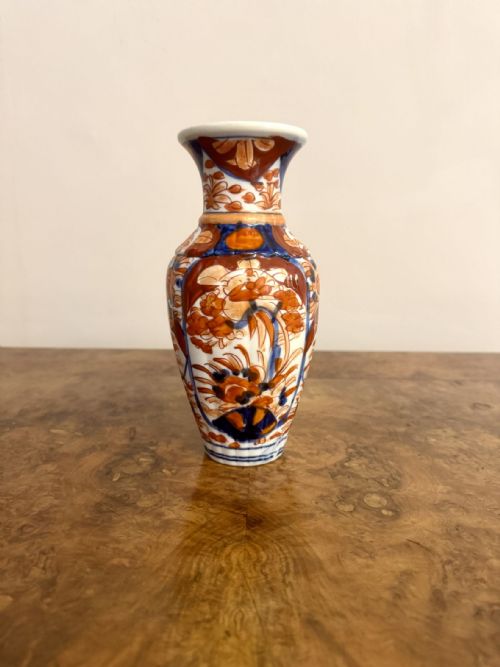
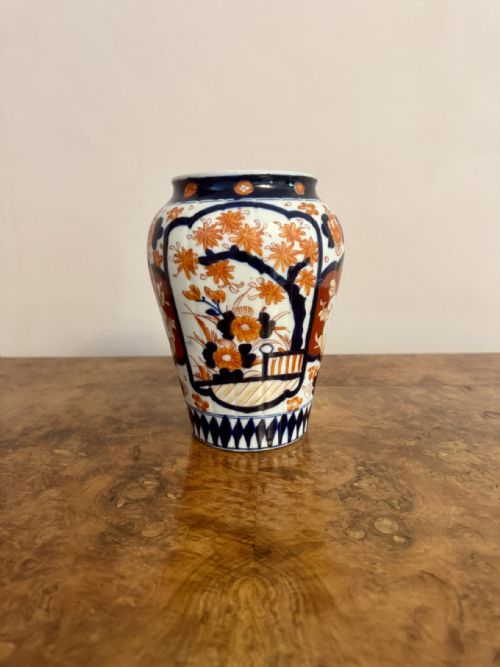
The assortment ranges from large floor-standing vases and slender neck vessels to scalloped edge plates and tripod bowls. Makers utilised familiar motifs like exotic birds and bamboo patterns to adorn porcelain surfaces with striking contrast.
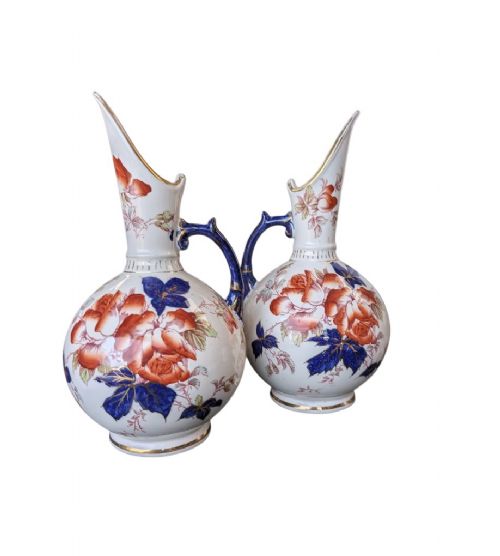
Beyond Japanese origins, the listings include nineteenth-century British ceramic works adopting the recognisable palette. These variations show how deeply the aesthetic influenced international design during the Victorian era.
How japanese imari pottery was made
Makers shaped fine porcelain and earthenware before applying cobalt glaze beneath a clear finish to form the deep blue foundational layer. Artisans then added overglaze enamels in iron red and other colours to build up the intricate pictorial surface.
Many vessels and dishes received additional detailing in gold leaf or gilt highlights applied over the fired enamel layers. This combination of underglaze blue, enamel colours, and gilding defined the classic palette seen across the pieces.
Listings feature porcelain vessels and earthenware plates spanning the eighteenth century through to the late Victorian era.
What varies in quality in japanese imari pottery
The standard of painting on the porcelain surface dictates much of the distinction between pieces, particularly in the precision of the cobalt blue and the complexity of the enamel work. Finer examples display crisp botanical or avian details executed with steady brushwork.
Proportion and form also separate ordinary items from superior ones, seen in the balance of large vases or the clean execution of scalloped edges on plates. The application of gold leaf shows varying degrees of restraint and lustre across different workshops.
The Japanese Imari Pottery Glossary
- Imari palette
- A distinct colour scheme combining underglaze cobalt blue with iron red enamel, frequently augmented by gold gilding. This palette originated in Japanese kilns and was later copied in Europe.
- Meiji Period
- The era in Japanese history spanning from 1868 to 1912, associated with a surge in porcelain production and export. Pieces from this time often exhibit highly intricate decorative schemes.
- Charger
- A large decorative plate intended for display rather than dining. These substantial ceramic pieces often feature dense geometric or naturalistic patterns across the centre and rim.
- Cobalt glaze
- A metallic oxide pigment applied prior to firing that yields a deep, enduring blue colour beneath the translucent glaze. It forms the stable foundation of traditional blue and white decoration.
- Arita
- The Japanese town and surrounding region renowned as the birthplace of Japanese porcelain production. Kilns in this area produced the wares exported through the nearby port of Imari.
Japanese Imari Pottery: Frequently Asked Questions
How do I identify meiji period imari?
Meiji period imari pieces typically date between 1868 and 1912, showing bright enamel colours and confident brushwork on porcelain. These items often reflect the increased production aimed at Western export markets during that era.
You can observe the dense floral and avian motifs characteristic of late nineteenth-century Japanese kilns. The porcelain body tends to feel crisp, paired with rich cobalt blue underglazes.
What is the difference between imari and blue and white?
While traditional blue and white porcelain relies solely on cobalt pigment beneath the glaze, imari pottery incorporates contrasting iron red enamel and gold leaf. This secondary layer of colour creates a much richer, multi-hued surface.
Both styles share roots in Arita kilns, but the addition of enamel and gilding defines the true imari aesthetic. You will find pieces that blend these approaches with prominent blue elements alongside polychrome sections.
Where were chargers displayed?
Decorative chargers were primarily manufactured for visual display on walls, sideboards, or specialised stands rather than for table service. Their large format allowed artisans to showcase complex pictorial compositions.
Collectors today continue to exhibit these wide plates upright to highlight the detailed central patterns and decorative rims. They form strong focal points in rooms decorated with antique ceramics.
How should I clean antique porcelain?
Antique porcelain requires gentle care using lukewarm water and a mild, non-abrasive soap when cleaning is truly necessary. Avoid harsh scrubbing or soaking, particularly on pieces with delicate overglaze enamels or gold leaf.
Pat the surface dry with a soft, lint-free cloth rather than leaving it to air dry. Minimising handling helps preserve vulnerable gilt highlights and older enamel work over time.