




Japanese Decorative Ceramic Vase
These japanese decorative ceramic vase examples span centuries of masterwork, bringing rich palettes and intricate craftsmanship into modern homes.
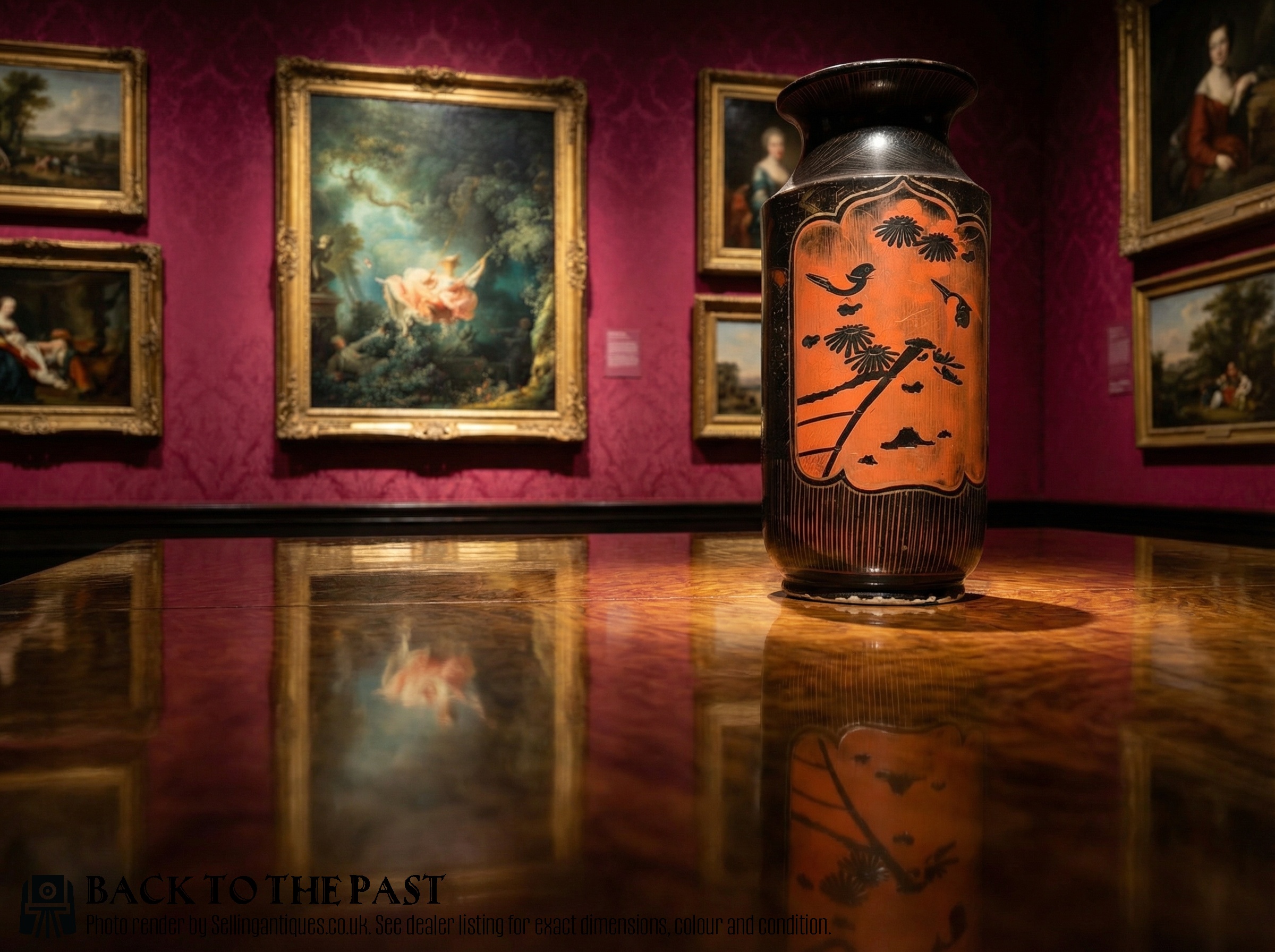
Japanese Decorative Ceramic Vase
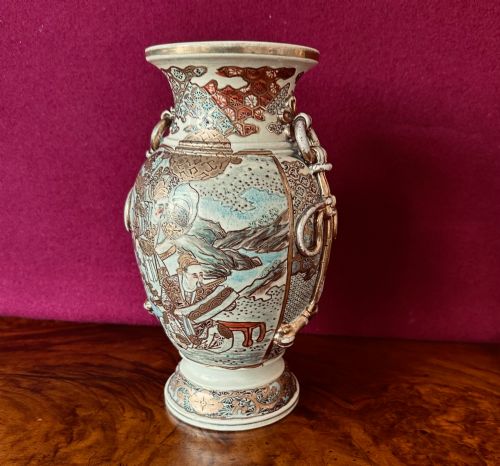
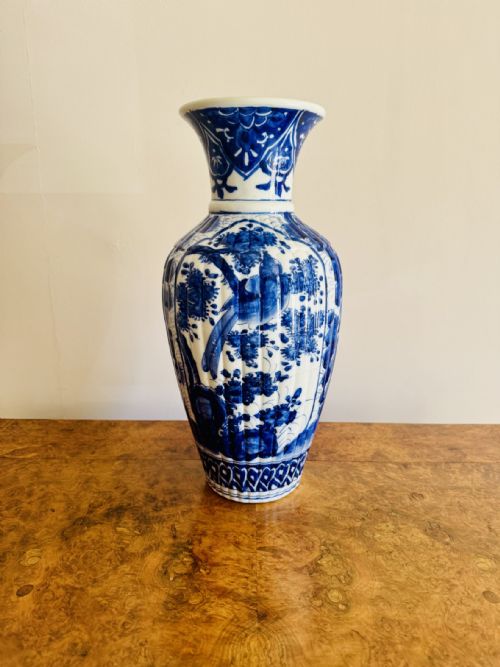
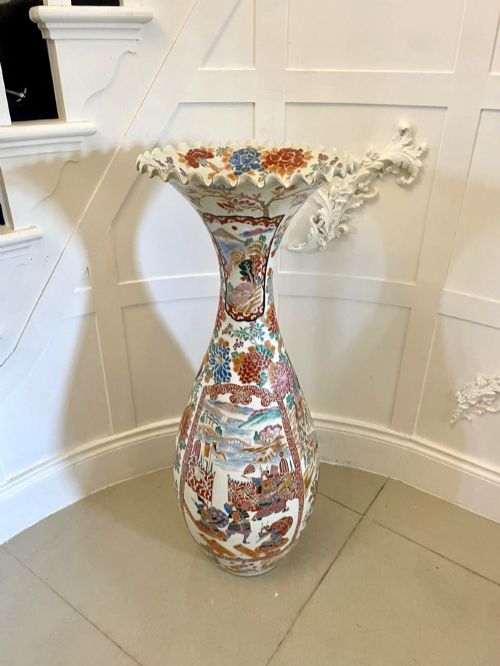
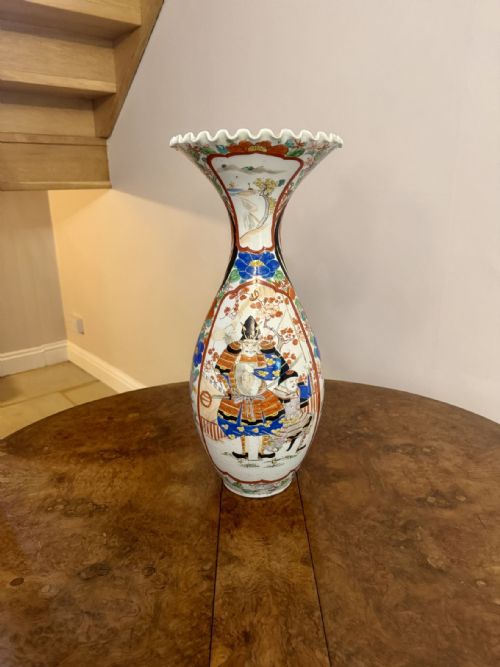
A japanese decorative ceramic vase embodies a tradition of fine artistry originating from periods such as the Meiji, Edo, and Showa eras. Collectors encounter diverse forms ranging from large floor-standing vessels and baluster shapes to lidded ginger jars and table lamps.
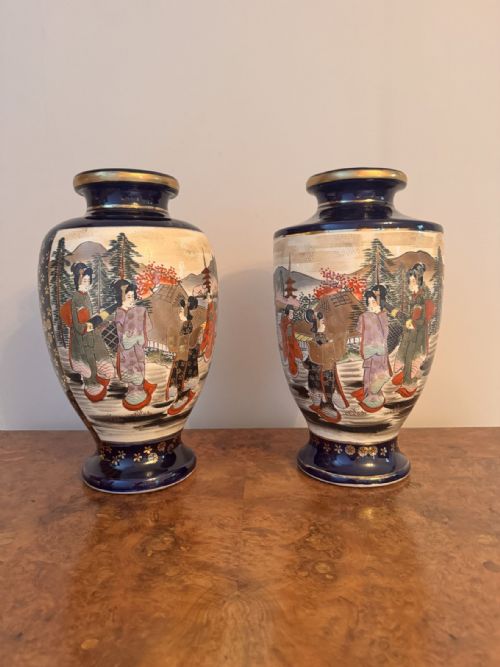
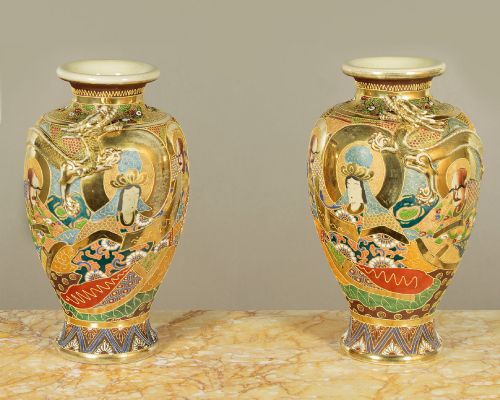
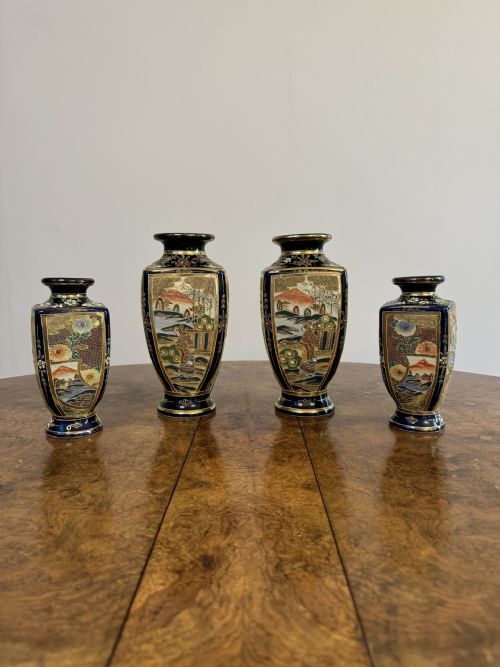
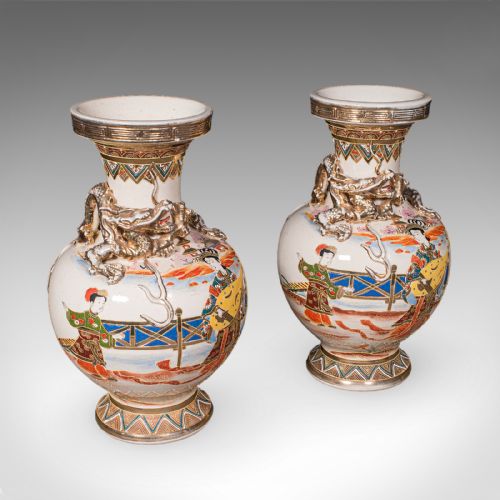
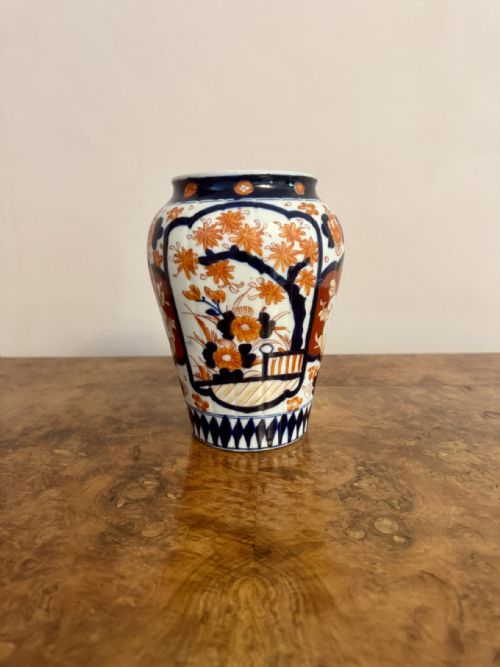
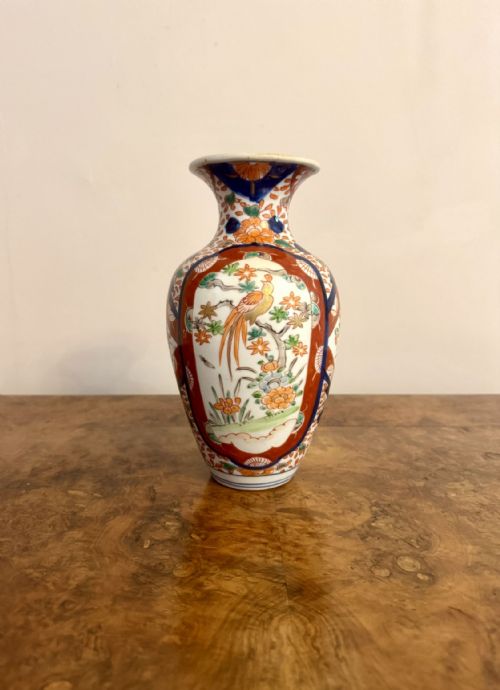
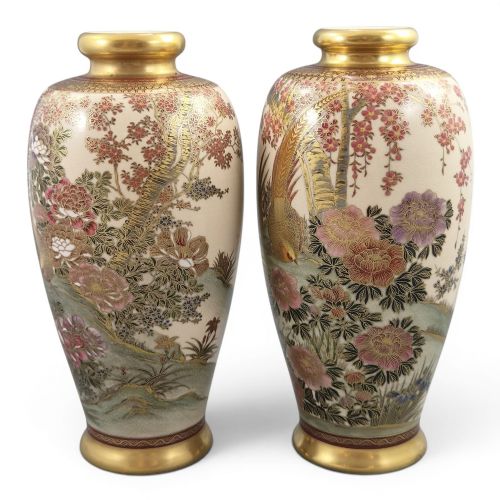
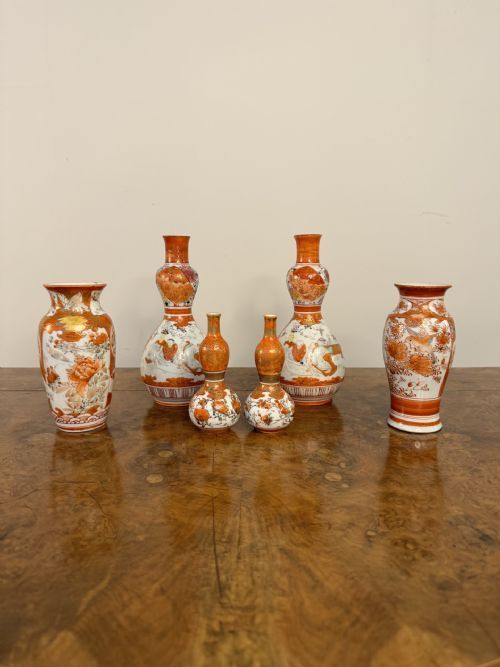
The selection on this page demonstrates popular regional styles including Japanese Imari, Satsuma, and Kutani ware. These pieces serve as striking focal points in a room, often featuring traditional landscape panels or figural scenes.
Objects span earthenware, porcelain, and stoneware bodies, created across the nineteenth and twentieth centuries. Buyers frequently discover matched pairs and garnitures alongside individual cabinet miniatures.
How They Were Made
Potters shaped ceramic, porcelain, and earthenware bodies on the wheel or in moulds before applying glazes and underglaze pigments. Base materials ranged from dense stoneware to delicate white porcelain.
Decoration relied on complex surface treatments, combining enamel colours, gold leaf, and gilt details. Artists utilised raised moriage techniques to add tactile dimension to floral and geometric motifs.
What Varies in Quality
The standard of a japanese decorative ceramic vase rests upon the precision of the hand-painted brushwork and the complexity of the palette. Pieces decorated by celebrated workshops or named artists display superior control over fine details and gilding.
The density and weight of the ceramic body, alongside the crispness of applied moriage work, distinguish standard production wares from exhibition-quality masterworks. Preservation of original enamels and gold leaf directly influences the standing of an individual piece.
Manpei, Kobe·Makuzu Kozan II·Kōko·Kinkozan·Chosei·Nanzan·Hakusan·Hododa
The Japanese Decorative Ceramic Vase Glossary
- Imari
- A style of Japanese porcelain featuring a distinct palette of underglaze blue, iron red, and gold. These wares were produced in Arita and exported extensively to Europe.
- Satsuma
- Earthenware pottery with a finely crackled ivory glaze, typically decorated with polychrome enamels and heavy gilding. Production centres around Kyoto and Satsuma province.
- Moriage
- A decorative ceramic technique where slip is piped onto the surface in raised dots or lines to create textured patterns. This method is common on Satsuma wares.
- Garniture
- A set of matching vases or jars designed to be displayed together on a mantelpiece or cabinet. These sets usually consist of three or five pieces.
- Baluster
- A vase form with a rounded body that tapers towards a narrow neck, resembling the architectural baluster shape.
Japanese Decorative Ceramic Vase: Frequently Asked Questions
How do I clean my vase?
Dust ceramic surfaces gently with a soft, dry cloth to protect delicate gold leaf and enamel details.
Avoid using water or chemical cleaners, as moisture can damage historical glazes and older repairs.
Where were these vases made?
Most pieces originate from traditional ceramic production centres in Japan, including Kyoto and Arita.
Specific regional kilns developed distinctive styles such as Imari porcelain and Satsuma earthenware.
How can I date my piece?
Examine the base for artist signatures, studio marks, and regional stamps which often indicate specific periods like the Meiji era.
Material composition, such as earthenware versus porcelain, and stylistic traits also help determine age.
Can I use these for fresh flowers?
Antique ceramic and earthenware bodies can be porous or feature old hairline fractures that leak water.
Place a modern glass liner inside the vessel if you wish to display fresh stems safely.