


Japanese Covered Baluster Vase
A japanese covered baluster vase brings together rich porcelain bodies and elaborate lids in shapes that span centuries of fine ceramic artistry.
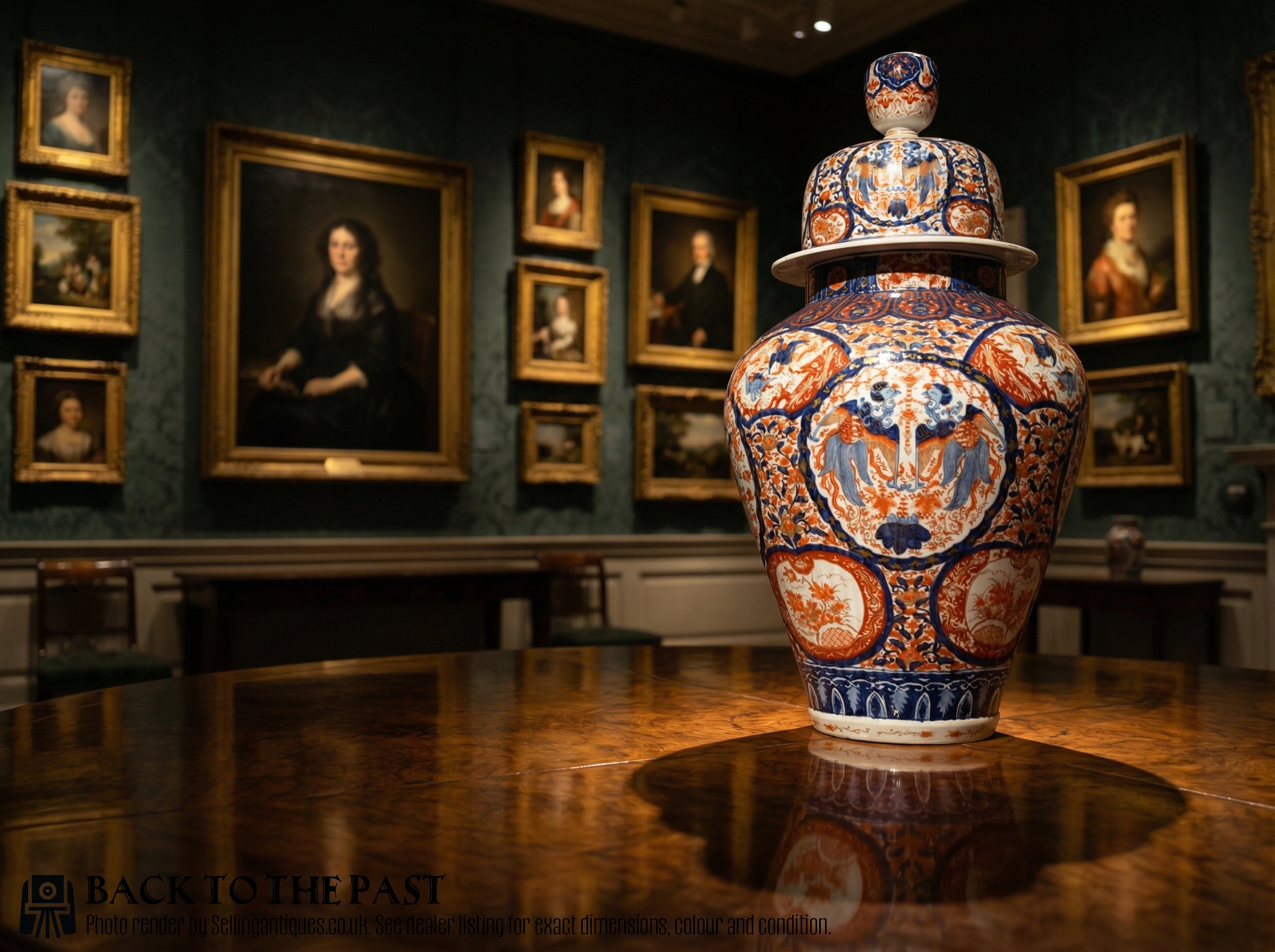
Japanese Covered Baluster Vase
A japanese covered baluster vase combines a swelling lower body with a tapering neck and a fitted lid, creating a balanced silhouette suited for display. Buyers searching for a japanese covered baluster vase encounter forms ranging from late nineteenth-century examples to earlier period productions.
The selection includes pieces associated with the Edo and Meiji periods, alongside European interpretations executed in the Imari style. These vessels frequently appear as pairs of lidded vases or larger single decorative jars.
Origin points span traditional Japanese kilns as well as European makers such as Samson replicating the aesthetic. The variety encompasses both blue and white porcelain and multi-coloured enamel decoration.
Materials and construction
Makers formed these vessels from porcelain, applying cobalt enamel and iron red enamel beneath clear glazes. Surface enrichment frequently incorporates gold leaf and gilding to highlight intricate patterns.
Certain European iterations integrate cast or chased ormolu mounts to secure and frame the porcelain body. Kiln firing fixed the pigments and glazes, producing durable finishes across centuries of handling.
Japanese Covered Baluster Vase Retail Price Guide 2026
Typical asking prices for japanese covered baluster vase among the pieces listed under this phrase on Sellingantiques today, from the lower quarter to the upper quarter. They describe what is for sale here now, not the wider market.
Listings feature porcelain vessels spanning the seventeenth century through the Edwardian era, incorporating both Japanese origins and European Imari style interpretations.
Distinguishing quality
Quality rests upon the precision of the porcelain throwing and the crispness of the painted enamel detailing. Superior examples demonstrate careful control of the cobalt and iron red pigments across complex geometric and floral motifs.
The integrity of the matching cover and the preservation of the original gold leaf or gilding elevate an individual piece. Early dating, such as seventeenth-century or eighteenth-century origin, distinguishes foundational works from later nineteenth-century revivals.
The Japanese Covered Baluster Vase Glossary
- Baluster
- A vertical architectural form with a swelling lower portion and a narrow neck, which inspired the curved silhouette of these vases. This shape provides stability and visual weight.
- Imari
- A distinct style of Japanese porcelain originating from Arita and exported through the port of Imari, typically featuring iron red, cobalt blue, and gold. The palette remains vibrant and immediately recognisable.
- Ormolu
- Gilded bronze mounts applied to furniture and porcelain, particularly favoured by European makers referencing Asian ceramics. It adds structural framing and decorative contrast.
- Edo Period
- The period in Japanese history spanning from sixteen hundred and three to eighteen hundred and sixty-eight, noted for flourishing arts and crafts. Pieces from this era hold significant historical standing.
Japanese Covered Baluster Vase: Frequently Asked Questions
How do I date a lidded vase?
Dating relies on stylistic markers, porcelain body characteristics, and historical documentation associated with the piece. Early examples often exhibit distinct cobalt blue tones and coarser potting techniques compared to later Meiji production.
Examination of the glaze and enamel application further clarifies the era of manufacture. Comparing the form to established eighteenth or nineteenth-century examples helps confirm the period.
Were these vases made only in Japan?
While the primary tradition stems from Japanese kilns in Arita and surrounding regions, European makers also produced similar items. French makers like Samson created pieces in the Japanese Imari style to satisfy Western demand.
These European interpretations frequently employ distinct mounting techniques, such as ormolu, while adhering to traditional decorative palettes. Both origins form part of the broader history of these decorative vessels.
How should I display a pair?
Displaying a pair requires stable surfaces that can support the substantial weight of large porcelain bodies and covers. Placing them symmetrically on mantelpieces or side tables highlights their matching proportions.
Ensure adequate clearance from foot traffic to protect the protruding lids and delicate gilt surfaces. Direct sunlight should be managed to preserve the vibrancy of the iron red and cobalt enamels.
What is the purpose of the cover?
The cover completes the baluster silhouette and originally served to protect the contents of the vessel. In decorative contexts, the lid unifies the vertical lines of the piece.
Matching covers that share the same glaze and enamel patterns are essential for a complete presentation. The fit of the lid within the neck of the vase indicates the care taken during production.