



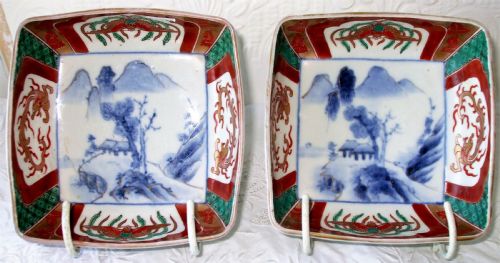
Japanese Ceramic Pair
These japanese ceramic pair selections bring balanced symmetry to a room through matched vessels, plates, and decorative objects.
Japanese Ceramic Pair
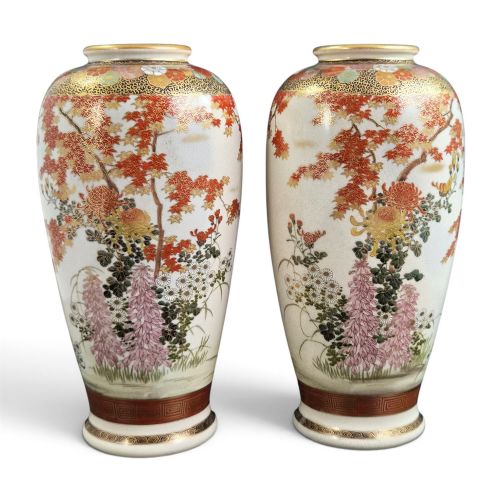
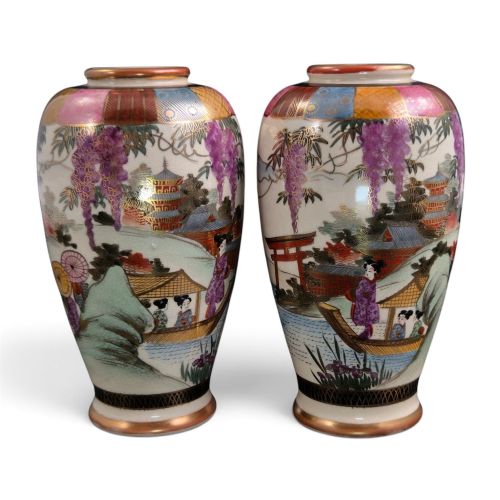
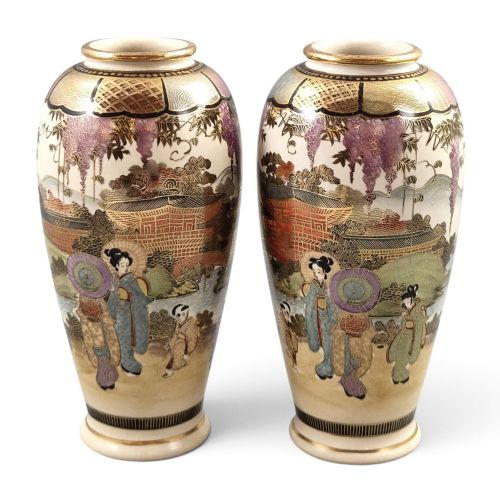
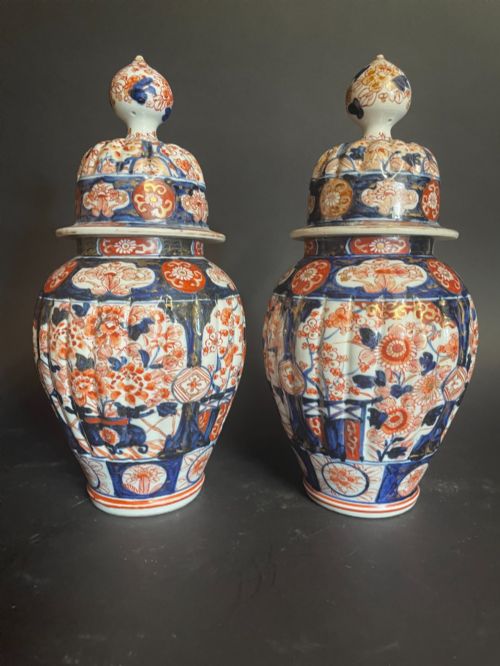
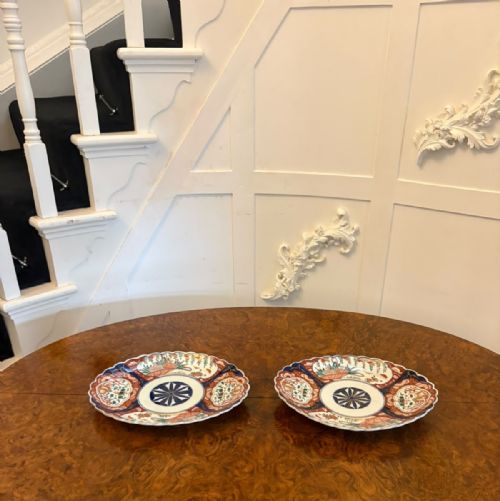
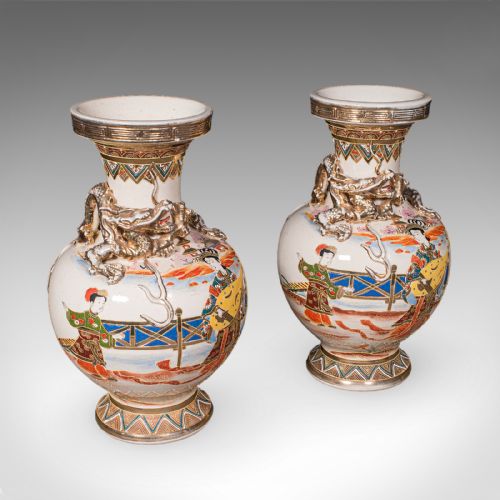
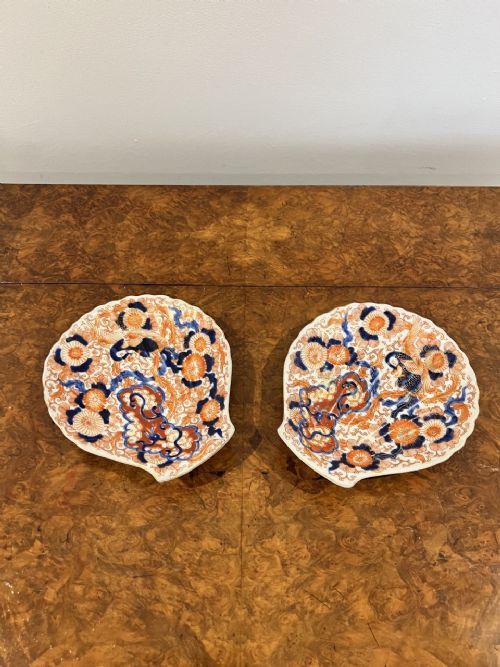
A japanese ceramic pair comprises matching vessels, plates, or decorative objects created to be displayed together as a unified set. Buyers searching this phrase will most frequently encounter pairs of Satsuma earthenware vases and Imari porcelain dishes dating from the nineteenth and early twentieth centuries.
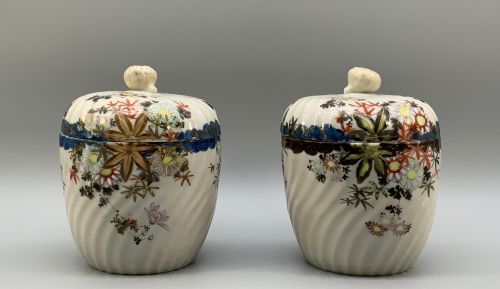
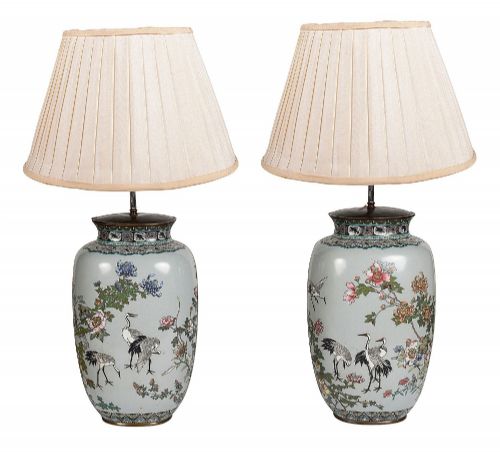
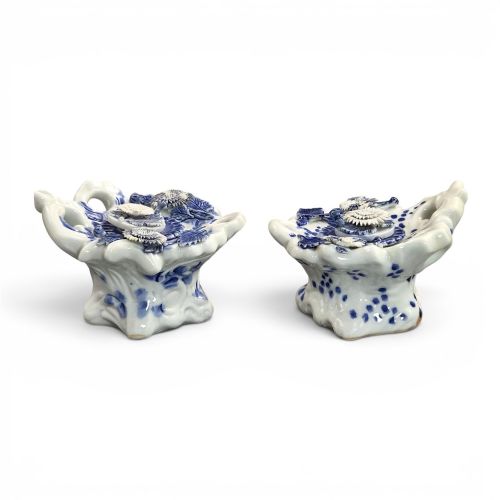
The forms range widely from large chargers and baluster vases to lidded jars, table lamps, and small tea cups. These matching items reflect traditional Japanese craftsmanship adapted for both domestic use and export during the Meiji, Taisho, and Showa periods.
How they were made
Potters shaped local clays and fine porcelain bodies on the wheel or in moulds before applying detailed underglaze blue, polychrome enamel, and rich gilt ornamentation. Many earthenware pieces utilised specialised crackle glazes that provided a textured ground for intricate hand-painted figurative and botanical scenes.
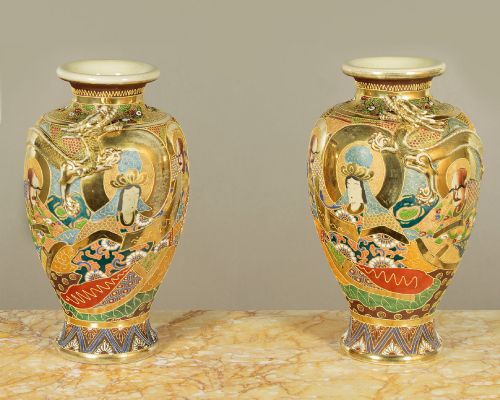
Vessels often incorporated raised enamel work known as moriage, building up tactile relief details that caught the light alongside areas of gold leaf. Kiln firing fixed these mineral pigments and glazes permanently to the ceramic surface, creating durable decorative objects.
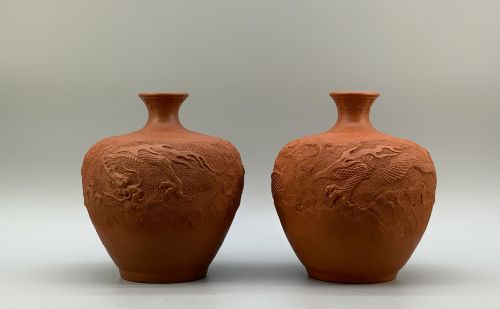
Several dragon and phoenix pairs stare resolutely across mantelpieces, keeping a watchful glass eye on the room.
What varies in quality
The distinction between standard export items and superior examples rests upon the precision of the brushwork and the complexity of the decorative scheme. Master workshops achieved remarkable depth through finely controlled layering of enamel and gold leaf, whereas lesser pieces display repetitive motifs and simpler application.
Symmetry and balance within the pair dictate desirability, as genuine matching items should exhibit uniform dimensions and closely coordinated artistic narratives. The refinement of the clay body and the clarity of the glaze further separate ordinary production from pieces bearing distinguished studio signatures.
Maruni Kobe·Shozan·Manpei·Kinkōzan·Kinzan
The Japanese Ceramic Pair Glossary
- Imari
- A style of Japanese porcelain decorated in underglaze blue, iron red, and gold, named after the port from which these wares were shipped to the West.
- Satsuma
- An earthenware ceramic type characterised by a fine ivory-coloured crackle glaze, typically decorated with elaborate polychrome and gilt designs.
- Moriage
- A decorative technique using piped slip or enamel to create raised, tactile relief patterns on the surface of the ceramic.
- Charger
- A large decorative plate or dish intended primarily for display on a wall or stand rather than for serving food.
- Baluster
- A vase form with a rounded body that tapers toward the base and swells outward before narrowing into a distinct neck.
Japanese Ceramic Pair: Frequently Asked Questions
How do I identify Satsuma ware?
Satsuma ceramics are recognised by their distinctive creamy earthenware body covered in a fine network of hairline crackles in the glaze. This pale surface serves as a canvas for dense hand-painted enamel and gilt illustrations of figures, landscapes, and flowers.
Many pieces bear artist signatures or workshop seals on the base, often written in black or gold characters. The paste itself tends to be softer and more opaque than hard-paste porcelain.
Were these pairs made for export?
The majority of these matching sets were produced during the Meiji period specifically for international markets following the opening of Japanese trade ports. European and American buyers prized symmetrical arrangements for mantelpieces and display cabinets.
Potteries adapted traditional forms into decorative chargers, lidded jars, and table lamps that suited Western interior tastes while retaining distinct Japanese artistic motifs.
How should I clean antique ceramics?
Dust these items gently using a soft, dry brush to prevent accumulation in textured areas like moriage relief work or scalloped edges. Avoid submerging antique earthenware in water, as moisture can penetrate the porous body through existing glaze crackles.
Porcelain items tolerate careful spot cleaning with a damp cloth if necessary, but gilt and enamel surfaces require gentle handling to preserve the historic pigments.
What is the difference between Imari and Arita?
Arita is the historical centre of porcelain production in Japan where the raw materials were mined and fired. Imari is the port city through which these finished blue, red, and gold porcelains were exported to the rest of the world.
While all Imari porcelain originates from the Arita region, the terms are frequently used interchangeably by collectors to describe this specific palette and decorative style.