



Japanese Blue White Plate
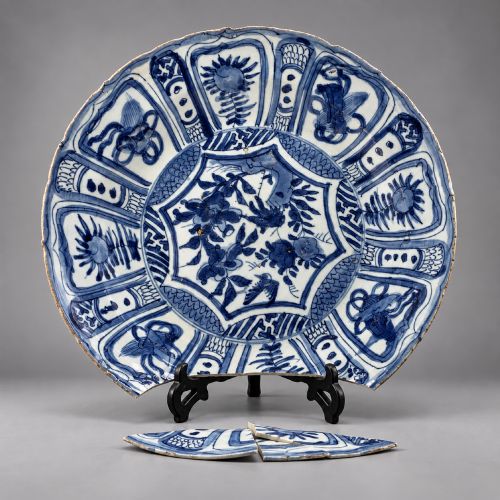
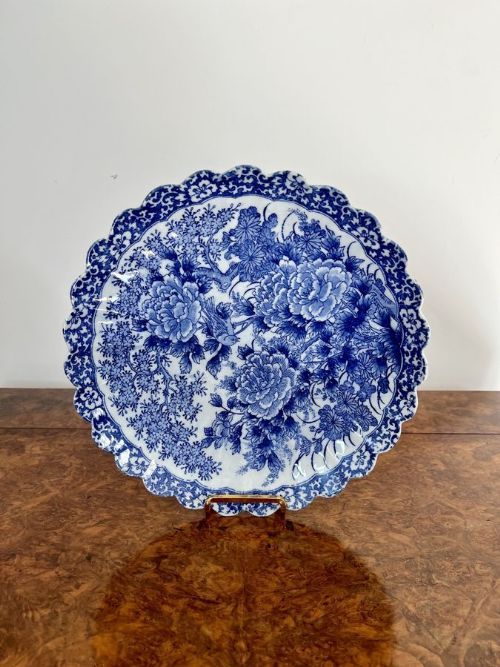
A japanese blue white plate brings vibrant cobalt and porcelain craft into a room, shaped in traditional forms from the Edo to the Meiji period.
Japanese Blue White Plate
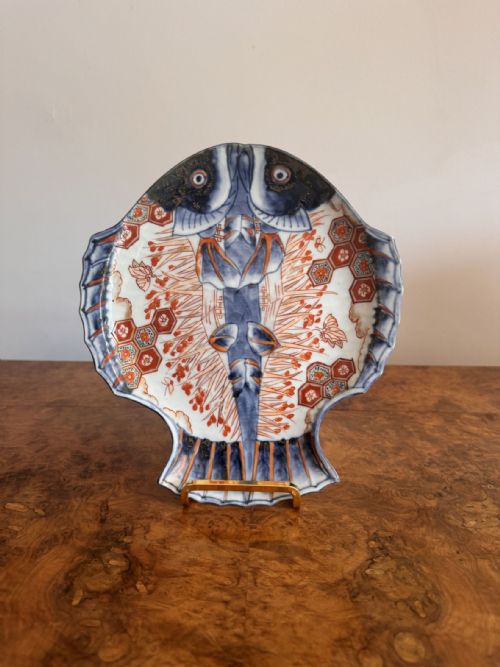
When you search for a japanese blue white plate, you encounter items spanning the seventeenth century through to the early twentieth century. The selection ranges from standard circular vessels to more unusual shapes such as fish, fans, shells, and octagonal forms.
The pieces you are most likely to meet on this page date predominantly from the late nineteenth century and around nineteen hundred. These include large chargers, decorative dishes, and tableware sets originating from traditional kilns.
Many examples incorporate Imari styling alongside classic Arita porcelain production. Collectors find both smaller cabinet plates and massive chargers measuring significant diameters for wall display or table use.
Materials and methods
Makers shaped these items from refined porcelain, applying cobalt pigment and cobalt glaze beneath a clear protective surface before kiln firing. Certain pieces feature additional decorative layers including enamel, gold leaf, and gold gilt.
Artisans executed hand-painted designs directly onto the clay body, producing intricate scrolling foliate borders, cranes, and koi carp motifs. Potters utilised specialised moulds for unconventional configurations like fan, fish, and shell outlines.
Materials recorded across the archive include refined porcelain, cobalt pigment, gold leaf, and vibrant enamel highlights.
Assessing quality and execution
The distinction between standard output and finer items rests in the precision of the hand-painted brushwork and the clarity of the cobalt underglaze. Superior pieces display crisp motifs without blurring, alongside balanced compositions within scrolling borders.
Form and moulding complexity also determine the standing of a piece within the range. Standard round formats appear frequently, whereas crisp octagonal edges, moulded shell curves, and realistic fish silhouettes demand greater skill from the potter.
The Japanese Blue White Plate Glossary
- Imari
- A style of Japanese porcelain decorated in underglaze blue, iron red, and gold. This aesthetic gained immense popularity in Europe after initial export through the port of Imari during the Edo period.
- Arita
- The Japanese town central to porcelain production since the early seventeenth century. Kilns in this region supplied the fine white clay bodies used for high-status blue and white wares.
- Cobalt Underglaze
- A blue pigment applied directly to the unglazed ceramic body before a transparent glaze coating is added. This technique protects the decoration from wear during daily use.
- Meiji Period
- The historical era spanning from eighteen sixty-eight to nineteen twelve, characterised by intensified international trade and diverse decorative arts production. Many export plates date from this dynamic era.
- Charger
- A large decorative plate utilised historically for display on sideboards or walls rather than for serving food. These substantial vessels often measure significant diameters across the rim.
Japanese Blue White Plate: Frequently Asked Questions
How do I date a Japanese blue white plate?
Dating relies on stylistic markers, potting characteristics, and recorded kiln periods. Pieces from the Edo period differ visibly in weight and glaze texture from later Meiji or twentieth-century export items.
Examining the foot ring and the tone of the cobalt pigment helps narrow down the decade of production. Documentation or historical marks, where present, provide further chronological context.
Were these plates meant for food?
While certain smaller sets were produced for dining or sushi service, many larger chargers and decorative dishes were made strictly for display. Their grand scale and elaborate painted surfaces suited placement on walls or tables.
Historic households utilised chargers as central focal points in reception rooms. Everyday tableware pieces generally exhibit simpler rims and sturdier bodies built for handling.
What is the difference between Arita and Imari?
Arita refers to the geographic production centre where the porcelain clay was mined and fired. Imari denotes the stylistic tradition and the shipping port from which these decorated wares left Japan.
Many pieces share both designations, originating in Arita kilns while displaying the characteristic palette and patterns associated with Imari export goods.
How should I display a charger safely?
Large chargers require secure wall hangers designed specifically for heavy porcelain dishes, or sturdy plate stands resting on stable furniture. Placing them away from high-traffic zones prevents accidental knocks.
Direct sunlight should be avoided to protect any delicate gold leaf or enamel highlights applied over the glaze.